
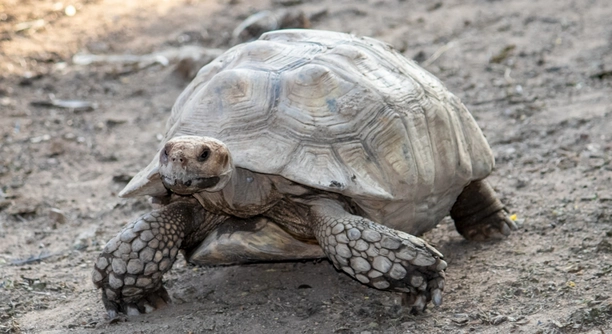
Sulcata tortoises are known for their gentle nature and slow movements. However, if you notice your tortoise rubbing its face constantly, there may be underlying reasons that need attention. Understanding this behavior can help ensure its well-being.
The most common cause of face rubbing in Sulcata tortoises is the presence of irritants such as substrate, debris, or an infection. This behavior can also indicate skin issues, including dryness or discomfort. Observing the tortoise closely can help identify the specific cause.
Addressing this behavior promptly can help maintain your tortoise’s comfort and health, ensuring it remains happy and active.
Common Causes of Face Rubbing in Sulcata Tortoises
Sulcata tortoises can rub their faces for several reasons, with one of the most common being skin irritation. The rough surfaces in their enclosures, such as sharp rocks or rough substrates, can irritate their sensitive skin. Another factor could be something as simple as dust or dirt, which may cause discomfort. Sometimes, these tortoises will rub their faces against objects to clear away debris. If you’ve recently changed their bedding or substrate, they might be reacting to the new texture or material. Even a simple scratch or cut can make your tortoise rub its face as a way of soothing the irritation.
Make sure to check their enclosure for any sharp or uncomfortable materials that could cause rubbing. Clean the area thoroughly, and if the rubbing continues, it may be time to consider other potential issues.
Some Sulcata tortoises are also prone to dry skin, especially in indoor environments with low humidity. If the environment is too dry, your tortoise may rub its face in an attempt to alleviate the discomfort. Moisturizing the skin with a proper tortoise-safe cream or adjusting the humidity levels may help.
Other Potential Health Concerns
Infections are another reason for face rubbing, particularly if you notice swelling, redness, or discharge around the eyes or nose. Bacterial or fungal infections can lead to increased rubbing, as your tortoise tries to clear its face from the discomfort. If your tortoise’s rubbing is accompanied by these symptoms, it’s important to seek the advice of a veterinarian. They may recommend topical treatments or a change in the tortoise’s living conditions to help prevent further infection.
Additionally, internal parasites can cause irritation in a tortoise’s face. While rare, it’s always wise to have a vet perform a check-up if you suspect something might be wrong. Proper nutrition and regular veterinary visits can help prevent these types of health issues from occurring.
Dry Skin and Environmental Factors
If your Sulcata tortoise is rubbing its face, dry skin could be the issue. These tortoises naturally thrive in hot, dry environments, but if your habitat is too dry or lacks proper humidity, their skin may become irritated. Providing a humid hide or a shallow water dish can help maintain moisture in their skin. Regular soaking can also hydrate their skin, which may reduce the face-rubbing behavior.
Sometimes, environmental factors like temperature fluctuations or improper lighting can exacerbate dry skin. Sulcata tortoises need a consistent warm environment to stay healthy. If they’re exposed to cold temperatures or inconsistent lighting, their skin might dry out, causing them to rub their faces. A well-regulated heat source and UVB lighting will help keep your tortoise’s skin in good condition.
Allergies and Sensitivities
Allergies are less common but can cause face rubbing in Sulcata tortoises. They may be sensitive to specific plants, dust, or even the materials in their enclosure. If you’ve recently introduced a new substrate, plants, or foods, it could be the source of irritation. It’s essential to monitor your tortoise for any signs of swelling or unusual behavior when you make changes to their environment.
Eliminating any potential allergens is a good first step. Check for any new items or changes that could cause discomfort. Sometimes switching back to previous bedding or removing a certain type of plant can resolve the problem. If the issue persists, it’s a good idea to consult with a vet to rule out allergies.
Infections and Irritations
Infections can cause face rubbing in Sulcata tortoises. Bacterial or fungal infections around the eyes, mouth, or nose can lead to discomfort. Rubbing helps them try to clear the irritation. If you see swelling or discharge, it’s time to see a vet for diagnosis and treatment.
Keeping the tortoise’s enclosure clean and dry is crucial in preventing infections. Regularly changing bedding, avoiding damp conditions, and disinfecting the habitat can reduce the risk of bacterial or fungal growth. If you notice any signs of infection, immediate attention is necessary to avoid further complications.
Vitamin or Mineral Deficiency
Vitamin or mineral deficiencies can also lead to skin problems, including face rubbing. Lack of calcium or vitamin A can cause your tortoise to develop skin issues, making them more likely to rub their face. A balanced diet with proper supplements can help prevent these deficiencies.
Providing fresh, nutrient-rich vegetables, like dark leafy greens, is essential. Additionally, dusting their food with calcium powder and ensuring access to vitamin A-rich foods can support their skin health. If dietary changes don’t help, a vet may recommend supplements tailored to your tortoise’s specific needs.
FAQ
Why does my Sulcata tortoise rub its face on the ground?
Sulcata tortoises often rub their faces on the ground to remove irritants or debris. It’s a natural behavior when they encounter something uncomfortable on their skin, such as dirt, dust, or bedding. This rubbing can help them alleviate mild skin irritation. If the behavior continues or worsens, it’s important to check for underlying issues such as infections or dryness.
How can I stop my Sulcata tortoise from rubbing its face?
To stop your Sulcata tortoise from rubbing its face, ensure its environment is free from rough or irritating materials. Make sure the substrate is comfortable and free of dust. Adjust the humidity levels to avoid dry skin and offer regular soaks to hydrate your tortoise. If the behavior persists, consult a vet to rule out health issues.
What can I do if my Sulcata tortoise has swollen eyes?
Swollen eyes in a Sulcata tortoise may indicate an infection, often linked to respiratory problems or poor humidity. Ensure the habitat’s humidity is properly regulated. If swelling continues or is accompanied by discharge, it’s essential to see a vet. Proper care can prevent further complications, and early treatment is key.
Should I be concerned if my Sulcata tortoise is rubbing its face constantly?
Constant face rubbing can be a sign of skin irritation, dryness, or an infection. If your Sulcata tortoise is rubbing its face frequently, it’s important to observe its behavior for any other symptoms, such as swelling or discharge. If the problem persists, a vet visit is recommended to diagnose and treat any underlying health concerns.
Can Sulcata tortoises develop allergies that cause face rubbing?
Yes, Sulcata tortoises can develop allergies to certain plants, dust, or bedding materials. If you’ve recently changed their enclosure setup, the new materials may be causing irritation. Monitor your tortoise for signs of swelling or discomfort and consider removing any recent additions. If the behavior doesn’t improve, consult a vet to confirm if allergies are the cause.
What are the signs that my Sulcata tortoise has dry skin?
Dry skin in Sulcata tortoises often results from low humidity or improper environmental conditions. Signs include excessive face rubbing, flaky or dull skin, and occasional shedding. To help, increase humidity in their enclosure or offer regular soaks to hydrate their skin. If dryness persists, check the overall habitat conditions and make necessary adjustments.
How can I improve the humidity for my Sulcata tortoise?
Improving humidity for your Sulcata tortoise can be done by adding a shallow water dish, misting the enclosure, or creating a humid hide. A humid hide can be created by placing damp sphagnum moss in a safe area where your tortoise can retreat. Maintain a balanced humidity level to keep your tortoise’s skin healthy and hydrated.
What type of bedding is best for preventing face rubbing?
To prevent face rubbing, use bedding that is soft and easy on your tortoise’s skin. Avoid sharp or rough materials like sand or crushed walnut shells. Instead, opt for softer bedding like coconut coir or aspen shavings. Regularly cleaning the bedding can also help prevent any irritants from accumulating and causing discomfort.
Is it normal for Sulcata tortoises to rub their face on objects in their enclosure?
It’s normal for Sulcata tortoises to rub their face on objects in their enclosure if they feel any discomfort or if they’re trying to clear away debris. However, frequent or persistent rubbing could indicate an underlying issue like irritation, dryness, or infection. If this behavior continues, it’s best to investigate the cause to ensure your tortoise is comfortable and healthy.
How often should I bathe my Sulcata tortoise to prevent face rubbing?
Bathing your Sulcata tortoise once a week is typically sufficient to maintain healthy skin and hydration. However, if you notice signs of dryness or irritation, you may want to increase the frequency. Regular soaking helps keep their skin hydrated and can alleviate discomfort caused by dry or flaky skin.
Can a lack of proper lighting cause face rubbing in Sulcata tortoises?
Yes, improper lighting, especially the lack of UVB lighting, can contribute to skin issues and overall health problems in Sulcata tortoises. Without adequate UVB exposure, they may suffer from metabolic bone disease or dry, unhealthy skin. Ensure your tortoise has access to proper lighting and UVB rays to keep its skin and bones in good condition.
What should I do if my Sulcata tortoise starts rubbing its face and shows signs of illness?
If your Sulcata tortoise is rubbing its face and showing other signs of illness, such as lethargy, loss of appetite, or discharge, it’s important to consult a vet. These could be signs of a more serious issue, such as a respiratory infection or parasites. Early diagnosis and treatment are crucial for your tortoise’s health and well-being.
Final Thoughts
Face rubbing in Sulcata tortoises can happen for several reasons. It’s important to understand the behavior and identify potential causes so you can help your tortoise feel better. Rubbing their face might be due to irritation, dryness, or an attempt to remove debris. In many cases, this behavior is temporary and resolves with proper care. However, if the rubbing continues or is accompanied by other symptoms like swelling or discharge, it’s a sign that something more serious might be going on.
When managing this issue, the first step is ensuring the habitat is ideal. Make sure the temperature and humidity levels are appropriate for your tortoise. Proper humidity is especially important to keep their skin healthy and prevent dryness, which could lead to face rubbing. Additionally, check that the bedding you use is soft and comfortable, as rough or abrasive materials can cause irritation. Regularly cleaning the enclosure will also help reduce any buildup of dust or bacteria that could be contributing to the problem.
If you notice persistent face rubbing or other signs of illness, don’t hesitate to seek veterinary care. It’s always better to get a professional opinion if you’re unsure about what’s causing the behavior. A vet can help rule out infections, vitamin deficiencies, or other health concerns. By paying attention to your tortoise’s needs and maintaining a healthy environment, you can ensure they live a long and comfortable life.

Hello,
If you enjoy the content that we create, please consider saying a "Thank You!" by leaving a tip.
Every little bit helps us continue crafting quality advice that supports the health, happiness, and well-being of pets around the world, for pets of all shapes, sizes, and species.
We really appreciate the kindness and support that you show us!