
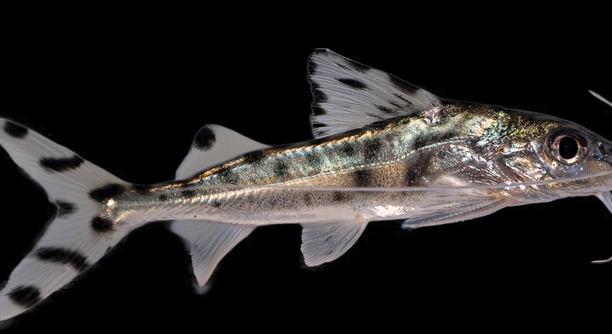
If your pictus catfish suddenly hides all day, it can feel concerning. These peaceful fish usually swim openly, so hiding may signal a change in their environment or health. Understanding why this happens can help you respond properly.
Pictus catfish hide primarily due to stress, illness, or unsuitable tank conditions. Changes in water quality, temperature, or tank mates can cause discomfort. Addressing these factors promptly is essential to restore the fish’s normal behavior and wellbeing.
Knowing what causes this behavior is important for your fish’s health. This article will guide you through practical steps to help your pictus feel safe and active again.
Common Causes of Pictus Hiding
When your pictus hides all day, it usually points to stress or discomfort. Poor water quality is often the main reason. High ammonia, nitrite, or nitrate levels can make fish anxious and cause them to hide. Temperature fluctuations or water that is too cold or hot can also affect their behavior. Additionally, aggressive tank mates or overcrowding will push pictus to seek shelter.
Stress weakens their immune system, making them vulnerable to illness. Sometimes, a sudden change in the tank setup, like new decorations or rearranged plants, can trigger hiding. Lack of hiding spots or places to rest can also contribute, so ensuring there are adequate shelters is important for their comfort.
Keeping the tank stable and clean, monitoring water parameters, and providing proper hiding places can reduce hiding behavior. Regular testing and gradual changes help maintain a healthy environment that keeps pictus calm and visible.
Maintaining stable conditions and offering plenty of hiding spots supports your pictus’s natural behavior and comfort.
Knowing why they hide is the first step to improving their health and tank life.
How to Check Water Quality and Tank Conditions
Water quality is critical for pictus health and comfort. Testing your water regularly is necessary to detect any harmful changes. Use a reliable test kit to check ammonia, nitrite, nitrate levels, pH, and temperature. Ideal water parameters for pictus include ammonia and nitrite at zero, nitrates below 20 ppm, and a pH between 6.5 and 7.5. The temperature should be stable between 75°F and 80°F (24°C–27°C).
If you find any levels out of range, perform partial water changes to improve conditions. Avoid sudden or large changes that could stress the fish further. Also, ensure your filtration system is working well and clean it as needed without removing beneficial bacteria.
Besides water, consider tank size and layout. Pictus catfish need at least 30 gallons because they are active swimmers. Provide plenty of hiding spots such as caves, driftwood, and plants to make them feel secure. Avoid overcrowding, as this increases stress and aggression from other fish. Observe your tank mates to ensure they are peaceful and compatible with pictus.
Regular water testing combined with proper tank setup helps create a safe environment, encouraging your pictus to come out of hiding and thrive.
Signs of Illness to Watch For
If your pictus hides constantly, it could be showing signs of illness. Look for changes in appetite, abnormal swimming, or visible spots on the body. These symptoms often accompany hiding behavior and indicate that your fish needs care.
Illnesses like ich, fin rot, or internal parasites are common in pictus catfish. Ich appears as tiny white spots on fins and body, causing itching and hiding. Fin rot shows ragged or disintegrating fins. Parasites might cause lethargy and weight loss. Early detection is important to prevent worsening. Quarantining the affected fish and treating with proper medication can stop disease spread. Keeping the tank clean reduces illness risks. If unsure, consulting a vet or aquatic specialist is a good step to diagnose and treat problems quickly.
Maintaining good water quality and monitoring your fish’s behavior helps catch illnesses early. Acting promptly can restore your pictus’s health and encourage it to swim openly again.
Adjusting Feeding and Tank Maintenance
Feeding routines impact pictus behavior significantly. Overfeeding can pollute the water, causing stress and hiding. Feed small amounts once or twice daily, removing uneaten food promptly. A balanced diet with sinking pellets and occasional live or frozen foods supports their health.
Tank maintenance also plays a key role. Regular partial water changes—about 20% weekly—keep water clean and stable. Clean the substrate gently to avoid disturbing beneficial bacteria. Check filters weekly to ensure proper function but avoid deep cleaning that removes too much bacteria. A well-maintained tank provides a comfortable environment that encourages natural activity. Watching your pictus during feeding can reveal changes in health or mood early. Adjusting feeding and maintenance habits keeps your fish active and reduces hiding behavior.
Creating Comfortable Hiding Spots
Pictus catfish need safe spaces to feel secure. Providing caves, plants, or driftwood helps reduce stress and encourages them to explore more.
Avoid overcrowding hiding spots. A few well-placed shelters work better than cluttered tanks. This balance keeps your pictus calm but visible.
The Role of Lighting
Bright lighting can stress pictus catfish, causing them to hide. Dim or adjustable lighting mimics their natural environment and makes them more comfortable.
Using timers to regulate light periods helps maintain a consistent day-night cycle. This stability supports healthy behavior and activity levels.
Monitoring Behavior Changes
Keep a close eye on your pictus’s habits. Sudden hiding combined with inactivity or erratic swimming signals something may be wrong.
Early detection of these changes helps address problems before they worsen, improving your fish’s chances of recovery. Regular observation is key.
When to Seek Professional Help
If hiding persists despite changes in water quality, tank setup, and feeding, professional advice is necessary. An aquatic veterinarian can provide accurate diagnosis and treatment options.
FAQ
Why is my pictus hiding all day suddenly?
Your pictus may be hiding due to stress, illness, or poor tank conditions. Changes in water quality, temperature, or aggressive tank mates often cause them to seek shelter. Hiding is a natural response to discomfort or danger, so addressing environmental factors is essential to help them feel safe.
How do I know if my pictus is sick?
Look for symptoms such as loss of appetite, white spots on the body (ich), torn fins (fin rot), lethargy, or unusual swimming patterns. These signs often accompany hiding behavior. Early diagnosis and treatment improve recovery chances, so watch closely for any changes in appearance or activity.
What water parameters are best for pictus catfish?
Pictus prefer stable water with ammonia and nitrites at zero, nitrates below 20 ppm, pH between 6.5 and 7.5, and temperature between 75°F and 80°F (24°C–27°C). Keeping these conditions consistent reduces stress and encourages normal behavior.
How often should I test the water?
Testing water weekly is recommended, especially for ammonia, nitrite, nitrate, and pH levels. Frequent testing helps catch issues early and keeps your tank environment healthy for your pictus.
What should I feed my pictus catfish?
Feed sinking pellets designed for bottom feeders, supplemented with frozen or live foods like bloodworms or brine shrimp. Feed small amounts once or twice daily, removing uneaten food to prevent water pollution.
Can lighting affect my pictus’s behavior?
Yes. Bright lights can stress pictus catfish, making them hide. Dim or adjustable lighting that mimics natural conditions helps them feel secure. Using timers to maintain a consistent day-night cycle supports their health.
How many pictus catfish should I keep in one tank?
Pictus are social and do well in groups of at least three to five. However, ensure your tank is large enough (minimum 30 gallons) to prevent overcrowding and stress, which can cause hiding.
What kind of tank mates are suitable for pictus catfish?
Choose peaceful, similarly sized fish that won’t bully or compete aggressively. Avoid aggressive or very large species. Compatible tank mates help reduce stress and encourage active behavior.
How do I provide good hiding spots?
Offer caves, driftwood, and dense plants. Avoid overcrowding the tank with decorations; a few well-placed shelters help pictus feel secure without making the tank cluttered.
When should I consult a vet?
If your pictus continues to hide despite correcting water conditions, feeding, and tank setup, or shows severe illness signs, seek professional advice. A vet specializing in fish can diagnose and treat conditions that are difficult to manage at home.
Can stress cause health problems in pictus?
Yes, prolonged stress weakens their immune system, making them more susceptible to disease. Reducing stress by maintaining stable water quality, providing hiding spots, and avoiding aggressive tank mates is crucial.
Is sudden hiding normal behavior?
Not usually. Pictus catfish are active swimmers. Sudden, prolonged hiding indicates a problem that needs addressing, whether environmental or health-related.
How do I safely clean the tank without stressing my pictus?
Perform partial water changes weekly, around 20%. Clean substrate gently and avoid deep filter cleaning to preserve beneficial bacteria. Avoid sudden large changes that shock the fish.
What temperature range should I maintain?
Keep the tank between 75°F and 80°F (24°C–27°C). Sudden temperature changes cause stress and hiding.
How can I encourage my pictus to come out of hiding?
Maintain clean water, stable temperature, proper lighting, and provide safe hiding spots. Feeding on a regular schedule also helps build trust and encourages activity.
Can overcrowding cause hiding?
Yes. Overcrowding increases stress and competition for space, forcing pictus to hide. Ensure adequate tank size and population for healthy behavior.
How long can a pictus hide before it becomes dangerous?
Extended hiding (several days or more) usually signals serious stress or illness. The longer hiding lasts without improvement, the higher the risk to their health.
Are there any specific treatments for common pictus diseases?
Treatments depend on the disease. Ich usually requires medication with formalin or malachite green. Fin rot may need antibacterial treatments. Always follow instructions carefully and isolate affected fish if possible.
Can changing the tank decorations help?
Yes. Sudden rearrangement can cause stress. If hiding starts after changes, try returning decorations to the original layout or add more hiding spots to reduce anxiety.
What role does water flow play in pictus behavior?
Pictus enjoy moderate water flow that mimics their natural rivers. Too strong or too weak flow can stress them, causing hiding. Adjust your filter or add a powerhead to achieve gentle circulation.
This FAQ covers common concerns about pictus catfish hiding. Following these answers will help keep your fish healthy and visible in the tank.
When a pictus catfish suddenly hides all day, it often signals a change in its environment or health. Understanding this behavior is important for maintaining a healthy aquarium. Pictus catfish are naturally active and social fish, so prolonged hiding is not normal. It usually indicates stress caused by factors like poor water quality, temperature fluctuations, aggressive tank mates, or illness. Taking the time to observe your fish and the tank conditions can help identify the problem early, allowing you to make adjustments that improve your pictus’s comfort and wellbeing.
Maintaining stable water parameters is key to preventing stress and hiding behavior. Regularly testing the water for ammonia, nitrite, nitrate, and pH levels keeps the tank safe for your fish. Providing hiding spots such as caves, plants, and driftwood offers security without making the tank too crowded. Proper feeding routines, avoiding overfeeding, and cleaning the tank regularly also contribute to a stable environment. If illness is suspected, prompt treatment and possible quarantine will help protect your pictus and other tank inhabitants. Paying attention to these details helps your pictus feel secure and encourages natural, healthy behavior.
If your pictus continues to hide despite your efforts, consulting an aquatic veterinarian or fish specialist is a good step. Persistent hiding may point to an underlying health issue requiring professional care. Taking action early can prevent further problems and improve your fish’s quality of life. With proper care, patience, and attention, your pictus catfish can return to its usual active and curious nature. A well-maintained tank and careful observation will keep your fish happy and visible, making your aquarium an enjoyable and peaceful environment.

Hello,
If you enjoy the content that we create, please consider saying a "Thank You!" by leaving a tip.
Every little bit helps us continue crafting quality advice that supports the health, happiness, and well-being of pets around the world, for pets of all shapes, sizes, and species.
We really appreciate the kindness and support that you show us!