
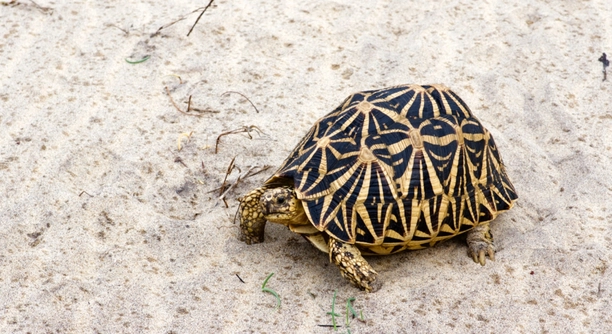
Upgrading your turtle tank doesn’t have to be expensive. With a few simple and budget-friendly ideas, you can create a comfortable and enriching environment for your pet. Small changes can make a big difference.
Affordable upgrades for your turtle tank can include adding simple décor, providing more hiding spots, improving water filtration, and ensuring proper lighting. These adjustments enhance your turtle’s well-being without breaking the bank, offering long-term benefits for their health.
Making these improvements will ensure your turtle enjoys a more vibrant and comfortable environment. Keep reading to learn practical and affordable upgrades you can implement today.
Add Natural Decorations for a More Comfortable Habitat
Adding natural elements to your turtle tank, such as rocks, driftwood, and aquatic plants, can improve both the aesthetics and function of the environment. These materials mimic a turtle’s natural habitat, providing places to hide and climb. Not only does this enhance your turtle’s well-being, but it also adds an extra layer of beauty to the tank. Opt for inexpensive items like smooth stones or simple aquatic plants. You don’t have to splurge on expensive décor to give your turtle a more enriching space.
Natural decorations can also help improve your turtle’s mental health by offering enrichment. By placing stones or plants in different areas, you encourage your turtle to explore and interact with its environment, which can prevent boredom.
As a bonus, many types of plants, such as Java fern or anacharis, are affordable and easy to care for. These plants also help filter the water, keeping it cleaner and reducing the need for frequent water changes. Consider adding a few to your tank for a healthier, more natural setting.
Upgrade the Water Filter
A good water filter is one of the best investments you can make in your turtle tank. Clean water is essential for a turtle’s health, so upgrading your filter is a cost-effective way to keep the habitat healthy.
Even a budget-friendly filter can make a huge difference in maintaining water quality. Turtles are messy creatures, and a powerful filter helps manage waste. Make sure the filter is rated for the size of your tank to ensure it runs efficiently.
The right filter can also reduce the frequency of water changes. By improving the filtration system, you create a healthier environment with less effort. This saves you both time and money, while making your turtle feel more at home. Be sure to choose a filter that is easy to clean and maintain to keep your setup running smoothly.
Invest in a UVB Light for Healthier Turtles
UVB lighting is essential for turtles to thrive. It helps them synthesize vitamin D3, which is necessary for healthy shell and bone growth. Though some turtle owners may skip this, it’s a worthwhile investment for your pet’s long-term health.
Without proper UVB exposure, your turtle may develop metabolic bone disease, a serious condition that affects their ability to move and feed properly. A UVB light is easy to install and doesn’t have to be expensive. There are many affordable options available online or in pet stores.
Ensure the light is positioned correctly to cover your turtle’s basking area. Aim for 10 to 12 hours of light per day to mimic natural sunlight. A well-lit tank boosts your turtle’s energy and helps regulate their sleep cycle, making it an important aspect of their care.
Create a Suitable Basking Area
Turtles need a designated basking area to stay healthy. This space allows them to dry off, absorb UVB light, and regulate their body temperature. The area doesn’t have to be elaborate or costly, but it must be functional.
You can create an effective basking area using simple materials like a flat rock, a floating platform, or a plastic basking ramp. Just make sure it’s sturdy and large enough for your turtle to comfortably rest on. Position the basking area near the light source to ensure your turtle can get the heat and UVB exposure it needs.
If you’re looking to keep things simple, a piece of smooth driftwood can work perfectly as a basking spot. Turtles enjoy climbing and soaking up the warmth. Consider using items you already have to make the area both functional and comfortable.
Add a Simple Substrate
Using a substrate in your turtle tank helps mimic a natural environment. It provides a soft base that your turtle can dig through and adds to the tank’s appearance. Gravel or sand works well for most turtles.
Choose a substrate that’s easy to clean. Sand is great because it doesn’t trap debris, while smooth gravel can give your turtle more traction. Be cautious with large rocks, as they can be difficult to clean and may affect water quality. Regular cleaning will keep it fresh and prevent any build-up of waste.
Provide Hiding Spots
Turtles need hiding spots to feel secure. A simple cave or shelter provides your turtle with a place to retreat when they feel stressed or want privacy. This is especially important for shy or young turtles.
Plastic or ceramic caves can be affordable and easy to clean. You can also create your own by arranging rocks or driftwood. A good hiding spot gives your turtle a sense of safety, which is key to their mental well-being.
Keep the Tank Temperature Consistent
Turtles need a stable water temperature to stay healthy. Maintaining consistent warmth in the tank will support your turtle’s immune system and encourage healthy activity. An affordable aquarium heater is a great way to regulate temperature.
Adjust the heater to maintain a range of 75-80°F (24-27°C) for most freshwater turtles. Keep a thermometer in the tank to monitor the water temperature regularly. Sudden changes can stress your turtle, so avoid placing the tank near windows or air conditioning vents.
How often should I clean my turtle tank?
Cleaning your turtle tank is crucial for maintaining a healthy environment. You should clean the tank thoroughly every 2 to 3 weeks, removing waste, leftover food, and debris. In between full cleanings, do regular spot checks and remove visible waste. Water quality is key, so it’s important to replace 25-50% of the water weekly to keep it fresh. If your tank is heavily stocked or has a smaller filtration system, you may need to clean more often.
Also, check the filter every few weeks to ensure it’s working properly. A clean tank helps prevent harmful bacteria growth, which can cause health issues for your turtle.
What do turtles eat?
Turtles are omnivores, which means they eat a mix of plant-based and animal-based foods. Their diet should include protein-rich food like insects, small fish, or pellets made for turtles, along with leafy greens and vegetables. Common vegetables include kale, collard greens, and dandelion greens. You can also offer fruits like strawberries, watermelon, and apples as treats.
It’s important to vary their diet to make sure they get all the nutrients they need. Make sure to feed your turtle a balanced diet that mimics what they’d eat in the wild. Avoid feeding them high-fat or sugary foods, as this can lead to health problems.
How do I know if my turtle is healthy?
A healthy turtle will be active, alert, and have clear eyes. Their shell should be smooth, firm, and free from cracks or soft spots. If your turtle is eating well, moving normally, and basking regularly, it’s a good sign that they are healthy.
On the other hand, signs of illness include lethargy, loss of appetite, watery eyes, shell deformities, or trouble swimming. If your turtle shows any of these signs, it’s best to consult a vet. Regular check-ups help keep your pet in good condition.
How do I keep my turtle tank warm?
Turtles need a consistent water temperature between 75-80°F (24-27°C) to stay healthy. Use an aquarium heater to regulate the temperature, ensuring it stays within this range. Place the heater at one end of the tank to create a warm side and a cooler side, which allows your turtle to choose their preferred temperature.
A thermometer is essential for monitoring the water temperature. Also, avoid placing the tank in a drafty area or near a window, as fluctuating temperatures can stress your turtle. Regular checks will ensure that the tank environment stays ideal.
Can I use tap water for my turtle tank?
Yes, you can use tap water, but it’s important to treat it first. Tap water often contains chlorine or chloramines, which can harm your turtle. You can use a water conditioner designed for aquariums to neutralize these chemicals.
If possible, use water that’s been sitting for 24 hours to allow some of the chemicals to evaporate naturally. If your tap water is too hard or has a high pH, you might need to adjust it using a water conditioner or by adding aquarium-safe products.
How much space does my turtle need in the tank?
The general rule is that you should have 10 gallons of water for every inch of your turtle’s shell length. For example, if your turtle’s shell is 4 inches long, the tank should be at least 40 gallons. This gives your turtle enough space to swim, bask, and explore.
A larger tank also allows you to add more decorations, plants, and hiding spots, which can reduce stress and provide enrichment. Keep in mind that turtles grow over time, so make sure to account for their adult size when choosing a tank.
How do I know if my turtle is stressed?
Turtles can become stressed due to poor water quality, temperature fluctuations, or inadequate hiding spots. Signs of stress include abnormal behavior such as excessive basking, swimming in circles, or refusing to eat.
Stress can also lead to health issues like shell rot or poor growth. To reduce stress, make sure your turtle has a clean, safe, and stable environment. Providing ample hiding spots and maintaining proper water conditions will help keep your turtle comfortable and happy.
Can turtles live with other animals?
Turtles can live with other animals, but it depends on the species. Some turtles are territorial and may not get along with other turtles or animals in the tank. It’s important to choose tank mates carefully. Avoid keeping turtles with aggressive fish, as they may harm each other.
If you plan to house different species together, make sure they have enough space and hiding spots to reduce potential conflict. Always monitor their interactions and remove any animals that seem to be causing stress or harm.
How can I provide UVB light for my turtle?
Providing UVB light for your turtle is essential for their health. UVB helps them produce vitamin D3, which is necessary for strong bones and shell development. You can buy a UVB light specifically designed for reptiles, which should be placed above the basking area.
Keep the light on for about 10-12 hours a day, mimicking natural sunlight. Make sure the light is the proper strength for your tank size. Replace the bulb every 6-12 months, as UVB output decreases over time, even if the bulb still looks bright.
Final Thoughts
Upgrading your turtle tank doesn’t have to be expensive. With just a few simple and affordable changes, you can create a healthier, more comfortable environment for your pet. Basic additions like a proper substrate, hiding spots, and a clean filtration system can improve your turtle’s life in significant ways. Each upgrade, whether big or small, contributes to a more natural and stress-free habitat.
Paying attention to water quality, temperature, and tank size will also go a long way in keeping your turtle healthy. Regular tank maintenance, including water changes and checking for waste buildup, ensures your turtle’s environment remains clean and safe. A properly regulated temperature and enough space for swimming can help prevent stress and encourage natural behaviors. Your turtle’s well-being depends largely on the environment you provide.
Even small changes, like adding plants, improving lighting, or offering different types of food, can make a noticeable difference. Over time, you’ll notice your turtle becoming more active and comfortable in their space. It’s important to keep learning and adjusting as your turtle grows and their needs evolve. With a little effort, you’ll create a thriving environment that supports their health and happiness for years to come.

Hello,
If you enjoy the content that we create, please consider saying a "Thank You!" by leaving a tip.
Every little bit helps us continue crafting quality advice that supports the health, happiness, and well-being of pets around the world, for pets of all shapes, sizes, and species.
We really appreciate the kindness and support that you show us!