
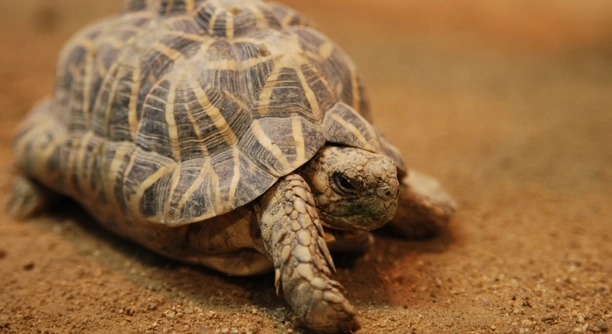
Turtles are fascinating creatures, and observing their behavior can raise some questions. One common concern is when a turtle blows water out of its nose. This action may seem unusual, but it can happen for various reasons.
Turtles often expel water from their noses as part of their normal breathing or to clear excess water after submerging. This is particularly common when they are adjusting to a new environment or during feeding.
Understanding why this occurs is important for your turtle’s well-being. Proper care and observation can help you ensure they remain healthy and comfortable in their habitat.
Why Do Turtles Blow Water Out of Their Nose?
Turtles often blow water out of their noses as a normal response to water intake or environmental changes. When turtles dive into the water, they typically inhale, and after resurfacing, they exhale the excess water from their lungs and nostrils. This is a natural function to help them breathe comfortably. It’s similar to humans clearing their noses after swimming.
Additionally, this behavior can happen when they are stressed, such as when they are handled or moved to a new tank. Turtles rely on their nasal passages to regulate water intake, and blowing water is a way to expel excess moisture. It’s not always a sign of distress, but if it happens frequently, it’s worth monitoring.
If you notice your turtle blowing water more than usual, it may also indicate a potential health issue like a respiratory infection. However, most of the time, this is just a sign that they are clearing out water. A well-maintained tank with clean water can reduce any concerns over frequent water-blowing behavior.
Should You Be Concerned About This?
Turtles are very sensitive to their environment, and their behavior reflects that. When they feel the need to expel water, it’s often because of simple things like feeding or adjusting to their space.
While occasional water-blowing is normal, observe the frequency. If your turtle seems lethargic or has difficulty breathing, you might need to check their water quality or consult a vet.
Tank Conditions and Water Quality
Turtles need clean water to stay healthy, and poor water quality can lead to stress or discomfort. If the water in their tank isn’t properly filtered, it may cause them to blow water out of their noses more frequently. Water should be changed regularly to prevent the buildup of harmful bacteria.
Contaminated water can irritate a turtle’s nasal passages, causing them to expel water as a way to clear their airways. Make sure the tank has a good filtration system to keep the water clean and safe. Inadequate filtration can result in higher bacteria levels, leading to respiratory problems.
To prevent this, check your water parameters regularly. Ensure the water temperature, pH, and hardness are within the recommended range for your turtle species. Proper filtration and regular water changes can improve your turtle’s comfort and reduce water-blowing behavior. You’ll notice a healthier and more active turtle as a result.
Respiratory Infections
Respiratory infections are a concern if a turtle is expelling water too often, especially if it’s accompanied by other signs like lethargy or nasal discharge. These infections can develop when a turtle’s immune system is compromised due to environmental stressors, such as cold temperatures or poor water quality.
If you suspect a respiratory infection, it’s crucial to act quickly. Turtles can develop pneumonia if not treated in time, which could be fatal. Infected turtles may also show signs of wheezing or have difficulty breathing. If you notice any of these symptoms, it’s best to consult a vet immediately.
Proper heating in the tank can help avoid these conditions. Turtles rely on external heat sources to regulate their body temperature, so a consistent warmth can boost their immune system and prevent respiratory issues. Ensuring the tank’s temperature is appropriate can help keep infections at bay.
Feeding Behavior
Turtles may expel water when feeding, especially if they take in too much water while eating. This is common when they eat food while submerged, leading to water being expelled through their nose. It’s simply their way of clearing excess moisture.
This behavior isn’t harmful unless it happens excessively during feeding times. If you notice your turtle expelling water often while eating, consider offering food out of the water or monitoring how much water they take in. Adjusting their feeding routine can reduce this behavior, making them more comfortable.
Tank Size and Space
A cramped tank can lead to stress, causing a turtle to expel more water. Turtles need plenty of room to move around and feel secure. Without adequate space, they may behave in ways like blowing water to release stress or discomfort.
Providing a larger tank with more space for your turtle to swim will help them feel less confined. When turtles have room to move freely, they are less likely to expel water from their nose out of stress. A larger space leads to happier, healthier turtles overall.
FAQ
Why does my turtle blow water out of its nose?
Turtles blow water out of their noses as a natural way of clearing excess water after diving or breathing. This helps them expel any water that might have entered their nostrils or lungs while submerged. It’s often seen when they surface for air. If it happens occasionally, it’s a normal behavior. However, frequent or unusual behavior could indicate stress or a respiratory infection, so it’s essential to monitor the situation.
Is it normal for my turtle to blow water after eating?
Yes, it’s completely normal for turtles to blow water after eating, especially if they were submerged while eating. Turtles tend to inhale small amounts of water while eating, and they blow it out afterward. If this happens occasionally, there’s no need to be concerned. Just ensure your turtle is eating in a safe, controlled environment.
How do I know if my turtle has a respiratory infection?
Signs of a respiratory infection in turtles include frequent water expulsion, labored breathing, wheezing, nasal discharge, or lethargy. If your turtle shows these symptoms, it’s best to consult a vet as soon as possible. Respiratory infections can worsen quickly if left untreated. The earlier you address it, the better the chances of recovery.
Can poor water quality cause my turtle to blow water out of its nose?
Yes, poor water quality can irritate a turtle’s respiratory system. Contaminated or dirty water can cause a turtle to blow water more frequently, as they may be attempting to clear their nasal passages. To prevent this, ensure you change the water regularly and use a proper filtration system to keep the tank clean.
What should I do if my turtle blows water excessively?
If your turtle is blowing water excessively, it’s essential to assess its tank environment first. Make sure the water quality is good, the tank temperature is appropriate, and the turtle has enough space to move around. If these factors are in check and the behavior continues, consider a vet checkup to rule out any underlying health issues.
Can stress cause my turtle to blow water from its nose?
Yes, stress can lead to excessive water expulsion. A turtle might feel stressed due to cramped living spaces, unfamiliar environments, or being handled too often. When stressed, turtles may engage in behaviors like blowing water or even hiding. Ensuring your turtle has a calm, secure environment can help reduce stress and the associated behavior.
Should I be concerned if my turtle blows water when swimming?
It’s usually not a concern if your turtle blows water while swimming. Turtles naturally expel water after diving to regulate their breathing. However, if the behavior is excessive or combined with other symptoms like difficulty swimming or wheezing, it may be time to check for a respiratory infection or tank issues.
How can I improve my turtle’s tank to prevent excessive water-blowing?
To improve your turtle’s tank environment, focus on water quality, temperature, and space. Clean, filtered water reduces the risk of respiratory issues. A proper water heater keeps the temperature at a safe level, and a larger tank gives your turtle room to move freely, helping to reduce stress.
Is there a specific diet that helps reduce water-blowing behavior?
While a proper diet is crucial for your turtle’s overall health, it’s unlikely to have a direct effect on water-blowing behavior. However, feeding your turtle in a separate area from its swimming space or ensuring they aren’t eating too quickly may help prevent the behavior.
Can my turtle’s age affect how often it blows water?
Older turtles may blow water more often if they have developed respiratory sensitivity over time, or if their immune systems have weakened. In general, younger turtles tend to clear water without issue. Ensuring your turtle has proper care throughout its life is essential to reduce age-related health issues, including those affecting breathing.
What’s the best way to handle a turtle that blows water out of its nose a lot?
If you notice excessive water-blowing, first check the tank’s water quality, temperature, and cleanliness. These are often the simplest fixes. If the behavior persists, consider adjusting the turtle’s diet or feeding routine. If none of these steps work, visit a vet to rule out possible health problems.
Can my turtle’s shell health affect its breathing or water-blowing behavior?
A turtle’s shell health typically doesn’t directly affect its water-blowing behavior. However, if your turtle is unwell or has a weakened immune system due to shell or overall health issues, it may be more prone to respiratory infections, which can lead to excessive water-blowing. Regularly checking your turtle’s shell for damage or infections is a good practice for overall health.
How can I tell if my turtle is stressed and causing water-blowing?
Signs of stress in turtles include excessive hiding, pacing in the tank, and blowing water frequently. If you observe any of these behaviors, consider evaluating your turtle’s tank for stressors such as overcrowding, lack of hiding spots, or frequent handling. Reducing stress can often resolve the water-blowing issue.
How often should I clean my turtle’s tank to avoid excessive water-blowing?
Regular tank maintenance is crucial to preventing excessive water-blowing. Clean your turtle’s tank at least once a week, and replace the water every few days to keep it fresh. Using a good filtration system will help maintain water quality between cleanings, reducing the chances of respiratory issues and excessive water-blowing.
Does temperature play a role in my turtle’s water-blowing behavior?
Yes, if the water temperature is too cold or too hot, it could affect your turtle’s breathing and cause stress, which may lead to more frequent water-blowing. Ensure that the tank water is kept at an appropriate temperature for the species of turtle you have, as temperature regulation is essential for their health and comfort.
Final Thoughts
Turtles expelling water through their nose is a common and natural behavior. It usually happens when they dive underwater, and it’s their way of clearing excess water from their nostrils. While this is often harmless, it’s important to monitor your turtle for any signs of distress or illness. If you notice excessive water blowing, it could be a sign of stress or respiratory issues. Keeping the tank clean and ensuring proper water quality can help prevent some of these problems. If the behavior seems abnormal or continues, a vet visit may be needed.
The environment your turtle lives in plays a significant role in its health and behavior. Turtles that are stressed due to poor tank conditions, such as overcrowding or inadequate water quality, may blow water more frequently. A well-maintained tank with clean, filtered water and an appropriate temperature can reduce stress and improve your turtle’s well-being. Additionally, giving your turtle plenty of space to move around and swim will help prevent behaviors caused by confinement, which may include excessive water blowing. A calm environment is crucial for maintaining your turtle’s comfort and overall health.
Regular care and observation are essential to ensure that your turtle stays healthy and happy. If your turtle is blowing water from its nose frequently or exhibiting any signs of illness, taking action quickly can prevent the issue from worsening. Keep an eye on your turtle’s behavior, the tank’s water quality, and its general health. By addressing any problems early on, you can help your turtle live a long, healthy life. If necessary, don’t hesitate to seek professional advice from a veterinarian to address any concerns and ensure your turtle gets the best care possible.

Hello,
If you enjoy the content that we create, please consider saying a "Thank You!" by leaving a tip.
Every little bit helps us continue crafting quality advice that supports the health, happiness, and well-being of pets around the world, for pets of all shapes, sizes, and species.
We really appreciate the kindness and support that you show us!