
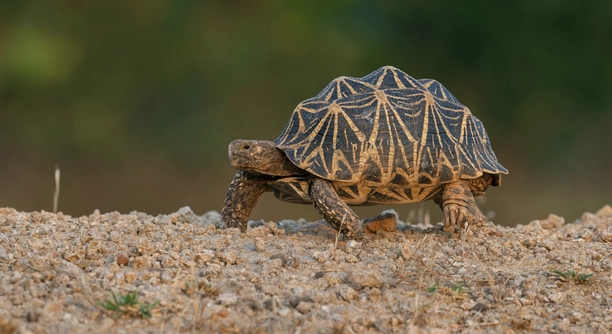
Turtles may scratch at their shells for various reasons, but understanding the cause can help you address the behavior. This article will explore some common reasons for this behavior and offer tips on how to manage it.
Turtles scratching at their shells can indicate discomfort due to factors like shedding, skin irritation, or even a lack of environmental enrichment. These behaviors are often linked to stress or physical needs, and can be resolved with proper care.
By understanding why your turtle scratches at its shell, you can improve its overall health and well-being. Keep reading to find out how you can address this issue and ensure your turtle’s comfort.
Common Reasons for Scratching at Their Shell
Turtles scratching at their shells is often a natural behavior, particularly during shedding. As they grow, their outer layer of scutes (the hard plates on their shells) needs to be replaced. This process can cause itching or discomfort, prompting the turtle to scratch. However, scratching may also result from other factors, including poor environmental conditions, such as water quality or humidity, which can irritate their skin and lead to excessive scratching.
If your turtle is scratching frequently, it’s important to examine its habitat. Check for signs of skin problems or irritations, and make sure the water temperature and conditions are suitable for your turtle’s species. Also, ensure that the basking area is adequate for your turtle’s needs.
Scratching could be a sign of stress, often related to a lack of stimulation or improper care. If the environment isn’t enriching enough, your turtle may scratch as a way to cope. Providing a varied habitat with hiding spaces, water filtration, and regular basking opportunities can improve the situation.
How to Improve Your Turtle’s Environment
A good environment is key to reducing unnecessary scratching. Ensure your turtle’s habitat includes clean, properly filtered water, appropriate temperature levels, and a proper basking spot. Water quality is a major factor; dirty water can lead to skin problems that cause itching.
Creating a balanced habitat encourages healthy behavior. A turtle needs to have the right amount of space to swim and explore, along with a reliable basking area where it can dry off and warm up. Regularly cleaning the tank is also essential to maintain a healthy environment.
By focusing on these areas, you can help your turtle live comfortably and reduce the frequency of scratching. Proper tank care ensures that your turtle feels safe and supported, reducing stress and the behaviors associated with it. A little extra attention to detail can go a long way in promoting their well-being.
Skin Irritation and Infections
Skin irritation is a common cause of scratching. If your turtle’s shell or skin becomes inflamed, it might scratch to relieve discomfort. Bacteria or fungal infections can also lead to redness, swelling, or scabs on the skin, prompting the turtle to scratch.
To prevent infections, keep the water clean and ensure it is properly filtered. Regularly check your turtle for signs of skin damage or irritation. A turtle’s shell should be smooth, and any rough or flaky areas could signal a problem. If you notice swelling or discoloration, it’s important to consult a vet to address any potential infections before they worsen.
Keeping the tank environment stable is critical in avoiding these issues. Turtles are sensitive to water quality, and poor conditions can exacerbate skin irritations. Make sure the water temperature is within the appropriate range for your turtle’s species, and ensure regular water changes. Proper basking areas help dry the skin and prevent excess moisture, which can lead to fungal infections.
Shedding
Turtles shed their scutes as part of a natural growth process. During shedding, they might scratch at their shells to remove the old scutes. This is completely normal, especially for younger turtles that grow rapidly.
If your turtle is scratching more during certain times of the year, it could be related to the shedding cycle. Ensure that your turtle has access to areas where it can rub against rough surfaces, like rocks or aquarium decorations. These surfaces help them shed old skin layers naturally.
Providing your turtle with an environment that promotes healthy shedding is essential. Make sure they have plenty of space to move around and bask, as both help maintain a smooth, healthy shell. A balanced diet rich in vitamins and minerals will also support the shedding process and overall shell health.
Stress
Stress can cause a turtle to scratch at its shell. Turtles are sensitive creatures, and if they feel threatened, uncomfortable, or overstimulated, they may begin scratching as a coping mechanism. It’s important to identify stressors in their environment to prevent this behavior.
Overcrowding, sudden changes in the habitat, or too much handling can stress out a turtle. If the tank is too small or noisy, it may also trigger this behavior. Stress can lead to other health issues, so providing a peaceful, stable environment is crucial for your turtle’s well-being.
Diet and Nutrition
A poor diet can also lead to excessive scratching. Turtles need a balanced diet that includes the right amount of vitamins and minerals. A lack of essential nutrients can cause skin issues, leading to itching and scratching.
Ensure that your turtle is getting a varied diet that includes leafy greens, proteins, and the right calcium supplements. If their diet is lacking in nutrients, it could lead to a weakened shell or skin, causing your turtle to scratch. A healthy diet supports their overall health and helps prevent skin problems.
Water Quality
Poor water quality is one of the main causes of skin irritation in turtles. Dirty water can harbor bacteria, which may lead to infections that make your turtle scratch. Regular water changes are essential to keep the environment clean.
FAQ
Why is my turtle scratching at its shell?
Scratching at the shell is common, especially during shedding. It can also be caused by skin irritation, infections, stress, or environmental factors. Turtles may scratch to remove old skin, relieve discomfort, or as a response to an unhealthy environment. It’s important to observe if your turtle is showing other signs, like swelling or discoloration, and adjust its care accordingly.
How can I stop my turtle from scratching?
To stop excessive scratching, ensure that your turtle’s environment is clean and stable. Maintain proper water temperature and filtration, and provide a basking spot for your turtle. Keep its diet balanced to support healthy skin. Regularly check for any signs of infections or injury. If scratching persists, consider consulting a vet.
Can stress cause my turtle to scratch more?
Yes, stress can increase scratching. Turtles are sensitive to changes in their environment, such as overcrowding, sudden changes in water temperature, or excessive handling. Try to reduce any stress factors by providing a calm, stable habitat with proper tank conditions. Less stress will help your turtle feel more secure and less likely to scratch.
How do I know if my turtle has an infection?
Signs of infection in turtles include swollen or discolored skin, unusual discharge, or open wounds. If you notice these symptoms, it’s best to take your turtle to the vet as soon as possible. Infections, if untreated, can lead to more serious health issues. Regularly check your turtle’s skin and shell for abnormalities.
What kind of food should I feed my turtle to prevent scratching?
To prevent scratching caused by poor nutrition, feed your turtle a varied diet that includes leafy greens, proteins like insects, and the right supplements, especially calcium. This supports healthy shell growth and prevents nutritional deficiencies that could lead to skin or shell problems. A balanced diet helps avoid unnecessary scratching and promotes overall health.
Can poor water quality cause my turtle to scratch?
Yes, poor water quality is one of the main causes of skin irritation in turtles. Dirty water can harbor bacteria or fungi that lead to infections, causing scratching. Ensure the water is filtered, changed regularly, and maintained at the proper temperature. Testing water parameters like pH and ammonia levels regularly is essential for keeping your turtle safe from skin issues.
Is it normal for my turtle to scratch when shedding?
Yes, it is completely normal for turtles to scratch during shedding. As they grow, they need to shed old scutes (the hard outer shell plates), and scratching is part of the process. This behavior helps them remove the old layers, especially if they have access to rough surfaces that assist in shedding. Make sure your turtle has appropriate areas to rub against during this process.
What are the best tank conditions for my turtle?
To keep your turtle healthy and reduce scratching, maintain proper tank conditions. The water temperature should be appropriate for the species, generally between 75-80°F (24-27°C). Make sure the water is filtered to prevent buildup of harmful bacteria. Include a basking area where your turtle can dry off and warm up, which is also important for its shell health.
Can my turtle’s scratching be a sign of a deeper issue?
If your turtle’s scratching seems excessive or accompanied by other symptoms like swollen areas, changes in eating habits, or lethargy, it could be a sign of a deeper issue. Conditions such as shell rot, infections, or metabolic bone disease may cause discomfort, leading to scratching. Early detection is important, so monitor your turtle closely and seek a vet’s advice if necessary.
What is the role of UVB lighting in preventing scratching?
UVB lighting is essential for turtles because it helps them metabolize calcium, which is important for shell and bone health. A lack of UVB light can cause calcium deficiency, leading to shell problems that may cause scratching. Ensure your turtle has access to UVB lighting for about 10-12 hours a day to support its health.
How often should I change my turtle’s water?
Water should be changed regularly to prevent the buildup of waste and bacteria. Depending on the size of the tank and the number of turtles, aim to change 25-50% of the water once a week. For better water quality, invest in a good filtration system and monitor the water’s pH, ammonia, and nitrate levels. Regular maintenance will help prevent skin irritations and scratching.
Can temperature fluctuations cause scratching?
Yes, temperature fluctuations can lead to stress and skin irritation, causing your turtle to scratch. Turtles require a stable water temperature to stay healthy. If the water is too cold, it can lead to a weakened immune system and increase the risk of skin issues. Keep the water temperature within the ideal range for your turtle’s species.
Is it safe for my turtle to have rough surfaces in its tank?
Yes, rough surfaces in the tank, like rocks or logs, can help your turtle shed scutes and prevent excessive scratching. These surfaces allow your turtle to rub against them, helping to remove old skin layers naturally. Just make sure the surfaces are not too sharp, as they could cause injury to your turtle’s soft skin.
Should I handle my turtle less if it’s scratching a lot?
If your turtle is scratching excessively, reducing handling might help. Handling can be stressful for turtles, especially if they are already uncomfortable. Giving your turtle space to relax and adjust to its environment will reduce stress and might help alleviate the scratching behavior. Let it acclimate to its habitat without interference for a while.
Can excessive scratching lead to shell damage?
Yes, excessive scratching can lead to shell damage if the underlying cause isn’t addressed. Prolonged scratching could wear down the shell or cause abrasions, making it more vulnerable to infections. If your turtle is scratching continuously, it’s essential to identify the root cause, whether it’s skin irritation, environmental stress, or diet-related. Taking action early can help prevent further damage.
Is there a specific type of turtle that scratches more than others?
While all turtles may scratch at their shells, certain species are more prone to scratching due to their natural behavior or habitat needs. For example, aquatic turtles may scratch more often because they frequently rub against surfaces in the water to remove old scutes. Each species has different shedding patterns, so scratching can be more noticeable in some turtles than others.
Can scratching be a sign of boredom?
Yes, scratching can sometimes be a sign of boredom. Turtles are active creatures, and if they don’t have enough space to explore or things to interact with, they might resort to scratching as a way to cope. Providing your turtle with more enrichment, such as climbing structures, hiding spots, and varying tank decorations, can reduce this behavior.
Final Thoughts
Turtles scratching at their shells is a common behavior and can often be attributed to natural processes like shedding. However, when scratching becomes excessive or is accompanied by other symptoms, it’s important to consider the environment and overall health of your turtle. Environmental stressors, poor water quality, or even skin infections can all contribute to this behavior. By carefully monitoring the conditions in your turtle’s habitat, you can help reduce the chances of excessive scratching.
A healthy diet plays a crucial role in preventing skin and shell problems. Offering a balanced diet with the right nutrients, such as calcium and vitamins, helps maintain strong shells and reduces the likelihood of scratching caused by nutritional deficiencies. It’s also essential to ensure your turtle has access to UVB lighting for proper calcium absorption. Without this, your turtle may experience weak shells, leading to more scratching or discomfort. Regularly check your turtle’s overall health and make adjustments to its diet and environment as needed.
Finally, it’s important to remember that sometimes scratching is simply a normal part of your turtle’s routine, especially during shedding. However, if the behavior becomes frequent or causes visible harm, seeking advice from a vet is recommended. The health and comfort of your turtle depend on a balanced environment, proper nutrition, and regular observation. Taking proactive steps to care for your turtle can help it live a longer, happier life without excessive scratching or discomfort.

Hello,
If you enjoy the content that we create, please consider saying a "Thank You!" by leaving a tip.
Every little bit helps us continue crafting quality advice that supports the health, happiness, and well-being of pets around the world, for pets of all shapes, sizes, and species.
We really appreciate the kindness and support that you show us!