
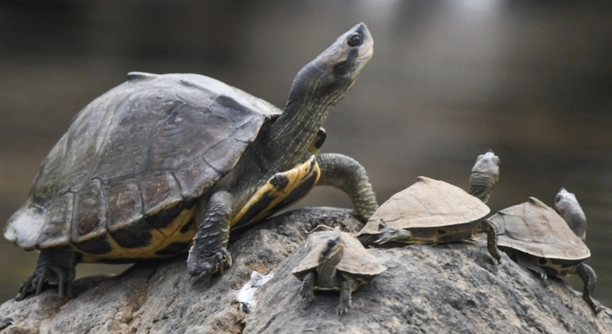
Finding the right tank for your Indian Roofed Tortoise can feel overwhelming, especially when you’re working with a budget. However, with some research and understanding, you can make a smart choice that benefits both your pet and your wallet.
Selecting a tank for your Indian Roofed Tortoise should focus on size, ventilation, and ease of cleaning, while remaining affordable. Consider glass or plastic tanks with secure lids, and be sure to choose one with adequate space for your tortoise’s growth and activity.
Understanding these aspects will help ensure your tortoise enjoys a safe and comfortable environment, without breaking the bank. Let’s explore the best options available for you.
Best Tank Sizes for Indian Roofed Tortoises
When choosing the right tank size for your Indian Roofed Tortoise, it’s important to ensure there’s enough room for it to move around comfortably. A general rule is to choose a tank that provides a minimum of 40 gallons of space for an adult tortoise. This allows the tortoise to roam and explore its environment, which is essential for its physical and mental health. For younger tortoises, a smaller tank may be sufficient, but as they grow, upgrading to a larger one will be necessary.
A tank that’s too small can cause stress and lead to health issues, as the tortoise won’t have enough space to exercise. Larger tanks are also easier to manage when it comes to providing proper lighting and heating, which are essential for your tortoise’s well-being. Ensure that the tank you choose offers sufficient floor space, as tortoises typically need space to explore, eat, and rest.
In addition to providing ample space, consider the shape of the tank. Rectangular tanks are ideal because they allow for better air circulation and even heat distribution. If you’re on a budget, a large plastic storage container can be a great alternative.
Types of Tanks to Consider
When shopping for a budget-friendly tank, there are a few options you can explore. Glass aquariums are commonly used and offer good visibility, but they can be heavy and difficult to move.
Plastic containers are a more affordable and lighter option, making them easier to handle and clean. They’re also less prone to breaking. However, be mindful that plastic may scratch over time, affecting the tank’s appearance.
Tank Material Options
When choosing a tank material, consider durability, weight, and ease of cleaning. Glass tanks are popular due to their clarity but can be heavy. Plastic tanks are lightweight and affordable, but may scratch over time.
A glass tank provides great visibility for watching your tortoise, but it can also trap heat, which may require extra ventilation. If you opt for glass, make sure the tank has a secure lid to prevent escape. On the other hand, plastic tanks are easier to handle, but ensure they are made from non-toxic materials. Over time, they can develop scratches, which might affect the aesthetics of the tank.
It’s essential to maintain a balance between durability and weight. The tank should be sturdy enough to last but light enough for easy maintenance and relocation. Consider your space and how often you’ll need to clean or move the tank, as these factors will affect your choice in material.
Tank Lids and Security
A secure lid is crucial for preventing your tortoise from escaping. Since Indian Roofed Tortoises can be surprisingly nimble, you need a lid that can safely contain them.
The best lids are secure, preferably with locks or clamps to keep them tightly in place. Consider mesh lids for proper ventilation, as this helps maintain the right humidity and temperature levels inside the tank. The mesh also ensures your tortoise has adequate airflow, preventing overheating. Additionally, make sure the lid is easy to remove when you need to clean the tank or make adjustments.
Tank Heating and Lighting
Proper heating and lighting are vital for your tortoise’s health. Make sure the tank has a heat source to mimic the natural environment.
A heat lamp or ceramic heat emitter can be used to provide warmth during the day. Position the lamp at one end of the tank to create a temperature gradient, allowing the tortoise to regulate its body temperature. Be sure to monitor the temperature closely to avoid overheating.
UVB lighting is also essential for calcium absorption and overall health. Make sure to install a UVB bulb that covers the tank’s full length, ensuring your tortoise gets adequate exposure.
Tank Substrate
Choosing the right substrate helps maintain a clean and comfortable environment. A natural option like coconut coir or cypress mulch works well.
Avoid using sand or gravel, as it can be harmful to your tortoise if ingested. Instead, opt for materials that allow for easy cleaning while also retaining moisture to regulate humidity levels inside the tank.
Tank Accessibility and Maintenance
Make sure the tank is easy to clean and access. You’ll need to remove waste and replace the substrate regularly.
Choose a tank with wide doors or an easily removable lid. This will make it simpler to reach the tortoise and clean the tank without causing too much disturbance.
FAQ
How much space does my Indian Roofed Tortoise need in its tank?
Your Indian Roofed Tortoise should have at least 40 gallons of space as an adult. This will allow it to move freely, explore, and enjoy a comfortable habitat. A larger tank is even better as it provides more room for your tortoise to grow and be active. For younger tortoises, a smaller tank may suffice, but upgrading is necessary as they grow.
Can I use a plastic storage container as a tank for my tortoise?
Yes, a plastic storage container can work well as an affordable and lightweight alternative to a traditional tank. Make sure it’s large enough to accommodate your tortoise comfortably and has a secure lid. Ensure the container is made of non-toxic material to avoid any health risks. While it may not be as visually appealing as glass, it provides an effective space for your tortoise.
What type of lighting is needed for my tortoise tank?
UVB lighting is crucial for your tortoise’s health, as it helps with calcium absorption and promotes proper shell growth. A UVB bulb should cover the length of the tank. Additionally, you’ll need a heat lamp or ceramic heat emitter to maintain the proper temperature gradient inside the tank. This allows your tortoise to regulate its body temperature, which is essential for its well-being.
How often should I clean my tortoise’s tank?
You should clean the tank at least once a week, removing waste and replacing the substrate to maintain a healthy environment. Spot cleaning can be done daily to remove any feces or uneaten food. Depending on the type of substrate you use, you may need to replace it completely every few weeks to prevent bacterial growth and unpleasant odors.
What substrate is best for my Indian Roofed Tortoise’s tank?
Coconut coir or cypress mulch are good options for substrate. They are natural, easy to clean, and help maintain the right humidity levels in the tank. Avoid sand or gravel as they can be harmful to your tortoise if ingested. Make sure to avoid any substrates that could mold or irritate your tortoise’s skin.
Is it okay to use a glass aquarium for my tortoise?
A glass aquarium can work well for your tortoise, but it has its drawbacks. While glass provides excellent visibility and allows you to watch your tortoise, it can trap heat, making it harder to regulate the temperature inside the tank. If you choose a glass tank, be sure to have proper ventilation and a heat source to maintain a healthy environment.
How do I set up the heat gradient in the tank?
To create a heat gradient, place a heat lamp or ceramic heat emitter at one end of the tank. This allows the tortoise to choose between a warm area and a cooler area, depending on its needs. The warm side should be around 90°F (32°C), and the cool side should be around 75°F (24°C). This gradient helps regulate your tortoise’s body temperature.
Do I need a lid for the tank?
Yes, a secure lid is essential to keep your tortoise safe and prevent it from escaping. Tortoises are surprisingly good at climbing and can find ways to escape if the tank isn’t properly secured. A mesh or solid lid also helps with ventilation, ensuring proper airflow and temperature control. Make sure the lid is sturdy and has locks or clamps for added security.
Can I keep my tortoise outdoors in a pen instead of a tank?
Yes, an outdoor pen can be a good option for your tortoise, especially during warmer months. The pen should be secure, provide shade, and allow the tortoise to move freely. However, it’s important to bring your tortoise indoors during extreme temperatures or bad weather. Outdoor pens require extra care to ensure that predators can’t access the tortoise.
What is the ideal humidity level for my tortoise’s tank?
The humidity level for your Indian Roofed Tortoise should be around 50-60%. Maintaining the right humidity is essential for healthy skin and shell growth. You can regulate humidity by using a misting system or a humidifier in the tank. Monitor humidity levels regularly with a hygrometer, and adjust as needed to ensure a comfortable environment for your tortoise.
How do I know if my tortoise is getting enough UVB light?
To ensure your tortoise is getting enough UVB light, make sure the UVB bulb covers the full length of the tank and is positioned within 6-12 inches of the tortoise. The UVB bulb should be replaced every 6-12 months, as it loses effectiveness over time. Your tortoise should also have access to natural sunlight when possible.
What is the best type of tank for a budget?
For a budget-friendly option, plastic storage containers or plastic reptile tanks are a great choice. These tanks are lightweight, affordable, and can be easily cleaned. While glass tanks are clear and offer better visibility, they tend to be more expensive and heavier. A plastic container with a secure lid will provide everything your tortoise needs while keeping costs low.
How do I maintain proper temperature in the tank during winter?
In winter, you may need to use a ceramic heat emitter or heat mat to maintain the proper temperature inside the tank. Ensure the heat source doesn’t overheat the tank. Additionally, if the room temperature drops significantly, consider using a space heater or a heat lamp to maintain the necessary warmth for your tortoise’s habitat. Keep the tank in a place where drafts won’t cool it down.
What should I feed my Indian Roofed Tortoise?
Indian Roofed Tortoises are herbivores and should primarily be fed leafy greens, grasses, and some vegetables. Foods like dandelion greens, clover, and collard greens are ideal. You can occasionally provide small amounts of fruit, but avoid feeding too much as it can cause digestive issues. Always ensure fresh water is available.
Final Thoughts
Choosing the right tank for your Indian Roofed Tortoise is an important step in creating a comfortable and healthy environment for them. There are several options available that cater to different budgets and space requirements, from glass aquariums to plastic storage containers. The size and setup of the tank are critical factors in ensuring your tortoise has enough space to move around and maintain a good quality of life. Providing proper lighting, temperature, and humidity control within the tank is essential for their overall health and well-being. With the right care, your tortoise can thrive in a well-maintained habitat.
When selecting a tank, always consider your tortoise’s growth potential. As they mature, they will need more space, so it’s wise to invest in a tank that accommodates their future size. The tank should also be secure enough to prevent escapes, as Indian Roofed Tortoises can be surprisingly resourceful. Regular cleaning is another aspect to keep in mind. A clean tank ensures your tortoise remains healthy and reduces the risk of infections. It’s also important to monitor the temperature and humidity levels to mimic their natural environment, which helps in proper digestion and shell development.
In the end, the key to a healthy tortoise is a balance of space, proper lighting, and the right tank setup. While there are many options to choose from, it’s crucial to prioritize the well-being of your tortoise. Investing in a larger tank with sufficient lighting and heating is one of the best things you can do for them. Regular maintenance and a commitment to providing the best environment will ensure that your Indian Roofed Tortoise remains happy and healthy for years to come.

Hello,
If you enjoy the content that we create, please consider saying a "Thank You!" by leaving a tip.
Every little bit helps us continue crafting quality advice that supports the health, happiness, and well-being of pets around the world, for pets of all shapes, sizes, and species.
We really appreciate the kindness and support that you show us!