
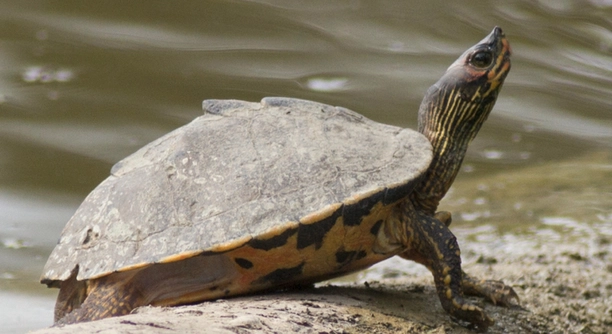
Many tortoise owners notice their Indian roofed tortoise scratching at the glass of their enclosure. It can be puzzling to figure out why this behavior occurs. Understanding the reason behind this action can help you address the issue.
The most common reason for scratching is that your tortoise is trying to find a way out. This behavior is driven by its instinct to explore its surroundings and find a more comfortable or suitable habitat.
Understanding why your tortoise scratches can help you make the necessary changes to improve its living environment.
Reasons Behind the Scratching Behavior
Your Indian roofed tortoise may scratch the glass because it’s trying to escape or find more space. Tortoises are naturally curious creatures, and this behavior is often linked to the instinct to explore and expand their habitat. The scratching can happen when the tortoise feels confined or uncomfortable in its enclosure.
The enclosure might not be providing enough stimulation or space for your tortoise, causing it to exhibit restless behavior. It’s essential to ensure the tank is appropriately sized, with enough room for movement and exploration. Tortoises also scratch when they sense a change in their environment, such as different lighting or temperature.
Providing enrichment in the form of hiding spots, climbing structures, or digging areas can help satisfy your tortoise’s natural behaviors. Additionally, ensure the temperature and humidity levels match your tortoise’s needs. By addressing these factors, you can create a more comfortable environment for your pet.
Environmental Changes to Consider
Sometimes, a small adjustment can make all the difference.
Tortoises thrive in an environment that mimics their natural habitat. If their enclosure lacks variety or feels too sterile, they may scratch the glass as a sign of frustration. Regularly updating their setup by adding plants, rocks, or even changing their lighting can help reduce this behavior.
Space and Size of the Enclosure
If your tortoise’s enclosure is too small, scratching at the glass may be a sign of stress. A cramped space doesn’t allow them to move freely, which could lead to frustration. Providing enough room for them to roam and explore is essential for their well-being.
The recommended minimum size for an Indian roofed tortoise enclosure is at least 40 gallons for one adult tortoise. However, a larger tank or outdoor pen is even better. It’s important to ensure there’s enough space for your tortoise to walk around, bask in the warmth, and retreat to hiding spots when it feels stressed. A cramped space could lead to constant scratching as your tortoise looks for a way to escape or find relief.
Additionally, make sure the tank is vertically spacious enough for your tortoise to climb and move around. Having a combination of flat areas and elevated platforms can simulate a more natural environment and help reduce the glass-scratching behavior.
Enclosure Temperature and Humidity
Maintaining proper temperature and humidity is crucial for your tortoise’s comfort.
Indian roofed tortoises require a warm environment with a basking area reaching around 90°F and a cooler side with temperatures between 75-80°F. If these temperatures aren’t consistent, your tortoise may feel uncomfortable and attempt to escape its enclosure by scratching. Humidity levels should also be carefully managed, ideally ranging from 50-60%. Low humidity can lead to dehydration and affect the tortoise’s overall health, while improper humidity may make the tortoise restless.
Check the temperatures regularly with a thermometer, and adjust the heating lamps accordingly. If the humidity is too low, you can increase it by misting the enclosure or adding a shallow water dish. Proper climate control can reduce unnecessary scratching and help your tortoise thrive.
Lack of Enrichment
A lack of mental and physical stimulation can lead your tortoise to scratch the glass. Tortoises need more than just space—they require items like rocks, plants, or tunnels to explore. Without enough to engage with, they may resort to scratching as a way of trying to find something new.
Ensure there are objects in the tank that encourage natural behaviors. Adding hides or even a shallow water dish can give your tortoise more opportunities to explore. You can also create areas for digging, which will help satisfy their natural instincts. If the environment is too simple, scratching can become a regular behavior.
Stress from Other Pets
If there are other pets nearby, such as cats or dogs, your tortoise may become stressed. The sight, sound, or smell of other animals can cause anxiety, which may lead to scratching the glass. It’s important to keep your tortoise’s enclosure in a quiet area.
Place the enclosure in a calm, safe spot where other pets cannot easily reach or disturb your tortoise. This will help your pet feel secure and reduce its stress. If necessary, consider adding visual barriers to limit distractions, creating a more peaceful environment for your tortoise.
Overheating
Overheating can cause a tortoise to act out. If your enclosure becomes too hot, your tortoise may start scratching the glass to escape. Too much heat can lead to dehydration, discomfort, and stress.
Make sure the temperature gradient in the enclosure allows your tortoise to regulate its body temperature. If the basking area gets too hot, reduce the wattage of your heat lamp or adjust its position. Proper temperature control ensures your tortoise remains comfortable and prevents unwanted behavior.
FAQ
Why is my tortoise constantly scratching the glass?
Scratching the glass can be a sign that your tortoise is stressed, trying to escape, or simply bored. If your tortoise feels confined, it might try to find a way out. This behavior is also common when the tortoise lacks enough enrichment or if the enclosure is too small. Another reason could be discomfort from improper temperature or humidity levels. Addressing these issues can help reduce scratching.
How can I stop my tortoise from scratching the glass?
To stop the scratching behavior, make sure your tortoise’s enclosure is large enough for it to roam comfortably. Add enrichment items like rocks, plants, or hiding spots to keep it engaged. Ensure the temperature and humidity levels are appropriate. If the scratching continues, consider rearranging the tank to provide new stimulation or adding more space if possible.
Does my tortoise need a bigger enclosure?
Yes, a bigger enclosure could be the solution if your tortoise is scratching the glass. Tortoises are naturally curious and need room to roam and explore. If their space feels too small or restrictive, they might scratch to find a way out. Aim for an enclosure that is at least 40 gallons for one tortoise, but larger is always better.
How do I know if my tortoise is stressed?
Signs of stress in tortoises can include constant scratching at the glass, lack of appetite, lethargy, and unusual hiding behavior. If your tortoise isn’t acting like its usual self, it could be a sign that it is stressed. Make sure its environment is set up correctly with appropriate temperature, humidity, and space.
Can other pets cause my tortoise to scratch the glass?
Yes, the presence of other pets like dogs or cats can cause stress for your tortoise. If your tortoise feels threatened or anxious due to the sight, sound, or smell of other animals, it may try to escape its enclosure. It’s important to keep the tortoise’s habitat in a quiet, secure location where other pets cannot interfere.
What is the right temperature for an Indian roofed tortoise?
Indian roofed tortoises need a temperature gradient in their enclosure. The basking area should be around 90°F, while the cooler side should be between 75-80°F. This allows your tortoise to regulate its body temperature by moving to the desired area. Maintaining this temperature range is vital for their health and comfort.
How can I improve the humidity for my tortoise?
To improve humidity, add a shallow water dish and mist the enclosure regularly. The humidity level should be between 50-60%. If the air is too dry, you can increase humidity by covering part of the enclosure with a damp cloth. Keeping the humidity stable helps prevent dehydration and skin issues for your tortoise.
Should I add plants or rocks to the enclosure?
Yes, adding plants, rocks, and other natural objects can improve your tortoise’s environment. These items offer mental stimulation and allow your tortoise to express natural behaviors, such as climbing and hiding. Make sure the plants are safe and non-toxic. Rocks can also help maintain the humidity levels.
How often should I clean my tortoise’s enclosure?
It’s important to clean your tortoise’s enclosure regularly to prevent the buildup of waste and bacteria. Spot cleaning should be done daily, especially if your tortoise is active or eating in the tank. A full cleaning, including washing the substrate and disinfecting the surfaces, should be done at least once every two weeks.
Can overheating cause my tortoise to scratch the glass?
Yes, overheating is another common cause of glass scratching. If your enclosure becomes too hot, your tortoise may scratch in an attempt to escape or cool down. Ensure that your basking area doesn’t exceed 90°F, and always maintain a cooler zone for your tortoise to retreat to. Overheating can cause dehydration and stress.
Is it normal for my tortoise to scratch the glass during the night?
Scratching at night can happen if your tortoise feels restless or uncomfortable. If its enclosure is too small or lacks enrichment, your tortoise may resort to scratching as a way to release built-up energy. Make sure the habitat is suitable for your tortoise’s needs to reduce nighttime scratching.
Can stress cause long-term harm to my tortoise?
Yes, prolonged stress can lead to health problems for your tortoise. Chronic stress can weaken its immune system, cause digestive issues, and lead to behavioral problems. By addressing factors like enclosure size, temperature, and enrichment, you can help reduce stress and promote a healthy environment for your tortoise.
How can I keep my tortoise entertained?
To keep your tortoise entertained, provide a variety of objects to climb, hide in, and explore. You can add things like rocks, wooden logs, plants, and tunnels. Make sure there is enough space for your tortoise to move around, as boredom from confinement can lead to scratching. Regularly changing the arrangement of the tank also helps to keep things interesting.
Do I need to provide UVB lighting for my tortoise?
Yes, UVB lighting is essential for your tortoise’s health. It helps with calcium metabolism and prevents metabolic bone disease. Without UVB lighting, your tortoise may develop health issues like soft shell or weakened bones. Make sure the lighting is positioned correctly and provides the right amount of exposure.
Final Thoughts
Understanding why your Indian Roofed Tortoise scratches the glass is crucial to ensuring its well-being. It often indicates something isn’t quite right in its environment, whether it’s stress, a lack of space, or an issue with the temperature. By observing your tortoise’s behavior and adjusting its surroundings accordingly, you can address the root cause of the scratching. Making small changes, such as increasing the size of the enclosure or providing more enrichment, can lead to noticeable improvements in behavior.
Maintaining a proper temperature and humidity balance is also essential for your tortoise’s health. An improper setup can not only cause your tortoise to act out by scratching the glass but can also lead to other health problems. Regularly check the conditions of your tortoise’s habitat and make adjustments as needed. Ensuring your tortoise has access to appropriate lighting, especially UVB, can also prevent issues like shell problems and help keep it active and happy.
Finally, while scratching the glass may seem like a simple behavior, it often signals a need for a more stimulating and comfortable environment. By addressing the issues that lead to this behavior, you can provide your tortoise with a better quality of life. Tortoises are naturally curious and require a space that reflects their needs. With the right care, you’ll create a more positive environment for your tortoise, making the scratching behavior less of a concern. Regular care and attention to their habitat will ensure they remain healthy and content.

Hello,
If you enjoy the content that we create, please consider saying a "Thank You!" by leaving a tip.
Every little bit helps us continue crafting quality advice that supports the health, happiness, and well-being of pets around the world, for pets of all shapes, sizes, and species.
We really appreciate the kindness and support that you show us!