
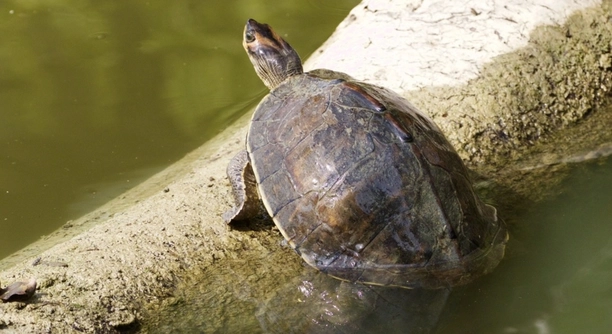
Indian Roofed Tortoises are sensitive to temperature changes, and understanding how cold affects them is important for their health. This guide will help you recognize the signs that your tortoise may be too cold and how to address the issue.
The primary indicator that your Indian Roofed Tortoise is too cold is a noticeable decrease in activity and reluctance to move. Cold temperatures slow their metabolism, making them less responsive and potentially leading to health complications if left unaddressed.
Knowing how temperature impacts your tortoise’s behavior can help you create a better environment for it. These insights will guide you in keeping your pet safe and healthy.
How Cold Affects Your Indian Roofed Tortoise
When the temperature drops, your Indian Roofed Tortoise can quickly become stressed. Cold temperatures slow down their metabolism, causing them to become lethargic and less active. They may hide in their shell or stop eating, signaling that they are too cold. Tortoises require a warm environment to stay active and healthy. Without the right temperature, they can develop health issues, including respiratory problems and weakened immune systems. Their basking spot should be around 85-90°F (29-32°C) during the day and slightly cooler at night. If your tortoise isn’t getting enough warmth, it’s essential to adjust their environment.
If your tortoise is constantly cold, you may notice changes in their behavior. These signs often include staying in one spot for long periods or being less responsive when approached. Make sure to regularly check the temperature in their enclosure to prevent issues before they arise.
The right heat source is crucial for your tortoise’s well-being. Providing a UVB lamp and a heat lamp will ensure they can regulate their body temperature effectively. Keep the ambient temperature in the enclosure steady to avoid any sudden temperature changes.
Identifying Signs Your Tortoise is Too Cold
A common sign that your Indian Roofed Tortoise is too cold is when it remains inactive for extended periods. When they feel too chilly, they often withdraw into their shell and avoid movement. Another indication is a refusal to eat or drink.
Their metabolism slows down in cold conditions, and they become lethargic. If your tortoise is showing these signs, it’s a clear indication that it needs a warmer environment. Additionally, if you notice that your tortoise is not moving around as usual or seems to be less alert, it’s time to check the temperature in their habitat.
The inability to properly digest food due to cold can also lead to further issues. This can cause them to lose weight or develop digestive problems. By adjusting the temperature to a more suitable level, you can help restore your tortoise’s energy levels and prevent these complications.
The Ideal Temperature Range for an Indian Roofed Tortoise
Maintaining the right temperature for your tortoise is essential for its health. Aim for daytime temperatures between 85°F and 90°F (29-32°C), with a drop at night to 70°F (21°C) or slightly lower. A basking area with a higher temperature will help them stay active.
Use a heat lamp that provides both warmth and UVB rays. UVB light is necessary for proper calcium metabolism and shell growth. Without it, your tortoise can develop health problems such as metabolic bone disease. Make sure your tortoise has access to the basking area during the day, but also provide shaded spaces to give them a choice between heat and cooling down. This helps maintain their natural thermoregulation process.
A consistent temperature is key. Ensure that the cool side of the enclosure doesn’t dip below 70°F (21°C). If the temperature fluctuates too much, your tortoise can experience stress, making it harder for them to regulate their body temperature. Keeping their enclosure stable and warm is the best way to ensure their comfort and well-being.
How to Monitor Temperature Effectively
To ensure your Indian Roofed Tortoise stays warm enough, use a thermometer in both the basking area and the cooler side of the enclosure. This will help you keep track of temperature fluctuations. Consider using a digital thermometer for more accurate readings.
If the temperature is too low, you can add a heat source to raise the warmth. A ceramic heat emitter or an under-tank heating pad can help. Be sure to check the temperature regularly, especially during colder months. Using a thermostat is also a good idea to maintain a consistent heat level.
Common Mistakes to Avoid
Many owners make the mistake of relying solely on one heat source. This can lead to uneven heating in the enclosure, which might leave your tortoise with cold spots. It’s essential to have both a basking lamp and a heat pad to provide a balanced environment.
Don’t forget about humidity. Low humidity levels can also affect your tortoise’s comfort. Be sure to monitor both temperature and humidity to create the perfect habitat. This will help ensure your tortoise stays active and healthy.
FAQ
How can I tell if my tortoise is too cold?
The most noticeable sign is a lack of movement. If your Indian Roofed Tortoise remains in one spot for long periods and seems unresponsive, it could be too cold. Another indicator is a refusal to eat, as cold temperatures slow down their metabolism. When the tortoise is too cold, it often withdraws into its shell, staying still. If you observe these behaviors, it’s time to check the enclosure’s temperature.
What is the ideal temperature for an Indian Roofed Tortoise?
The ideal temperature during the day is between 85°F and 90°F (29-32°C). At night, it should drop to around 70°F (21°C). You need to create a temperature gradient in the enclosure, with the basking area being the warmest spot. This allows your tortoise to regulate its temperature naturally.
How do I maintain proper humidity levels?
Humidity is important for your tortoise’s health. The enclosure should maintain humidity levels between 50-70%. You can achieve this by misting the enclosure lightly or using a humidity tray with water. Be careful not to let the humidity rise too high, as it can lead to health problems like shell rot. A hygrometer is useful for keeping track of humidity levels.
Can I use a heat mat for my tortoise?
Yes, heat mats can help maintain a warm environment, but they should not be the only heat source. A heat mat placed underneath one side of the enclosure will create a temperature gradient, allowing your tortoise to move to the cooler side if needed. However, make sure the mat is used in combination with a basking lamp or another heat source to ensure a consistent warm environment.
Do I need to provide UVB light for my tortoise?
Yes, UVB light is essential for your tortoise’s health. It helps them metabolize calcium, preventing bone and shell deformities. Without UVB light, your tortoise can suffer from metabolic bone disease. A UVB bulb should be placed near the basking area, and it should be replaced every 6-12 months to ensure its effectiveness.
What type of light should I use for my tortoise?
Use a combination of a basking light and UVB light. The basking light provides warmth, while the UVB light supports calcium absorption and overall health. Ensure the light is positioned in a way that allows your tortoise to regulate its exposure to heat. A timer can help control the light cycle, ensuring your tortoise gets a day-night rhythm.
Can my tortoise get too hot?
Yes, tortoises can get overheated if the temperature is too high for prolonged periods. If you notice your tortoise is constantly trying to avoid the basking area or appears sluggish, it could be a sign of overheating. It’s important to monitor the temperature carefully, making sure the basking area doesn’t exceed 95°F (35°C).
What should I do if my tortoise stops eating?
If your tortoise refuses to eat, first check the temperature in its enclosure. Low temperatures can cause a loss of appetite. Make sure the basking area is warm enough and that the humidity is within the right range. If the problem persists, consider consulting a veterinarian, as loss of appetite can also indicate health issues.
Can I use a ceramic heat emitter for my tortoise?
Yes, ceramic heat emitters are a great option for providing consistent heat without emitting light. They’re perfect for nighttime heating, as they won’t disrupt your tortoise’s day-night cycle. These emitters provide infrared heat that warms the enclosure evenly, ensuring your tortoise stays comfortable.
How long should my tortoise be exposed to heat each day?
Your Indian Roofed Tortoise should have access to a basking area for about 8-12 hours a day. This simulates a natural day-night cycle and allows them to regulate their body temperature effectively. During the night, the temperature should drop, and your tortoise should have a cool, dark area to rest in.
Can my tortoise live outside year-round?
Indian Roofed Tortoises are tropical animals and generally prefer warmer environments. Depending on your climate, it may be possible to house them outside during the warmer months. However, they should be brought inside if temperatures drop below 70°F (21°C). Always provide access to a shelter where they can retreat to warmth if needed.
Is it safe to use a space heater for my tortoise?
A space heater may not be the best choice for your tortoise’s enclosure. They can cause uneven heating and dry out the air, affecting humidity levels. It’s better to use heat lamps, ceramic heat emitters, or heating pads designed specifically for reptile habitats. These provide more controlled and consistent heat.
How often should I check the temperature in my tortoise’s enclosure?
Check the temperature at least twice a day to ensure it stays within the optimal range. Using a thermostat or a temperature controller can help maintain a stable environment. This will prevent temperature fluctuations that could stress your tortoise. Be sure to check both the basking and cooler sides regularly.
What should I do if my tortoise seems too cold but the temperature is fine?
If your tortoise is still showing signs of being cold despite proper temperatures, it could be due to improper heating or an issue with their metabolism. Check for drafts in the enclosure or ensure that the heat source is working correctly. If problems persist, a vet visit may be necessary to rule out health concerns.
How can I prevent temperature fluctuations in my tortoise’s enclosure?
To maintain a stable temperature, make sure the enclosure is well-insulated. Keep it in a room with minimal temperature changes, away from windows or air conditioning units. Additionally, using a thermostat with your heat source can help regulate the temperature and avoid sudden fluctuations that could harm your tortoise.
Final Thoughts
Maintaining the right temperature for your Indian Roofed Tortoise is essential for its health and well-being. Ensuring that the basking area stays warm enough while keeping the cooler side of the enclosure within the right range can help your tortoise thrive. By regularly checking the temperature and humidity, you can prevent potential health problems that arise from an environment that’s too cold or too warm. Always remember to use reliable equipment like a thermometer and hygrometer to keep track of your tortoise’s habitat conditions.
In addition to temperature, consider the other elements of your tortoise’s habitat. Providing the correct lighting, a suitable substrate, and enough space for movement will all contribute to your tortoise’s comfort. Keep in mind that your tortoise needs a balanced environment that mimics its natural habitat. If the enclosure is too cold, your tortoise may not be able to digest food properly or stay active, leading to lethargy. This is why it’s important to adjust the heat sources based on the seasons and check their effectiveness regularly.
Lastly, it’s important to observe your tortoise for any changes in behavior. If you notice signs of cold stress, like sluggishness, loss of appetite, or constant hiding, it may be time to make adjustments to the temperature or consult a veterinarian. Your Indian Roofed Tortoise relies on you to provide a stable, safe environment for it to thrive. With a little attention and care, you can ensure that your tortoise stays comfortable and healthy for years to come.

Hello,
If you enjoy the content that we create, please consider saying a "Thank You!" by leaving a tip.
Every little bit helps us continue crafting quality advice that supports the health, happiness, and well-being of pets around the world, for pets of all shapes, sizes, and species.
We really appreciate the kindness and support that you show us!