
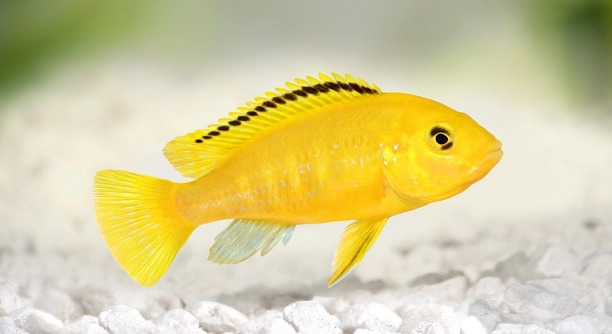
Do you ever find yourself admiring the bright colors and patterns of your cichlids but feeling like the tank looks a little plain? Adding live plants can create a more natural and inviting environment for your fish.
Live plants in cichlid tanks provide multiple benefits, including improved water quality, natural hiding spots, reduced stress, enhanced breeding conditions, and a more balanced ecosystem that supports both the fish and overall tank health.
Beyond aesthetics, these plants play an important role in creating a thriving, stable aquatic environment that keeps your cichlids healthier and more active in their daily routines.
Improved Water Quality
Live plants help maintain cleaner water in cichlid tanks by absorbing excess nutrients, such as nitrates and phosphates, which can otherwise accumulate and harm fish. Their natural filtration reduces algae growth and keeps the water chemistry more stable. Plants also release oxygen during the day, supporting fish respiration and promoting a healthier tank environment. Over time, a well-planted tank requires less frequent water changes and provides a consistent habitat for cichlids. Rooted plants can also prevent substrate from compacting, which allows beneficial bacteria to thrive and further improves water quality. This combination of factors creates a more balanced and sustainable ecosystem, giving your cichlids a safer and more comfortable space to live. Many cichlid species feel more secure when plants are present, as they mimic their natural habitat. Introducing live plants can take some planning, but the long-term benefits for water quality and fish health are significant and worth the effort.
Maintaining plants in the tank reduces harmful chemicals and provides a natural filtration system, making it easier to care for cichlids over time.
A properly planted tank not only helps filter toxins but also stabilizes pH levels and reduces sudden fluctuations in water parameters. Plants create microhabitats where fish can explore or retreat, which minimizes stress and aggressive behavior. They also support the growth of biofilm and microorganisms that serve as supplementary food. Using a mix of floating and rooted species ensures light penetration and nutrient distribution, further enhancing water quality. While live plants require some care, such as trimming and monitoring for decay, the positive effects on the tank outweigh the maintenance needs. Over weeks and months, plants grow and spread, contributing to a self-sustaining aquatic environment that supports fish health and vitality. In comparison, tanks without plants often need more frequent cleaning and water adjustments, which can disturb cichlids and increase the risk of disease. By incorporating live plants, the tank becomes more stable, attractive, and enjoyable for both the fish and the caretaker.
Natural Hiding Spots
Live plants provide essential hiding spots for cichlids, helping them feel secure and reducing stress levels.
Dense foliage and tall plants allow fish to retreat from aggressive tankmates, creating personal spaces for resting, breeding, and exploring without constant confrontation.
Hiding spots improve overall fish behavior and social dynamics in the tank. Cichlids, particularly territorial species, rely on visual barriers to mark territories and reduce direct conflicts. Plants create natural divisions that discourage fighting while giving smaller or shy fish places to escape, which increases their confidence and activity levels. These areas are also important for breeding, as some cichlids lay eggs or care for fry among plants. The presence of plants allows parents to hide eggs or fry from more dominant tankmates, improving survival rates. Furthermore, the variation in plant types—from broad-leaved to fine-leaved species—offers different textures and spaces for fish to explore. Over time, the combination of secure hiding spots and open swimming areas helps maintain a balanced, peaceful tank. Providing these natural shelters enhances fish welfare, reduces stress-related illness, and supports healthier interactions among cichlids in the aquarium environment.
Stress Reduction
Live plants create a calmer environment for cichlids by offering shelter and reducing visible aggression from other fish.
Plants act as visual barriers, breaking up lines of sight and minimizing territorial disputes. By providing areas for retreat, fish experience less constant confrontation, lowering cortisol levels and promoting natural behavior patterns. The presence of plants can also reduce erratic swimming and hiding behaviors caused by stress. Stress reduction supports stronger immune systems, making fish less prone to disease and more resilient to environmental changes.
In addition to physical hiding spots, plants help mimic natural habitats, giving cichlids familiar surroundings. Species that inhabit densely vegetated waters feel safer and more confident. Live plants also create quiet zones where shy fish can feed or rest without disturbance. The calmer atmosphere benefits all tank inhabitants, encouraging a balanced social structure and fewer aggressive interactions. Over time, plants contribute to overall fish well-being by stabilizing behavior patterns and providing a sense of security, which is essential in community or mixed-species tanks.
Stress levels directly impact growth and reproduction. Fish in planted tanks often show increased appetite, better coloration, and more consistent breeding behaviors compared to those in bare tanks. The combination of physical shelter, visual cover, and a natural environment significantly enhances both health and overall quality of life for cichlids.
Breeding Support
Plants create ideal conditions for cichlid spawning and fry protection. Dense foliage and broad leaves give eggs and fry safe spaces to develop.
Species like Apistogramma and Discus often deposit eggs on plant surfaces or among leaves. The foliage provides concealment from more dominant adults or other tankmates, increasing fry survival rates. Live plants also support microorganisms that serve as natural food for newly hatched fry. Controlled lighting and nutrient absorption by plants help maintain stable water parameters, which are critical for successful breeding.
By including a variety of plant types, hobbyists can replicate the natural breeding environment of their cichlids. Floating plants diffuse light and reduce stress during spawning, while rooted plants give vertical surfaces for egg attachment. Fry benefit from the combination of microhabitats and safe zones, which encourages feeding and growth. Over time, a planted tank can support multiple generations of cichlids by offering consistent conditions that promote reproduction, protect young fish, and maintain a healthy population. Properly maintained plants reduce the need for artificial breeding aids, creating a more natural and sustainable setup for breeding success.
Algae Control
Live plants compete with algae for nutrients, limiting algae growth naturally.
Fast-growing species like hornwort or water sprite absorb excess nitrates and phosphates, helping keep the tank cleaner.
Enhanced Aesthetics
A variety of plants adds color, texture, and depth to the tank, making it visually appealing. Leaf shapes, heights, and densities create a natural and dynamic environment that highlights cichlid colors.
Natural Behavior Encouragement
Plants stimulate cichlids to explore, forage, and interact with their surroundings. They mimic conditions found in natural habitats, supporting instinctive behaviors and keeping fish active and healthy.
Oxygenation Benefits
During photosynthesis, live plants release oxygen into the water, improving overall tank health and supporting fish respiration.
FAQ
What types of live plants are best for cichlid tanks?
Hardy and fast-growing plants are ideal for cichlids because many species may dig or nibble at plants. Java fern, Anubias, and Amazon sword are excellent choices since they can attach to rocks or driftwood, reducing the risk of uprooting. Floating plants like water lettuce or duckweed provide shade and help diffuse light, creating a more natural habitat. Some cichlids prefer hiding among dense leaves, so including plants with different heights and textures ensures that all fish feel secure. When selecting plants, consider your cichlid species, as larger or more aggressive fish may require sturdier plants.
How do live plants affect water parameters?
Live plants help stabilize water conditions by absorbing nitrates, phosphates, and other nutrients that can accumulate from fish waste and leftover food. This reduces the likelihood of algae blooms and sudden chemical spikes. Plants also contribute to maintaining pH stability by moderating changes that could stress sensitive cichlids. During photosynthesis, they release oxygen, which improves overall water quality and fish health. In planted tanks, water changes can often be done less frequently or in smaller amounts since the plants naturally support a balanced ecosystem. Proper lighting and fertilization are necessary to keep plants thriving and effective in regulating water parameters.
Can cichlids damage live plants?
Yes, some cichlid species may dig, uproot, or nibble on plants. South American cichlids often nibble on leaves, while African cichlids may dig extensively in the substrate. To minimize damage, choose sturdy plants like Anubias or Java fern that attach to rocks or driftwood. Using heavier substrate or planting in pots can also help prevent uprooting. Floating plants are less likely to be disturbed and can still provide hiding spots and shade. Observing your cichlids’ behavior helps determine which plants can survive long-term in the tank while maintaining the benefits of greenery.
How should I care for live plants in a cichlid tank?
Regular care includes trimming dead leaves, monitoring growth, and checking for algae buildup. Fertilization with root tabs or liquid nutrients can help maintain plant health, especially in nutrient-poor substrates. Proper lighting is essential for photosynthesis, and the intensity depends on plant species. CO₂ supplementation is optional but can boost growth in more demanding plants. Removing decayed leaves promptly prevents water quality issues. Regular observation ensures plants remain healthy despite cichlid activity. Combining routine maintenance with careful plant selection will help you maintain a thriving planted tank without compromising cichlid behavior or health.
Do live plants affect cichlid breeding success?
Yes, plants significantly improve breeding conditions. Many cichlid species use leaves, roots, or dense foliage as egg-laying sites. Fry benefit from the cover provided by plants, which offers protection from adults or tankmates. Plants also foster microorganism growth, providing natural food for fry. Spawning success increases when tanks mimic natural habitats, including adequate plant cover, stable water conditions, and controlled lighting. Providing a variety of plant types ensures that all fish have safe spaces, which encourages breeding activity and improves the survival rate of young fish.
How do I choose plants for aggressive cichlid species?
For aggressive species, focus on hardy and anchored plants that can withstand digging or nibbling. Species like Anubias, Java fern, and mosses attached to rocks or driftwood are suitable. Avoid delicate or rooted plants that may be uprooted quickly. Floating plants can offer shade and reduce aggression by creating visual barriers. Using pots or heavier substrates helps protect plant roots. Observation is key—some aggressive fish will still damage plants, but careful selection and placement can preserve greenery and maintain the benefits of a planted environment.
Can live plants survive without CO₂ supplementation?
Many low-maintenance plants, such as Java fern, Anubias, and Amazon sword, can thrive without CO₂ injection if they receive adequate light and nutrients. CO₂ supplementation accelerates growth but is not strictly necessary for hardy species. Ensuring a balanced environment with regular fertilization and sufficient light allows most plants to survive and continue providing the benefits of oxygenation, hiding spots, and water quality improvement. Monitoring plant health and growth ensures the tank remains attractive and functional for both cichlids and greenery.
Are there any risks to having live plants in a cichlid tank?
The main risks include plant decay, algae overgrowth, and damage from digging or nibbling fish. Decaying plants can release harmful chemicals into the water, so prompt removal is necessary. Some plants may require specific lighting or nutrient conditions to thrive. Careful selection of hardy species, combined with proper maintenance, can mitigate these risks. Overall, the benefits of live plants usually outweigh potential drawbacks, as long as attention is given to plant health and compatibility with the cichlid species.
How often should I trim or replace live plants?
Trimming frequency depends on the plant species and growth rate. Fast-growing plants may require weekly pruning to prevent overcrowding, while slow-growing species need occasional maintenance. Remove dead or decaying leaves promptly to maintain water quality. Replacing plants may be necessary if they are damaged beyond recovery by cichlids or fail to thrive despite proper care. Regular maintenance keeps the tank visually appealing, prevents nutrient imbalances, and ensures plants continue to provide hiding spots, oxygenation, and natural filtration for the fish.
Can live plants reduce tank cleaning requirements?
Yes, healthy live plants naturally absorb excess nutrients and provide surfaces for beneficial bacteria, reducing the frequency and intensity of cleaning. While water changes and substrate maintenance are still necessary, plants help maintain a more stable and balanced tank environment, decreasing algae growth and easing overall tank upkeep.
Final Thoughts
Live plants bring significant benefits to cichlid tanks, making them more than just a decorative addition. They improve water quality by absorbing excess nutrients and stabilizing chemical levels, which helps keep fish healthy. Plants act as natural filters, reducing algae growth and supporting a more balanced ecosystem. This can make tank maintenance easier and less stressful over time, while giving the fish a safer, more comfortable environment to thrive. In addition to water benefits, plants play a role in enhancing the overall health of cichlids, as they help maintain consistent oxygen levels and provide spaces where fish can rest or retreat when feeling threatened. The presence of live plants also encourages natural behaviors, allowing cichlids to explore, forage, and interact with their surroundings as they would in the wild.
Plants contribute to reducing stress, which is vital for cichlids’ long-term well-being. Dense foliage and carefully placed plants create hiding spots and visual barriers that prevent aggression and territorial disputes. Fish that feel secure are less likely to show erratic or unhealthy behaviors, and their immune systems remain stronger, reducing susceptibility to disease. Plants also provide excellent support for breeding, giving eggs and fry safe spaces to develop while providing food in the form of microorganisms that naturally grow on leaves and surfaces. A planted tank allows for a more structured social environment, where both dominant and shy fish can coexist with fewer conflicts. Even small additions, like a few rooted plants or floating greenery, can dramatically improve the stability and comfort of the tank, showing that thoughtful plant selection benefits every cichlid in the aquarium.
Choosing the right plants requires some planning but pays off in the long run. Hardy species like Java fern, Anubias, and Amazon sword are excellent for cichlid tanks because they can withstand digging and nibbling. Floating plants also add shade and break lines of sight, which further reduces stress and aggression. Proper care involves monitoring growth, trimming dead leaves, and ensuring adequate lighting and nutrients, but these tasks are manageable and greatly enhance the tank environment. Over time, live plants create a dynamic, visually appealing habitat that mirrors natural conditions, supporting fish health, behavior, and breeding. Incorporating live plants turns a simple aquarium into a thriving ecosystem, where cichlids are more active, healthier, and able to display their full range of natural behaviors, making the effort worthwhile for both the fish and the caretaker.

Hello,
If you enjoy the content that we create, please consider saying a "Thank You!" by leaving a tip.
Every little bit helps us continue crafting quality advice that supports the health, happiness, and well-being of pets around the world, for pets of all shapes, sizes, and species.
We really appreciate the kindness and support that you show us!