
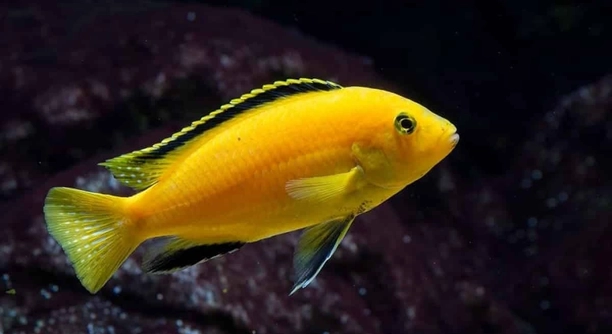
Cichlids are fascinating fish that form strong connections with their environment. Their behavior and well-being often depend on how their tank is organized and how they interact with the spaces around them.
Cichlids assign meaning to specific areas in their tanks, using zones for feeding, hiding, breeding, and resting. Recognizing these zones helps maintain proper social dynamics, reduces stress, and supports natural behaviors in a captive environment.
Observing these zones can reveal important details about cichlid behavior and overall tank health, guiding how to better arrange their habitat for comfort and stability.
Feeding Zones
Cichlids often have clear feeding zones where they feel most comfortable eating. These areas are usually near open spaces or shallow parts of the tank where food naturally drifts. Providing a consistent feeding area helps reduce aggression during meal times, especially in community tanks with multiple fish. Some cichlids prefer to feed near the substrate, picking at small particles, while others focus on floating or mid-level food. Observing your fish will reveal their preferred feeding spot, allowing you to place food strategically. Maintaining this zone with clean substrate and minimal debris ensures the fish feel secure and can feed without interruption. Changing the location too frequently can confuse cichlids and increase stress. It is also important to ensure multiple feeding zones in larger tanks to prevent dominant fish from monopolizing resources. Proper feeding zones contribute to healthy growth, stable social interactions, and reduced competition, creating a more balanced tank environment overall.
Recognizing feeding zones helps support consistent eating habits and prevents unnecessary stress among cichlids.
Feeding zones influence behavior beyond meals. Fish often return to these areas for social interactions, establishing temporary hierarchies around food availability.
Hiding Zones
Cichlids rely heavily on hiding zones for safety and comfort. Rock formations, caves, and dense plants offer essential shelter. Properly designed hiding zones reduce stress and aggression, allowing shy fish to rest without being disturbed. Fish often retreat here during conflicts or when they feel exposed. Maintaining multiple hiding spots prevents territorial disputes, especially in tanks with aggressive species. The placement of hiding zones also affects water flow and filtration, so they should be positioned to avoid stagnant areas. Observing how cichlids use these spaces can inform tank rearrangements to better suit their behavior. These zones also play a role during breeding, as cichlids may select caves or crevices for laying eggs. Hiding zones are not just shelters; they support natural behaviors, making fish feel secure while promoting overall health. Ensuring sufficient space and variety encourages exploration and reduces stress-induced illness, contributing to a stable aquatic environment.
Hiding zones help fish feel safe and reduce conflicts in the tank.
Providing proper hiding areas enhances tank dynamics. Fish feel secure and can explore the tank without constant threat from dominant individuals. Overcrowding or limited shelter often leads to heightened aggression and poor health, while thoughtfully placed hiding zones promote natural behaviors. Observing the use of these spaces over time shows how different species interact with their environment and each other. Some cichlids may claim a favorite cave, defending it aggressively, while others alternate between multiple hiding spots. The materials used also matter; natural rock or wood is preferred, offering both aesthetic appeal and functional benefits. Hiding zones near filtration or feeding areas can influence patterns of movement and territory. Incorporating plants, rocks, and crevices creates layered spaces that mimic natural habitats, supporting both passive and active fish. Ultimately, hiding zones are critical for maintaining a harmonious tank, reducing stress, and encouraging healthy, instinctual behaviors.
Breeding Zones
Breeding zones are critical for cichlids to reproduce naturally. Caves, flat rocks, and secluded corners often serve as preferred sites for egg-laying. Ensuring privacy reduces stress and encourages spawning behaviors, which is important for both parent and fry survival.
Some cichlids select specific locations based on water flow, substrate type, and security. Flat rocks work well for species that lay eggs on surfaces, while caves or crevices are chosen by cavity-spawning fish. The proximity of these zones to feeding and hiding areas matters, as it allows adults to defend their territory while still accessing food. Properly structured breeding zones support natural parenting behaviors, including guarding eggs and fry. Observing how cichlids interact with these areas can help identify suitable breeding conditions and maintain a balanced tank. Providing multiple options ensures that dominant fish do not monopolize all prime sites, reducing conflict and improving overall reproductive success.
Breeding zones influence social interactions and territoriality, often shaping the overall hierarchy within the tank.
Even after spawning, breeding zones remain important. Fry require protection and adult cichlids often continue defending these areas. Positioning breeding zones near secure hiding spots can help juveniles avoid aggression from other tank mates. Additionally, maintaining stable water conditions and minimizing disturbances in these zones ensures that both adults and young thrive. Observation of breeding zones provides insight into the natural behaviors of cichlids, from courtship rituals to parental care, highlighting the importance of habitat design. Thoughtful placement of these zones also promotes species-specific behaviors, ensuring that fish can reproduce successfully while maintaining overall tank harmony.
Territory Zones
Cichlids establish territory zones to define personal space and reduce aggression. Rocks, plants, and tank walls act as natural boundaries, giving fish clear areas to patrol and defend. Properly managed territories prevent stress and conflicts among tank mates.
Territory zones are essential for maintaining social order. Dominant fish claim prime areas, often near food or hiding spots, while subordinates occupy less desirable sections. Observing which zones are contested helps adjust tank layout, ensuring adequate space for all individuals. Strategic placement of rocks, caves, and decorations can guide territorial boundaries, minimizing disputes. Overlapping territories may lead to aggression, so providing sufficient separation helps maintain peace. Territory zones also influence breeding, as fish defend these areas during courtship. Recognizing and respecting these zones allows for natural interactions, reduces injury risk, and fosters a healthier environment.
Territorial boundaries influence fish movement patterns and social interactions. Properly arranged zones can reduce stress and maintain a stable tank hierarchy, allowing cichlids to coexist peacefully. Creating multiple territories prevents dominance by a single fish and encourages exploration while supporting natural behaviors, ultimately promoting a balanced and harmonious aquarium ecosystem.
Resting Zones
Resting zones provide cichlids with calm areas to relax and recover energy. These zones are usually quiet spots away from strong currents, bright lights, and high-traffic areas of the tank, giving fish a sense of safety and comfort.
Cichlids use resting zones throughout the day and night. Plants, rock ledges, or shaded areas often serve as these calm spaces. A well-defined resting zone allows fish to conserve energy, maintain health, and reduce stress.
Social Zones
Social zones are areas where cichlids gather for interaction, display, or mild competition. Mid-level open water and communal spaces are often used, encouraging natural communication without constant aggression. Observing these areas helps understand group dynamics and balance within the tank.
Exploration Zones
Exploration zones give cichlids areas to swim freely and investigate their environment. Open spaces, scattered rocks, and varied terrain encourage movement, curiosity, and mental stimulation. These zones reduce boredom and help fish remain active, supporting both physical health and natural instincts.
Feeding Territory
Feeding territory is where dominant cichlids often assert control over food resources. This area is typically near the usual feeding location, giving them a sense of authority and maintaining hierarchy within the tank.
FAQ
How do I know which tank zones my cichlids prefer?
Observing your cichlids over time is the best way to determine their preferred zones. Note where they spend most of their time, where they eat, hide, or rest. Preferences can change depending on social interactions, water conditions, and the layout of decorations. Recording these patterns can help you optimize your tank for their comfort and natural behaviors.
Why are hiding zones so important for cichlids?
Hiding zones reduce stress and aggression. Fish feel vulnerable in open spaces, so caves, plants, and crevices offer security. These zones allow shy or subordinate cichlids to rest without being harassed, support natural territorial behavior, and provide safe spots for breeding and fry. A lack of hiding places can lead to constant stress and health issues.
Can cichlids share territory zones peacefully?
Yes, but it depends on tank size, species, and individual temperament. Larger tanks with multiple boundaries allow fish to coexist with minimal conflict. Providing distinct zones with rocks, plants, and decorations helps establish clear territorial boundaries, reducing fights and encouraging natural hierarchy. Observing interactions and adjusting space is key to harmony.
How do feeding zones affect behavior?
Feeding zones establish predictable locations for food, reducing competition and stress. Cichlids often return to these areas daily, forming temporary social hierarchies around meals. In larger tanks, multiple feeding zones prevent dominant fish from monopolizing resources, ensuring all individuals get enough food and maintain healthy growth.
What is the role of breeding zones in a cichlid tank?
Breeding zones provide secure locations for spawning, protecting eggs and fry. Cichlids select these zones based on substrate, water flow, and shelter. Well-designed breeding areas reduce stress during courtship, promote successful parenting, and help maintain natural reproductive behaviors, contributing to a balanced and thriving tank environment.
How often should I rearrange tank zones?
Frequent rearrangement can stress cichlids, as they rely on familiar spaces. Only adjust zones when necessary for cleaning, maintenance, or improving territory balance. Minor changes, like adding new rocks or plants, can refresh the environment without disturbing established patterns. Observation ensures adjustments support their comfort.
Do all cichlid species use zones in the same way?
No, usage varies by species. Some are highly territorial and defend multiple zones, while others are more social and move freely between areas. Breeding, feeding, and resting habits differ, so tailoring zones to the specific needs of your cichlid species ensures their health and natural behavior.
Can overcrowding affect zone usage?
Yes, overcrowding limits access to preferred zones, increasing stress and aggression. Dominant fish may claim prime areas, forcing weaker individuals into less ideal spaces. Ensuring adequate tank size, multiple hiding spots, and several feeding and resting areas helps reduce conflict and allows all fish to thrive.
How can I encourage cichlids to use exploration zones?
Provide varied terrain, open spaces, and scattered decorations to encourage movement and curiosity. Fish enjoy investigating rocks, plants, and substrate, which helps prevent boredom, stimulates natural behaviors, and promotes physical health. Avoid overly cluttered tanks, which can restrict exploration and cause territorial disputes.
What signs indicate a zone is causing stress?
Signs include constant hiding, aggression, or avoiding specific areas. Fish may become lethargic, stop eating, or display erratic behavior. Monitoring these patterns and adjusting the tank layout or adding additional zones can reduce stress, supporting overall health and maintaining natural behavior patterns.
How do resting zones benefit cichlids long-term?
Resting zones allow fish to recover energy, reduce stress, and maintain health. Quiet areas with minimal light and flow give fish the opportunity to sleep or relax. Consistent access to these zones supports overall well-being, encourages natural activity cycles, and prevents stress-related illness.
Is it necessary to label zones in the tank?
No, labeling is unnecessary for the fish, but keeping a mental map of feeding, resting, and hiding zones helps you manage the tank more effectively. Understanding where fish prefer to spend time informs feeding schedules, maintenance, and habitat adjustments for optimal behavior and comfort.
Final Thoughts
Creating a well-structured tank for cichlids is essential for their health and happiness. Each zone in the tank—feeding, hiding, resting, breeding, and exploration—serves a purpose in supporting natural behaviors. Observing how your cichlids use these zones provides valuable insight into their needs and preferences. Fish often develop patterns over time, returning to certain areas consistently. Providing spaces that match their instincts helps them feel secure, reduces stress, and encourages normal social interactions. When a tank has clearly defined zones, dominant fish are less likely to harass others, and shy or subordinate fish can find refuge. A balanced environment also improves overall well-being, from consistent eating habits to successful breeding.
It is important to remember that tank zones are not static and may require adjustments over time. Fish behaviors can change due to social dynamics, growth, or new additions to the tank. Small changes, like adding new rocks, plants, or hiding spots, can refresh their environment without causing stress. Observing interactions after adjustments is crucial to ensure all fish continue to feel comfortable and safe. Overcrowding or poor placement of zones can increase aggression and stress, so maintaining adequate space for each zone is key. Paying attention to how your cichlids respond to their environment allows you to make informed decisions that enhance their daily life and support long-term health.
Ultimately, providing meaningful tank zones is about understanding and respecting the natural instincts of cichlids. Each area has a role in their routine, from feeding and resting to exploring and breeding. Thoughtful placement of decorations, caves, plants, and open spaces helps create a harmonious environment where fish can exhibit normal behaviors without constant conflict. A well-organized tank not only benefits the fish but also makes caring for them more manageable and rewarding. Observing your cichlids and adjusting zones according to their preferences encourages a healthy, active, and stress-free environment. Consistency, attention, and patience are the keys to maintaining a tank that truly supports the unique needs of cichlids, ensuring they thrive both socially and physically.

Hello,
If you enjoy the content that we create, please consider saying a "Thank You!" by leaving a tip.
Every little bit helps us continue crafting quality advice that supports the health, happiness, and well-being of pets around the world, for pets of all shapes, sizes, and species.
We really appreciate the kindness and support that you show us!