
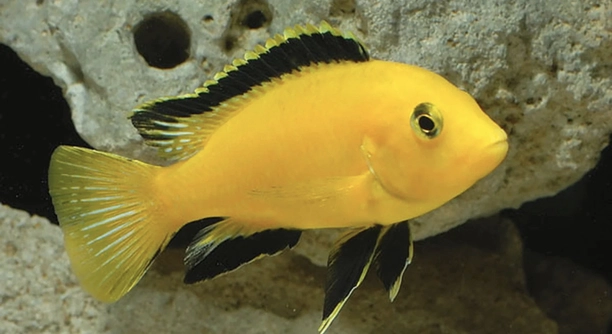
Have you ever noticed your electric yellow cichlid suddenly darting around the tank without warning? This sudden movement can catch you off guard and make you wonder if something is wrong with your fish.
Sudden darting in electric yellow cichlids is often a response to stress, water quality issues, or nearby tank activity. It can indicate agitation, discomfort, or environmental changes that require careful observation and prompt corrective measures.
Recognizing the reasons behind this behavior helps ensure your cichlid stays healthy and calm in its tank environment. Proper care and understanding can make a noticeable difference in their daily activity.
Common Triggers for Sudden Darting
Electric yellow cichlids often react sharply to sudden changes in their environment. Movement outside the tank, such as shadows or people walking by, can startle them. Water conditions, including temperature swings, pH imbalances, or high nitrate levels, frequently cause erratic swimming. Overcrowding is another factor, as it increases stress and competition for space and resources. Feeding routines also influence behavior; irregular feeding schedules or sudden additions of new food can prompt bursts of energy. Even seemingly minor changes, like rearranging decorations or adding new plants, may trigger darting. These fish are naturally alert and sensitive to their surroundings, so consistent care and observation are essential. Maintaining stable conditions helps reduce stress and allows your cichlid to swim calmly. Observing patterns in their movements can give insight into their comfort level and overall health, helping you take preventive measures before issues escalate.
Maintaining a quiet, stable environment and consistent water parameters significantly lowers instances of sudden darting, keeping your cichlid calmer and healthier.
Creating a predictable tank routine benefits electric yellow cichlids by reducing their stress responses. Feeding them at the same times, avoiding sudden disturbances, and keeping tank water consistent all contribute to calmer swimming behavior. Over time, these measures help the fish feel secure, lowering the frequency of rapid darting. Observing your cichlid’s reactions after changes or disruptions can indicate whether the environment is suitable. By noticing patterns, you can adjust care practices to minimize stress triggers. Proper spacing between tank mates and avoiding overcrowding ensures the cichlid has enough room to move freely without feeling threatened. Regular water testing and stable temperature management prevent conditions that could provoke agitation. Simple steps, such as soft lighting, gentle water flow, and avoiding abrupt tapping on the glass, make a noticeable difference in behavior. These practices collectively support the fish’s well-being and contribute to a peaceful tank atmosphere.
Health-Related Causes
Sudden darting can indicate underlying health issues in electric yellow cichlids. Stress, infections, or parasites often trigger erratic swimming, and noticing other symptoms helps identify the problem.
Waterborne pathogens, poor diet, and lack of routine tank cleaning contribute to behavioral changes. Stress weakens the immune system, making cichlids more vulnerable to illness. Signs like faded color, clamped fins, or unusual hiding can accompany darting. Early detection is key, allowing for prompt treatment and isolation if necessary. A balanced diet, regular water changes, and careful observation prevent most health-related issues.
Paying attention to subtle changes in swimming patterns and overall appearance can help prevent serious health problems. A sudden darting response is often an early signal that the fish is experiencing discomfort. Monitoring water parameters, maintaining cleanliness, and observing interactions with tank mates are practical steps to ensure the fish remains healthy. Acting quickly when signs appear improves recovery outcomes and helps maintain a calm, safe environment for all tank inhabitants. Consistent care, along with prompt response to unusual behavior, promotes long-term health and reduces stress for electric yellow cichlids.
Environmental Stressors
Changes in lighting or sudden noises near the tank can startle electric yellow cichlids. They are highly sensitive to vibrations, shadows, or movements outside the aquarium, which often triggers quick, darting responses as a stress reaction.
Maintaining stable water conditions is crucial. Rapid temperature changes, pH fluctuations, or high nitrate levels can make cichlids uncomfortable, causing sudden bursts of movement. Overcrowding intensifies stress, as fish compete for space and territory. Even adding new tank decorations or plants can provoke darting. Observing their behavior after any environmental change helps identify triggers. Consistent care and gentle handling reduce stress and promote calmer swimming.
Adjusting water flow and lighting gradually can help minimize sudden darting. Soft, steady water circulation and gentle illumination prevent frequent startle responses. Keeping a predictable feeding schedule also reduces stress-induced swimming bursts. Paying attention to tank dynamics ensures cichlids remain comfortable, creating a more relaxed and healthy environment for them to thrive.
Tank Mates and Social Behavior
Aggressive or overly active tank mates often cause sudden darting in electric yellow cichlids. They may react defensively or try to escape perceived threats, leading to frequent quick movements.
Territorial disputes are common, especially in smaller aquariums. Cichlids naturally establish dominance hierarchies, and frequent chasing or displays of aggression can provoke stress-related darting. Ensuring enough space and hiding spots reduces tension and provides retreat areas for shy fish. Observing interactions and rearranging tank mates when necessary helps maintain harmony.
Introducing new fish slowly and monitoring behavior is important. Gradual acclimation allows cichlids to adjust socially without constant stress. Providing sufficient hiding spots, like rocks and plants, ensures that all fish can retreat when threatened. Balanced group dynamics prevent frequent darting due to social pressures. Understanding each fish’s personality and maintaining appropriate ratios minimizes aggression, promoting a calmer and healthier tank environment overall.
Feeding and Diet
Overfeeding or sudden changes in diet can trigger darting in electric yellow cichlids. They often react with bursts of energy when new food is introduced or when mealtime is irregular, reflecting excitement or stress.
A balanced diet with consistent feeding times helps reduce erratic swimming. Avoid sudden additions of unfamiliar foods, which can provoke quick, darting movements.
Water Quality Maintenance
Regular water testing and partial water changes prevent conditions that stress electric yellow cichlids. High ammonia or nitrite levels often lead to erratic swimming behavior. Consistent monitoring ensures a safe, stable environment.
Observation and Adjustment
Noticing patterns in your cichlid’s behavior helps identify triggers. Watching interactions, swimming patterns, and reactions to environmental changes allows for timely adjustments in tank management.
Light and Temperature
Sudden bright lights or temperature swings can provoke darting. Gradual changes and steady illumination help your cichlid feel secure and reduce stress-induced bursts of movement.
Why is my electric yellow cichlid darting suddenly around the tank?
Sudden darting is usually a response to stress or environmental changes. Factors like shadows, sudden movements, or other fish nearby can startle them. Water quality problems, temperature swings, or overcrowding also trigger quick, erratic swimming. Paying attention to patterns helps identify the source.
Can poor water quality cause darting behavior?
Yes. High ammonia, nitrites, or nitrates make cichlids uncomfortable and can cause rapid bursts of movement. Even slight pH fluctuations or temperature changes can stress them. Regular water testing, partial water changes, and stable conditions are essential to reduce stress-induced darting.
Do tank mates influence sudden darting?
Absolutely. Aggressive or overly active fish provoke defensive reactions. Territorial disputes often lead to chasing and darting. Providing adequate space, hiding spots, and observing interactions minimizes social stress, helping your cichlid swim calmly without constant fear.
Does diet affect sudden darting?
Feeding routines and diet changes impact behavior. Overfeeding or introducing new foods too quickly can trigger bursts of energy. Consistent feeding schedules and gradual introduction of new foods reduce excitement-induced darting. A balanced diet also keeps their energy levels stable.
Could lighting or temperature be a factor?
Yes. Sudden bright lights or rapid temperature shifts startle cichlids. Gradual adjustments in lighting and maintaining steady water temperature create a secure environment. Soft, consistent illumination and stable warmth reduce stress-related swimming bursts.
Is sudden darting a sign of illness?
It can be. Parasites, bacterial infections, or general stress weaken the immune system, causing erratic swimming. Look for additional signs like faded colors, clamped fins, or unusual hiding. Early detection and treatment prevent serious health problems.
How can I reduce darting caused by stress?
Maintain stable water parameters, avoid sudden disturbances, and provide hiding spaces. Predictable routines, gentle handling, and proper tank size also help. Reducing environmental stressors supports calmer behavior and overall fish health.
Are there long-term effects if darting continues?
Persistent stress can lead to weaker immune systems, slower growth, or susceptibility to disease. Chronic darting indicates discomfort or poor tank conditions. Regular monitoring and adjustments prevent long-term harm and ensure a healthy, calm environment for your cichlid.
Should I isolate my cichlid if darting continues?
Isolation may help if aggression or illness is suspected. A separate tank allows monitoring and treatment without interference. Ensure water conditions remain optimal during isolation to reduce additional stress and support recovery.
Can decorations or tank layout affect darting?
Yes. Rearranging decorations or adding new plants suddenly can startle cichlids. They rely on familiar surroundings for security. Gradual changes, ample hiding spots, and thoughtful placement minimize stress and erratic swimming.
How do I know if darting is serious or normal behavior?
Occasional darting during feeding or minor disturbances is normal. Frequent, intense bursts without obvious triggers suggest stress, poor water quality, or illness. Tracking patterns and observing other signs helps determine when intervention is needed.
Can social hierarchy impact darting?
Yes. Electric yellow cichlids establish dominance among tank mates. Subordinate fish may dart to avoid confrontations, while dominant ones may chase. Proper spacing, tank size, and hiding areas help maintain balance and reduce erratic swimming.
Is water flow a factor in sudden darting?
Strong currents can startle or exhaust cichlids, prompting bursts of darting. Adjusting filters or pumps for gentler flow provides a calmer environment. Fish feel more secure, swim naturally, and show fewer stress responses.
Do stress-reducing techniques really help?
Yes. Consistent feeding, stable water, soft lighting, proper tank mates, and hiding spaces reduce stress significantly. Implementing these techniques makes the fish feel secure, lowers sudden darting, and improves overall well-being.
Can sudden darting affect other fish in the tank?
It can. Startled fish may trigger chain reactions, causing multiple fish to dart. Managing environmental stressors and ensuring peaceful social interactions reduces these ripple effects, creating a calmer, more balanced tank.
How often should I monitor my cichlid’s behavior?
Daily observation is ideal. Watching swimming patterns, feeding responses, and interactions with tank mates helps detect early signs of stress, illness, or environmental issues. Prompt adjustments prevent serious problems and support long-term health.
Does tank size influence darting?
Yes. Small tanks increase stress and territorial disputes, causing frequent darting. Providing adequate space allows fish to establish personal zones and reduces erratic movements, helping maintain a calm environment.
Are sudden darting episodes more common in certain ages?
Juvenile cichlids tend to dart more due to higher energy and inexperience with their environment. Adult fish usually have established territories and swim more calmly, though stress or environmental changes can still trigger bursts of activity.
Can water chemistry mistakes cause recurring darting?
Absolutely. Incorrect pH, hardness, or chemical imbalances provoke stress responses. Regular testing, stable conditions, and gradual adjustments prevent recurring erratic swimming and support long-term health.
What’s the best way to keep my cichlid calm long-term?
Consistency in water quality, feeding, lighting, temperature, and social environment is key. Observing behavior, minimizing sudden changes, and providing hiding spots creates a stable habitat where electric yellow cichlids feel secure and swim comfortably.
Electric yellow cichlids are sensitive and expressive fish, and their sudden darting is often a clear signal of how they feel in their environment. Observing these behaviors carefully can tell a lot about their well-being. Sometimes, it is a reaction to minor changes, such as shadows or sudden movements outside the tank. Other times, it can indicate issues with water quality, tank mates, or feeding routines. Understanding the reasons behind their quick movements is essential for creating a calm and healthy environment. When you notice darting, it is helpful to look at the surrounding conditions first. Checking water temperature, pH levels, and cleanliness can provide immediate clues. Ensuring the tank is stable and consistent helps reduce stress and supports natural, peaceful swimming behavior.
Another important factor to consider is social interaction and tank setup. Electric yellow cichlids can be territorial, and conflicts or overcrowding often lead to rapid, erratic swimming. Observing how your fish interact with others in the tank allows you to adjust space, rearrange decorations, or provide additional hiding spots. Even small changes in lighting, water flow, or feeding routines can influence their behavior. Gradual changes are always better than sudden ones. Establishing a routine helps your cichlids feel secure, reducing the chances of stress-induced darting. Balanced feeding, consistent care, and careful monitoring of tank dynamics create an environment where your fish can thrive. A calm tank encourages natural behaviors, better health, and reduces frequent bursts of quick movements.
Finally, understanding the broader picture of fish behavior helps you provide long-term care. Sudden darting is not always a sign of serious problems, but it should never be ignored. Regular observation, proper maintenance, and attention to environmental factors allow you to respond before stress or illness becomes significant. Paying attention to your cichlid’s comfort and reactions encourages a stronger bond between you and your fish while ensuring a healthier habitat. Over time, these steps improve their quality of life, reduce unnecessary stress, and create a peaceful aquarium environment. With consistent care and careful attention to their needs, sudden darting becomes less frequent, and your electric yellow cichlid can enjoy a stable, balanced, and secure home.

Hello,
If you enjoy the content that we create, please consider saying a "Thank You!" by leaving a tip.
Every little bit helps us continue crafting quality advice that supports the health, happiness, and well-being of pets around the world, for pets of all shapes, sizes, and species.
We really appreciate the kindness and support that you show us!