
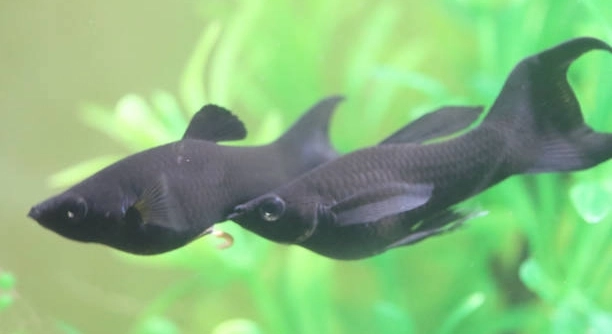
Keeping a Black Molly in your tank can be fun, but adding plants makes the aquarium feel more alive. Many fish owners enjoy seeing their pets swim among greenery, making the tank look natural and calming.
Plants in a Black Molly tank provide essential benefits including improved water quality, oxygenation, and natural hiding spaces. They also reduce stress for the fish, support healthy growth, and encourage natural behaviors, creating a balanced and thriving aquatic environment.
Understanding how plants impact your Black Molly’s habitat helps create a healthier tank. The combination of greenery and fish can transform your aquarium into a vibrant and enjoyable space.
Cleaner Water for Healthier Fish
Adding plants to a Black Molly tank helps keep the water cleaner naturally. Plants absorb nitrates and other waste products, reducing harmful chemicals that can stress or sicken the fish. When I added more greenery to my tank, I noticed the water looked clearer and my mollies were more active. Plants also compete with algae for nutrients, which helps prevent overgrowth. With the right balance of lighting and maintenance, plants can create a stable environment that keeps ammonia and nitrite levels low. The constant movement of water around the roots also improves circulation, benefiting both the plants and the fish. This reduces the need for frequent water changes while still maintaining a healthy habitat. In addition, plants help maintain pH stability by buffering small changes, which makes the tank safer and less stressful for mollies. Over time, a planted tank becomes easier to manage, and the fish thrive naturally.
Cleaner water directly supports Black Molly health by lowering toxins and stabilizing the tank environment, resulting in longer lifespans and reduced stress levels.
Plants not only clean water but also make tanks more visually appealing. Their presence creates natural zones for swimming and hiding. Fish often feel safer, leading to calmer behavior. Over time, it becomes clear how much these plants improve the overall tank environment.
Natural Hiding Spots and Comfort
Plants give Black Mollies places to hide and feel secure. Dense foliage provides shelter from bright lights and other tank inhabitants.
In addition to security, hiding spots reduce stress, which is critical for mollies’ immune system. Fish with safe areas are less likely to display aggressive behavior, and they can rest more comfortably. Plants like Java fern, Anubias, and Hornwort are ideal because they grow densely and require minimal care. When my mollies first explored a heavily planted tank, I noticed they spent more time calmly swimming among the leaves rather than darting around nervously. These hiding spots are also beneficial for young fry, offering protection until they grow stronger. Over time, the tank feels more dynamic and natural, and fish can express their natural behaviors safely. This combination of security and environmental enrichment helps mollies thrive while keeping the tank balanced and low-maintenance. Properly placed plants make the aquarium a peaceful, self-sustaining ecosystem.
Reduced Stress Levels
Plants create calm areas in the tank where Black Mollies can retreat. This reduces stress caused by bright lights or aggressive tank mates, allowing fish to feel secure and behave naturally.
Providing shelter and natural cover directly impacts mollies’ health. Stress can suppress their immune system, making them more prone to illness. I noticed my fish were less skittish and more interactive once I added dense plants like Java fern and Anubias. Plants also break up open swimming areas, giving fish a sense of territory and safety. Fry especially benefit from this setup, as they can hide easily until strong enough to explore freely. Over time, the calmer environment encourages steady growth, better coloration, and a more vibrant display of natural behaviors. The combination of visual cover and gentle water flow around plants contributes to a consistent, low-stress habitat for all fish in the tank.
Plants help mollies adjust to changes in their surroundings more easily. Even minor disturbances, like water changes or adding new fish, are less stressful when the tank is well-planted.
Better Oxygenation
Live plants release oxygen into the water during photosynthesis, supporting fish respiration and overall health. A planted tank often feels more balanced and lively.
Oxygen levels are critical for Black Mollies, as low oxygen can lead to lethargy or breathing difficulties. I observed that after introducing fast-growing plants like Hornwort and Water Wisteria, the fish seemed more active and fed eagerly. Plants absorb carbon dioxide from the water, releasing oxygen, which keeps the tank stable even during warm periods when oxygen levels can drop. In addition, plant roots encourage water movement around the substrate, preventing stagnation and supporting beneficial bacterial growth. A well-oxygenated environment reduces the risk of fungal or bacterial infections and helps maintain vibrant coloration and healthy behavior. With proper lighting and moderate care, plants provide continuous oxygen support while enhancing the tank’s appearance.
The extra oxygen also benefits beneficial bacteria, which break down waste more efficiently. This natural balance helps maintain a healthy ecosystem, reducing the need for chemical additives or frequent water changes.
Encourages Natural Behavior
Plants give Black Mollies areas to explore and interact with their environment. This encourages swimming, foraging, and hiding, helping fish display natural behaviors that keep them active and healthy.
A planted tank allows mollies to feel secure while exploring. They often nibble on plant leaves and navigate through foliage, which keeps them engaged and reduces boredom.
Supports Breeding
Dense plants provide safe spots for Black Mollies to lay eggs and for fry to hide. This natural environment increases survival rates and encourages healthy reproduction, making breeding more successful and less stressful for both adults and young fish.
Reduces Algae Growth
Plants compete with algae for nutrients, helping prevent excessive algae buildup. A well-planted tank remains cleaner and visually appealing, reducing maintenance time and creating a healthier space for mollies.
What types of plants are best for a Black Molly tank?
For Black Mollies, hardy and low-maintenance plants work best. Java fern, Anubias, Hornwort, and Water Wisteria are ideal because they tolerate a wide range of water conditions and require minimal care. I started with these plants in my tank, and they thrived alongside my mollies. These plants provide dense foliage that gives fish plenty of hiding spots. Fast-growing plants also help absorb excess nutrients, keeping water cleaner. Floating plants like Duckweed can create shaded areas, which mollies appreciate. By combining different types, you can create a natural-looking tank that supports both the fish and plants.
How many plants should I add to the tank?
A balanced approach works best. About 50 to 70% of the tank should have plant coverage. Too few plants reduce hiding spots, while too many can restrict swimming space. I found that leaving open areas in the middle while lining the edges with plants creates a comfortable habitat. Plants at different heights also make the tank look more natural and give fish more options to explore. Young fry especially benefit from thicker areas near the substrate, while adult mollies enjoy swimming freely in open areas.
Do live plants really improve water quality?
Yes. Plants absorb nitrates, ammonia, and other waste products, naturally reducing toxins in the water. I noticed clearer water after introducing a mix of fast-growing and slow-growing plants. Roots help circulate water, supporting beneficial bacteria and preventing stagnation. This reduces the frequency of water changes and helps maintain a more stable environment. Additionally, plants produce oxygen during photosynthesis, which supports fish respiration. Keeping a balance between light, nutrients, and CO2 ensures plants thrive and continue helping maintain water quality. Over time, a planted tank becomes a self-sustaining ecosystem that benefits both fish and plants.
Can Black Mollies eat plants?
Black Mollies may nibble on soft leaves, but they usually don’t destroy healthy, hardy plants. In my experience, plants like Java fern and Anubias withstand occasional nibbling without damage. Fast-growing plants like Hornwort can tolerate more grazing. Nibbling can actually be beneficial, providing minor fiber for digestion. If mollies start eating too much, adding supplementary foods like vegetables or high-quality flakes can reduce plant damage. Floating plants often escape nibbling because mollies rarely reach them, making them an extra source of cover.
How do plants affect breeding?
Plants create safe spaces for females to lay eggs and for fry to hide after hatching. Dense foliage increases survival rates because fry can escape adult fish. In my tank, breeding success improved after adding thick Anubias and Hornwort clusters. Plants also help reduce stress for both adults and young fish, creating a calm environment essential for reproduction. Floating plants provide shaded areas that females prefer for laying eggs. Using a combination of anchored and floating plants ensures there are enough hiding places at every level of the tank.
Do I need extra equipment for a planted Black Molly tank?
Not necessarily. Many hardy plants grow well under standard aquarium lighting and temperature. I didn’t use CO2 injection, and the plants still thrived. Moderate lighting for 8-10 hours a day usually supports plant growth. Fertilizers can be added if needed, but careful monitoring prevents algae growth. Substrate choice matters for rooted plants, but gravel or sand works well. Regular trimming keeps plants healthy and prevents overgrowth. By keeping the setup simple, maintenance remains manageable while providing all benefits of live plants.
How do I prevent algae when keeping plants?
Algae often appear when light or nutrients are unbalanced. I managed algae by keeping lights on a consistent schedule and not overfeeding my mollies. Fast-growing plants compete with algae for nutrients, naturally reducing growth. Occasional water changes and gentle scrubbing of tank surfaces help too. Floating plants can block excess light, which also limits algae. Balancing light, nutrients, and fish waste keeps algae under control while letting plants flourish.
Can plants survive with multiple Black Mollies?
Yes, with the right species and care. Hardy plants like Java fern, Anubias, and Hornwort tolerate active fish. I kept five mollies in a moderately planted tank, and all plants remained healthy. Dense plants provide shelter from playful nipping or chasing. Rotating or trimming plants helps prevent overcrowding and ensures everyone has space. Floating and anchored plants together create both cover and swimming room, making the tank comfortable for multiple fish without overloading the ecosystem.
Do plants affect water temperature?
Indirectly. While plants don’t change water temperature significantly, they provide shade and cover that help mollies feel cooler and more secure. I noticed fish hiding under floating plants during the brightest hours of the day, which reduced stress. By moderating direct light exposure, plants create a more stable microenvironment for fish, preventing sudden fluctuations in behavior caused by temperature perception.
How often should I care for plants in a Black Molly tank?
Maintenance is moderate. I trim fast-growing plants weekly and check leaves for decay. Removing dead leaves prevents decomposition that could pollute water. Fertilizers can be added sparingly if growth slows. Roots may need occasional replanting if disturbed by fish activity. Overall, a planted tank doesn’t require daily attention, but regular care ensures both plants and mollies remain healthy. A few minutes a week keeps everything thriving without stress or overcrowding.
Keeping Black Mollies with live plants offers many clear benefits for both the fish and the tank environment. Plants help clean the water naturally by absorbing waste and excess nutrients, reducing harmful chemicals that could stress or harm the fish. Over time, this creates a more stable habitat where mollies can grow and thrive without frequent water changes. I have seen how much calmer and healthier my fish are in a well-planted tank compared to a bare one. The combination of natural filtration and oxygenation from plants supports their daily activity and overall health. This simple addition can make a noticeable difference, even for those who are new to fishkeeping.
Plants also create a more comfortable and natural environment for Black Mollies. Fish need places to hide, rest, and explore, and dense foliage provides these spaces easily. In my tank, adding a mix of Java fern, Anubias, and Hornwort gave my mollies plenty of areas to swim through and behind, reducing stress and encouraging natural behavior. Even the youngest fry benefit from having hiding spots, which increases their chances of survival. The variety of plants can also make the tank visually appealing, giving it a lively, balanced look. Beyond appearance, the plants break up open spaces, creating a sense of territory that reduces aggressive interactions among fish. Overall, the presence of live plants supports both physical and emotional well-being in Black Mollies.
Finally, incorporating plants into a Black Molly tank is not difficult and can make maintenance easier in the long run. Hardy, low-maintenance species require minimal care while still providing essential benefits like oxygen, filtration, and hiding spots. Regular trimming, occasional fertilization, and monitoring for algae are usually enough to keep the tank healthy and thriving. I have found that with just a few simple steps each week, the tank stays balanced and visually appealing without stress. The positive impact on water quality, fish behavior, and breeding success is noticeable and rewarding. For anyone keeping Black Mollies, plants are a worthwhile addition that creates a healthier, more dynamic aquarium for the fish and a more enjoyable experience for the keeper.

Hello,
If you enjoy the content that we create, please consider saying a "Thank You!" by leaving a tip.
Every little bit helps us continue crafting quality advice that supports the health, happiness, and well-being of pets around the world, for pets of all shapes, sizes, and species.
We really appreciate the kindness and support that you show us!