
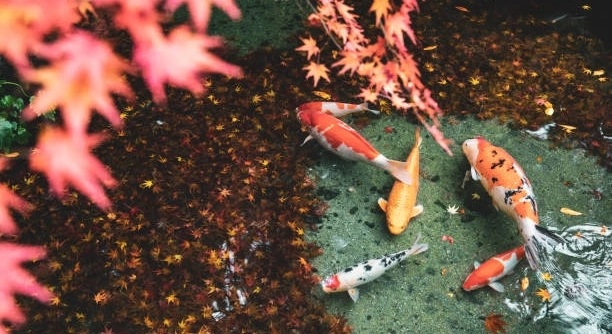
Have you ever watched your koi fish sit still at the bottom of the pond, ignoring the space around them completely?
Koi fish sometimes refuse to swim due to stress, illness, poor water quality, or temperature changes. These factors can disrupt their normal behavior, causing them to become lethargic or inactive. Identifying the root issue is essential.
Learning what causes this change can help you improve their care and support their overall health and movement.
Common Reasons Koi Fish Stop Swimming
Koi fish are sensitive to their environment, and even small changes can impact their behavior. Poor water quality is one of the leading causes. High levels of ammonia, nitrites, or nitrates can make koi sluggish or cause them to stay at the bottom. Sudden shifts in temperature, especially when the water gets too cold or too warm, can also discourage movement. Illness, including parasitic or bacterial infections, may cause visible signs like fin clamping or changes in color, and koi may stop swimming as they conserve energy. Overcrowding and lack of oxygen further add to the stress. It’s important to monitor pH levels, oxygen levels, and water clarity regularly. Feeding practices also play a role—overfeeding or poor-quality food can lead to bloating or digestive stress, causing koi to lie still. Every factor is connected, so paying attention to patterns helps you respond quickly and effectively.
If your koi are motionless, first check the water conditions and temperature before assuming anything more serious.
Many times, this behavior starts with something simple in their surroundings. Koi fish rely heavily on stable and clean water to stay active and healthy. Test your water with reliable kits and keep a maintenance schedule to avoid imbalances. Sudden shifts in pH or oxygen levels can make koi uncomfortable. If your fish are acting differently, consider changes made in the past few days, such as new plants, pond treatments, or added fish. Sometimes even minor disruptions can throw off their behavior. If everything checks out fine but your koi still refuse to swim, it may be time to isolate the fish and look for physical symptoms. Are the fins clamped? Is there visible discoloration? Koi tend to hide signs of illness, so close observation is important. When in doubt, consult a pond specialist or a vet with fish experience to get a clear understanding of what’s happening and what steps to take next.
How Stress Affects Movement in Koi
Stress builds quietly and often shows up through changes in behavior, especially reduced movement or hiding near the bottom of the pond.
Koi fish are easily affected by stress, and one of the first signs is a sudden drop in activity. This can be due to predator presence, loud noises, or even frequent handling. Their natural response is to conserve energy and stay still. Stress can also weaken their immune system, making them more prone to infections. Poor lighting, lack of shelter, or a pond without shaded areas may also trigger stress in koi. You might not notice the cause immediately, but if your fish are behaving differently, it’s worth revisiting their environment. Long-term stress not only affects their movement but also their eating habits and growth. Creating a calm, well-balanced pond helps koi feel secure. Add plants, keep noise low, and avoid sudden changes in routine. When your koi feel safe, they’ll start swimming again, showing more interest in their surroundings and food.
Identifying Health Issues in Koi
When koi refuse to swim, it’s important to rule out illness early. Look for signs like white spots, fin rot, bloating, or redness along the body. These signs usually mean something more than just a change in water conditions.
A koi’s behavior can change noticeably when it’s not feeling well. If your koi is sitting at the bottom, not responding to food, or separating itself from other fish, illness could be the cause. External signs like ragged fins, ulcers, or pale coloring are common indicators of bacterial or parasitic infections. Internal issues such as swim bladder problems may also cause unusual floating or sinking. Quarantining the affected fish helps prevent the spread of disease while giving you a better view of any developing symptoms. Medication or salt baths may be needed depending on the diagnosis. Always act quickly when health issues are suspected, as koi can decline fast without the right care.
Getting a proper diagnosis can be hard without experience. If water tests are normal and your koi still isn’t swimming, consult a vet who specializes in fish or contact a local aquatic expert. They can examine samples from your pond or take a closer look at the fish to identify parasites or infections. Avoid treating blindly with multiple medications, as this can worsen stress or harm beneficial bacteria. Instead, isolate the problem and focus on a targeted solution. Keeping the sick koi in a separate tank with clean, oxygen-rich water helps support recovery. Many koi recover well with prompt attention, especially if the issue is caught early and the care is consistent.
How Water Quality Impacts Koi Behavior
Poor water conditions are one of the most common reasons koi stop swimming. Even small changes in ammonia or nitrate levels can lead to stress. Testing regularly keeps things balanced and helps your koi feel more comfortable.
Clean, balanced water is essential for koi health and activity. If ammonia levels spike or pH drops too low, koi will often become inactive. This is their way of conserving energy while avoiding additional stress. Dirty filters, decaying plants, and leftover food can quickly upset the pond’s balance. Testing your water weekly helps prevent surprises. Keep ammonia and nitrite at zero, pH around 7.0–8.0, and make sure the water is well-aerated. Oxygen is just as important—low levels can lead to gasping at the surface or sinking to the bottom. Water changes and a strong filtration system go a long way in supporting stable conditions. When water is clean and oxygen-rich, koi are more likely to swim and behave normally.
Feeding Mistakes That Can Cause Stillness
Overfeeding is a common issue and often leads to koi becoming sluggish. Excess food pollutes the water, which lowers oxygen and raises ammonia. It also causes bloating or digestive trouble, making the fish less active and more prone to sitting still.
Feeding low-quality food can also impact their behavior. Poor ingredients are harder to digest and can disrupt gut health. Koi may also lose interest in swimming if food is always floating in the same spot, leading to boredom. Try varying their diet and feeding locations occasionally.
Seasonal Changes and Temperature Shifts
Koi respond strongly to changes in season, especially temperature drops. In colder weather, their metabolism slows, and they naturally become less active. You’ll notice them staying at the bottom or barely moving. This is normal and doesn’t always mean something is wrong. However, sudden fluctuations in temperature—especially within a single day—can be stressful. A stable environment helps koi adjust more comfortably. Using a pond heater or shade during extreme seasons helps reduce shock. Don’t feed koi during cold spells when temperatures fall below 50°F (10°C), as digestion slows down too much. Let their behavior guide your actions seasonally.
Importance of a Calm Environment
Loud noises, constant disturbances, or aggressive tank mates can scare koi into hiding. A peaceful space allows them to feel safe and swim more freely.
FAQ
Why does my koi fish stay at the bottom and not swim?
Koi fish often stay at the bottom when stressed, sick, or uncomfortable with water conditions. Poor water quality, low oxygen, illness, or sudden temperature changes can make koi less active. Sitting at the bottom helps them conserve energy while coping with these issues.
Can poor water quality cause koi to stop swimming?
Yes, poor water quality is one of the main reasons koi become inactive. High ammonia or nitrite levels irritate their gills and skin. Low oxygen makes it hard for them to breathe. Testing and maintaining water quality regularly helps prevent these problems.
How do temperature changes affect koi swimming habits?
Koi are cold-blooded and their metabolism slows as temperatures drop, especially below 50°F (10°C). They swim less and rest near the bottom during cold months. Sudden temperature swings can stress them and cause unusual behavior, so gradual changes are better.
Is it normal for koi to stop swimming in winter?
Yes, koi naturally reduce activity in colder months. They enter a state similar to hibernation, moving very little to save energy. It’s important not to feed them much during this time, as their digestion slows down and uneaten food pollutes the water.
Could illness be causing my koi not to swim?
Illness is a common cause when koi stop swimming. Symptoms like white spots, red marks, ragged fins, or bloating often appear. Quarantine sick fish and consult an aquatic vet to identify infections or parasites. Early treatment improves chances of recovery.
What role does feeding play in koi activity?
Overfeeding can cause digestive issues and pollute water, leading to lethargy. Poor-quality food also affects health and activity. Feeding small amounts of balanced food and removing leftovers keeps koi healthy and more active.
How can I tell if my koi is stressed?
Signs of stress include hiding, clamped fins, erratic swimming, or refusing food. Stress often results from poor water quality, loud noises, overcrowding, or predators nearby. Reducing disturbances and improving water conditions helps koi feel safe again.
Should I treat my koi if it’s not swimming?
Treatment depends on the cause. If water quality is poor, fix that first. For illness, identify symptoms and use proper medication. Avoid random treatments that can increase stress. Isolating affected fish and consulting professionals is the best approach.
Does pond design affect koi swimming?
Yes, koi need space to swim and places to hide. Overcrowded or shallow ponds limit movement. Adding plants and shaded areas creates a comfortable environment. A well-designed pond encourages natural behaviors and keeps koi active.
How often should I test my pond water?
Testing weekly is ideal, especially for ammonia, nitrite, nitrate, pH, and oxygen levels. Regular checks help catch problems early and maintain a healthy environment. Adjust filtration and water changes based on test results to support koi health.
Can stress cause koi to lose appetite?
Stress reduces koi appetite as their body focuses on survival. When stressed, they may stop swimming and refuse food. Addressing the cause of stress and ensuring clean water can restore their interest in eating and activity.
Is it okay if my koi rests on the bottom sometimes?
Yes, koi resting on the bottom occasionally is normal. They often do this to rest or digest food. However, if they remain still for long periods or show other symptoms, it may indicate an underlying problem.
How can I help my koi recover from inactivity?
Start by checking water quality and temperature. Improve filtration, remove debris, and avoid sudden changes. Provide a balanced diet and reduce feeding if water is cold. Isolate sick fish and treat if necessary. Creating a calm, stable environment supports recovery.
Are koi sensitive to loud noises or vibrations?
Koi can be startled by loud sounds or vibrations, causing them to hide or stay still. Keeping noise levels low around the pond and avoiding sudden movements helps them feel secure and encourages swimming.
Can overcrowding cause koi to stop swimming?
Yes, overcrowding leads to competition for oxygen and space, increasing stress. This can cause koi to become inactive or hide. Maintaining appropriate stocking levels and ensuring good filtration reduces these problems and supports healthy activity.
Final Thoughts
Koi fish sometimes refuse to swim for several understandable reasons. Their behavior often reflects how they feel inside their environment. Factors like water quality, temperature changes, feeding habits, and stress all play a role in how active they are. Recognizing these signs early can help keep koi healthy and happy. A koi that rests for short periods or slows down during colder months is usually normal. However, long-lasting inactivity or unusual behavior might point to a deeper problem that needs attention.
Maintaining a clean and stable pond environment is the foundation for koi health. Regular water testing and changes prevent harmful toxins from building up. Feeding them the right amount and quality of food supports digestion and energy. Avoid overfeeding or feeding during cold weather to reduce risks of illness and water pollution. Seasonal changes require special care, as koi naturally slow down in colder temperatures. Providing a calm, spacious habitat with places to hide reduces stress, making koi more comfortable and likely to swim around freely.
Paying close attention to koi behavior will help catch issues early before they become serious. If koi stop swimming for longer than usual or show signs of illness, prompt action is important. Quarantining sick fish, improving water conditions, and seeking expert advice when needed will give koi the best chance to recover. With proper care and understanding of their needs, koi can thrive and display their lively swimming patterns that bring enjoyment and beauty to any pond.

Hello,
If you enjoy the content that we create, please consider saying a "Thank You!" by leaving a tip.
Every little bit helps us continue crafting quality advice that supports the health, happiness, and well-being of pets around the world, for pets of all shapes, sizes, and species.
We really appreciate the kindness and support that you show us!