
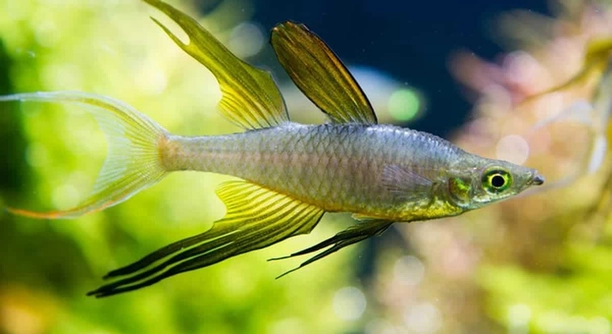
Do you ever notice your Threadfin Rainbowfish swimming gracefully and wonder if they feel at ease in their tank? Observing their daily behavior can give clues about their comfort and overall well-being in a home aquarium setting.
Threadfin Rainbowfish display comfort through consistent, relaxed swimming, coordinated schooling with tank mates, vibrant coloration, regular feeding behavior, minimal hiding, active exploration of their environment, and gentle interactions with other species. Each of these behaviors indicates a healthy, stress-free state.
Recognizing these behaviors will help you ensure your rainbowfish thrive in their aquarium environment and enjoy a stable, enriching habitat for long-term health.
Relaxed and Confident Swimming
Threadfin Rainbowfish that are comfortable tend to swim with ease, showing no signs of stress or rapid darting. They glide through the water smoothly, exploring the tank without hesitation. Their movements appear natural and balanced, often following gentle currents and interacting with plants or decorations. Comfortable fish maintain a steady rhythm, rarely sticking to corners or the bottom of the tank for long periods. Observing them over time, you may notice that they occasionally hover near the surface or mid-water levels, indicating confidence in their environment. They often swim in small groups or schools, moving together with subtle coordination. This synchronized movement is a sign of comfort, as stressed fish typically isolate themselves or hide frequently. Paying attention to these swimming patterns allows owners to detect subtle changes in behavior. A calm, confident swimming style signals that your Threadfin Rainbowfish feel safe, secure, and at ease in their tank.
Smooth and confident swimming reflects a healthy, comfortable state in Threadfin Rainbowfish, showing trust in their environment and minimal stress responses.
Observing these patterns consistently can help you gauge the overall well-being of your fish. When they explore new areas or swim freely around plants and decorations, it reassures you that the tank setup meets their needs. Small details, like how they interact with surfaces or each other, offer valuable insight into their mental state. Over time, you’ll notice that comfortable rainbowfish develop a predictable routine, often moving together or responding calmly to feeding times. This behavior demonstrates they feel secure, which is critical for growth, coloration, and longevity. Ensuring water quality, adequate space, and compatible tank mates reinforces these positive behaviors. By paying attention to subtle swimming cues, you can maintain an environment that supports both their physical and emotional health. Comfortable Threadfin Rainbowfish thrive in well-structured, enriching tanks where they can swim freely without fear or stress.
Vibrant Colors and Healthy Appearance
Healthy Threadfin Rainbowfish show bright, vivid colors that reflect their comfort. Dull or faded coloring can indicate stress, illness, or poor water quality.
Vibrant coloration is a direct sign of a fish feeling secure and thriving. Their scales appear shiny, smooth, and evenly colored, without blotches or irregular patches. Comfortable rainbowfish often display subtle color changes when interacting with tank mates or during feeding, which can signal mood or excitement. This visual indicator is easy to monitor and provides immediate feedback on their well-being. In addition to color, the fish’s fins remain fully extended and intact. Damaged or clamped fins can point to stress, aggression, or inadequate water conditions. Observing their appearance alongside swimming behavior gives a complete picture of health. Proper diet, stable water parameters, and a calm environment support vibrant colors and overall vitality. Ensuring regular maintenance and careful monitoring helps maintain the bright, attractive appearance of your Threadfin Rainbowfish.
Healthy, vibrant colors in rainbowfish not only show comfort but also reflect proper care, making them enjoyable to watch while ensuring long-term well-being.
Social Interaction with Tank Mates
Threadfin Rainbowfish that feel comfortable often swim in coordinated groups, maintaining close proximity to other fish without signs of aggression. They share space peacefully and respond to movements of their companions naturally.
These fish display subtle communication through body language, often following one another or mirroring movements. Comfortable rainbowfish rarely hide when others approach, showing trust and a sense of security within their environment. They may gently nudge or swim alongside tank mates, indicating healthy social behavior. Observing these interactions helps you understand their social structure and comfort level, as isolated or fearful fish often avoid contact entirely.
Social behavior also involves responding to feeding times together. Comfortable fish move calmly toward food, but they rarely fight or display dominance aggressively. Their synchronized swimming and gentle interactions indicate mental well-being. Maintaining a stable tank, adequate space, and compatible companions supports these positive social behaviors, ensuring a harmonious environment. By watching these cues, you can confirm that your rainbowfish are thriving both individually and as part of a group.
Active Exploration and Curiosity
Comfortable Threadfin Rainbowfish frequently explore their surroundings, moving through plants, decorations, and different tank levels. They investigate changes and new additions without hesitation.
Exploration indicates both mental stimulation and security. Fish that feel safe venture into open areas, investigate hiding spots, and interact with the environment regularly. They may circle decorations, swim along plants, or check substrate for food particles. A fish that avoids exploration often signals discomfort, stress, or illness, making observation a useful behavioral tool. By encouraging a varied environment with hiding spots and open swimming space, owners can promote natural exploration.
Active curiosity supports physical and mental health. Fish that explore consistently are more likely to develop stronger immune responses and maintain vibrant colors. Environmental enrichment, like varied plants or smooth rocks, stimulates natural behaviors while preventing boredom. Watching your rainbowfish navigate and investigate demonstrates their comfort and adaptability, reflecting a well-balanced habitat. Ensuring a dynamic yet safe environment allows them to display these behaviors naturally, contributing to their overall happiness and longevity.
Regular Feeding Behavior
Comfortable Threadfin Rainbowfish eat consistently and show interest during feeding times. They approach food without hesitation and consume it steadily, without signs of fear or aggression.
They do not compete aggressively for food but maintain calm, orderly eating habits. Regular feeding behavior signals that the fish feel secure in their environment and that tank conditions meet their basic needs.
Minimal Hiding
Rainbowfish that feel at ease rarely stay hidden for long periods. They explore openly and use hiding spots only occasionally for rest or safety.
Comfortable fish display curiosity rather than fear when new objects or movements occur in the tank. Minimal hiding reflects confidence and trust in their surroundings, indicating both mental and physical well-being.
Gentle Interactions with Other Species
Threadfin Rainbowfish maintain calm, non-aggressive behavior when sharing the tank with other species. They swim alongside other fish without chasing or showing territorial displays.
Gentle interactions indicate proper acclimation and comfort. Fish that feel secure interact respectfully, avoiding conflicts, and contribute to a peaceful, balanced aquarium environment.
How do I know if my Threadfin Rainbowfish are comfortable in the tank?
You can tell by observing their overall behavior. Comfortable rainbowfish swim steadily and confidently, interact gently with tank mates, and display vibrant colors. They explore the environment without hesitation and respond calmly during feeding. Minimal hiding, consistent swimming patterns, and synchronized schooling are all clear indicators of comfort. Watching these behaviors regularly helps ensure the tank provides a secure and enriching habitat.
Why is schooling important for Threadfin Rainbowfish comfort?
Schooling is a natural behavior that provides safety and social interaction. When fish swim in coordinated groups, it shows they feel secure in their environment. Comfortable rainbowfish follow each other naturally, maintain spacing, and rarely isolate themselves. Observing schooling patterns allows you to gauge stress levels and overall well-being. Disruptions in schooling, such as excessive hiding or aggressive chasing, can indicate discomfort or environmental issues.
What signs indicate my rainbowfish might be stressed?
Signs of stress include clamped fins, faded colors, erratic swimming, frequent hiding, and aggression toward tank mates. Loss of appetite or unusual lethargy also signals discomfort. Stress often arises from poor water quality, overcrowding, sudden changes, or incompatible tank companions. Addressing these factors promptly helps restore comfort and maintain long-term health. Stress can also make fish more prone to disease, so early detection is important.
How can I encourage my rainbowfish to feel more comfortable?
Providing a stable, clean environment with proper filtration and water parameters is essential. Include plenty of swimming space, gentle currents, plants, and hiding spots. Keeping compatible species together reduces aggression and supports social behaviors. Feeding a balanced diet on a consistent schedule encourages confidence and predictable routines. Gradual changes to the tank, rather than sudden alterations, also help fish adjust without stress.
Does water quality affect rainbowfish comfort?
Yes, water quality is a critical factor. Threadfin Rainbowfish thrive in clean, well-oxygenated water with stable temperature and pH levels. Poor water conditions can lead to stress, reduced appetite, faded colors, and disease. Regular testing, water changes, and careful monitoring of ammonia, nitrite, and nitrate levels support their well-being. Maintaining proper conditions ensures fish feel secure and exhibit natural, comfortable behaviors.
How often should I observe their behavior?
Daily observation is recommended. Short, consistent checks allow you to notice changes in swimming patterns, coloration, and social interactions. Monitoring behavior helps detect early signs of stress or illness. Observing feeding habits, schooling, and interactions provides insight into overall comfort. Keeping a mental or written log can help track trends over time, making it easier to respond to potential issues quickly.
Can tank size influence comfort levels?
Yes, tank size greatly impacts comfort. Threadfin Rainbowfish are active swimmers and need ample space for schooling. Overcrowding leads to stress, aggression, and hiding. Providing a tank that allows free movement and maintains proper social structure supports healthy behaviors. A spacious, well-structured environment encourages natural swimming patterns, exploration, and interactions, all of which are essential for comfort and long-term health.
What role does diet play in comfort and behavior?
A balanced diet affects both physical health and mental well-being. Proper nutrition supports vibrant colors, energy levels, and immune function. Feeding high-quality flakes, pellets, or live foods on a regular schedule encourages consistent feeding behavior. Fish that are underfed or receive a poor diet may become lethargic, stressed, or show reduced coloration. Maintaining a nutritious, varied diet helps rainbowfish feel secure and display natural behaviors confidently.
How can I tell if my fish are happy with tank mates?
Happy rainbowfish swim alongside compatible species without chasing or displaying aggression. They maintain peaceful schooling patterns and interact gently during feeding. Avoiding constant hiding or rapid fleeing is another sign of comfort. Selecting tank mates with similar temperaments and size supports harmonious social interactions, reducing stress and promoting confident, natural behaviors in all fish.
What environmental enrichments help rainbowfish feel at ease?
Plants, rocks, driftwood, and gentle water currents provide exploration opportunities and hiding spaces. Varied environments encourage natural behaviors like investigating, schooling, and resting. Comfortable fish use these features without fear, enhancing their mental stimulation. Rotating or adding new decorations gradually keeps the environment interesting while maintaining stability, helping rainbowfish feel safe and content.
How long does it take for rainbowfish to settle and show comfort behaviors?
Adjustment time varies by fish and tank conditions. Typically, rainbowfish begin to display confident swimming, social interactions, and feeding behavior within a few days to a couple of weeks. Providing a stable, enriched environment from the start speeds up this process. Continuous observation ensures they are acclimating properly and exhibiting behaviors that indicate comfort.
Are there signs of long-term comfort versus temporary relaxation?
Long-term comfort is shown by consistent, daily behaviors like steady swimming, regular schooling, vibrant colors, and gentle interactions. Temporary relaxation might appear during feeding or after minor disturbances but may not be sustained if stress factors exist. Observing patterns over weeks helps distinguish lasting comfort from short-lived calm moments, ensuring a truly supportive habitat for your rainbowfish.
Observing your Threadfin Rainbowfish closely gives you a clear picture of their overall comfort and health. When they swim confidently, interact gently with other fish, and explore their environment, it shows that your tank setup meets their basic needs. Paying attention to these behaviors helps ensure that the water quality, space, and social conditions are appropriate. Comfortable fish are more likely to maintain vibrant colors, consistent feeding habits, and smooth schooling patterns. Even small changes in behavior, such as increased hiding, clamped fins, or erratic swimming, can indicate stress or discomfort. By noticing these subtle signs early, you can make adjustments to their habitat to prevent health problems or stress-related issues. This proactive observation is one of the best ways to ensure that your rainbowfish live a stable and happy life. Over time, watching their daily routines becomes easier, and you can identify what makes them most comfortable.
Maintaining a balanced and enriched environment is essential for promoting consistent comfort in Threadfin Rainbowfish. Providing enough swimming space, stable water parameters, and gentle currents supports natural behaviors. Decorations such as plants, rocks, and driftwood offer hiding places and exploration opportunities that encourage mental stimulation. Choosing compatible tank mates is equally important, as harmonious social interactions reduce stress and allow rainbowfish to display natural schooling behavior. Feeding a regular, nutritious diet also contributes to comfort and overall well-being. When all these factors come together, your rainbowfish will show predictable, confident behaviors that signal their comfort. Regular maintenance, such as monitoring water quality and making gradual changes to the tank, reinforces a sense of security for the fish. The goal is to create a consistent, supportive environment that encourages both physical and mental health, ensuring they thrive in their home aquarium.
Observing, maintaining, and adjusting your tank to match the needs of your Threadfin Rainbowfish ensures long-term health and well-being. Comfortable fish are easier to care for because their predictable behavior makes it simple to detect problems early. They are more active, explore regularly, and interact peacefully with other species, which makes the aquarium a lively and harmonious space. By paying attention to swimming patterns, feeding behavior, coloration, and social interactions, you can confirm that your rainbowfish are thriving. Comfort is not just about absence of stress but also about creating an environment where they can express natural behaviors fully. This combination of observation, care, and habitat management allows your rainbowfish to live a secure, healthy, and fulfilling life, making them a joy to keep and watch.

Hello,
If you enjoy the content that we create, please consider saying a "Thank You!" by leaving a tip.
Every little bit helps us continue crafting quality advice that supports the health, happiness, and well-being of pets around the world, for pets of all shapes, sizes, and species.
We really appreciate the kindness and support that you show us!