
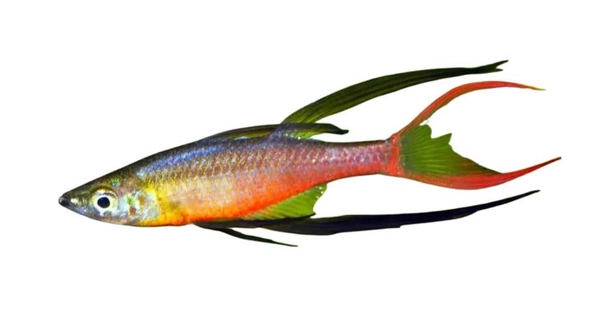
Have you ever noticed a cloudy white film forming in your Threadfin Rainbowfish tank, leaving the water looking hazy and less inviting than usual?
The presence of white film in Threadfin Rainbowfish tanks is commonly linked to organic buildup, bacterial blooms, mineral deposits, or improper tank maintenance. These factors can quickly alter water quality, creating an environment that affects both the appearance and health of your fish.
Understanding the main causes behind this white film will help you restore balance, improve clarity, and maintain a healthier aquatic space for your rainbowfish.
Organic Waste and Uneaten Food
Organic waste and leftover food are among the most common reasons for white film developing in a Threadfin Rainbowfish tank. When uneaten flakes, pellets, or live foods sink to the bottom, they quickly begin to decay. This decomposition releases organic matter into the water, which can encourage bacterial blooms that appear as a cloudy white film on surfaces or floating in the water. Overfeeding often worsens this issue, since fish rarely consume everything provided at once. Without proper cleaning, this buildup continues to accumulate, leading to poor water quality and a stressed environment for your rainbowfish.
Keeping feeding portions small is key. Only provide as much as your fish can consume within a couple of minutes.
Routine maintenance is equally important. Removing debris from the substrate and trimming away decayed plant matter helps reduce excess organics. A regular cleaning schedule, combined with mindful feeding, prevents waste from becoming a recurring cause of white film.
Bacterial Blooms
Bacterial blooms are another frequent source of white film in aquariums. These blooms occur when bacteria populations grow too quickly, usually because of excess nutrients in the water.
When organic material, uneaten food, or fish waste accumulates, it becomes a food source for bacteria. As bacterial colonies multiply, they cause a hazy or cloudy appearance, often leaving a film on surfaces like the tank walls, decorations, and equipment. While not inherently harmful, this sudden increase can stress Threadfin Rainbowfish by lowering oxygen levels and making the water appear unclean. In newly set up tanks, bacterial blooms are especially common since the nitrogen cycle is still stabilizing. To manage them, avoid overfeeding, perform consistent water changes, and test water parameters regularly. Adding a properly sized filter with quality media also supports beneficial bacteria while controlling excess growth. Over time, bacterial blooms usually balance out, but monitoring the tank closely ensures they don’t overwhelm your fish or compromise water clarity.
Mineral Deposits
Mineral deposits often create a white, chalky film on tank glass and equipment. Hard water with high calcium or magnesium levels tends to leave behind these residues, especially when evaporation occurs and concentrates the minerals.
The film usually appears around the waterline or on surfaces where splashing is common. It can be difficult to remove if left for too long, hardening into noticeable crusts that dull the tank’s appearance. Using distilled or softened water helps prevent buildup, while regular cleaning with aquarium-safe tools makes removal easier. Avoid household cleaners, as they can harm Threadfin Rainbowfish.
Regular water testing is important to monitor hardness levels. If mineral deposits are persistent, consider adjusting your water source or using reverse osmosis water to create a softer environment. This not only prevents white film but also creates conditions that better match the natural habitat of Threadfin Rainbowfish.
Poor Tank Circulation
Poor circulation allows debris and organic matter to settle in still areas of the tank, creating the perfect environment for white film to form. Stagnant spots often collect waste, leading to localized bacterial or fungal growth that spreads if left unchecked.
Improving circulation helps maintain a balanced aquarium. A well-sized filter ensures water is moving efficiently throughout the tank, reducing the chance of film building up on surfaces. Adding air stones or powerheads further boosts oxygenation while preventing debris from accumulating in hidden corners. For Threadfin Rainbowfish, steady water movement not only keeps the environment clear but also supports their active swimming habits. Maintaining consistent circulation is one of the simplest ways to prevent issues that cause water quality problems and preserve a cleaner, healthier habitat.
Overfeeding
Overfeeding leads to uneaten food settling at the bottom, where it decomposes and creates excess nutrients in the water. This directly contributes to the appearance of white film and lowers overall water quality for your rainbowfish.
Reducing feeding portions helps prevent this. Offering small, controlled amounts ensures your fish eat everything provided. Regularly removing leftover food right after feeding keeps the tank cleaner, limiting the chance for organic matter to break down and fuel film growth.
Dead Plant Matter
Decaying plants release organic material into the water, which supports bacterial and fungal growth. This often results in a cloudy or filmy appearance. Trimming dying leaves, cleaning debris, and maintaining healthy plant growth reduces decomposition and helps keep your Threadfin Rainbowfish tank clear of unnecessary buildup.
Inadequate Cleaning
Infrequent cleaning allows waste, algae, and debris to accumulate unnoticed. Over time, this buildup forms white films on the glass, decorations, and filter parts. A consistent cleaning routine helps prevent this, ensuring your tank remains balanced and visually appealing for your rainbowfish.
FAQ
What is the main cause of white film in Threadfin Rainbowfish tanks?
The main cause is a combination of organic waste, uneaten food, and bacterial growth. When food and fish waste accumulate, bacteria feed on these materials, forming a thin white layer that floats in the water or clings to surfaces. Regular cleaning and controlled feeding help prevent it.
Can overfeeding really make the water cloudy?
Yes. Excess food that fish do not eat breaks down into organic matter, increasing nutrient levels in the water. This triggers bacterial blooms that create a white film. Reducing food portions and removing leftovers after each feeding significantly lowers the risk of cloudy water.
Does hard water contribute to the film?
Hard water can leave mineral deposits on the tank glass and equipment. Calcium and magnesium residues build up over time, forming a chalky white film. Using softened or distilled water, combined with regular cleaning, helps reduce these deposits and keeps the tank looking clear.
Will bacterial blooms harm my Threadfin Rainbowfish?
Bacterial blooms are generally not harmful in small amounts, but they can stress fish if oxygen levels drop or water quality deteriorates. Persistent blooms indicate excess organic matter, which should be addressed to maintain a healthy environment for your rainbowfish.
How often should I clean my tank?
Cleaning frequency depends on tank size, fish population, and feeding habits. Generally, partial water changes of 20–25% weekly and removal of debris from the substrate prevent organic buildup. Cleaning the filter according to the manufacturer’s instructions also helps maintain water clarity and reduces white film.
Can poor circulation cause white film?
Yes. Stagnant areas allow debris to settle and bacteria to grow, leading to white film. Using a properly sized filter and adding air stones or powerheads improves water movement, preventing stagnant zones and supporting overall tank health.
Does decaying plant matter make a difference?
Absolutely. Dead leaves and plant fragments decompose, releasing nutrients that feed bacteria and fungi. Regularly trimming dying plants and removing debris reduces organic load, keeping the tank water clear and preventing the formation of white film.
Are mineral deposits easy to remove?
They can be stubborn if left too long. Using aquarium-safe scrapers or cloths removes most deposits. Avoid household cleaners, which can harm fish. Regular maintenance, combined with monitoring water hardness, prevents buildup and keeps surfaces clear over time.
Is there a way to prevent white film entirely?
While complete prevention is challenging, following a consistent maintenance routine helps significantly. Controlled feeding, regular water changes, cleaning debris, trimming plants, and maintaining proper filtration all work together to reduce the likelihood of white film forming.
How quickly can the tank recover from white film?
Recovery depends on addressing the root causes. After improving cleaning, feeding, and circulation, water clarity usually returns within a few days to a week. Persistent issues may require checking water parameters or adjusting mineral content to stabilize the environment for your fish.
Does tank size affect white film formation?
Smaller tanks are more prone to white film due to limited water volume, which makes waste and nutrient accumulation faster. Larger tanks dilute waste more effectively but still require regular maintenance to prevent film from forming on surfaces or floating in the water.
Can I use chemicals to remove the film?
Chemicals are not recommended, as they can harm Threadfin Rainbowfish. Instead, rely on manual cleaning, proper filtration, and water changes. These methods address the cause rather than just masking the appearance, ensuring a safe and healthy environment.
How do I balance feeding to avoid white film?
Offer only what fish can consume in 2–3 minutes. Remove leftovers immediately. Feeding smaller amounts more frequently is better than giving large portions at once. This approach prevents excess food from decomposing and reduces nutrient buildup that fuels bacterial growth.
Is regular testing of water necessary?
Yes. Testing for ammonia, nitrites, nitrates, and hardness helps identify conditions that contribute to white film. Monitoring these parameters ensures water quality remains stable and supports the health of your Threadfin Rainbowfish.
Do decorations and substrate influence film formation?
They can. Surfaces with crevices or rough textures trap debris and organic matter, providing sites for bacteria to grow. Cleaning decorations and stirring the substrate during maintenance reduces these hotspots, helping keep the tank free of white film.
How long does it take for white film to form?
White film can develop within a few days if feeding is excessive or tank maintenance is neglected. Even in well-maintained tanks, small amounts may appear temporarily after adding new food, plants, or fish, but proper care prevents persistent buildup.
Can temperature affect bacterial growth?
Yes. Warmer water accelerates bacterial reproduction, making white film appear faster. Keeping the tank within the recommended temperature range for Threadfin Rainbowfish, combined with regular maintenance, helps manage bacterial levels and reduces the risk of cloudy water.
Are live plants helpful in preventing white film?
Live plants absorb nutrients and can reduce organic matter in the water. Healthy plants help maintain balance, but decaying plant material contributes to film formation. Regular care of live plants ensures they support water quality without adding extra waste.
Does filter type matter?
Yes. Mechanical filtration removes debris, biological filtration supports beneficial bacteria, and chemical media can absorb excess nutrients. Using a combination suited to tank size and fish population helps maintain clear water and prevents white film from developing.
How do I know if the white film is harmful or just cosmetic?
Thin, temporary film from minor bacterial growth is mostly cosmetic and resolves with cleaning. Persistent or thick film, especially accompanied by cloudy water or stressed fish, indicates water quality issues that must be addressed promptly to protect your Threadfin Rainbowfish.
Final Thoughts
Maintaining a Threadfin Rainbowfish tank can sometimes feel challenging, especially when issues like white film appear. This film is often the result of a combination of factors, including uneaten food, organic waste, bacterial blooms, mineral deposits, and poor circulation. Each factor contributes in its own way, and ignoring even one can make the problem persist. Understanding what causes white film is the first step in preventing it. Paying attention to feeding habits, tank maintenance, and water quality will help keep your tank clean and clear. Regular observation of your fish and tank conditions is crucial. Noticing early signs of buildup allows you to take action before it affects the health of your rainbowfish. Over time, following consistent care routines will reduce the frequency and intensity of white film.
Consistency in tank maintenance is key. Small, frequent actions are more effective than occasional large cleanings. Partial water changes, substrate cleaning, and filter maintenance all play important roles in controlling white film. Feeding should be carefully monitored to prevent excess nutrients from accumulating. Uneaten food should be removed promptly, and the amount of food given should match what your fish can consume in a few minutes. Live plants can also help manage nutrient levels, but decaying leaves must be removed to avoid contributing to the problem. Water testing is another important step. Regularly checking parameters such as ammonia, nitrites, nitrates, and hardness ensures the environment remains stable. Addressing small changes in water quality early can prevent the conditions that allow white film to develop. Circulation and aeration are also essential. Proper water movement distributes oxygen and prevents debris from settling in stagnant areas, reducing the chances of bacterial or mineral buildup.
While white film may initially appear to be just a cosmetic problem, it can indicate underlying issues in the tank. Addressing it improves not only the appearance of the aquarium but also the health and comfort of your Threadfin Rainbowfish. Maintaining balance in the tank creates a stable environment where fish thrive and water remains clear. Simple, consistent care habits make a significant difference over time. Paying attention to feeding, cleaning, and water quality prevents the film from becoming a persistent issue. With proper maintenance and careful monitoring, your tank can remain clean, your fish active, and the overall ecosystem balanced. Developing these routines may take a little effort, but the result is a healthier, more attractive aquarium that supports the long-term well-being of your rainbowfish.

Hello,
If you enjoy the content that we create, please consider saying a "Thank You!" by leaving a tip.
Every little bit helps us continue crafting quality advice that supports the health, happiness, and well-being of pets around the world, for pets of all shapes, sizes, and species.
We really appreciate the kindness and support that you show us!