
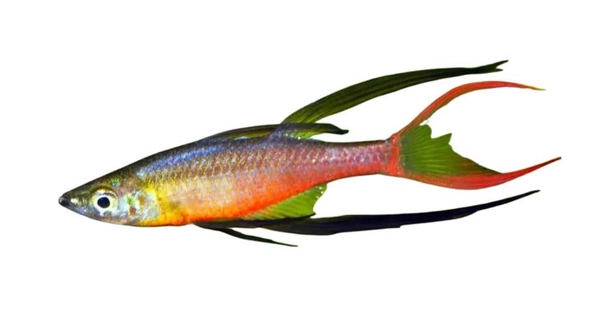
Threadfins are lively fish often admired for their graceful swimming and shimmering scales. Many aquarists enjoy keeping them in home tanks, carefully considering the environment to ensure the fish remain healthy and active over time.
Threadfins can survive without plants in the tank, but their overall well-being may be affected. Plants provide natural hiding spaces, reduce stress, and support environmental enrichment, which contributes to healthier, more active, and less anxious fish over the long term.
Understanding the role of plants in a threadfin’s habitat helps maintain a balanced, comfortable environment for these delicate fish. Observing their behavior can reveal subtle signs of stress or contentment.
The Importance of Tank Environment
Creating a suitable environment for threadfins is more than just filling a tank with water. The layout, decorations, and plants all play a role in mimicking their natural habitat. While they can adapt to bare tanks, the absence of plants removes opportunities for hiding and resting. Plants also help maintain water quality by absorbing excess nutrients, which reduces algae growth and supports overall tank health. Watching my own threadfins, I noticed they swim more confidently and seem less skittish when the tank includes live or artificial plants. Adding rocks or driftwood can provide additional shelter, but plants offer a softer, more natural option. This contributes not only to physical comfort but also to mental stimulation, encouraging natural behaviors such as exploring and foraging. Even simple greenery can make a significant difference in their daily activity levels and reduce signs of stress that are often subtle but noticeable to careful observers.
Plants can improve water quality and give threadfins spaces to hide, promoting calmer and more active behavior overall.
A well-planned tank supports a balanced ecosystem. Threadfins respond positively to visual barriers, which help them feel secure. Using floating plants or tall stem plants adds depth, allowing fish to move vertically and explore different layers. Artificial plants can substitute for live ones, but live plants often improve oxygen levels and provide more realistic textures. Observing how fish interact with their environment can reveal preferences, guiding future adjustments. Adjusting lighting and current can further complement the planted areas, ensuring threadfins can swim comfortably without constant stress. The combination of hiding spots, plants, and gentle water flow encourages natural behaviors and reduces aggression among tank mates. Even minimal additions create a noticeable improvement in activity and mood, making the tank a more inviting and healthier space for these delicate fish.
Signs of Stress Without Plants
Threadfins may appear restless or hide excessively when plants are absent. This indicates they are seeking security.
Observing behavior is key. Fish that dart repeatedly, isolate themselves, or avoid swimming near the surface may experience stress due to a lack of hiding spaces. Providing shelter or rearranging tank elements can help alleviate these issues. Maintaining consistency in water parameters, including temperature and pH, also supports a stable environment. By carefully monitoring activity and interactions, subtle signs of discomfort can be addressed early, preventing long-term health problems. Ensuring the tank includes areas for retreat or visual separation allows threadfins to express natural behaviors without constant exposure or confrontation. Over time, small changes such as adding plants, driftwood, or even floating décor can significantly reduce stress indicators, creating a calmer, more harmonious tank that promotes both physical and mental well-being for the fish.
Feeding Behavior and Tank Setup
Threadfins may struggle to find food efficiently in an empty tank. Plants provide surfaces for biofilm and small organisms, encouraging natural foraging. Without plants, they rely solely on prepared foods, which may reduce stimulation and lead to slower feeding responses or less active searching behavior.
Providing a varied diet is crucial. In tanks with plants, threadfins explore leaves and roots for microfauna, which supplements their nutrition. Live plants can attract tiny organisms, giving the fish opportunities to hunt and exercise instincts. In bare tanks, they may become bored or less motivated during feeding, affecting overall vitality. Observing feeding patterns can reveal whether additional environmental enrichment is needed. Even minor additions such as moss balls or floating plants can recreate foraging opportunities, helping maintain natural behavior and interest in meals. These small changes can enhance both physical health and mental stimulation.
Adjusting tank setup to encourage natural foraging is beneficial. Plants, rocks, or floating décor create microhabitats, making the fish more active and engaged. Without these, threadfins may display repetitive or lethargic behaviors. The environment should promote exploration, allowing fish to swim freely yet have retreat areas. Consistency in feeding times and types of food helps maintain routines, reducing stress. Observing interactions between fish can also guide further adjustments to tank layout. Over time, providing multiple surfaces and hiding spots encourages natural hunting, reduces aggression, and supports overall health.
Water Quality Considerations
Plants contribute to maintaining clean, balanced water by absorbing excess nutrients and reducing harmful compounds, making them essential for healthy tanks. Even a few plants can significantly support stable water conditions and reduce the need for frequent interventions.
Without plants, threadfins are exposed to more fluctuations in water chemistry. Ammonia and nitrate levels can rise faster, requiring careful monitoring and more frequent water changes. Filtration alone may not fully replicate the natural benefits of live plants. Adding hardy species can help mitigate these risks by naturally consuming waste and providing oxygenation. Artificial plants offer minimal chemical benefits but still provide shelter and structure. Observing the fish and testing water regularly ensures that conditions remain safe, supporting long-term health.
Proper water management is key for threadfin health. Plants act as natural buffers, absorbing nutrients and stabilizing pH levels. In a bare tank, sudden changes in water chemistry can cause stress or illness. Introducing live plants improves oxygenation, provides surfaces for beneficial bacteria, and reduces algae growth by competing for nutrients. Even a small number of well-chosen plants can significantly enhance the tank environment, allowing threadfins to thrive. Monitoring temperature, hardness, and ammonia levels alongside plant care ensures the habitat remains stable. Consistent observation and maintenance prevent sudden issues and support the fish’s natural behaviors.
Activity Levels and Space
Threadfins are naturally active swimmers and need space to move freely. Without plants, they may swim in open patterns, but lack of hiding spots can make them appear restless or stressed at times.
Providing even minimal décor, such as small plants or driftwood, can break up open space. This creates areas for brief retreats, allowing the fish to regulate activity and feel more secure while maintaining room for swimming freely.
Interaction With Tank Mates
Threadfins rely on visual cues and space to interact with other fish. Plants reduce direct confrontation by creating visual barriers and safe zones. In bare tanks, aggression or territorial behavior can become more pronounced, particularly during feeding or if the tank is overcrowded. Observing how they share space and adjust their positions around other fish helps identify whether additional shelter or plants are needed to reduce stress and promote harmonious interactions within the tank. Proper layout ensures both active swimming areas and hiding spots, supporting social balance and minimizing conflict.
Minimal Plant Options
Even a few hardy plants can improve comfort and reduce stress. Small stems or floating plants provide hiding spaces and visual breaks.
Observation and Adjustment
Monitoring behavior and water conditions is essential. Adjusting plants or décor gradually allows threadfins to adapt while maintaining health and activity.
FAQ
Can threadfins survive without plants in their tank?
Yes, threadfins can survive in a bare tank as long as water quality is maintained and they receive proper nutrition. However, the absence of plants removes natural hiding spots and environmental enrichment, which can lead to stress or less natural behavior. Adding even minimal décor can improve comfort.
Will my threadfins be stressed in a plantless tank?
Stress levels may increase when there are no places to hide or explore. Signs include excessive darting, hiding in corners, or reduced feeding activity. Plants or artificial décor provide safe zones, which help threadfins regulate stress and maintain normal activity.
Are artificial plants enough for threadfins?
Artificial plants offer visual barriers and spaces for retreat, which can reduce stress. They do not contribute to water quality like live plants but can still create a more comfortable and structured environment for swimming and interaction.
Do plants affect feeding behavior?
Yes, plants encourage natural foraging. In planted tanks, threadfins may graze on biofilm or small organisms on leaves, which supplements their diet and stimulates natural behaviors. Bare tanks limit this activity, making feeding less engaging and sometimes slower.
How many plants should I include in a tank?
Even a few strategically placed plants can make a difference. Floating plants or tall stems create vertical layers, while low-growing species provide horizontal coverage. The goal is to provide shelter and visual breaks without overcrowding the swimming space.
Can bare tanks cause aggression among tank mates?
Yes, visual barriers from plants reduce territorial disputes and aggressive interactions. In bare tanks, fish may confront each other more often, especially during feeding or if the tank is densely populated. Adding plants or décor can help distribute activity and minimize conflict.
Do plants improve water quality?
Live plants absorb excess nutrients, reducing nitrates and preventing algae overgrowth. They also support beneficial bacteria and oxygenate the water. Artificial plants do not provide these benefits but can still offer structural and psychological advantages.
How can I monitor if my threadfins are happy?
Observing activity, feeding, and social interactions is key. Fish that explore, feed actively, and swim confidently in different tank layers are likely content. Signs of stress, such as hiding constantly or erratic swimming, indicate a need for adjustments in tank setup or enrichment.
Are there specific plant types that work best for threadfins?
Hardy species like Java fern, Anubias, or floating plants are suitable because they tolerate a range of conditions and provide natural cover. Moss balls or low-light plants also work well, offering both shelter and surfaces for microfauna that support natural foraging.
Will adding plants affect maintenance?
Adding plants requires some extra care, including occasional trimming, monitoring growth, and checking for decay. However, they can reduce the frequency of water changes by absorbing nutrients and maintaining cleaner water. The benefits usually outweigh the added effort, especially for fish well-being.
Is it possible to balance a bare tank and fish happiness?
Yes, it is possible with careful attention to water quality, adequate space, and enrichment through décor or minimal plants. While threadfins can adapt, providing a structured environment supports natural behaviors, reduces stress, and improves long-term health, even with fewer plants.
Can I transition my threadfins from a bare tank to a planted tank?
Transitioning is feasible if done gradually. Introduce a few plants at a time and observe fish behavior. Most threadfins will adjust quickly, exploring new hiding spots and benefiting from additional environmental enrichment without major disruption to their routine.
Do plants impact breeding or reproductive behavior?
Yes, plants can create secluded areas that are important for spawning and egg protection. Bare tanks may limit these behaviors, making breeding less successful. Even minimal plant coverage can provide necessary privacy and reduce stress for reproductive activities.
How can I simulate plant benefits without live plants?
Artificial plants, driftwood, and rocks can replicate hiding spots and visual barriers. Floating décor creates vertical layers, and moss balls can provide foraging surfaces. While water quality benefits are absent, these alternatives still help threadfins feel secure and encourage natural movement and exploration.
What are the most common mistakes when keeping threadfins without plants?
Overcrowding, lack of hiding spaces, and neglecting water quality are common issues. Threadfins in bare tanks may experience stress or aggression if space and enrichment are insufficient. Careful planning of tank layout and monitoring behavior can prevent these problems and maintain a healthy environment.
Can bare tanks ever be ideal for threadfins?
Bare tanks may be suitable temporarily or for specific setups, such as quarantine or breeding observation. For long-term health and behavioral enrichment, incorporating some plants or décor is recommended to support comfort, reduce stress, and encourage natural activity patterns.
How often should I check water quality in a plantless tank?
Frequent monitoring is essential. Test ammonia, nitrite, nitrate, and pH levels at least weekly. Bare tanks lack the nutrient absorption of live plants, so regular water changes and filtration checks are critical to maintaining safe and stable conditions for threadfins.
Do plants make a visible difference in threadfin behavior?
Yes, tanks with plants generally show more active, confident, and less stressed fish. Threadfins explore vertical and horizontal layers, interact more comfortably with tank mates, and display natural foraging and swimming patterns that are less pronounced in bare tanks.
Can threadfins live long-term without plants?
They can survive, but long-term well-being is better supported with some form of environmental enrichment. Plants, décor, or structured hiding spaces contribute to reduced stress, more natural behavior, and overall healthier fish. Without these elements, subtle signs of discomfort may appear over time.
How do I choose the best setup for my tank?
Observe your fish and tank size, then select plants or décor that provide hiding spots without limiting swimming space. Balance open areas with shaded or covered zones. Adjust gradually, monitor behavior, and maintain water quality to ensure threadfins thrive in their environment.
Final Thoughts
Threadfins are adaptable fish that can survive in a variety of tank setups, including those without plants. While they can live in bare tanks, their overall comfort and natural behavior may be compromised without environmental enrichment. Plants provide more than just decoration—they offer hiding spaces, visual barriers, and surfaces for exploration. These small adjustments make a noticeable difference in their daily activity levels and help reduce stress. I have noticed in my own tanks that threadfins in planted environments appear calmer and more confident, exploring more of the space and interacting naturally with tank mates. Even minimal plant coverage or simple décor like driftwood can create a more balanced and secure environment, allowing the fish to move freely while still feeling protected.
Maintaining a plantless tank requires more careful attention to water quality and observation of behavior. Without plants to absorb excess nutrients and support beneficial bacteria, ammonia and nitrate levels can rise quickly, which can negatively affect fish health. Consistent water changes and careful monitoring are essential in this scenario. Providing alternative hiding spaces or visual barriers can help mitigate stress, though it may not fully replicate the benefits of live plants. Observing threadfins closely will reveal subtle signs of stress, such as hiding, erratic swimming, or reduced feeding activity. Adjusting tank elements gradually and providing enrichment ensures the fish remain active, healthy, and comfortable. In my experience, even simple changes, like adding floating décor or a few hardy stems, have a visible impact on their behavior and overall well-being.
The key takeaway is that while threadfins can survive without plants, their long-term happiness and health are enhanced by a thoughtful tank setup. Plants support natural behaviors such as foraging, exploring, and seeking shelter, which are essential for maintaining mental and physical health. Bare tanks may be practical in certain situations, like quarantine or breeding observation, but they require extra care and attention to ensure the fish do not become stressed. For anyone keeping threadfins, small efforts to provide structure, cover, and enrichment are worth the investment. Observing the fish closely and making adjustments based on their behavior ensures a harmonious environment. Even a few plants or pieces of décor can make the tank feel more natural and comfortable for these delicate, active fish, ultimately supporting their well-being and allowing them to thrive.

Hello,
If you enjoy the content that we create, please consider saying a "Thank You!" by leaving a tip.
Every little bit helps us continue crafting quality advice that supports the health, happiness, and well-being of pets around the world, for pets of all shapes, sizes, and species.
We really appreciate the kindness and support that you show us!