
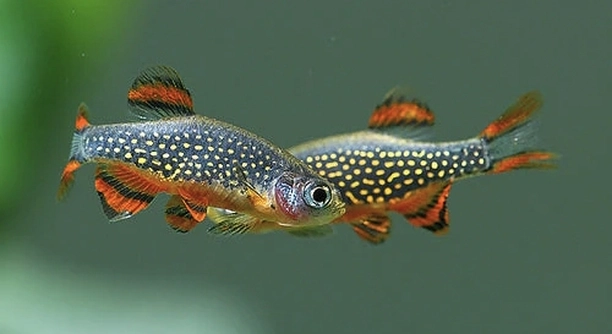
Breeding season brings noticeable changes in behavior, and many pet owners may start to sense these shifts without realizing why. Observing these subtle signals early can help ensure proper care and preparation for the animals in your home.
Certain behaviors can reliably indicate that breeding is near. Increased restlessness, heightened vocalizations, frequent scent-marking, changes in appetite, and more interactive or aggressive tendencies often occur. Recognizing these patterns allows for timely management and health monitoring.
Learning to identify these behaviors will make caring for your pets easier and more effective in the weeks leading up to breeding.
Increased Restlessness
When breeding season approaches, pets often show signs of restlessness. They may pace more frequently, seem unable to settle, or move around their environment in ways they normally wouldn’t. These changes can be subtle at first, but over time, you may notice them becoming more pronounced. Restlessness can manifest in short bursts of activity, repeated circling, or sudden bursts of energy. For some animals, this may mean increased climbing, digging, or exploring areas they usually ignore. Changes in sleeping patterns are also common, with pets waking earlier or appearing more alert at unusual hours. Attention-seeking behavior may rise, and you might notice them following you around or insisting on more interaction than usual. This restlessness is often linked to hormonal changes and the natural instincts driving them toward mating behaviors. Observing these shifts carefully can help you manage your pet’s needs and maintain a stable environment during this critical period.
Heightened restlessness is an early indicator of breeding activity and signals that hormonal changes are taking place.
Keeping track of restlessness helps anticipate other behaviors. Increased movement often coincides with appetite changes, more vocalization, and shifting interactions with other pets. Noticing these signs early gives you time to adjust routines, provide extra mental stimulation, and reduce stress for both the pet and your household. Observing how your pet responds to environmental changes can also reveal subtle signs that breeding is approaching, making preparation smoother and more effective.
Increased Vocalizations
In the weeks leading up to breeding, many pets become noticeably more vocal. Barking, meowing, chirping, or other species-specific sounds may increase. These vocalizations are often louder, longer, or more frequent than normal and can occur at times when the pet previously stayed quiet. The noises can be a way of attracting attention, signaling readiness, or expressing discomfort due to hormonal changes. Pets may also vocalize when seeking interaction with other animals or humans more intensely than before. Recognizing this pattern allows you to respond appropriately, ensuring your pet feels secure while maintaining household calm.
Vocal changes are usually linked to hormonal shifts and an instinctive drive to communicate readiness for breeding.
Tracking these vocalizations can prevent misunderstandings or stress. Some pets may also display additional behaviors alongside increased noise, like pacing, scent-marking, or restlessness. By paying attention, you can create a supportive environment, adjust daily routines, and minimize stress. Ensuring that pets have quiet spaces, access to familiar toys, and consistent interaction can help them feel more balanced. Over time, understanding these patterns will make it easier to predict when breeding is approaching and respond in ways that support both the pet’s natural behaviors and your household’s comfort.
Changes in Appetite
Pets often show noticeable shifts in appetite as breeding approaches. Some may eat more than usual, while others lose interest in food. These changes can signal hormonal fluctuations and the body preparing for reproductive activity.
Appetite changes can vary widely between animals. Increased hunger may come with more persistent begging or attempts to access food, while decreased interest may be accompanied by lethargy or selective eating. Monitoring these shifts is important to ensure your pet maintains proper nutrition during this period. Adjusting meal sizes, offering favorite foods, or maintaining a consistent feeding schedule can help manage these changes effectively. Sudden drops in appetite can indicate stress or health concerns, so observation is key.
These fluctuations are natural and often temporary. Keeping track of what your pet eats and when can reveal patterns that coincide with other breeding behaviors, such as restlessness or vocalization. Understanding these changes allows for proactive care, helping maintain energy levels, support overall health, and ensure your pet remains comfortable while undergoing hormonal adjustments.
Scent-Marking Behavior
Scent-marking becomes more frequent as breeding nears, with pets using urine, glands, or other means to mark territory. This behavior communicates reproductive readiness to others and may increase around doors, furniture, or other animals.
The frequency and intensity of marking often rise during this period. Animals may rub, scratch, or leave scents on surfaces repeatedly, signaling dominance or readiness. This behavior is instinctive and can coincide with restlessness, increased vocalizations, and more social or aggressive interactions. Scent-marking is a natural communication method, allowing pets to convey their presence and reproductive state. Observing these behaviors provides valuable insight into their hormonal cycles.
Managing scent-marking can involve cleaning marked areas promptly, providing appropriate outlets like scratching posts or designated areas, and maintaining a consistent routine. Understanding triggers helps reduce unwanted behaviors while supporting natural instincts. In multi-pet households, recognizing when one animal begins marking can prevent conflicts and ensure all pets remain comfortable. Monitoring these patterns also helps predict breeding timing and prepare for necessary care, reducing stress and promoting healthier interactions.
Increased Grooming
Pets often groom themselves more frequently as breeding approaches. This behavior can include licking, scratching, or cleaning areas of the body more than usual, often targeting areas associated with reproductive readiness.
Excessive grooming is sometimes paired with changes in social behavior. Animals may become more selective about who they allow nearby or focus grooming near areas used for scent-marking.
Restlessness Around Other Animals
Some pets show restlessness or increased interest in other animals during breeding season. They may approach, follow, or observe other animals more closely, signaling curiosity or reproductive intent. This behavior often coincides with heightened vocalizations and scent-marking, creating a noticeable shift in social dynamics.
Nesting Behavior
Pets may start gathering materials or preparing small spaces as breeding nears. This instinctive nesting helps them feel secure and ready for potential offspring.
Increased Affection
Many pets become more affectionate toward humans or familiar animals. They may seek extra attention, follow you around, or stay close for comfort and reassurance.
FAQ
How can I tell if my pet is ready to breed?
Breeding readiness can be observed through several behaviors. Increased restlessness, more frequent vocalizations, changes in appetite, scent-marking, and altered social interactions are strong indicators. Pets may also show heightened grooming, seek attention, or display nesting tendencies. Tracking these behaviors consistently helps identify patterns and anticipate breeding.
Why is my pet more restless than usual?
Restlessness is often linked to hormonal changes preparing your pet for breeding. They may pace, climb, or move around unusually. This behavior can be more noticeable at night or during feeding times. Providing mental stimulation and structured routines can help manage restlessness and reduce stress.
Why has my pet’s appetite changed suddenly?
Shifts in appetite are common before breeding. Some pets eat more to fuel their energy needs, while others eat less due to hormonal changes. Monitoring food intake ensures proper nutrition. Offering favorite foods and maintaining a consistent feeding schedule can help stabilize eating patterns.
Is increased vocalization normal?
Yes, heightened vocalization often accompanies breeding readiness. Pets use sounds to communicate with other animals or signal readiness. This may include longer, louder, or more frequent calls. Understanding these signals can help you manage interactions and provide a calm environment.
What is scent-marking and why does it increase?
Scent-marking is a natural behavior where pets leave pheromones or other scents to signal territory and reproductive readiness. This can involve rubbing, scratching, or urinating in certain areas. Increased marking often occurs during breeding periods and signals instinctual communication. Proper cleaning and designated areas can help manage this.
Why is my pet grooming more than usual?
Grooming intensifies as pets prepare for breeding. Licking, scratching, or cleaning specific areas may indicate hormonal changes. Excessive grooming can also be a response to stress or anticipation. Observing these patterns helps ensure your pet remains healthy and reduces the risk of skin irritation.
What does nesting behavior mean?
Nesting is a natural instinct that appears as breeding approaches. Pets gather materials or prepare spaces to feel secure and ready for offspring. This behavior is most common in animals that care for their young. Providing safe, quiet areas supports this instinct without disrupting the household.
Why is my pet more affectionate than usual?
Increased affection is often a sign of breeding readiness. Pets may follow you, seek physical contact, or stay close more often. This behavior can also be linked to comfort-seeking during hormonal changes. Responding with gentle interaction reinforces trust and reduces anxiety.
How long do these behaviors last?
Behavioral changes typically appear weeks before breeding and may continue until mating occurs. The intensity varies by species, age, and individual temperament. Tracking patterns over time can help anticipate the timing and provide appropriate care during this phase.
Can these behaviors indicate health problems?
While many changes are normal, sudden or extreme shifts in restlessness, appetite, or grooming may signal health concerns. Persistent lethargy, vomiting, or aggression should prompt a veterinary check. Observing behaviors in context ensures you address both natural instincts and potential medical issues.
How can I support my pet during this period?
Maintaining a consistent routine, providing mental stimulation, and ensuring proper nutrition are key. Designating safe spaces for resting, grooming, or nesting helps reduce stress. Observing behavior patterns allows you to respond appropriately and provide comfort while respecting natural instincts.
Are these behaviors the same in all pets?
Behavioral changes vary by species, breed, and individual temperament. Some pets may show clear signs, while others display subtle changes. Paying attention to your pet’s unique cues is essential for accurate observation and timely care.
What should I do if multiple pets are in the household?
Monitor interactions closely, as competition or tension may arise. Separate feeding areas, personal spaces, and supervision during heightened activity help prevent conflicts. Understanding each pet’s signals ensures a safer and calmer environment during breeding periods.
When should I seek professional advice?
Veterinary consultation is recommended if behaviors are extreme, sudden, or accompanied by signs of illness. Professionals can guide care, provide health checks, and suggest interventions to support breeding readiness or manage stress. Early advice ensures both safety and well-being for all pets involved.
Can I prevent these behaviors?
These behaviors are largely instinctive and cannot be completely prevented. However, creating a structured environment, offering enrichment, and observing signs carefully can reduce stress and minimize disruption in your household while respecting natural instincts.
How do I know when breeding has occurred?
Breeding confirmation usually comes from observing mating behavior, pregnancy signs, or veterinary checks. Tracking pre-breeding behaviors helps anticipate timing, making it easier to manage care and prepare for potential offspring. Understanding patterns ensures both pets and owners are ready for the next phase.
Breeding season brings noticeable changes in pet behavior that can feel surprising if you are not expecting them. Many of these changes are instinctive and natural, signaling that your pet’s body and mind are preparing for reproduction. Common behaviors include restlessness, increased vocalizations, appetite changes, more frequent grooming, nesting, and scent-marking. Each animal shows these signs differently, so observing your pet carefully can help you understand what is normal for them. By paying attention to these behaviors, you can anticipate needs and provide better care during this period. Understanding your pet’s signals also reduces stress for both you and your animal. When you recognize these patterns early, you can adjust your routines to ensure a calm and supportive environment, keeping your pet comfortable and healthy as their instincts guide their actions.
Providing a consistent daily routine helps manage the changes that come with breeding readiness. Simple steps, like maintaining regular feeding times, providing safe spaces for rest and nesting, and offering toys or mental stimulation, can make a significant difference. Increased grooming, restlessness, or vocalizations may sometimes be disruptive, but they are usually temporary and part of the natural process. Monitoring your pet’s health during this time is essential, as behavioral changes can sometimes mask or coincide with medical issues. If you notice sudden, extreme, or unusual behaviors that seem out of character, consulting a veterinarian can ensure there are no underlying health concerns. Keeping records of behaviors and patterns can also be helpful for understanding your pet over multiple breeding cycles. This attention allows you to respond appropriately to their needs without causing unnecessary stress for either of you.
Supporting your pet through these natural behaviors strengthens the bond you share and helps you manage a smoother breeding period. Animals rely on instincts to guide their actions, and as an owner, observing and responding with patience ensures their comfort and well-being. Changes in appetite, restlessness, scent-marking, or nesting may seem challenging at first, but with preparation, they can be managed effectively. Creating a calm environment, monitoring patterns, and providing care based on their behaviors allows you to maintain balance in the household. Over time, you will become more familiar with the cues your pet gives, making it easier to anticipate breeding-related behaviors in the future. Recognizing and understanding these signs not only benefits your pet but also helps you provide a supportive, safe, and healthy environment, ensuring both your pet’s needs and your household routine are respected during this important time.

Hello,
If you enjoy the content that we create, please consider saying a "Thank You!" by leaving a tip.
Every little bit helps us continue crafting quality advice that supports the health, happiness, and well-being of pets around the world, for pets of all shapes, sizes, and species.
We really appreciate the kindness and support that you show us!