
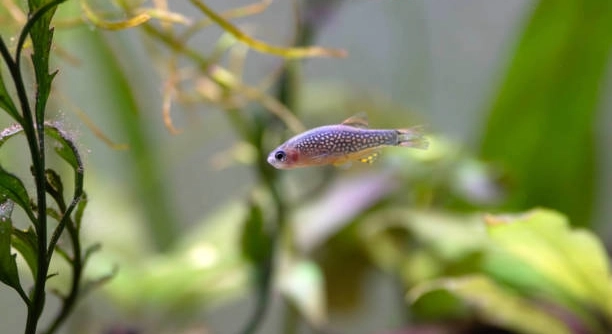
Danios are lively, small fish that brighten up any aquarium. Keeping them healthy means paying attention to their environment, especially water temperature. Even small changes can make a big difference in their comfort and survival.
Danios are highly sensitive to water temperature fluctuations. Maintaining a stable, species-appropriate range is essential for their metabolism, immune function, and overall health. Failure to manage these conditions can quickly stress or harm these delicate fish.
Recognizing common temperature mistakes can prevent unnecessary stress. These insights will guide you in creating a safe and comfortable home for your danios.
Sudden Temperature Swings
Sudden temperature changes are extremely stressful for danios. I remember when I upgraded my heater and didn’t notice it was malfunctioning. The water temperature dropped quickly overnight, and my danios were sluggish the next morning. Even a drop of a few degrees can affect their metabolism, making them less active and more prone to illness. Rapid swings also disturb their natural behavior patterns, including feeding and schooling. Maintaining a steady temperature is easier than you think, with a reliable heater and regular monitoring. Consistency is key, even if the room itself fluctuates in temperature.
Gradual adjustments prevent shock and keep danios healthy and active in their tank.
Monitoring your tank daily allows you to catch any unusual changes before they harm your fish. Using a thermometer is essential. Avoid placing tanks near vents or windows where temperatures can fluctuate. Small adjustments should always be made slowly, over hours or days. Regular observation of your danios’ activity and appetite will alert you if the water becomes unsuitable. Establishing a routine keeps your tank stable and your fish comfortable.
Too Cold Water
Cold water slows danios’ metabolism and reduces their energy levels. Even if they survive, their growth and immune function are affected.
Water temperatures consistently below their preferred range can lead to long-term health problems. Danios may become lethargic, stop eating properly, or show increased susceptibility to infections. A tank thermometer is critical for avoiding these risks. Small heaters or controlled room temperatures can help maintain a stable, slightly warmer environment. Observing their behavior is an easy way to see if the water is too cold. Danios tend to hide, swim less, or hover near the heater if the water is chilly. Adjusting temperature slowly helps them acclimate without stress. Keeping the tank in a location free from drafts or air-conditioning vents also contributes to stability. By paying attention to these factors, danios can thrive, grow steadily, and enjoy a healthy, active life. Maintaining consistent warmth is crucial for their well-being and longevity.
Too Hot Water
High temperatures make danios restless and stressed. Their metabolism speeds up, increasing oxygen demand and reducing their comfort.
Excessively warm water can be dangerous. I once left a heater on too long, and the water climbed above their preferred range. My danios swam frantically near the surface, gulping air. Warm water lowers oxygen levels, which can cause rapid breathing, lethargy, or even sudden death. Consistently high temperatures also weaken their immune system, making them prone to infections. Using a reliable heater and thermometer is essential, and placing the tank away from direct sunlight helps prevent overheating. Monitoring temperature daily ensures stability, and adjusting it slowly is safer than abrupt changes.
Even a few degrees above normal can stress danios. Observing their activity and breathing is the best way to notice dangerous heat levels before it becomes harmful.
Inconsistent Heater Settings
Heaters with fluctuating outputs create stress and illness risks for danios.
I learned the hard way that some heaters don’t maintain steady temperatures. One day the water was perfect, and the next it dropped unexpectedly. This inconsistency confused my fish and affected their feeding. Danios thrive with a constant, stable environment. Using a quality heater with precise temperature control prevents these issues. Monitoring the tank regularly and having a backup thermometer ensures you catch fluctuations early. Sudden temperature shifts, even minor, disrupt their metabolism and behavior, leading to potential health problems. Simple equipment checks and consistent settings maintain a safe habitat.
By keeping the heater steady, your danios stay active, eat properly, and remain healthy. Regular observation and calibration can prevent serious stress-related issues before they escalate.
Poor Nighttime Temperature Control
Nighttime drops can shock danios if the tank isn’t properly insulated. Even small dips affect their activity and stress levels.
I noticed my danios became sluggish at night when the room got cooler. Using a small heater with consistent output or insulating the tank helps maintain stable temperatures while sleeping.
Overheating From Direct Sunlight
Sunlight can push water temperature above safe levels quickly. A few hours of direct exposure caused my danios to swim near the bottom, avoiding heat. Placing the tank away from windows or using blinds prevents these spikes, keeping their environment calm and stable.
Incorrect Acclimation
Adding danios directly into a new tank without adjusting the temperature can be fatal. I once introduced fish too quickly and they went into shock. Gradually mixing tank water with their transport water allows them to adapt safely to new conditions.
How do I know if my danios are too cold or too hot?
Temperature stress shows in their behavior first. When my danios were too cold, they became sluggish, hovered near the bottom, and barely ate. When too warm, they swam frantically near the surface and seemed restless. Watching their breathing helps too; rapid gill movement often means the water is too warm, while slow activity and lack of appetite suggest it’s too cold. Regularly checking with a reliable thermometer is the best way to confirm their environment is stable.
What is the ideal temperature range for danios?
Danios thrive in a range between 72°F and 78°F (22°C to 26°C). I always try to keep my tank around 75°F, which seems comfortable for them. Staying within this range supports their metabolism, immune system, and overall activity. Temperatures outside this window can slow growth or create stress that leads to illness. Using a heater with a thermostat and monitoring daily helps prevent unexpected fluctuations, ensuring the fish remain healthy and active.
How quickly can temperature changes harm danios?
Even small swings of 2–3 degrees within a short period can stress them. I once accidentally left a heater unplugged overnight, and the water dropped only a few degrees, but my danios barely moved the next morning. Sudden changes interfere with their metabolism and feeding behavior, and repeated fluctuations weaken their immune system. Keeping temperature changes gradual, over hours, is essential to prevent shock. Observing their activity is a reliable indicator of whether the adjustment is safe.
Can I use any heater for my danio tank?
Not all heaters are precise enough for small tropical fish. I had one heater that fluctuated constantly, making my danios nervous. A high-quality heater with an adjustable thermostat is necessary. It keeps temperature stable, prevents spikes, and allows you to make gradual adjustments. Avoid placing the tank in direct sunlight or near drafts, which can counteract even the best heater. Combining good equipment with daily observation ensures consistent water conditions.
What should I do if my tank overheats?
If temperatures rise above the safe range, take action immediately. I once noticed the water hit 80°F after a hot day, and I used a fan to cool the tank slightly and moved it away from the window. Partial water changes with slightly cooler water also help, but changes must be gradual. Avoid sudden drops, which can create new stress. Monitoring both air and water temperature, along with using a thermometer, prevents overheating before it becomes dangerous.
How can I prevent nighttime temperature drops?
I learned that tanks in cooler rooms can drop significantly at night. Using a small, reliable heater or insulating the tank with foam or a cover helps maintain warmth. Avoid drafts from air conditioners or windows. A stable nighttime temperature keeps danios active and reduces stress that could affect feeding and immune health.
How long should I acclimate new danios to my tank?
Acclimation should take at least 30–60 minutes, depending on temperature differences. I always float the bag in the tank to match temperatures, then gradually add tank water to the bag. This prevents shock, reduces stress, and improves survival rates. Introducing them too quickly can cause immediate health problems or even death.
Are there signs of long-term temperature stress?
Yes. My danios exposed to repeated fluctuations showed faded colors, poor appetite, slower swimming, and increased susceptibility to disease. Chronic stress from temperature instability impacts growth, reproduction, and overall vitality. Observing these signs early and correcting environmental issues keeps your fish healthy.
How often should I check the tank temperature?
Daily monitoring is essential. I use a thermometer inside the tank and check it at different times of day, especially during extreme weather. Consistent observation ensures the heater is functioning correctly and prevents sudden changes that could harm my danios. Regular checks are a simple step with big impact.
What equipment helps maintain a stable temperature?
A reliable heater with a thermostat, a tank thermometer, and insulation if needed are key. I also keep the tank away from windows or vents. These measures prevent rapid fluctuations, keeping the water within the ideal range. Simple tools combined with observation provide a safe and comfortable environment for danios.
This FAQ covers the most common concerns about danio temperature care, emphasizing prevention, gradual adjustments, and consistent observation to maintain a healthy, active tank.
Keeping danios healthy requires careful attention to their tank environment, and temperature is one of the most important factors. I have learned over time that even small changes can make a big difference. When the water is too cold, danios become sluggish, eat less, and may stop swimming actively. On the other hand, if the water is too warm, they may swim frantically near the surface, showing signs of stress or oxygen deprivation. Maintaining a steady temperature within the recommended range of 72°F to 78°F is crucial for their metabolism, immune system, and overall behavior. A simple thermometer can help monitor the water daily, allowing for adjustments before problems develop. Small mistakes in temperature management can quickly affect their health, so consistency is more important than occasional fine-tuning.
Heaters play a key role in keeping water stable, but not all heaters are precise enough for small tropical fish like danios. I once used a low-quality heater that caused minor fluctuations, and the fish became noticeably stressed. Choosing a reliable heater with an adjustable thermostat ensures the water stays within the proper range. Gradual adjustments are safer than sudden changes, and daily observation of the fish can alert you to any issues. Tank placement also matters. Avoid putting the aquarium near windows, vents, or direct sunlight, because external temperature changes can quickly affect the water. Even at night, when room temperatures drop, insulation or small heaters can prevent sudden dips. By combining the right equipment with careful monitoring, it is possible to maintain a safe and comfortable home for danios.
Temperature management is only part of responsible fishkeeping, but it affects all aspects of their health. Stress from repeated temperature swings can weaken the immune system, reduce growth, and make danios more vulnerable to illness. Gradual acclimation when introducing new fish and consistent care of the tank environment can prevent these issues. I have found that paying attention to small details, like nighttime temperature drops or sudden heat from sunlight, can prevent problems before they start. Observing fish behavior closely is an effective way to see if the water is comfortable, as their activity, feeding habits, and coloration often reflect their condition. Following these practices ensures that danios remain active, healthy, and vibrant in the aquarium. Good temperature control provides a foundation for overall well-being, and taking these steps creates a stable environment that supports long-term health and happiness for your fish.

Hello,
If you enjoy the content that we create, please consider saying a "Thank You!" by leaving a tip.
Every little bit helps us continue crafting quality advice that supports the health, happiness, and well-being of pets around the world, for pets of all shapes, sizes, and species.
We really appreciate the kindness and support that you show us!