
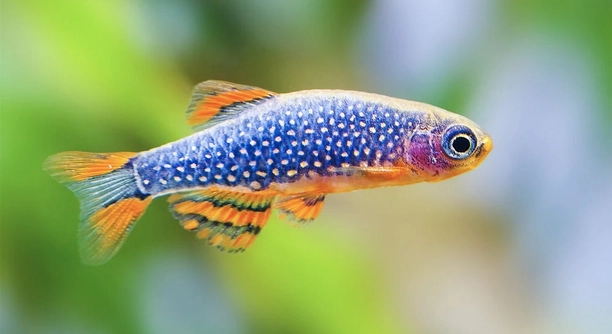
Danios are popular for outdoor ponds because of their lively colors and active behavior. Preparing them properly before introducing them to a new pond environment ensures they adapt well and remain healthy throughout seasonal changes.
Proper preparation of danios for outdoor ponds involves acclimating them gradually to temperature changes, monitoring water quality, ensuring they are disease-free, providing appropriate nutrition, and adjusting their tank environment to mimic outdoor conditions before permanent transfer.
Following these steps will help your danios thrive, reduce stress, and create a balanced ecosystem in your outdoor pond. Proper care ensures their long-term health and vitality.
Choosing the Right Pond Location
Selecting the ideal location for your outdoor pond is crucial for the health of your danios. Look for a spot that receives partial sunlight to support plant growth but avoids harsh midday sun, which can overheat the water. Ensure the area has good drainage and is protected from strong winds, which can disturb the pond surface and stress the fish. Avoid placing the pond under large trees that shed leaves constantly, as decaying debris can affect water quality. Consider accessibility for maintenance, feeding, and observation, making regular care easier. The soil should be stable, and the pond base should be level to prevent uneven water levels. Planning ahead prevents complications later and helps maintain a balanced, stable environment. Taking time to evaluate the surroundings can reduce algae problems and improve the overall health of your pond ecosystem, ensuring your danios thrive in a comfortable and safe outdoor habitat.
Choosing a shaded yet sunny spot helps regulate water temperature and supports plant life. Accessibility simplifies feeding and maintenance.
Proper location also reduces the risk of debris accumulation, ensures even temperature distribution, and minimizes disturbances from animals or wind. This careful planning sets the foundation for a stable pond ecosystem.
Acclimating Danios Gradually
Start by floating the bag of danios in the pond for 20-30 minutes to equalize water temperature. Slowly mix small amounts of pond water into the bag every 5 minutes, allowing the fish to adjust to differences in pH and hardness. Avoid sudden changes, as danios are sensitive to shock. Observe the fish during this process; if they show signs of stress such as rapid gill movement or frantic swimming, pause and wait longer before adding more pond water. Gradual acclimation strengthens their immune response and reduces the risk of illness once they are introduced to the pond. Timing is important, and early morning or late afternoon is ideal, as temperatures are more stable. This step is essential for their long-term health and helps them adapt quickly to the new environment. Patience during acclimation ensures a smooth transition.
Acclimating slowly prevents stress and supports healthy adaptation to outdoor conditions.
Careful observation during the process allows adjustments, ensuring the danios are comfortable before permanent release. Gradual steps minimize disease risk and promote long-term survival.
Checking Water Quality
Regularly testing pond water ensures safe conditions for danios. Monitor pH, ammonia, nitrite, and nitrate levels to maintain a stable environment. Sudden fluctuations can stress fish and lead to illness. Proper filtration and partial water changes help keep water clean and balanced.
Maintaining clean water is critical for danios’ health. Testing weekly allows early detection of harmful changes. Ammonia and nitrite should remain near zero, while pH should stay within a slightly acidic to neutral range. Filtration, aeration, and removing debris prevent toxins from accumulating. Consistent water quality prevents stress, supports immune function, and reduces the chance of disease outbreaks.
Temperature also plays a role in water quality. Danios thrive in moderate conditions and do not tolerate extreme swings. Ensuring steady oxygen levels, minimal pollutants, and proper filtration creates a healthy environment where danios can swim actively, feed well, and display natural behaviors. This preparation is key before introducing them permanently to the pond.
Feeding and Nutrition
Feed danios small amounts multiple times a day to prevent overfeeding. Use high-quality flakes or pellets designed for tropical fish. Supplement occasionally with live or frozen foods to provide variety and essential nutrients. Avoid leftover food, as it can pollute the water and harm fish.
A balanced diet strengthens danios’ immune systems and supports growth. High-protein foods improve coloration and activity levels. Overfeeding can lead to water contamination and digestive issues. Observe feeding behavior to adjust portions. Fresh vegetables or live brine shrimp can be offered occasionally for enrichment and nutritional balance, promoting vitality.
Proper nutrition also prepares danios for environmental changes. Well-fed fish cope better with temperature fluctuations and stress. Maintaining feeding consistency while monitoring water quality ensures fish remain healthy. Incorporating a mix of commercial and natural foods keeps them energetic and colorful, ready to thrive in an outdoor pond environment.
Gradual Introduction to Outdoor Conditions
Introduce danios to outdoor temperatures slowly. Start by placing them in a shaded section of the pond or a floating container for a few hours. This allows them to adjust without sudden shock.
Monitor their behavior during this time. Calm, steady swimming indicates they are acclimating well. Avoid exposing them to direct sunlight or extreme temperatures initially.
Checking for Stress
Observe danios closely after transfer. Look for rapid gill movement, clamped fins, or erratic swimming. These are signs of stress and may require slowing the acclimation process. Gradual adjustment helps reduce these issues.
Providing Shelter
Ensure the pond has plants, rocks, or other hiding spaces. Danios feel safer and are less likely to become stressed in an environment with cover.
Monitoring Health Regularly
Check for any signs of illness daily. Early detection allows prompt action, reducing the risk of disease spreading among pond inhabitants.
FAQ
How long should danios be acclimated before fully introducing them to an outdoor pond?
Danios should be acclimated gradually over several hours, typically 2–3 hours. Begin by floating them in their transport bag or a container within the pond. Add small amounts of pond water every 10–15 minutes to slowly adjust them to temperature and water chemistry changes. Avoid rushing this process, as sudden changes in temperature or pH can stress the fish, weaken their immune systems, and make them more susceptible to disease. Observing their swimming behavior is important; calm and steady movement indicates they are adjusting well, while frantic or erratic swimming means more time is needed before full release.
What water parameters are ideal for danios in outdoor ponds?
Danios thrive in slightly acidic to neutral water, with a pH of 6.5–7.5. Ammonia and nitrite levels should remain near zero, while nitrates should be kept under 40 ppm. Water temperature should be stable, ideally between 64–75°F, as extreme fluctuations can stress the fish. Regular testing using simple kits helps maintain these conditions. A stable environment reduces stress, promotes active swimming, and supports healthy growth. Proper filtration, partial water changes, and aeration help maintain oxygen levels and prevent toxin buildup. Monitoring these parameters daily or weekly, depending on pond size and stocking, ensures a balanced habitat where danios can thrive long-term.
How often should danios be fed in an outdoor pond?
Feed small amounts 2–3 times daily, ensuring all food is consumed within a few minutes. Overfeeding leads to water contamination, which can cause ammonia spikes and harm the fish. Use high-quality flakes or pellets as the main diet, supplemented occasionally with live or frozen foods like brine shrimp, daphnia, or bloodworms for variety. Observing their feeding behavior helps adjust portions and avoid waste. A consistent feeding routine supports growth, coloration, and activity levels while minimizing stress. Providing a balanced diet before and after transfer prepares danios for environmental changes and strengthens their immune system against potential infections.
What are common signs of stress in danios?
Stress signs include clamped fins, rapid gill movement, erratic swimming, hiding excessively, or loss of appetite. Changes in coloration may also indicate stress. Stress can result from sudden temperature shifts, poor water quality, overcrowding, or improper acclimation. Observing fish behavior daily helps detect problems early. Prompt action, such as adjusting water parameters, providing shelter, or slowing acclimation, can reduce stress and prevent illness. Ensuring gradual transitions and maintaining stable conditions in the pond is key to keeping danios healthy and active.
Can danios coexist with other fish in an outdoor pond?
Yes, danios are generally peaceful and can share a pond with other small, non-aggressive fish. Avoid larger, predatory species that may harass or eat them. Ensure the pond has enough space, hiding spots, and plants to reduce territorial stress. Maintaining water quality and balanced feeding supports harmony among different species. Monitoring interactions initially helps identify any compatibility issues. A well-planned community pond allows danios to swim freely, exhibit natural behaviors, and enjoy a safe, stable environment alongside other compatible fish.
How can I prevent diseases after moving danios outdoors?
Quarantine new fish before introducing them to the pond to prevent disease spread. Maintain optimal water quality, feed a balanced diet, and avoid overcrowding. Regular observation helps detect early signs of infection, allowing for prompt treatment. Stress reduction through gradual acclimation, shelter provision, and stable conditions also supports their immune system. Using preventive measures, such as water conditioners and occasional probiotic treatments, can further strengthen health. Consistent maintenance and attention to environmental conditions are essential for keeping danios disease-free in an outdoor pond.
What maintenance steps are critical for outdoor ponds with danios?
Remove debris, fallen leaves, and uneaten food regularly. Clean filters and check water flow to prevent stagnation. Monitor water parameters such as pH, ammonia, nitrites, and nitrates to ensure stability. Partial water changes help maintain clarity and reduce toxins. Regularly inspect plants, rocks, and hiding spots for cleanliness. Maintaining a balanced ecosystem supports healthy danios, reduces stress, and prevents disease. Scheduling weekly or biweekly pond maintenance ensures water remains suitable for fish while supporting a thriving, natural environment where danios can swim actively and grow properly.
How do seasonal changes affect danios in outdoor ponds?
Danios can tolerate mild seasonal fluctuations but are sensitive to extreme cold. During colder months, provide deeper areas in the pond where water temperature is more stable. Reduce feeding when fish activity slows naturally. Cover the pond or use pond heaters in regions with harsh winters. Monitor water quality closely during seasonal transitions to prevent sudden chemical changes. Gradual acclimation to seasonal shifts reduces stress and keeps danios healthy. Planning for temperature changes and protecting the pond environment ensures fish survive winter and remain active when temperatures rise again.
What plants or decorations are best for danio ponds?
Include floating plants, submerged vegetation, and rocks to provide shelter and reduce stress. Plants also help maintain water quality by absorbing excess nutrients. Avoid sharp decorations that could injure the fish. Well-placed hiding spots allow danios to feel secure while encouraging natural behavior. A mix of open swimming areas and covered spaces promotes exercise, exploration, and healthy social interactions. Choosing durable, pond-safe decorations ensures longevity and minimal maintenance. Properly designed pond environments create a comfortable habitat where danios can thrive while maintaining a visually appealing outdoor space.
How many danios should be kept in an outdoor pond?
Stock danios according to pond size, allowing about 1 inch of fish per 2 gallons of water. Overcrowding increases stress, reduces water quality, and raises disease risk. Providing adequate space, hiding spots, and plants encourages healthy swimming and reduces aggression. Monitor population growth and adjust as needed to maintain a balanced ecosystem. Proper stocking ensures that danios remain active, colorful, and healthy, while the pond stays manageable and environmentally stable. This careful approach supports long-term success in maintaining outdoor danio populations.
Final Thoughts
Preparing danios for an outdoor pond requires attention to detail and careful planning. Ensuring that water conditions are stable and clean is essential before introducing the fish. Regular testing of pH, ammonia, nitrite, and nitrate levels helps maintain a safe environment and reduces the risk of stress or illness. Gradual acclimation to outdoor temperatures and water chemistry allows the fish to adjust comfortably, preventing sudden shock. Proper feeding with a balanced diet strengthens the immune system and improves coloration, making the fish more resilient to changes in their surroundings. Providing shelter through plants, rocks, and hiding spaces gives them security, helping to reduce stress and encouraging natural behavior. Consistent observation of their behavior ensures that any early signs of stress or illness can be addressed promptly. Each of these steps contributes to creating a balanced and healthy pond where danios can thrive. Taking time to set up and maintain the pond carefully prevents problems and ensures long-term success.
Acclimating danios gradually and monitoring their response is a key part of outdoor pond preparation. Sudden changes in temperature or water chemistry can weaken their immune system and make them more vulnerable to disease. Observing their swimming patterns, appetite, and general behavior provides insight into how well they are adjusting. If the fish appear stressed, pausing the acclimation process or adjusting water conditions helps ease the transition. Supplementing their diet with high-quality flakes or pellets, as well as occasional live or frozen foods, supports growth and activity levels. Maintaining good water quality, including proper filtration and aeration, ensures the pond remains a stable environment. These measures, combined with careful feeding and observation, help the fish establish themselves in their new habitat without unnecessary risk. Gradual adjustments, rather than rapid changes, are essential for promoting health, vitality, and natural behavior among danios in an outdoor pond.
Long-term maintenance of an outdoor pond is equally important for the well-being of danios. Regular removal of debris, uneaten food, and fallen leaves prevents water contamination and toxin buildup. Checking and cleaning filters, as well as monitoring water flow, ensures oxygen levels remain sufficient for the fish. Seasonal changes should be considered, with adjustments made for temperature fluctuations or extreme weather conditions. Providing plants and shelter maintains a natural environment and reduces stress. Observing interactions with other pond inhabitants helps ensure compatibility and prevents aggression or overcrowding. Consistent attention to these factors supports the overall health and happiness of danios while maintaining a visually appealing and functional pond. By following these steps, the pond becomes a safe, stable, and thriving environment where the fish can swim actively, display their natural colors, and live in balance with their surroundings.

Hello,
If you enjoy the content that we create, please consider saying a "Thank You!" by leaving a tip.
Every little bit helps us continue crafting quality advice that supports the health, happiness, and well-being of pets around the world, for pets of all shapes, sizes, and species.
We really appreciate the kindness and support that you show us!