
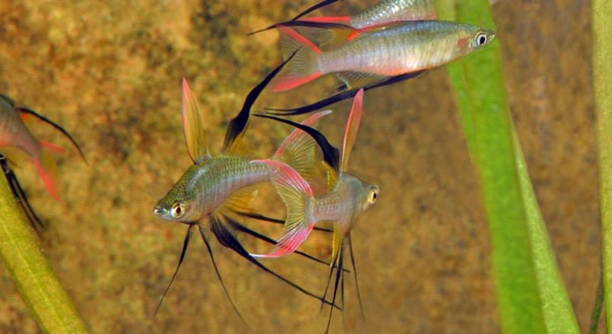
Have you ever noticed subtle changes in your threadfin’s behavior and wondered if they might be signs of growing maturity? Observing these shifts can reveal important details about their development and social adaptation.
Threadfins display distinct behavioral changes as they reach maturity, including increased territorial activity, refined schooling patterns, and altered feeding habits. These behavioral shifts are crucial indicators of their physiological development and readiness for breeding within their natural or controlled environments.
Understanding these subtle transitions allows you to recognize key stages of growth and provide better care for your maturing threadfins.
Increased Territorial Awareness
As threadfins mature, one of the first noticeable changes is their growing sense of territorial awareness. Younger threadfins tend to swim freely in groups without much concern for personal space, but adults begin to assert boundaries. Maturing males, in particular, become more defensive, often chasing away others who enter their chosen area. This behavior signals both confidence and dominance, serving as preparation for breeding. Territorial displays can also include subtle posturing, such as fin flaring or short bursts of speed near competitors. While it may seem aggressive, it’s a natural part of their social structure and development. Recognizing these behaviors early allows you to adjust tank setups, ensuring each threadfin has enough space to express its instincts without conflict.
Providing additional hiding spaces and visual barriers helps reduce tension among maturing threadfins. Balanced environments promote natural behavior while preventing unnecessary stress or territorial disputes.
Increased territoriality also reflects hormonal shifts within threadfins as they transition into adulthood. These hormonal changes influence their confidence, breeding readiness, and interactions with others in their environment. Observing this behavior closely provides valuable insight into their overall health and maturity. With adequate space and stable conditions, this assertive phase becomes a clear sign of healthy growth rather than aggression.
Changes in Feeding Behavior
As maturity develops, threadfins often adjust their feeding patterns. They may become more selective, eat slower, or compete differently during feeding times, reflecting both dominance and dietary needs that evolve with growth.
During this phase, you might notice threadfins prioritizing specific food types, such as live or high-protein options. These preferences are linked to the energy demands of adulthood, especially in preparation for breeding. Adults also tend to feed more strategically, focusing on quality rather than quantity. It’s important to ensure food distribution remains fair in shared tanks, preventing dominant individuals from monopolizing meals. Spreading food across multiple areas helps maintain balance among all fish. Monitoring their diet also assists in identifying potential health issues early, as mature threadfins with reduced appetite may signal environmental or stress-related problems. By maintaining consistent feeding routines and varied nutrition, you support both their physical and behavioral development through every stage of maturity.
Refined Schooling Patterns
As threadfins mature, their schooling behavior becomes more organized and deliberate. Younger fish often move erratically, but mature threadfins maintain tighter formations. This refined coordination indicates improved communication, confidence, and adaptation within their group dynamics, essential for safety and social stability in shared environments.
Mature threadfins rely on synchronized movement to navigate their surroundings efficiently. This refined schooling reflects increased awareness and hierarchy among members. Each fish adjusts its position in response to subtle cues, showing improved social understanding. Such behavior reduces stress and ensures smoother interactions during feeding and swimming, strengthening group cohesion as they age.
Observing these structured formations offers insight into their maturity level and social balance. Well-maintained groups display minimal conflict, as mature threadfins understand spatial respect. Adjusting water flow, lighting, and tank arrangement can help maintain stable schooling patterns. Consistent environmental conditions reinforce this natural coordination, encouraging continued harmony and growth among mature threadfins.
Shifts in Social Interactions
Social dynamics among threadfins shift significantly as they mature. Once playful and indifferent, they begin forming structured relationships. Males often establish subtle hierarchies, while females display calmer yet selective behavior. These shifts reflect the species’ adaptation toward balance and reproduction rather than simple companionship.
Adult threadfins demonstrate more calculated interactions, driven by instinct and hormonal influences. Males may compete quietly through posturing rather than open aggression, maintaining order within the group. Females, meanwhile, display social awareness through selective positioning during swimming or feeding. These evolving interactions mark emotional stability and maturity, showing confidence rather than impulsiveness. Stable environments further enhance these patterns, reducing stress while supporting group equilibrium. Observing these behaviors helps identify social readiness, especially in breeding setups. Recognizing and accommodating these changes ensures threadfins develop naturally, maintaining both harmony and behavioral health as they continue their transition into full adulthood.
Altered Activity Levels
As threadfins mature, their activity levels often change. Younger fish display constant movement, while adults alternate between active bursts and calm periods. This shift shows energy regulation and adaptation to adult routines, signaling improved stamina and developed physical coordination.
Mature threadfins also become more purposeful in their movements. Rather than darting randomly, they conserve energy and react only when necessary. This measured activity suggests growing awareness of their environment and stronger control over behavior, marking an essential phase in their overall maturity process.
Enhanced Coloration and Display
Color intensity is one of the clearest visual signs of threadfin maturity. As hormones stabilize, their hues deepen, fins glow brighter, and overall vibrancy improves. These changes indicate health, breeding readiness, and environmental satisfaction. Balanced lighting and nutrition further support the maintenance of these vivid displays, emphasizing natural beauty and vitality.
Subtle Breeding Behavior
Breeding readiness becomes noticeable through gentle chasing and pairing tendencies. Males may guard preferred areas, while females respond with selective interaction. These understated cues highlight the natural rhythm of reproduction and confirm that threadfins have reached a stable, mature stage in their behavioral development.
FAQ
How can I tell if my threadfin is fully mature?
Maturity in threadfins is indicated by changes in behavior and appearance. Adults show refined schooling, increased territorial awareness, selective feeding, and subtle breeding behaviors. Physical changes include deeper coloration, brighter fins, and more deliberate movements. Observing these traits over time provides a reliable measure of maturity.
At what age do threadfins typically show these behavioral shifts?
Most threadfins begin showing signs of maturity between six and twelve months, depending on environmental conditions and nutrition. Faster growth may occur in well-maintained tanks with optimal food and water quality. Slower development can result from overcrowding or inconsistent feeding routines, affecting the timing of behavioral changes.
Why does territorial behavior increase with age?
As threadfins mature, territorial behavior reflects hormonal changes and social structuring. Adults need to establish boundaries for feeding, breeding, and safety. This behavior reduces conflicts once space is respected and ensures a stable hierarchy within the group, particularly among males asserting dominance.
How should I adjust feeding routines for mature threadfins?
Mature threadfins require a balanced diet rich in protein and nutrients to support energy demands. Feeding multiple times a day in smaller portions prevents dominant fish from monopolizing food. Observing individual preferences and adjusting the distribution helps ensure all fish receive adequate nutrition.
Do schooling patterns change with age?
Yes. Younger threadfins swim loosely, while mature fish display structured formations. Tighter schooling improves safety and group coordination, indicating social maturity. Adults respond to environmental cues and each other’s movements, which reduces stress and helps maintain a balanced hierarchy among the group.
What signs indicate breeding readiness?
Subtle chasing, pairing behaviors, and protective posturing signal reproductive readiness. Males may guard a preferred area while females demonstrate selective responses. Color intensity and fin display also increase during this period, highlighting hormonal shifts that indicate preparation for spawning.
Can environmental factors affect maturity?
Absolutely. Water quality, temperature, space, and nutrition play a crucial role in behavioral development. Stable conditions encourage natural growth, while stressors like overcrowding, poor diet, or fluctuating temperatures can delay maturity or alter behavior patterns. Observing the environment alongside behavior provides a complete picture.
How do I manage aggression among maturing threadfins?
Aggression usually peaks during territorial or breeding phases. Providing sufficient hiding spaces, visual barriers, and evenly distributed food reduces conflicts. Observing interactions allows adjustments in tank layout or group composition to prevent injuries while supporting natural behaviors.
Are there health indicators linked to behavioral changes?
Yes. Reduced activity, lack of appetite, or erratic schooling can signal stress or illness. Mature threadfins with consistent energy, vibrant coloration, and normal social interactions are typically healthy. Monitoring these behaviors ensures early detection of problems and supports long-term well-being.
How can I support long-term behavioral health?
Maintaining clean water, balanced nutrition, and adequate space is essential. Regular observation of social interactions, activity levels, and physical traits helps identify issues early. Encouraging natural behaviors, like schooling and selective feeding, ensures threadfins remain active, confident, and well-adjusted throughout adulthood.
What is the significance of subtle fin displays?
Fin displays in mature threadfins often indicate dominance, readiness to breed, or territorial boundaries. Observing these movements helps identify social hierarchies and emotional state. Proper tank management, including space and hiding areas, ensures these displays occur naturally without leading to stress or conflict.
Do threadfins require different care once fully mature?
Yes. Mature threadfins need more attention to feeding balance, tank space, and social dynamics. Adjustments may include increased hiding spots, careful monitoring of aggression, and ensuring high-quality nutrition. Supporting these needs helps preserve their natural behavior and promotes health as they continue to age.
How long do behavioral changes last as they age?
Most changes stabilize once maturity is reached, but minor shifts can continue with environmental or social changes. Monitoring over months helps track progression. Sudden changes may indicate stress, illness, or disruptions in hierarchy, requiring timely intervention to maintain a stable environment.
What are the common mistakes in observing maturity?
Misinterpreting aggression, uneven feeding, or temporary color changes as full maturity is common. Consistent observation of multiple behaviors—schooling, territoriality, feeding patterns, fin display, and subtle breeding cues—provides a more accurate assessment. Patience is key, as gradual development reflects true maturity rather than isolated incidents.
Can mature threadfins adapt to new tankmates?
Yes, but careful introduction is necessary. Mature threadfins may assert dominance or establish boundaries. Gradual integration with sufficient space and monitoring reduces stress. Observing social cues ensures compatibility and preserves natural behavior without compromising the established hierarchy within the tank.
How do I balance natural behavior with tank management?
Providing adequate space, hiding spots, and consistent feeding supports natural behaviors while minimizing conflict. Observing social structures and adjusting tank design promotes harmony. Maintaining stable water conditions and monitoring activity patterns ensures threadfins remain healthy and exhibit behaviors consistent with maturity.
How important is observation for tracking maturity?
Regular observation is crucial. Noting changes in feeding, schooling, color, territoriality, and subtle reproductive behavior helps track progress accurately. Documentation over time allows identification of trends, ensuring timely adjustments to care routines and promoting the long-term well-being of maturing threadfins.
What role does social hierarchy play in adult behavior?
Social hierarchy reduces conflict and organizes feeding, schooling, and breeding. Dominant individuals assert space while subordinates adapt to avoid stress. Understanding these dynamics is vital for managing group tanks, ensuring balanced interaction, and supporting the natural development of each threadfin within its community.
Can behavioral monitoring prevent health issues?
Yes. Sudden changes in activity, appetite, or social interactions often indicate stress, disease, or environmental problems. Early detection allows corrective measures, such as adjusting water quality or feeding practices, preventing long-term health issues while maintaining natural behavior patterns in maturing threadfins.
How do I encourage healthy breeding behavior without stress?
Provide adequate space, stable water conditions, and balanced nutrition. Observing subtle pairing, chasing, and fin displays helps gauge readiness without forcing interactions. Maintaining environmental stability allows threadfins to express natural reproductive behaviors comfortably while minimizing aggression and stress among the group.
What signs show that behavioral interventions are working?
Reduced aggression, balanced feeding, tighter schooling, and visible energy levels indicate effective interventions. Consistent coloration, calm exploration, and harmonious interactions confirm that the environment supports healthy development. Continuous observation ensures adjustments continue to meet the needs of mature threadfins.
How can tank design support behavioral health?
Incorporating hiding spaces, visual barriers, and adequate swimming areas promotes natural behavior. Strategic placement reduces conflict, encourages schooling, and supports territorial needs. Regular assessment of tank layout ensures mature threadfins can express their instincts safely while maintaining balance and minimizing stress.
What are the key takeaways for observing maturity?
Behavioral signs—territoriality, refined schooling, selective feeding, subtle breeding cues, and fin displays—provide reliable indicators. Coupled with environmental monitoring, these observations guide proper care, ensuring threadfins mature healthily and maintain balanced social interactions throughout adulthood.
Final Thoughts
Understanding threadfin maturity requires careful observation of both behavior and physical changes. As they develop, subtle shifts in feeding, schooling, territoriality, and social interactions become clear indicators of adulthood. Recognizing these signs helps in providing proper care, ensuring their environment supports natural behavior and overall well-being. Observing over time allows you to distinguish temporary fluctuations from true developmental changes, making it easier to adjust feeding routines, tank layout, and social arrangements. Consistency in care and attention to these details helps threadfins grow confidently while reducing stress and conflict within the group.
Behavioral changes, such as refined schooling, territorial displays, and selective feeding, reflect more than just physical growth. They indicate hormonal shifts, increasing confidence, and social awareness. Adults react differently than juveniles, prioritizing energy conservation and strategic movement over random activity. Even subtle breeding behaviors, like pairing tendencies or fin displays, demonstrate readiness for reproduction and confirm that maturity has been reached. Maintaining stable water conditions, balanced nutrition, and sufficient space ensures these natural behaviors occur without interference, promoting health and longevity. Observing these traits allows you to support each fish according to its individual needs while maintaining harmony among all tank members.
Mature threadfins thrive in environments that respect their natural instincts. Providing hiding spaces, visual barriers, and adequate room for swimming encourages natural territorial behavior and reduces aggression. Regular monitoring of their interactions, feeding patterns, and coloration helps identify potential issues early, allowing corrective measures before stress or illness develops. Paying attention to these behavioral signals not only supports physical health but also fosters emotional stability. By understanding the stages of maturity and responding appropriately, you create an environment where threadfins can express natural behaviors confidently. This careful observation and adjustment ensure that their development is healthy, their social dynamics remain balanced, and their overall well-being is maintained throughout adulthood.

Hello,
If you enjoy the content that we create, please consider saying a "Thank You!" by leaving a tip.
Every little bit helps us continue crafting quality advice that supports the health, happiness, and well-being of pets around the world, for pets of all shapes, sizes, and species.
We really appreciate the kindness and support that you show us!