
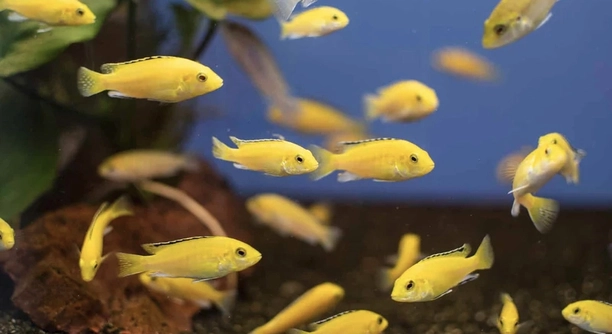
Dominant female cichlids display distinct behaviors that set them apart in community aquariums. Their assertive actions often dictate territory, feeding priority, and social hierarchy. Observing these fish can reveal fascinating interactions within their aquatic environment.
These cichlids exhibit patterns such as chasing, fin flaring, nest guarding, food guarding, selective breeding, territorial marking, and establishing dominance hierarchies. Each behavior serves to maintain control, secure resources, and ensure reproductive success within their social groups.
Recognizing these behaviors can improve aquarium management and help maintain a harmonious environment among all tank inhabitants. Understanding dominance patterns benefits both the fish and their caregivers alike.
Chasing and Aggression
Dominant female cichlids often chase other fish to assert control over territory. This behavior can start subtly, with brief swims toward intruders, and escalate into rapid pursuits when they feel threatened. Chasing ensures they maintain feeding priority and deter competitors. In a community tank, observing these interactions can reveal the natural hierarchy among cichlids. Smaller or less assertive fish may retreat to hiding spots, while dominant females patrol the main areas. Over time, this behavior helps reinforce their position and prevent challenges from others. Chasing is more frequent around food or near breeding sites, highlighting the connection between resource protection and aggression. Recognizing these signs early allows aquarists to manage tank dynamics effectively, reducing stress for all inhabitants. It is important to provide sufficient space and hiding areas, so chasing does not lead to injury or long-term anxiety among tank mates. Proper observation and adjustment can help maintain balance within the aquarium.
Chasing is a key behavior for dominance, primarily used to secure resources and establish social rank.
Proper tank setup and monitoring can reduce stress from frequent chasing, ensuring both dominant and subordinate fish coexist peacefully.
Fin Flaring
Fin flaring is a visual display where dominant females spread their fins wide to intimidate rivals. This behavior communicates strength and confidence without direct contact. The exaggerated display signals to other fish to respect boundaries and avoid confrontation. It often occurs during feeding times or near nesting sites, reinforcing territorial claims. In many cases, fin flaring helps reduce physical fights, as less dominant fish retreat instead of challenging the female. Observing these flares can give insight into the cichlid’s mood and social dynamics.
This display is a non-verbal method of showing dominance and protecting resources.
Aquarists can note patterns of fin flaring to understand which areas of the tank are considered off-limits. Over time, repeated displays reinforce hierarchy and help prevent injuries. Adjusting tank layout with visual barriers can help manage tension, giving other fish space while maintaining the natural behavior of the dominant female. Tracking flaring frequency and triggers also aids in predicting interactions and preventing overcrowding issues. Proper attention ensures the aquarium remains balanced and reduces stress among all inhabitants, supporting healthier fish behavior and social stability.
Nest Guarding
Nest guarding is a strong instinct for dominant female cichlids. They protect eggs and fry by staying close to the nesting site and chasing away any potential threats. This behavior ensures higher survival rates for their offspring and maintains their reproductive success.
During this time, the female remains highly alert, inspecting the area constantly. She may move rocks, rearrange substrate, or even dig shallow pits to reinforce the nest. Any nearby fish that approach are quickly driven away through chasing or fin flaring. Nest guarding can last several days to weeks depending on the species, showing how much effort is invested in offspring care. Observing this behavior helps aquarists understand the importance of protecting breeding areas and maintaining suitable conditions in the tank. Interference during this period should be minimized to prevent stress and potential harm to both the female and her fry.
Providing adequate hiding spots and a safe environment allows nest guarding to occur naturally. Females feel more secure, and fry have space to grow with minimal disturbance. This also reduces aggressive encounters with other tank mates while ensuring the dominant female fulfills her protective role efficiently.
Food Guarding
Food guarding is common among dominant females. They position themselves near feeding areas and ward off competitors to secure their share. This behavior ensures consistent nutrition and demonstrates their hierarchical status in the tank.
The female may hover over food or push other fish aside, asserting control without necessarily harming them. She evaluates threats constantly and reacts to perceived challenges immediately. This behavior is influenced by tank population, food availability, and species temperament. In community tanks, dominant females often eat first, leaving less assertive fish to wait or seek alternate areas. Food guarding reflects natural instincts seen in the wild, where securing resources is crucial for survival and reproductive health. Observing how the female interacts during feeding times provides insight into her dominance strategies and social structure within the aquarium. Consistent feeding schedules and multiple feeding points can help balance aggression while supporting healthy growth for all fish.
Selective Breeding
Dominant female cichlids choose mates carefully, often favoring males that display strength or vibrant colors. This ensures their offspring inherit strong genetic traits and improves the chances of survival in the tank environment.
They may reject or avoid males that seem weak or submissive, spending more time with preferred partners. This selective behavior reinforces natural hierarchies and contributes to maintaining healthy, strong populations within the aquarium.
Territorial Marking
Territorial marking involves females using substrate, rocks, or plants to define boundaries. They often patrol these areas regularly, signaling ownership to other fish. This behavior reduces conflicts by establishing clear zones and maintaining order among tank mates.
Establishing Dominance Hierarchies
Dominant females continuously assert control through chasing, fin flaring, and selective access to food or nesting areas. These actions help organize social structures within the tank, ensuring less aggressive fish recognize their place. Hierarchies reduce constant fighting, as subordinate fish adjust behavior to avoid confrontations. Over time, the hierarchy stabilizes, promoting tank harmony. Observing these patterns allows aquarists to understand interactions and anticipate potential stress points, making it easier to manage populations effectively. Dominance hierarchies also influence mating behavior and access to resources, highlighting the importance of space and tank design in supporting natural behaviors while minimizing aggression and maintaining fish welfare.
Resource Prioritization
Dominant females often claim the best hiding spots, feeding areas, and nesting sites first. Securing these resources supports their health and ensures reproductive success.
FAQ
How can I tell if my female cichlid is dominant?
Dominant female cichlids display clear behaviors like chasing, fin flaring, and guarding food or nests. They usually occupy central tank areas, eat first, and patrol spaces actively. Observing how she interacts with other fish over several days provides a consistent picture of dominance.
Will dominant behavior stress other fish in the tank?
Yes, subordinate fish may experience stress if the tank is small or lacks hiding spaces. Stress can lead to hiding, reduced feeding, or slower growth. Providing plenty of plants, rocks, and separate zones can help reduce tension and give less aggressive fish safe areas.
Is chasing always a sign of aggression?
Not necessarily. Chasing can be a way for the female to enforce territory or social hierarchy. It becomes concerning only if it results in injuries or constant avoidance by other fish. Proper tank layout helps minimize prolonged confrontations.
How should I manage food distribution?
Feeding at multiple locations in the tank can reduce aggressive behavior. Ensure all fish have access to food while dominant females maintain their hierarchy. Consistent schedules and portion sizes prevent fights and allow subordinate fish to feed without constant pressure.
What role does fin flaring play in dominance?
Fin flaring is primarily a visual signal to communicate strength and deter challenges. It often occurs near food, breeding sites, or territory boundaries. Observing flaring helps understand social interactions and identify areas that may trigger disputes among tank mates.
How do I support nesting behavior without causing stress?
Provide secure areas with rocks, caves, or substrate for nesting. Minimize disturbances during this period and avoid moving tank decorations. Allowing the female space to guard her nest ensures higher survival rates for fry and reduces aggression in the tank.
Can dominance change over time?
Yes, dominance is fluid. Age, size, health, and social interactions can shift hierarchies. New fish introductions or changes in tank conditions may alter established rankings. Monitoring behavior regularly helps manage conflicts and maintain balance in the aquarium.
Should I separate a dominant female if aggression becomes severe?
Separation is sometimes necessary if aggression leads to injury or chronic stress among other fish. Temporary or permanent divisions, like breeding nets or separate tanks, provide relief while preserving the female’s natural behaviors. Careful observation ensures interventions are only applied when needed.
Does territorial marking damage the tank environment?
Territorial marking mainly involves rearranging substrate or moving decorations. While it can disturb plants or gravel, it is normal behavior. Providing sturdy décor and adequate space reduces destruction while allowing the female to express natural instincts.
How does dominance affect breeding success?
Dominant females control access to mates, food, and nesting sites, which directly impacts reproduction. By maintaining priority over resources, they increase the likelihood that eggs and fry survive. Recognizing and supporting these behaviors helps ensure healthier, more successful breeding in the aquarium.
Can other fish ever challenge a dominant female successfully?
Challenges occur if another female grows larger, stronger, or more assertive. Temporary disputes may arise, but the hierarchy usually stabilizes quickly. Observing interactions helps determine if tank adjustments are necessary, such as adding hiding spots or increasing space, to reduce prolonged aggression.
What are the signs of a healthy dominant female?
A healthy dominant female actively patrols her territory, displays natural behaviors like chasing and flaring, and maintains bright coloration. She feeds consistently, guards nests effectively, and interacts with other fish without causing extreme stress. Health monitoring ensures long-term well-being for both dominant and subordinate fish.
How can I prevent conflicts in a mixed-species tank?
Select compatible species and provide ample space, hiding areas, and multiple feeding locations. Understanding each fish’s behavior, including dominance patterns, allows for a balanced aquarium where aggressive tendencies are managed without harming others. Regular observation helps catch early signs of stress.
Do dominant females ever show nurturing behavior?
Yes, dominance often includes protective instincts. Guarding eggs, fry, and territory shows both control and care. While aggressive toward rivals, the female ensures the survival of her offspring and maintains a structured environment for young fish to grow safely.
What environmental factors influence dominance?
Tank size, layout, hiding spaces, food availability, and water quality all affect how dominance is expressed. Poor conditions can heighten aggression, while a well-structured environment supports natural behaviors and reduces stress for both dominant and subordinate fish.
How long does dominant behavior last?
Dominant behavior is ongoing but fluctuates depending on breeding cycles, age, and social interactions. Peaks in activity often align with nesting or feeding periods, while calmer phases occur when territory and resources are secure. Observation allows aquarists to adapt tank management appropriately.
Are there signs that dominance is becoming unhealthy?
Excessive chasing, constant aggression, injuries, or stress signs in other fish indicate that dominance may be problematic. Intervening with tank adjustments, separation, or resource management helps restore balance and ensures the health of all inhabitants.
Can dominant behavior coexist with other assertive females?
Yes, but space and clear boundaries are essential. Multiple assertive females may establish separate territories or hierarchies to coexist. Monitoring interactions and providing enough resources prevents chronic disputes and allows each female to maintain her role in the tank naturally.
How does understanding dominance improve aquarium management?
Recognizing patterns like chasing, flaring, nest guarding, and food guarding helps anticipate conflicts and structure the tank accordingly. Adjustments to space, feeding, and hiding areas reduce stress, support reproductive success, and ensure a stable, harmonious environment for all fish.
What steps can I take if a dominant female disrupts the tank too much?
Evaluate tank size, layout, and resource distribution. Introduce barriers, additional hiding spots, or separate areas for feeding and nesting. In extreme cases, temporary separation may be necessary. Careful observation and management allow natural behaviors to continue while protecting other fish from stress or injury.
Dominant female cichlids are fascinating to observe because their behaviors clearly shape the dynamics of an aquarium. Their assertiveness is not just about aggression; it is a natural strategy for survival and reproduction. From chasing other fish to guarding nests and food, these actions are ways to secure resources and establish social order. Understanding these behaviors helps aquarists recognize what is normal and what might indicate stress or imbalance in the tank. While dominant females can seem intimidating at first, their behavior reflects instincts that would occur in their natural habitats. By observing their interactions over time, it becomes easier to anticipate how they will respond to new tank mates, changes in layout, or feeding times. These insights are valuable for creating an environment that accommodates both dominant and subordinate fish.
Proper tank setup is crucial for managing the influence of dominant females. Space, hiding spots, and multiple feeding areas all help reduce tension and prevent constant conflicts. A tank that is too small or lacks sufficient cover can lead to stress for both the dominant female and other fish, which may result in injuries or reduced health. Adjusting the environment to provide clear territories allows the dominant female to express her natural behaviors without causing harm. This includes designating areas for feeding, nesting, and resting, as well as monitoring the hierarchy among tank inhabitants. Regular observation and minor adjustments ensure the tank remains balanced. By supporting these behaviors in a structured way, aquarists can maintain harmony while allowing each fish to thrive according to its natural instincts.
Dominance in female cichlids also has a long-term impact on breeding and social structure. Females that maintain control over resources and territory are more likely to raise healthy fry successfully. Their protective instincts ensure that offspring have the best chance of survival, while subordinate fish learn to navigate the hierarchy without constant confrontation. Understanding these patterns benefits not only the health and well-being of the fish but also the overall management of the aquarium. Recognizing dominance, monitoring interactions, and providing an appropriate environment makes it possible to enjoy a community tank where natural behaviors are respected. Observing and supporting these traits gives aquarists the ability to create a balanced, thriving ecosystem where dominant females can express their instincts, subordinate fish remain safe, and the entire aquarium functions smoothly.

Hello,
If you enjoy the content that we create, please consider saying a "Thank You!" by leaving a tip.
Every little bit helps us continue crafting quality advice that supports the health, happiness, and well-being of pets around the world, for pets of all shapes, sizes, and species.
We really appreciate the kindness and support that you show us!