
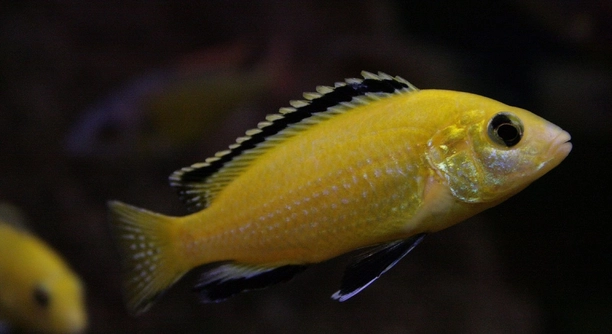
Have you ever wondered how cichlids settle into their resting habits during the night, creating small moments of calm within their vibrant aquatic world as they slow down and prepare for a peaceful sleep naturally.
Cichlids favor specific sleep positions that support stability, energy conservation, and environmental awareness. These positions help them remain secure in their surroundings, regulate stress, and maintain balance while resting within various structures, substrates, or sheltered areas throughout their nocturnal period.
These resting patterns reveal subtle behaviors that shape their nightly routines, offering a closer look at how they navigate spaces.
Resting on Their Sides
Cichlids sometimes rest on their sides, settling gently against smooth surfaces or quiet corners when they begin to relax. This position may appear unusual at first, but it often reflects a calm state where the fish feels secure enough to release tension. As a woman who enjoys observing small aquatic details, I find this behavior surprisingly peaceful because it shows how sensitive cichlids are to their surroundings. When resting this way, they reduce movement, conserve energy, and maintain a soft connection with the substrate. Many aquarists notice this position during dim hours, especially when tank lighting fades and the environment becomes quiet. While it may look concerning, the fish usually resumes normal swimming once fully awake. Understanding this natural posture helps you avoid unnecessary worry and allows you to appreciate how subtly cichlids respond to comfort, stability, and minor changes in their habitat. This simple awareness supports better nighttime care for your fish.
Cichlids adopt this position to stabilize themselves while reducing activity, allowing their bodies to rest without unnecessary energy use during quiet periods.
This behavior highlights their need for gentle surroundings and steady structures that support the way they settle into nighttime rest in a calm environment.
Hovering Above the Substrate
Cichlids also hover lightly above the substrate when they want to rest but remain alert, creating a balance between stillness and environmental awareness.
This position allows cichlids to maintain a peaceful pause without fully settling onto a surface. They use slow, controlled fin movements to keep themselves suspended just above the bottom of the tank. This behavior is more common in species that prefer open swimming spaces or those that feel safer maintaining a small amount of height rather than resting directly on the substrate. It acts as a gentle compromise, supporting rest while keeping the fish ready to respond to any subtle shift around them. As a woman who has spent time watching fish adopt this posture, I find the soft motion almost meditative, especially when the tank lighting is low. Hovering can also help the fish stay cool, avoid debris, and remain comfortable when substrate texture feels unsuitable for direct contact. This quiet suspension reflects how adaptable cichlids are, shaping their sleep habits around comfort, safety, and steady surroundings.
Nestling Between Rocks
Cichlids nestle between rocks when they want steady support and a sense of enclosure during rest. This position helps them feel protected while keeping them close to shaded spaces that reduce stimulation and encourage a calm nighttime routine.
Cichlids use rock gaps to create a secure resting zone that limits movement and promotes quiet stability. As a woman who enjoys watching how these small behaviors reveal their comfort levels, I find this habit especially telling. They slide gently into narrow spaces, allowing the solid structure to hold them in place while their bodies relax. This position is common in tanks with layered rockwork, creating natural pockets that mimic their preferred wild environments.
Resting between rocks also helps them manage stress by giving them a predictable place to settle. Once in position, they remain still, adjusting only slightly as they conserve energy. The predictable comfort of these rock formations becomes part of their nighttime rhythm, offering steady support without overstimulation.
Resting Vertically Against Plants
Cichlids rest vertically against plants when they want gentle support that allows them to remain partially upright. This behavior helps them feel lightly anchored while still maintaining a soft presence within the tank. Plants offer stability without the firmness of rocks, giving them a calmer space to unwind.
This position is especially common in planted aquariums where broad leaves create a natural barrier. As a woman who appreciates the subtle ways fish interact with their surroundings, I find this behavior soft and comforting to watch. The plants hold the fish in place with minimal pressure, letting them slow down while maintaining balance. Vertical resting also helps them stay aligned with mild currents, reducing strain on their muscles during sleep. Many cichlids prefer leaves that feel smooth and sturdy, giving them enough support to remain comfortable through the night. This habitat setup helps your fish enjoy peaceful rest, making the tank feel more stable and reassuring.
Continue the article with the following outline and format. Do not write an intro for each header, get straight to the point. Do not use a greeting. Make it feel slightly personal. Write in a simplistic style. Do not greet the reader.; Outline and Format: ; Header: xxxxxxxxxxxxxxxxxxx; 50 words paragraph; 50 words paragraph; Header: xxxxxxxxxxxxxxxxxxx; 100 words paragraph; Header: xxxxxxxxxxxxxxxxxxx; 50 words paragraph; Note: Skip the intro, get straight to the point. The rest of the headers will be provided later, so do not write them yet. Skip the conclusion, and recap. Respect the given word count for every paragraph.
FAQ
Why do cichlids change positions while sleeping?
Cichlids often shift positions to feel more comfortable or secure. As a woman who spends time observing my tank, I notice that changes in water flow, light, or nearby tank mates can make them adjust. Each position helps them manage stress, maintain balance, and rest efficiently throughout the night.
Is it normal for cichlids to float near the surface?
Yes, floating near the surface is a natural resting behavior for some cichlid species. It allows them to remain aware of surroundings while conserving energy. I often see my fish stay steady in this position, gently adjusting their fins to maintain balance without exerting extra effort.
Can resting on their sides indicate illness?
Not necessarily. Many cichlids rest on their sides as part of their normal sleep pattern. However, sudden or prolonged side resting paired with unusual breathing, lack of appetite, or lethargy could indicate a health issue. Observing consistent behaviors over time helps distinguish normal rest from potential illness.
Why do cichlids prefer hiding in caves or between rocks?
Cichlids feel safer in enclosed spaces. Hiding in caves or rock crevices reduces stress by limiting exposure to movement or light. Personally, I’ve noticed that they often return to the same spot every night, showing a preference for stable and secure resting locations.
Do plants play a role in cichlid sleep patterns?
Yes, plants provide soft support and gentle cover. Cichlids often rest vertically against leaves or settle in shaded areas. I enjoy watching how they use plant shadows to reduce stress and create a peaceful environment, which helps maintain natural sleep patterns in a planted tank.
Is hovering above the substrate healthy?
Hovering is normal for species that prefer open water or feel safer without direct contact with the substrate. This position reduces energy use while keeping them ready to respond to changes in the tank. In my experience, these fish appear calm and stable during low-light hours.
Do cichlids sleep all night like humans?
Cichlids follow a resting pattern rather than a full sleep cycle like humans. They may pause, adjust positions, and remain partially alert. I often observe them shifting subtly at intervals, which shows their natural need to balance rest with environmental awareness.
Should I adjust tank lighting for their sleep?
Yes, dim or consistent lighting helps cichlids establish predictable sleep patterns. Sudden bright lights can disturb their rest. I have found that using low-level or gradual lighting changes in the evening encourages them to adopt comfortable positions and reduces stress-related movement at night.
Can cichlids rest in open water safely?
Some species do rest in open water, especially if they feel secure in their tank environment. They hover gently, using slow fin movements to stay steady. Watching this behavior personally, I notice it requires confidence and trust in their surroundings, reflecting a calm and healthy resting pattern.
How can I tell if my cichlid is stressed at night?
Stress can appear as frantic movement, hiding excessively, or refusing to settle in usual resting spots. I often check for these signs by observing nighttime behaviors over several days. Consistent patterns usually indicate calm rest, while sudden changes suggest environmental or health concerns that may need attention.
Final Thoughts
Observing cichlids during rest reveals much about their comfort and well-being in the tank. Each position they adopt, whether floating near the surface, hiding between rocks, or resting vertically against plants, serves a purpose. These behaviors show how sensitive they are to their surroundings and how they adjust to maintain stability, conserve energy, and manage stress. As a woman who has spent time watching these subtle movements, I have found that even small changes in the tank environment can influence how and where they choose to rest. The positions are not random—they reflect a combination of instinct, environmental cues, and personal comfort, allowing the fish to maintain a steady and peaceful nighttime routine. Understanding these resting habits can make caring for cichlids more intuitive, allowing tank conditions to better match their natural preferences. Proper observation helps identify when a position is part of normal behavior or when it may signal a minor concern.
Cichlids rely on structure, shade, and gentle water movement to rest effectively. Rocks, caves, and plants are not just decorative elements; they provide essential support and security. For example, a cichlid nestled between rocks or inside a cave can rest without worrying about sudden currents or interactions from other tank mates. Vertical resting against plant stems or hovering slightly above the substrate demonstrates how these fish balance alertness with relaxation. These positions show that rest in fish is dynamic—they are never fully inactive, yet they conserve enough energy to remain healthy and responsive. Personally, I find this fascinating because it highlights how instinct and environment interact to shape behavior. Small adjustments in tank setup, such as adding shaded areas or gentle hiding spots, can encourage restful behaviors and reduce stress, supporting overall well-being.
Paying attention to cichlid sleep habits can also improve long-term care. Consistent observation helps identify patterns and ensures the tank environment meets their needs for comfort, safety, and stability. Simple changes like reducing sudden light exposure or providing more structured resting areas can make a noticeable difference. Over time, understanding these positions and habits can enhance both the health of the fish and the enjoyment of keeping them. Watching them settle each night offers insight into their natural tendencies and subtle communication with the environment. By respecting these resting behaviors and providing appropriate support, you create a tank that fosters calm, balance, and healthy routines. Observing, learning, and adjusting ensures that cichlids are not only surviving but thriving in a setting that mirrors their instincts and preferences, making every rest period as peaceful as possible.

Hello,
If you enjoy the content that we create, please consider saying a "Thank You!" by leaving a tip.
Every little bit helps us continue crafting quality advice that supports the health, happiness, and well-being of pets around the world, for pets of all shapes, sizes, and species.
We really appreciate the kindness and support that you show us!