
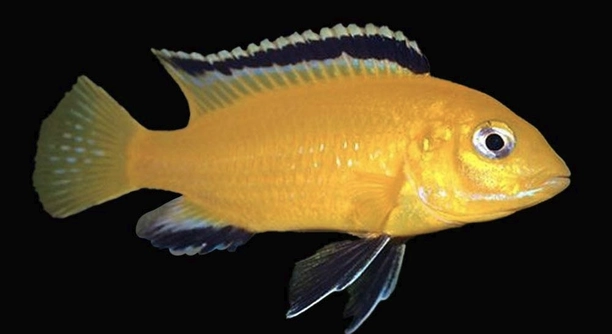
Setting up a tank for cichlids can be both exciting and a little tricky. These fish are lively and colorful, and they need a space that feels natural and safe for them to thrive every day.
A good tank layout for cichlids combines open swimming areas with hiding spots. Rocks, caves, and plants should be arranged to reduce aggression while allowing territorial boundaries, creating a stable and healthy environment for these fish to flourish.
Planning your tank carefully will make a big difference in your cichlids’ behavior and happiness. Small changes in decoration and arrangement can have lasting effects on their well-being.
Choosing the Right Substrate
The substrate you choose for your cichlid tank is more important than it may seem at first. Sand and fine gravel are often the best options because they allow cichlids to dig naturally without harming themselves. Avoid sharp or large gravel that could injure their delicate mouths. A light-colored substrate can also help you see your fish clearly and monitor their behavior, while darker colors can make them feel more secure. Some cichlids may move the substrate around often, so choose a material that is easy to clean and maintain. Substrate depth should be sufficient for digging, usually around two to three inches, depending on the species. You can also add some heavier rocks on top to keep it from shifting too much. Over time, this setup helps reduce stress and encourages natural behaviors, creating a healthier environment. Consistency in substrate type helps prevent sudden changes that could upset your fish.
Choosing sand or fine gravel will keep your cichlids safe and comfortable.
Different types of cichlids have varying preferences, so it’s helpful to observe their habits. Some enjoy burrowing deeply, while others only move small amounts around rocks or caves. Mixing textures slightly can satisfy these behaviors, but avoid combining materials that are too sharp or coarse. Substrate maintenance is also key. Regular cleaning prevents waste buildup and keeps the tank healthy. You can use a siphon carefully to remove debris without disturbing your fish too much. Over time, your cichlids will settle into their new home, using the substrate for digging, resting, or even displaying to others. Choosing the right base layer is more than an aesthetic choice—it directly impacts their behavior and well-being, making your tank a balanced and functional habitat.
Arranging Rocks and Caves
Rocks and caves provide essential hiding spaces and help establish territories within the tank.
Placing rocks strategically reduces aggressive encounters by giving each fish its own space.
When arranging rocks and caves, stability is the first priority. Rocks should be stacked securely to prevent collapsing, which could injure fish or damage the tank. Caves and crevices should vary in size to accommodate different fish, allowing shy or smaller individuals to retreat when needed. Open areas between rock formations are just as important, giving fish room to swim and chase each other without constant contact. The placement can also affect water flow and filtration efficiency, so avoid blocking filters or creating dead spots. Observing your cichlids after introducing new structures helps you adjust the layout as necessary, ensuring dominant fish do not monopolize key hiding areas. Over time, these formations encourage natural behaviors, such as territorial displays and breeding rituals, making the tank environment engaging and safe. Strategic arrangements also enhance the overall aesthetic, creating a more natural and enjoyable habitat for both you and your fish.
Choosing the Right Plants
Live plants help cichlids feel secure and improve water quality. Hardy species like Anubias and Java Fern are best, as they tolerate digging and nibbling.
Plant placement should balance open swimming areas with hiding spots. Attach plants to rocks or driftwood to prevent uprooting. Floating plants can also offer shade and reduce stress. Avoid delicate or soft-leaved plants that cichlids will likely tear apart. Grouping plants in clusters creates natural boundaries while leaving open space for movement. Plants also provide surfaces for algae growth, which some cichlids may graze on. Over time, healthy plants help reduce aggression by offering visual barriers and breaking up sightlines. The right combination of rooted and attached plants supports both fish activity and tank aesthetics. Maintaining plants requires regular trimming and monitoring water conditions to keep them thriving.
Using tough plants ensures your cichlids can dig and explore without damaging the environment.
Plants placed strategically can also influence breeding behavior. Some cichlids prefer laying eggs on flat leaves or inside plant-covered caves. Dense foliage reduces stress for shy fish while giving dominant individuals clear territories. Roots, stems, and leaves create microhabitats for fry and small invertebrates, adding complexity to the tank. You can mix slow-growing and fast-growing plants to maintain a balanced environment, preventing overgrowth in certain areas. Over time, the plants integrate with rocks and caves, creating a more natural, layered habitat that keeps your cichlids active and engaged. Proper plant selection and placement are crucial for long-term stability and fish health.
Lighting and Water Flow
Lighting affects fish behavior and plant growth. Moderate light keeps cichlids active without stressing them.
Positioning lights above the tank avoids overly bright spots. Too much light can increase algae growth and make fish hide. Adjust intensity based on plant needs and natural daylight cycles. LED lights are ideal for energy efficiency and consistent illumination.
Water flow should mimic natural conditions. Strong currents can tire fish, while stagnant areas encourage waste buildup. Filters and pumps should create gentle circulation, keeping the water oxygenated. Directional flow around rock formations and plants helps prevent debris accumulation. Adjust flow patterns so cichlids can swim freely but also rest without struggle. Observing how your fish respond to current allows small changes that improve comfort. Proper lighting and water movement together maintain a balanced ecosystem, supporting plant health and fish activity. These elements work in tandem to replicate a natural environment while keeping maintenance manageable.
Maintaining Proper Water Temperature
Cichlids need stable water temperatures to stay healthy. Most species thrive between 75 and 82 degrees Fahrenheit.
Using a reliable heater with a thermostat prevents sudden fluctuations. Consistent temperature reduces stress and supports digestion, growth, and immune function.
Using Decorations Wisely
Decorations like driftwood, rocks, and ceramic ornaments add hiding places and break up sightlines. Avoid sharp edges that can injure fish. Arrange items so each cichlid can claim its own space. Decorations also help define territories, reducing aggression and promoting natural behaviors.
Filtration and Water Quality
Strong filtration is essential to keep the tank clean and clear. Use a filter rated for your tank size, capable of mechanical, chemical, and biological filtration. Regularly clean the filter media without disturbing beneficial bacteria. Test water weekly to monitor ammonia, nitrites, and nitrates. Clean substrate as needed to remove debris. Maintaining stable water parameters prevents stress, disease, and aggression. Over time, consistent filtration ensures a healthy environment where cichlids can thrive, and it reduces long-term maintenance efforts, making tank care more manageable and enjoyable.
Providing Hiding Spots
Hiding spots reduce stress and allow fish to rest. Use caves, rocks, or dense plant areas to create safe retreats.
FAQ
How often should I rearrange my cichlid tank?
Frequent rearrangement can stress cichlids and cause aggression. Only move decorations or plants if necessary, like during cleaning or to fix unstable rocks. Small adjustments are fine, but keep the main structure consistent so fish can establish territories and feel secure.
Can I mix different types of cichlids?
Mixing species is possible, but compatibility depends on temperament, size, and natural behaviors. Aggressive or territorial species may fight, while peaceful ones can coexist. Research each species’ needs and monitor interactions closely. Provide plenty of hiding spots to reduce conflicts and protect shy individuals.
What is the best way to prevent algae growth?
Controlling light, maintaining clean water, and using live plants can reduce algae. Avoid overfeeding, as leftover food contributes to growth. Introduce algae-eating fish or snails if compatible. Regular water changes and filter maintenance also help keep algae under control without harsh chemicals.
How deep should I make the substrate?
A substrate depth of 2–3 inches is usually sufficient for most cichlids to dig and build small pits. Some digging species may prefer slightly deeper sand layers. Make sure it is smooth or fine to avoid injury and easy to clean to prevent waste buildup.
Do cichlids need caves or hiding spaces?
Yes, hiding spots are essential. They reduce stress, limit aggression, and provide breeding areas. Use rocks, driftwood, or dense plant clusters to create multiple shelters. Position them strategically so every fish can find safety without dominant individuals claiming all spaces.
How important is water temperature for cichlids?
Stable temperature is crucial. Most cichlids thrive between 75–82°F. Sudden drops or spikes cause stress, weaken the immune system, and can lead to illness. Use a reliable heater with a thermostat, and monitor regularly with a thermometer.
What type of filtration works best for cichlids?
A strong filter rated for your tank size is essential. Mechanical, chemical, and biological filtration all help maintain clean water. Clean media carefully to preserve beneficial bacteria. Proper filtration reduces stress, prevents disease, and keeps water clarity high.
How many plants should I include?
Include enough plants to create hiding spots and visual barriers without overcrowding. Hardy species like Anubias, Java Fern, and Vallisneria work well. Attach plants to rocks or driftwood to prevent uprooting. Dense clusters reduce aggression, while leaving open swimming space maintains activity.
Can I use artificial decorations instead of live plants?
Yes, artificial decorations can provide hiding spots and visual barriers. They require less maintenance but don’t help with water quality. Make sure decorations are smooth and stable. Combining live and artificial elements can balance aesthetics and practicality.
How do I reduce aggression in my cichlid tank?
Provide enough space, hiding spots, and multiple territories. Keep similar-sized fish together, and avoid overcrowding. Strategic placement of rocks, plants, and caves reduces confrontations. Observe interactions and separate overly aggressive individuals if necessary. Environmental stability plays a big role in maintaining peaceful behavior.
How often should I perform water changes?
Regular water changes of 20–30% weekly help maintain water quality. They remove excess waste and prevent harmful chemical buildup. Always match water temperature and parameters to avoid shocking fish. Consistency keeps the tank stable and supports overall health.
Are there specific decorations that cichlids prefer?
Cichlids enjoy caves, ledges, and rock piles. Smooth rocks, driftwood, and dense plant clusters mimic natural habitats. Avoid sharp or unstable items that could harm them. Variety in shapes and sizes allows each fish to claim a territory or retreat safely.
Can cichlids live in a tank without hiding spots?
They may survive, but stress levels rise and aggression increases. Hiding spaces are critical for territorial behavior, breeding, and safety. Providing shelters reduces injuries and supports natural behaviors, contributing to long-term health and stability in the tank.
How do I prevent my cichlids from uprooting plants?
Use hardy, anchored plants attached to rocks or driftwood. Sand or fine gravel is easier to manage. Grouping plants and providing plenty of digging space helps satisfy natural behaviors without completely destroying plant arrangements.
What is the best lighting schedule for cichlids?
Moderate lighting of 8–10 hours per day is ideal. Too much light stresses fish and encourages algae growth. Adjust intensity for plants while maintaining a natural day-night cycle. LED lights are energy-efficient and allow consistent illumination.
How can I make my tank feel more natural for cichlids?
Use a combination of rocks, caves, plants, and sand to create layers and territories. Include open swimming areas and hiding spots. Mimicking natural habitat helps reduce stress, encourages natural behaviors, and improves overall well-being. Avoid overcrowding and sudden layout changes.
What should I do if aggression becomes a problem?
Separate aggressive fish if they repeatedly harm others. Rearrange decorations to create more territories and hiding spots. Ensure proper stocking levels and similar-sized fish. Observing behavior and making small adjustments often resolves conflicts before serious injury occurs.
How often should I test water parameters?
Weekly testing is recommended. Monitor ammonia, nitrites, nitrates, pH, and hardness to maintain stability. Early detection of changes prevents stress and disease. Adjust filtration, water changes, or additives as needed to keep levels safe for all cichlids.
Is it necessary to mimic natural water flow?
Yes, gentle water currents help oxygenate the tank and remove debris. Strong currents can tire fish, while stagnant areas encourage waste buildup. Adjust pumps and filter output to create flow around rocks and plants, giving fish areas to swim comfortably and rest safely.
Do cichlids need a tank cover?
A cover helps prevent jumping, reduces evaporation, and limits debris. Ensure it allows light penetration and proper air exchange. Some species are more prone to jumping, so a secure lid keeps them safe without disrupting natural behavior.
How do I balance open space and decorations?
Leave sufficient swimming areas while providing hiding spots and territories. Too many decorations limit movement and increase stress, while too few increase aggression. Balance is key for active, healthy, and stress-free cichlids, promoting natural behaviors throughout the tank.
Can I use rocks from outside in my tank?
Only if thoroughly cleaned and safe for aquarium use. Avoid rocks that alter pH or contain harmful substances. Boiling or soaking can remove contaminants. Safe rocks enhance aesthetics and provide hiding spaces without risking fish health.
How can I encourage natural breeding behaviors?
Provide caves, flat rocks, or plant-covered areas for spawning. Maintain clean water, stable temperature, and proper diet. Hiding spots reduce stress and allow pairs to claim territories, increasing the chance of successful breeding. Observe behavior and separate aggressive males if necessary to protect eggs.
How do I know if my cichlids are stressed?
Signs include hiding, reduced appetite, color fading, or aggression. Rapid gill movement and frantic swimming are also indicators. Stress often comes from poor water quality, overcrowding, or insufficient hiding spots. Addressing the environment quickly improves health and reduces behavioral issues.
Can I use sand and gravel together?
Yes, but be mindful of digging behaviors. Layering sand over gravel can work if fish don’t mix it excessively. Avoid sharp gravel that could injure mouths. This setup can combine aesthetics with functional substrate for cichlid activity.
What is the ideal tank size for cichlids?
Tank size depends on species and number of fish. Larger tanks reduce aggression and allow proper territory establishment. As a general guideline, 55 gallons or more is recommended for multiple medium-sized cichlids, ensuring space for swimming, hiding, and natural behaviors.
How do I prevent disease in my tank?
Maintain clean water, stable parameters, and a balanced diet. Quarantine new fish before adding them. Regular observation helps catch early signs of illness. Avoid overcrowding and stressful conditions to strengthen immunity and reduce outbreaks.
Are caves more important than plants for hiding?
Both are important. Caves provide secure retreats for shy or breeding fish, while plants offer visual barriers and cover. A combination ensures multiple hiding options, reducing stress and aggression while supporting natural behaviors throughout the tank.
What maintenance routine works best for a cichlid tank?
Weekly water changes, substrate cleaning, filter checks, and plant trimming keep the tank stable. Regular observation of fish behavior ensures early detection of issues. Consistent routines maintain water quality, reduce stress, and support long-term fish health.
How do I make the tank visually appealing yet functional?
Balance open spaces with decorations and plants. Use layers of rocks, caves, and plants to create depth. Color variation in substrate and decorations adds interest. Functional layout meets behavioral needs while maintaining a natural, attractive environment for cichlids.
Can I keep juvenile and adult cichlids together?
It’s possible, but monitor aggression carefully. Adults may bully smaller fish. Provide hiding spots and territories to protect juveniles. Separate if stress or injuries occur, as consistent growth and space needs differ between age groups.
How important is pH for cichlids?
Maintaining stable pH is crucial. Most cichlids prefer slightly alkaline conditions. Sudden shifts cause stress, illness, and aggressive behavior. Use buffers if necessary and test regularly to maintain a safe, consistent environment.
Can I use ornaments with sharp edges?
No, avoid anything that can injure fish. Smooth rocks, driftwood, and plastic or ceramic ornaments are safe. Sharp edges can cause cuts, infections, and stress, impacting fish health and behavior.
Do cichlids require special lighting for breeding?
Moderate lighting is sufficient. Avoid intense light, which increases stress. Consistent day-night cycles support natural behaviors, including spawning. Plants or caves can provide shaded areas for comfort during bright periods.
How can I make sure dominant fish do not stress others?
Provide multiple hiding spots, open swimming areas, and territorial markers. Distribute food evenly. Observe behavior and separate aggressive individuals if necessary. Environmental enrichment and balanced tank design reduce tension among cichlids.
What is the best way to clean decorations?
Rinse with warm water and gently scrub algae. Avoid chemicals or soaps. For stubborn buildup, soaking in vinegar-water solution helps. Clean regularly to maintain aesthetics and prevent algae or debris from affecting fish health.
Can I keep cichlids in a planted tank with soft substrates?
Yes, but ensure plants are hardy and anchored. Fine sand works well. Observe digging behavior and adjust plant placement or use attachments to prevent uprooting. Proper substrate supports natural activity without harming plants.
How do I introduce new cichlids to an established tank?
Quarantine first to prevent disease. Place new fish in a separate container inside the tank to acclimate temperature and water chemistry. Slowly release after a few hours while monitoring interactions, ensuring safe integration with minimal stress.
How much space should each cichlid have?
Provide enough room for swimming, territories, and hiding spots. Overstocking increases aggression and stress. Larger tanks allow multiple territories, making social dynamics manageable and keeping the fish active and healthy.
What role do floating plants play in a cichlid tank?
Floating plants reduce light intensity, provide shade, and create cover. They offer resting areas and reduce stress. They also help with water quality by absorbing nutrients, complementing other plants and decorations in the tank ecosystem.
How do I prevent fights during feeding?
Distribute food across multiple areas. Use sinking pellets or spread flakes to reduce competition. Feeding slowly and consistently reduces aggression and ensures all fish receive nutrition. Observation helps adjust methods for optimal feeding behavior.
Can I combine different substrate types?
Yes, but ensure they are safe and compatible. Use finer sand where digging occurs and gravel for planting or decoration. Avoid sharp or mixed-size substrates that could harm fish or create uneven digging surfaces.
How important are visual barriers in a cichlid tank?
Visual barriers reduce stress, aggression, and chasing. Rocks, caves, plants, and decorations create territories and hiding spots. Proper placement allows fish to establish dominance without constant confrontation, supporting natural behavior and well-being.
Can I use small ornaments in addition to large caves?
Yes, small decorations supplement hiding spots and break up sightlines. They create micro-territories for shy or smaller fish, complementing larger caves and rocks to reduce stress and aggression.
What type of plants resist cichlid digging?
Anubias, Java Fern, and Vallisneria are hardy options. Attach to rocks or driftwood to prevent uprooting. Dense clusters also protect roots and provide cover, balancing the tank layout with fish activity and natural behaviors.
How often should I trim plants?
Trim once every few weeks or as needed. Remove dead leaves and overgrowth to maintain water quality and swimming space. Regular maintenance keeps plants healthy and reduces algae, while supporting fish activity.
How do I encourage shy cichlids to explore?
Provide multiple hiding spots and gradually open swimming areas. Reduce bright lighting and avoid sudden changes. Over time, shy fish gain confidence as they establish territories and feel safe within the tank layout.
Can I add decorations gradually?
Yes, gradual addition prevents overwhelming fish and reduces territorial disputes. Observe behavior after each change to ensure balance. This method helps maintain stability while enhancing the environment over time.
What is the ideal water hardness for cichlids?
Most cichlids prefer moderate to hard water, which supports health, coloration, and breeding. Monitor GH and KH levels, and adjust gradually if needed. Stable hardness reduces stress and supports natural behavior and physiological functions.
How do I keep aggressive species from dominating a tank?
Provide ample hiding spots, multiple territories, and consistent feeding. Avoid overcrowding. Observe and separate overly aggressive individuals if necessary. Strategic decoration placement and careful species selection minimize conflicts and protect more peaceful fish.
Can cichlids live with snails or shrimp?
Some species may eat smaller invertebrates. Choose larger, hardy snails to avoid predation. Shrimp may survive in heavily planted areas but are often at risk. Compatibility depends on cichlid temperament and tank setup.
How do I balance plant growth and digging behaviors?
Use hardy, anchored plants and provide sufficient substrate depth. Group plants and leave open areas for digging. Monitor behavior and adjust placement to minimize uprooting while maintaining natural activity and aesthetics.
What is the best way to acclimate cichlids to a new tank?
Float the bag in the tank for temperature adjustment, gradually mix tank water, then release fish carefully. Monitor behavior for stress or aggression during the first hours. A slow introduction reduces shock and supports long-term adaptation.
Can I use decorations to guide territorial behavior?
Yes, decorations create boundaries and visual barriers. Rock piles, caves, and plants help fish establish territories naturally. Proper placement reduces aggression and encourages healthy interactions while maintaining a functional and aesthetically pleasing layout.
How do I prevent substrate compaction?
Use sand or fine gravel with adequate depth and occasional cleaning. Avoid overpacking during setup. Substrate should remain loose enough for digging and waste removal while maintaining stability around rocks and plants.
What are signs of a well-laid-out tank?
Fish are active, explore hiding spots, and show natural behaviors. Aggression is manageable, and shy fish feel secure. Plants thrive, substrate remains clean, and decorations are stable. Overall, the environment supports health, comfort, and behavioral balance.
Can I rearrange decorations for seasonal variety?
Yes, minor seasonal adjustments can refresh the tank visually, but avoid drastic changes. Maintain main territories to reduce stress. Gradual rearrangement keeps fish comfortable while adding variety to the environment.
How do I monitor if caves are sufficient?
Observe fish behavior. Multiple individuals should be able to hide simultaneously. Watch for aggression, dominance, or overcrowding. Add or reposition caves if certain fish are consistently stressed or excluded from shelter.
Can I use driftwood in a cichlid tank?
Yes, driftwood provides hiding spots and surface area for algae. Ensure it is aquarium-safe and free of contaminants. Attach plants if desired. Driftwood also slightly alters water chemistry, which some species prefer.
How do I create open swimming areas without losing hiding spots?
Distribute rocks, caves, and plants along the perimeter or in clusters, leaving central open space. This allows movement and exploration while maintaining shelter. Balance ensures both activity and security, supporting natural cichlid behavior.
How do I prevent water stagnation in hidden areas?
Arrange decorations to allow gentle water flow around caves and plants. Avoid blocking filters or creating dead zones. Proper circulation ensures oxygenation, reduces debris buildup, and maintains water quality throughout the tank.
What is the role of substrate color?
Substrate color affects fish visibility and comfort. Light colors make fish easier to observe, while darker shades provide a sense of security. Color choice also enhances aesthetic appeal and complements rocks, plants, and decorations.
How can I make the tank feel more natural without overcrowding?
Layer decorations and plants, leaving open swimming zones. Use varied heights, textures, and hiding spots. This mimics natural habitats while providing space for fish to establish territories, explore, and interact safely.
How often should I check decorations for stability?
Check every few weeks or after rearranging. Ensure rocks, caves, and ornaments are secure. Stability prevents injuries, maintains territories, and supports fish safety during active swimming or digging.
Can I use a mix of live and artificial plants?
Yes, artificial plants supplement live ones, especially in high-digging areas. They provide shelter without uprooting and reduce maintenance. Combining both types balances aesthetics, fish activity, and environmental stability.
How do I balance territorial needs for multiple fish?
Provide multiple hiding spots, visual barriers, and open swimming zones. Observe interactions and adjust layout to reduce conflict. Balanced territories help maintain social harmony and encourage natural behaviors among all cichlids.
What are common mistakes when laying out a cichlid tank?
Overcrowding, lack of hiding spots, sharp decorations, unstable rocks, poor substrate, and improper water flow cause stress, aggression, and injury. Ignoring plant needs or over-lighting also impacts behavior. Thoughtful planning and observation prevent these issues, keeping fish healthy and active.
How do I integrate new fish into existing territories?
Add new fish gradually with observation. Provide extra hiding spots and monitor aggression. Adjust decorations if dominant fish monopolize key areas. Patience ensures safer integration and reduces stress for both new and established cichlids.
How important is symmetry in tank layout?
Symmetry is less critical than functionality. Natural-looking, asymmetrical arrangements often benefit fish behavior. Focus on open swimming areas, hiding spots, and territorial balance rather than perfect symmetry. A visually appealing but functional layout supports health and reduces stress.
Can cichlids rearrange the tank themselves?
Yes, digging and moving substrate are natural behaviors. Fish may
Final Thoughts
Creating a well-laid-out cichlid tank takes some planning and observation, but the results are worth the effort. Cichlids are active, intelligent fish that respond strongly to their environment. A tank with a thoughtful arrangement of rocks, caves, plants, and open swimming areas helps reduce stress and encourages natural behavior. It is important to consider the needs of each species, including their size, temperament, and digging habits. Taking time to understand these requirements ensures that your fish feel comfortable and secure in their habitat. Even small details, like the placement of a single rock or a cluster of plants, can make a difference in how the fish interact and establish territories.
Maintaining a balance between aesthetics and functionality is key. While it is tempting to focus solely on how the tank looks, the health and comfort of your cichlids should come first. Decorations, substrate, and plants are not just for appearance—they play a crucial role in the fish’s well-being. Providing hiding spots, visual barriers, and clear swimming areas can reduce aggression and stress. Likewise, proper filtration, lighting, and water temperature are just as important as the physical layout. Regular observation allows you to adjust the tank if you notice aggressive behavior, hiding, or stress among the fish. Over time, small tweaks can have a big impact, helping to create a stable and harmonious environment where all fish can thrive.
Patience and consistency are essential for long-term success. Cichlids may take time to settle, especially in a new tank or after rearrangements. Avoid frequent, drastic changes, as sudden disturbances can upset territorial boundaries and increase conflict. Maintaining water quality through regular changes, testing, and cleaning supports their health and encourages natural behavior. Watching your cichlids interact and exploring their environment can also be rewarding, giving insight into their personalities and habits. With a careful approach, you can create a tank that is both visually appealing and functional, providing your cichlids with a safe, stimulating, and comfortable home. Consistent care, attention to detail, and understanding the needs of your fish are the best ways to ensure long-term success and a thriving aquatic community.

Hello,
If you enjoy the content that we create, please consider saying a "Thank You!" by leaving a tip.
Every little bit helps us continue crafting quality advice that supports the health, happiness, and well-being of pets around the world, for pets of all shapes, sizes, and species.
We really appreciate the kindness and support that you show us!