
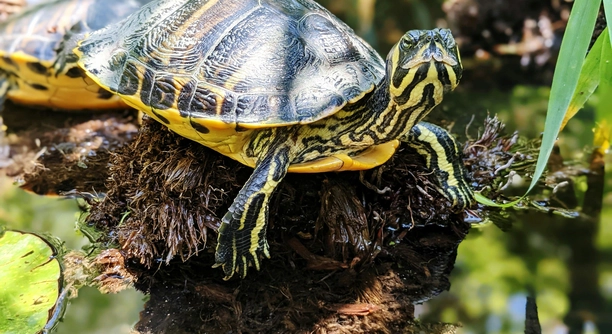
Do you want to care for a yellow-bellied slider but feel unsure about how to meet its needs?
The best way to care for a yellow-bellied slider is to provide a clean habitat, proper diet, and sufficient basking light. Ensuring these basics will keep your turtle healthy and happy.
With these simple yet effective tips, you can create a nurturing environment for your turtle and enjoy the rewards of responsible pet care.
Setting Up the Perfect Habitat
Creating the right habitat for your yellow-bellied slider is essential for its well-being. A spacious tank with clean water and a basking area is crucial. Ensure the tank size accommodates their growth, starting with at least 75 gallons for adults. The water should be filtered and maintained at a temperature between 72°F and 78°F. A basking platform with a UVB light helps maintain healthy shell and bone development. Add hiding spots, like aquatic plants or caves, to reduce stress.
Your slider will thrive when its habitat mimics its natural environment. Regularly clean the tank to maintain water quality and prevent health issues.
Setting up a proper habitat doesn’t have to be complicated. With the right equipment and care, you’ll create a space where your turtle feels safe and comfortable every day.
Feeding Your Yellow-Bellied Slider
A yellow-bellied slider’s diet should include both plant-based and protein-rich foods. Leafy greens, aquatic plants, and pellets provide a balanced nutrition.
Avoid overfeeding, as sliders can easily gain weight. Young turtles require more protein from insects or small fish, while adults thrive on more vegetation. Feed them daily in their early years and gradually reduce to every two or three days as they mature.
A varied and controlled diet ensures your turtle stays healthy and active. Proper feeding habits are just as important as the habitat, helping your yellow-bellied slider enjoy a long, healthy life.
Maintaining Water Quality
Clean water is essential for a yellow-bellied slider’s health. Use a strong filter to remove waste and keep the water clear. Change 25% of the tank’s water weekly to maintain proper cleanliness and balance.
Investing in a water testing kit ensures ammonia, nitrate, and pH levels are kept in check. The pH should stay between 6.5 and 8. Over time, uneaten food and waste can make the water harmful. Spot-clean any debris daily and monitor your filter’s efficiency. Proper maintenance prevents common health issues caused by dirty water.
A clean environment keeps your turtle active and healthy. With regular care, you can avoid problems like shell rot and respiratory infections. Keeping the water in good condition makes your slider’s habitat comfortable and safe for long-term happiness.
Providing Adequate Lighting
Lighting impacts a yellow-bellied slider’s overall health. Use a UVB light to help with calcium absorption and prevent shell deformities.
Position the UVB light over the basking area and replace the bulb every six months, as effectiveness decreases over time. Provide 10 to 12 hours of light daily to mimic their natural day cycle. A heat lamp can help maintain the basking area at 85°F to 95°F.
Proper lighting ensures your slider gets essential nutrients and stays active. Taking time to set up the right lighting system supports their long-term health.
Handling Your Yellow-Bellied Slider
Limit handling to reduce stress on your yellow-bellied slider. These turtles prefer to be observed rather than touched, and frequent handling can make them nervous or uncomfortable.
If you must handle them, support their body securely with both hands to avoid injury. Always wash your hands before and after to prevent contamination.
Monitoring Health and Behavior
Watch for changes in behavior or appearance that could signal health issues. Lethargy, lack of appetite, or unusual marks on the shell should not be ignored. Early detection ensures proper treatment.
Keeping the Tank Safe
Remove sharp or small objects from the tank to prevent injury or accidental ingestion. A safe tank setup reduces risks and keeps your slider healthy.
FAQ
How often should I feed my yellow-bellied slider?
Feed young sliders daily, focusing on a protein-rich diet like insects and small fish. For adults, reduce feeding to every two or three days, incorporating more plant-based foods like leafy greens and aquatic plants. Overfeeding can lead to obesity and health problems.
What is the ideal water temperature for yellow-bellied sliders?
The water should stay between 72°F and 78°F. Use a reliable water heater and thermometer to maintain consistent temperatures. A separate basking area should range from 85°F to 95°F, providing your slider with temperature options to regulate its body heat.
How do I keep the tank clean?
Regular maintenance is essential. Spot-clean daily by removing uneaten food and waste. Change about 25% of the water weekly and use a strong filtration system. Test water quality regularly to monitor ammonia, nitrate, and pH levels to ensure a safe environment.
Can yellow-bellied sliders live with other turtles?
They can, but it depends on the size of the tank and the temperament of the turtles. Provide enough space, basking areas, and food to prevent competition. Monitor for aggression and separate turtles if necessary to avoid injuries or stress.
Do yellow-bellied sliders need UVB lighting?
Yes, UVB lighting is crucial for their health. It helps them absorb calcium and prevents conditions like metabolic bone disease. Replace UVB bulbs every six months and ensure the light reaches the basking area directly.
What should I do if my slider won’t eat?
Check the water temperature and habitat conditions first, as poor environments can stress turtles and reduce their appetite. If the setup is correct, consider offering a variety of foods. Persistent refusal to eat may require consulting a reptile vet for further evaluation.
How can I tell if my yellow-bellied slider is healthy?
A healthy turtle is active, has clear eyes, and a firm, smooth shell. Watch for signs like lethargy, swollen eyes, shell discoloration, or respiratory issues. Regular observation helps detect problems early and ensures prompt treatment if needed.
How big do yellow-bellied sliders get?
Males typically grow up to 8–10 inches, while females can reach 10–13 inches. Provide a tank size of at least 75 gallons for adults, ensuring plenty of room for swimming, basking, and resting comfortably.
Do yellow-bellied sliders hibernate?
In the wild, they may brumate during colder months. In captivity, maintaining consistent temperatures prevents this behavior. If temperatures drop too low, they may show signs of brumation, which can be stressful in an artificial habitat.
What is the lifespan of a yellow-bellied slider?
With proper care, these turtles can live 20–30 years in captivity. Providing a clean environment, balanced diet, and regular health checks ensures a long, healthy life.
Final Thoughts
Caring for a yellow-bellied slider can be rewarding when you meet their basic needs. A proper habitat, including clean water, a basking area, and UVB lighting, ensures their health and happiness. Taking time to monitor their environment and making adjustments as they grow helps provide a safe and comfortable home. These turtles thrive when they have space to swim, places to hide, and access to warmth for basking.
Maintaining a healthy diet is just as important as creating the right habitat. Offering a mix of protein and plants ensures your slider gets the nutrients it needs. Avoid overfeeding to prevent weight-related health problems, and always check for signs of illness or unusual behavior. By observing your turtle closely, you can catch potential issues early and seek appropriate care if needed.
Yellow-bellied sliders require commitment, but their care doesn’t have to be overwhelming. With consistent effort, you can create a stable environment where your turtle can live a long and fulfilling life. Taking the time to understand their needs, whether it’s about water quality, diet, or lighting, helps ensure their well-being. These small steps go a long way in making your turtle a happy and healthy addition to your family.

Hello,
If you enjoy the content that we create, please consider saying a "Thank You!" by leaving a tip.
Every little bit helps us continue crafting quality advice that supports the health, happiness, and well-being of pets around the world, for pets of all shapes, sizes, and species.
We really appreciate the kindness and support that you show us!