
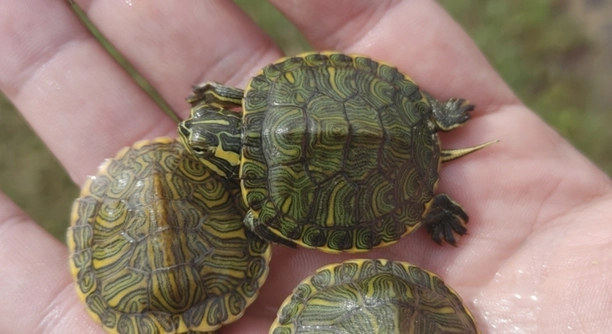
Do you have a yellow-bellied slider and wonder if they can munch on grass? Turtles are fascinating creatures with unique dietary needs. Understanding what they can safely eat is essential for their health and happiness.
Yellow-bellied sliders can eat grass, but it is not a primary food source for them. Grass offers limited nutritional value and should only be an occasional treat, supplemented by a well-balanced diet of aquatic plants, vegetables, and commercial turtle food.
Learning about their diet can help you create a healthier environment for your pet. Let’s explore the role of grass in their meals and other great dietary options.
Can Yellow-Bellied Sliders Safely Eat Grass?
Grass is safe for yellow-bellied sliders to eat, but it should not be their main food. While it contains fiber, it lacks essential nutrients that turtles need to thrive. Instead, they benefit from a diet rich in aquatic plants, leafy greens, and commercial turtle pellets. Grass can serve as a natural enrichment, giving your turtle something to nibble on occasionally, but balance is key. Ensure the grass is free of pesticides or chemicals to avoid health risks. Keep in mind that variety is crucial to their overall health.
Introduce grass in small amounts to observe how your turtle responds. Some turtles may enjoy nibbling on it, while others might ignore it altogether. Watch for any changes in behavior or digestion after introducing new foods.
Focusing on a nutrient-rich diet helps maintain your slider’s energy levels, shell development, and long-term well-being.
Building a Balanced Diet for Your Slider
Variety is essential in your turtle’s diet. Include leafy greens like collards, dandelion greens, and kale, as they are nutrient-dense options that turtles love.
A proper diet should combine plant-based foods and protein. Younger sliders need more protein from insects or pellets, while adults prefer plants. Offering vegetables like zucchini or carrots and occasional fruit treats can also help meet their nutritional needs. Always provide fresh, clean water and remove uneaten food to maintain a healthy tank environment. Regularly monitor your turtle’s weight and activity levels to ensure they are thriving. A balanced diet is a simple yet effective way to keep your turtle happy and healthy for years to come.
Why Grass Isn’t a Nutritional Staple
Grass offers minimal nutritional value for yellow-bellied sliders. While it can be a source of fiber, it does not provide the vitamins and minerals turtles need to stay healthy.
Yellow-bellied sliders rely on a diet that mimics their natural habitat. Aquatic plants like duckweed or water lettuce are excellent staples, as they are nutrient-rich and easy for turtles to digest. Vegetables such as collard greens and mustard greens provide essential vitamins, while protein sources like insects or commercial turtle pellets meet their dietary needs, especially for younger turtles. Grass, while safe, lacks the variety and nutrients needed for a well-rounded diet.
Including grass occasionally can stimulate natural foraging behaviors, offering some mental stimulation. However, focus on foods with higher nutritional content to support their growth, shell strength, and overall vitality. Avoid making grass a regular part of their meals.
Risks of Feeding Grass
Grass from treated lawns can be harmful to turtles. Pesticides, herbicides, or fertilizers often used on grass pose a significant risk to their health if ingested.
If you choose to include grass, ensure it is organic and untreated. Always wash it thoroughly to remove dirt or contaminants. Opting for homegrown grass or sourcing it from a trusted organic source can minimize risks. Even with untreated grass, monitor your turtle for any adverse reactions like changes in appetite or digestion. Keeping their diet diverse and controlled is essential to avoid potential issues while keeping them happy and healthy.
Alternative Treats for Yellow-Bellied Sliders
Safe and healthy treats include aquatic plants like anacharis or hornwort. These mimic their natural diet and offer essential nutrients. Leafy greens such as romaine lettuce or endive are also excellent choices for occasional treats.
Fruits like strawberries or blueberries can be offered sparingly as a treat. These provide natural sweetness but should not replace their main diet. Always feed in moderation to maintain balance.
How to Introduce New Foods
When introducing new foods, start with small amounts to see how your turtle reacts. Watch for any changes in digestion or activity levels. If they accept the new food well, gradually incorporate it into their diet to ensure variety and nutrition.
The Importance of a Clean Feeding Area
Leftover food in the tank can quickly spoil, affecting water quality. Always remove uneaten food after feeding to keep the habitat clean and your turtle healthy.
FAQ
Can yellow-bellied sliders eat grass every day?
No, yellow-bellied sliders should not eat grass every day. While it is safe for them to nibble on grass occasionally, it doesn’t provide the full nutritional value they need. A diet high in protein, aquatic plants, and leafy greens is more beneficial for their health. Grass should be treated as an occasional snack rather than a regular part of their diet.
Is grass good for yellow-bellied sliders?
Grass can be good for yellow-bellied sliders in small amounts. It provides fiber, which helps with digestion, but lacks the necessary vitamins and minerals. It is not a substitute for more nutrient-dense foods like leafy greens or aquatic plants, which should make up the bulk of their diet.
Can I feed my slider grass from my lawn?
Feeding your slider grass from your lawn is possible but not recommended unless it’s grown organically. Many lawns are treated with chemicals like pesticides, herbicides, and fertilizers, which can harm your turtle. If you decide to feed grass from your lawn, ensure it’s chemical-free and wash it thoroughly to remove dirt and contaminants.
How do I know if my slider likes grass?
You’ll know if your slider likes grass by observing their reaction. Some turtles will eagerly nibble on grass, while others might ignore it. Introduce a small amount at first to see how they respond. If they show interest, it’s safe to offer it occasionally as part of their diet.
How can I provide a balanced diet for my yellow-bellied slider?
A balanced diet for your slider should include a mix of protein, vegetables, and aquatic plants. Young sliders require more protein, which can come from insects, shrimp, or specially formulated turtle food. As they grow, their diet should shift to more plant-based foods, such as leafy greens, dandelion greens, or water plants. Always ensure they have access to fresh water and monitor their weight and health for any signs of malnutrition.
Are there any foods I should avoid feeding my slider?
Yes, there are some foods to avoid feeding yellow-bellied sliders. Never feed them high-fat or processed foods, such as junk food or chocolate. Avoid iceberg lettuce, as it offers little nutritional value, and steer clear of feeding them too much fruit, as it can upset their digestion. Do not feed them toxic plants like azaleas, lilies, or daffodils. Always double-check any food’s safety before feeding it to your turtle.
Can I feed my slider fruits?
Yes, fruits can be offered to yellow-bellied sliders as an occasional treat, but only in small amounts. Fruits like strawberries, blueberries, and apples are acceptable. However, these should not make up more than 10% of their overall diet, as they are high in sugar and can lead to digestive problems if overfed.
How often should I feed my yellow-bellied slider?
Young yellow-bellied sliders should be fed daily to support their rapid growth. Adult sliders, on the other hand, can be fed every other day. Offer food once or twice a day, depending on your turtle’s age and activity level. Always monitor how much food they consume and adjust accordingly to avoid overfeeding.
Is it okay for my slider to eat plants from my aquarium?
Yes, aquatic plants from your aquarium can be a good food source for your yellow-bellied slider, as long as they are safe for turtles to consume. Plants like water lettuce, anacharis, and duckweed are excellent options. Be sure to provide a variety to keep their diet interesting and balanced. Avoid plants that may be toxic to turtles, such as water hyacinth or certain types of algae.
Can I feed my slider commercial turtle food?
Commercial turtle food can be a convenient and reliable option to ensure your slider is getting the necessary nutrients. Look for pellets or sticks that are specifically formulated for yellow-bellied sliders. These foods typically contain the right balance of protein, vitamins, and minerals to support your turtle’s health. However, commercial food should only be part of their diet and should be supplemented with fresh greens and aquatic plants.
How do I introduce new foods to my slider?
When introducing new foods, start slowly to avoid upsetting your turtle’s digestive system. Offer small amounts of new foods and observe your turtle’s reaction. If they refuse the food or show signs of discomfort, remove it and try again later. Gradually incorporating a variety of foods ensures your turtle remains healthy and gets the nutrients they need.
How can I keep my slider’s diet varied and interesting?
Keeping your slider’s diet varied and interesting can be done by offering a range of foods throughout the week. Incorporate different types of leafy greens, such as kale, collard greens, and dandelion leaves. Add aquatic plants like anacharis and duckweed for variety. Include occasional protein sources like shrimp, crickets, or worms. Offering different foods keeps your turtle engaged and ensures they get the nutrients they need for long-term health.
Final Thoughts
When it comes to feeding yellow-bellied sliders, variety and balance are key. While grass is safe for them to nibble on in small amounts, it should not be a primary food source. It lacks the necessary nutrients that turtles need for healthy growth, shell development, and overall well-being. Aquatic plants, leafy greens, and protein sources are much more beneficial for their diet. Offering a mix of these foods will help ensure your turtle is getting all the vitamins and minerals needed to thrive. Regularly providing fresh water and removing leftover food from their tank also plays a significant role in maintaining their health.
Introducing new foods to your slider’s diet can help keep them engaged and satisfied. You don’t need to stick to just one type of food; experimenting with a variety of vegetables, fruits, and protein options will provide the necessary nutrition. Remember that not all foods are suitable, so be mindful of what you feed your turtle. Avoid feeding them foods that are high in fat, sugar, or toxic, and always check the safety of any new food. If you ever have concerns or are unsure about feeding your slider a certain food, it’s always best to consult with a vet or reptile specialist.
Overall, yellow-bellied sliders are adaptable creatures, but they rely on a healthy and balanced diet to live a long, happy life. Grass can be part of their diet, but it should be considered a treat rather than a staple. By offering a variety of foods and making sure their habitat is clean, you can help ensure your turtle stays healthy and active. Keeping a close eye on their eating habits and weight is important for identifying any potential issues early. With the right care and attention, your yellow-bellied slider can live a happy, healthy life.

Hello,
If you enjoy the content that we create, please consider saying a "Thank You!" by leaving a tip.
Every little bit helps us continue crafting quality advice that supports the health, happiness, and well-being of pets around the world, for pets of all shapes, sizes, and species.
We really appreciate the kindness and support that you show us!