
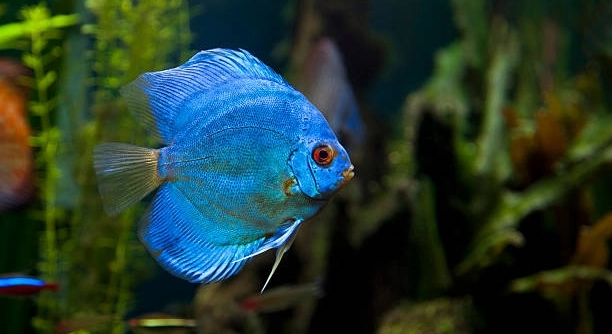
Is your discus fish growing unevenly, with one side smaller or weaker than the other? This issue can be frustrating and sometimes hard to fix without knowing what to look for in their care routine.
Uneven growth in discus is often caused by inconsistent feeding, poor water quality, competition, or illness. Addressing these problems through specific adjustments in tank management, diet, and health monitoring can help promote balanced development in your fish.
Simple changes in how you feed, clean, and manage your tank can make a big difference in your discus fish’s growth and overall health.
Check for Uneven Feeding Habits
Discus fish can be slow and shy eaters, especially in a mixed tank. If certain fish are eating more than others, it can cause uneven growth over time. To help, feed them small amounts several times a day instead of one large portion. This gives every fish more chances to eat. You can also try using feeding cones or target feeding with a dropper to make sure food reaches all of them, especially the smaller or slower ones. If one fish is dominating feeding times, consider separating it during meals. Watch your tank closely during feeding to see who’s getting enough and who’s missing out. Sometimes, just adjusting the feeding area or adding another spot for food can fix the problem. With a bit of patience and attention, you can make feeding time fairer for all your discus.
Feed at different spots in the tank to help smaller or shy fish get their share more easily.
Balanced nutrition is just as important. Uneven feeding may also lead to uneven nutrient intake, affecting overall health. Make sure you’re offering a mix of quality flakes, pellets, and frozen or live food. If some fish still seem to lag, try using vitamin-enriched options to help support their development.
Maintain Excellent Water Quality
Clean water helps discus thrive and grow evenly. Dirty water can cause stress, slow growth, and even make some fish sick. Regular water changes and filter maintenance are essential.
Aim to change 30–50% of the tank water at least twice a week. This helps keep ammonia, nitrite, and nitrate levels in check. Discus are sensitive and need warm, soft, slightly acidic water. Use a reliable test kit to monitor pH, temperature, and hardness. A stable environment helps reduce stress, which is a common reason some fish don’t grow as fast. Also, avoid overcrowding. Too many fish can strain the biofilter and reduce oxygen levels. Uneven oxygen can affect how fish grow, especially if some stay near the surface while others stay at the bottom. Clean substrate regularly to prevent waste build-up. If you use plants, make sure they’re healthy and not decaying. Poor water quality can lead to infections or stunted growth, so staying on top of it really matters.
Reduce Stress from Tank Mates
Discus can be easily stressed by aggressive or overly active tank mates. This stress can lead to uneven growth, especially in younger or more timid fish. Stick with peaceful species that won’t outcompete them during feeding or invade their space.
Watch how your discus interact with other fish in the tank. If one or more discus stay hidden, show clamped fins, or eat less, they may be bullied or overwhelmed. Consider rehoming aggressive fish or using a divider temporarily. Tank mates like tetras or corydoras are usually safe, but even within the discus group, some individuals can be pushy. Try to keep them in groups of six or more to spread out aggression. Adding tall plants or decorations helps create visual breaks, giving fish a chance to rest and feel secure. A calm tank helps all discus grow more evenly and stay healthier over time.
Sometimes, the stress comes from within the group itself. Discus have social structures, and weaker fish often get pushed aside. If one or two are always hiding or excluded, they may not eat or grow properly. Rearranging the tank layout can disrupt this behavior. Changing decorations or moving plants can break up established territories and ease tension. If needed, separating the smallest discus into a separate tank until they catch up in size can work well. Once they’re stronger and eating consistently, you can slowly reintroduce them to the main tank. Always do this with care and watch for signs of stress or aggression.
Address Possible Illness or Parasites
Sometimes uneven growth is caused by an internal issue like parasites or infections. These problems often affect only a few fish, making the size difference more noticeable. Look for signs like white feces, clamped fins, or cloudy eyes.
If you suspect illness, act quickly. Quarantine the affected fish and monitor their behavior. Common internal parasites like hexamita or worms can be treated with medicated food or water treatments, but always follow dosing instructions carefully. It helps to get a diagnosis from a vet or fish expert if you’re unsure. Don’t treat the whole tank unless it’s necessary. Over-medicating can stress out healthy fish and upset the tank balance. Keep the quarantine tank clean, warm, and low-stress. Offer high-quality food and check for signs of improvement. When a fish is sick, their growth can stall until they recover, so early treatment gives them the best chance to catch up.
Improve Tank Temperature Stability
Discus need stable warm water to grow evenly. Fluctuating temperatures can stress them and slow their growth. Keep the tank between 82–86°F and use a reliable heater. A thermometer helps you track any changes before they cause harm.
Avoid placing the tank near windows or vents. These spots can cause sudden shifts in temperature. If your home gets cold at night, consider a backup heater or insulation. Stability supports steady growth and helps prevent illness.
Offer a More Varied Diet
Feeding the same food every day can lead to nutritional gaps. Discus benefit from a mix of high-protein foods like beef heart, frozen bloodworms, and quality pellets. Rotate different types throughout the week to give them a balanced diet. Some may prefer certain foods over others, so variety keeps everyone eating well. Include vitamin-rich options and consider soaking dry food in garlic juice to boost immunity. A healthy diet supports growth and helps prevent one fish from falling behind due to lack of nutrients. Keep portions small but consistent and feed at regular times each day.
Monitor Growth Progress
Keep track of each discus fish’s size every few weeks. Use photos or notes to spot changes early. This helps you adjust care before problems get worse.
FAQ
Why is my discus fish growing unevenly compared to others?
Uneven growth in discus often comes from differences in feeding access, stress, or health issues. Some fish may eat more or better-quality food, while others get pushed away or hide during feeding. Stress from tank mates or poor water conditions can also slow growth. Illness or parasites may affect only a few fish, causing them to lag behind. Paying close attention to feeding habits, tank environment, and health can help identify why one discus grows differently.
How can I make sure all my discus get enough food?
Feed smaller amounts multiple times a day instead of one large meal. Use feeding cones or a dropper to direct food to shy or slow eaters. Observe feeding times and separate aggressive eaters if needed. Feeding at different spots in the tank also helps spread out the food, giving all fish a fair chance to eat. Maintaining a calm environment during feeding reduces competition and stress.
What water parameters are best for discus growth?
Discus prefer warm water between 82–86°F (28–30°C), with soft, slightly acidic water (pH 6.0–7.0). Ammonia and nitrite should always be at zero, and nitrates kept below 20 ppm. Stable temperature and clean water are essential. Frequent water changes and good filtration help maintain these conditions. Testing water regularly ensures the environment supports healthy, even growth.
Can tank mates affect my discus’s growth?
Yes. Aggressive or overly active tank mates can stress discus, making them eat less and grow unevenly. Even within a discus group, some individuals may bully others. Peaceful, compatible species like small tetras or corydoras are better choices. Keep discus in groups of six or more to spread aggression. Adding plants or decorations can reduce stress by breaking up territories.
How do I know if my discus is sick or has parasites?
Look for signs like white or stringy feces, clamped fins, loss of appetite, or changes in swimming behavior. Cloudy eyes or visible spots and sores also suggest illness. If you notice these symptoms, isolate the affected fish and consider treatment. Early action improves recovery chances and helps prevent uneven growth caused by illness.
Is temperature really important for discus growth?
Yes, stable warm temperatures support healthy metabolism and growth. Fluctuations can cause stress, suppress appetite, and increase susceptibility to disease. Use a reliable heater and thermometer to keep water temperature steady. Avoid placing the tank near drafts or windows where temperature swings occur.
What type of diet promotes even growth?
A varied diet with high-protein foods like beef heart, bloodworms, brine shrimp, and quality pellets works best. Rotate foods to provide balanced nutrition and prevent boredom. Adding vitamin supplements or soaking dry food in garlic juice can boost immune health. Regular feeding times and consistent portions help all fish grow evenly.
Can rearranging the tank help with uneven growth?
Yes, sometimes changing tank decorations can reduce aggression and stress. Rearranging breaks up established territories and gives smaller fish more space to feed and hide. This can help weaker discus eat better and grow more evenly.
Should I quarantine slow-growing discus?
If a discus is much smaller and seems stressed or sick, quarantining can protect it from bullying and allow targeted care. A separate tank with clean water and gentle feeding helps recovery. Once stronger, the fish can be reintroduced slowly to the main tank.
How often should I check discus growth?
Check your discus every few weeks by observing and measuring size if possible. Keeping photos and notes can help you track progress and notice early signs of uneven growth or health problems. Early detection allows quick adjustments to feeding or tank conditions.
Final thoughts on fixing uneven growth in discus fish come down to paying close attention to their needs. Uneven growth is usually a sign that something in the tank environment or care routine needs adjustment. It could be related to feeding habits, water quality, stress from other fish, or health issues. By carefully observing your discus and making small but consistent changes, you can help them grow more evenly. This makes for healthier, happier fish and a more balanced tank overall.
One important point is to be patient. Changes in growth take time to show. Discus fish are slow growers compared to many other species, so you may need to wait weeks or even months before you see noticeable improvements. During this time, keep up with good tank maintenance and feeding routines. Consistency is key to helping all your discus reach their full potential. Avoid rushing or making too many changes at once. Instead, focus on one or two adjustments and watch how your fish respond.
Lastly, don’t hesitate to ask for help if you are unsure about any health or water issues. Fish forums, local aquarium stores, and experienced hobbyists can offer valuable advice. Sometimes, a small problem like parasites or improper water chemistry can cause uneven growth, and early treatment makes a big difference. Keeping good records of your water tests, feeding schedules, and fish behavior also helps track what works best for your discus. In the end, with steady care and attention, uneven growth is a challenge that can be managed successfully.

Hello,
If you enjoy the content that we create, please consider saying a "Thank You!" by leaving a tip.
Every little bit helps us continue crafting quality advice that supports the health, happiness, and well-being of pets around the world, for pets of all shapes, sizes, and species.
We really appreciate the kindness and support that you show us!