
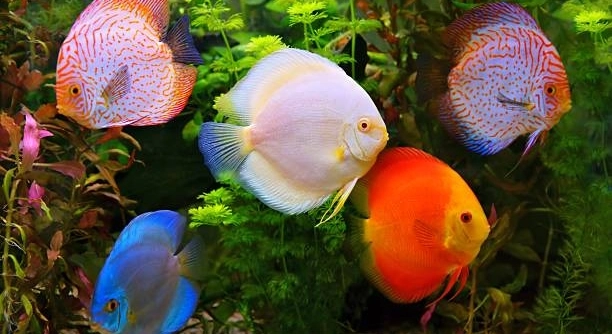
Juvenile discus fish are admired for their vibrant colors and graceful movements. Many hobbyists enjoy raising them, but slow growth can be a frustrating issue. Understanding the causes behind this can help improve their development and health.
Slow growth in juvenile discus commonly results from inadequate nutrition, poor water quality, inappropriate tank conditions, disease, stress, genetic factors, and improper feeding schedules. Each factor significantly impacts the fish’s ability to grow and thrive.
Knowing these causes is essential to ensure your discus reach their full potential and maintain good health throughout their growth stages.
Inadequate Nutrition
Feeding juvenile discus the right diet is essential for their proper growth. A diet lacking in essential nutrients, vitamins, or proteins can slow down their development. Young discus need a variety of high-quality foods, including pellets, flakes, and live or frozen foods such as bloodworms and brine shrimp. Poor nutrition affects their immune system, making them more susceptible to disease. It is also important to feed them small amounts multiple times a day rather than one large feeding. Overfeeding can lead to poor water quality, while underfeeding will stunt growth. Keeping a balanced feeding routine will support their health and vibrant coloration. Regularly changing their diet and ensuring freshness helps maintain interest and proper nutrition.
Proper feeding practices directly impact juvenile discus growth and health. Feeding too little or providing low-quality food can easily cause slow growth.
Feeding juvenile discus requires attention to food variety and frequency. Avoid overfeeding to maintain water quality, which also influences growth. Providing fresh, nutrient-rich food multiple times daily promotes steady development and prevents nutritional deficiencies. Monitoring how much and how often they eat helps keep discus healthy and growing at the right pace.
Poor Water Quality and Tank Conditions
Maintaining clean water with proper parameters is critical for juvenile discus. They need soft, slightly acidic water with stable temperature between 82-86°F (28-30°C). Poor water quality stresses the fish and reduces their ability to digest food and grow. High ammonia, nitrite, or nitrate levels can harm them and stunt growth. Regular water changes and proper filtration keep the environment safe and comfortable. Overcrowding or inadequate tank size can also cause stress and slow development. Juvenile discus require peaceful tank mates and plenty of space to swim freely. Providing hiding spots and plants helps reduce stress, which supports better growth. Consistency in water conditions is key for their overall well-being.
Juvenile discus grow best in stable, clean water conditions. Poor water quality and overcrowded tanks contribute to stress and stunted growth.
A well-maintained tank environment is essential for healthy discus growth. Ensuring optimal water parameters, regular cleaning, and proper filtration prevents toxins from building up. Avoid overcrowding and select compatible tank mates to reduce stress. Creating a stable habitat with consistent temperature, pH, and cleanliness allows juvenile discus to thrive and grow steadily.
Disease and Parasites
Diseases and parasites can severely impact juvenile discus growth. Infections weaken their immune system and reduce appetite, leading to slow development.
Common diseases include bacterial infections, fungal growth, and parasitic infestations like ich or gill flukes. Early detection and treatment are crucial. Quarantine new fish to prevent spreading illness. Maintaining good water quality and a balanced diet strengthens their resistance. Sometimes medication or specialized treatment is necessary to restore health.
Treating diseases promptly helps discus recover faster. Without intervention, infections can cause permanent damage or death. Regular observation for signs like lethargy, spots, or unusual behavior supports early action. Keeping the tank clean and avoiding stress lowers disease risk. Good care is the best defense against slow growth caused by illness.
Stress and Environmental Factors
Stress slows growth by weakening discus immune systems and reducing food intake. Common causes include sudden changes in temperature, poor water quality, aggressive tank mates, and overcrowding. Juvenile discus are sensitive and need stable, calm environments.
Stress can also result from frequent handling or moving between tanks. Providing hiding spaces, gentle lighting, and consistent routines helps reduce stress. Monitoring fish behavior can reveal stress signs early. Minimizing disruptions in their environment supports healthy development and faster growth. Stress management is a key part of discus care and growth success.
Genetic Factors
Genetics play a significant role in the growth rate of juvenile discus. Some fish naturally grow slower due to their inherited traits.
Breeding discus with strong genetics helps ensure healthier, faster-growing offspring. Poor genetics may lead to stunted growth or deformities, regardless of care quality.
Improper Feeding Schedule
Feeding juvenile discus irregularly or too infrequently can slow their growth. Consistency is important to meet their high energy needs.
Juvenile discus require multiple small feedings daily to maintain steady growth. Skipping feedings or feeding only once a day may cause nutritional gaps and affect development.
Overfeeding
Overfeeding leads to poor water quality and health problems that stunt growth. Excess food decays and raises harmful toxin levels in the tank.
Avoid feeding more than the discus can eat in a few minutes. Controlled feeding supports healthy digestion and maintains clean water, promoting better growth.
What causes slow growth in juvenile discus?
Slow growth in juvenile discus is caused by several key factors. Poor nutrition, bad water quality, stress, diseases, improper feeding schedules, genetic factors, and overcrowded or unsuitable tank conditions all play a role. Each factor can limit their ability to develop properly and maintain good health. Often, a combination of these issues is responsible rather than just one.
How can I improve the nutrition of my juvenile discus?
Improving nutrition means offering a varied, high-quality diet. Include pellets designed for discus, along with frozen or live foods like bloodworms, brine shrimp, and daphnia. Feed small amounts multiple times per day to avoid overfeeding or underfeeding. Fresh food helps maintain interest and supplies essential vitamins and proteins. Avoid feeding low-quality flakes or foods with fillers that lack nutrients.
Why is water quality so important for juvenile discus growth?
Juvenile discus are sensitive to water conditions. Poor water quality causes stress and weakens their immune system, leading to slower growth. Ammonia, nitrites, and nitrates must be kept at safe levels through regular water changes and proper filtration. Stable temperature and pH are also crucial. Clean, well-maintained water supports digestion and overall health.
How often should I feed my juvenile discus?
Feeding should be done multiple times daily, usually 3 to 4 small feedings. Young discus have high energy needs and small stomachs, so frequent feeding helps them absorb nutrients efficiently. Avoid large, infrequent meals that can cause waste buildup and poor water quality. Consistent feeding schedules reduce stress and promote steady growth.
Can stress really affect discus growth?
Yes, stress is a major factor slowing discus growth. Stress can come from poor water conditions, aggressive tank mates, overcrowding, or sudden changes in environment. Stressed fish eat less and are more vulnerable to disease. Providing hiding spaces, stable conditions, and compatible tank mates reduces stress and helps discus thrive.
Are genetics responsible for slow growth in discus?
Genetics influence growth rates and overall health. Some discus naturally grow slower or have deformities due to inherited traits. While good care can improve health, poor genetics may still limit growth potential. Choosing healthy, well-bred discus from reputable sources increases the chances of faster growth and fewer health problems.
What signs indicate disease in juvenile discus?
Common signs include lethargy, loss of appetite, faded colors, spots or white patches, rapid breathing, and abnormal swimming behavior. Diseases and parasites weaken discus and slow growth. Early detection through regular observation and prompt treatment is necessary to prevent long-term damage or death.
How do I prevent diseases in my discus tank?
Maintaining clean water, avoiding overcrowding, quarantining new fish, and providing a balanced diet are essential preventive measures. Regular tank maintenance and observing fish behavior help catch problems early. Stress reduction also strengthens the immune system, making fish less prone to illness.
What tank conditions best support juvenile discus growth?
Ideal tank conditions include soft, slightly acidic water with stable temperature around 82-86°F (28-30°C). The tank should be spacious with good filtration and gentle water flow. Avoid overcrowding and provide hiding places to reduce stress. Stable, clean water and calm surroundings promote healthy growth.
How do I avoid overfeeding my discus?
Feed only what the discus can consume in 2-3 minutes. Remove uneaten food quickly to prevent water pollution. Overfeeding causes excess waste, which degrades water quality and stresses fish. Controlled feeding supports good digestion and a clean tank environment, both necessary for proper growth.
Can tank mates affect juvenile discus growth?
Yes, aggressive or active tank mates can stress juvenile discus. Stress reduces appetite and slows growth. Choose peaceful, compatible species that won’t compete aggressively for food or territory. Providing adequate space and hiding places helps minimize negative interactions.
Is it normal for some juvenile discus to grow slower than others?
Some variation is normal due to genetics and individual health. However, if several fish are growing slowly, environmental or care issues are likely. Monitoring water quality, diet, and tank conditions can help identify problems. Consistent care improves growth rates for most juveniles.
What should I do if my juvenile discus is not growing at all?
Check water parameters immediately and improve water quality if needed. Review feeding routines and ensure a balanced diet. Observe for signs of disease or stress. Quarantine sick fish and treat if necessary. If conditions are ideal but growth remains slow, consider genetics as a factor.
How long does it usually take for juvenile discus to grow?
Discus grow rapidly during the first few months, then slow down as they mature. Under optimal conditions, noticeable growth occurs weekly in the early stages. Slow growth or stunted development often signals issues with care or environment that should be addressed promptly.
Does tank size affect juvenile discus growth?
Yes, small or overcrowded tanks increase stress and lower water quality, both of which slow growth. Juvenile discus need enough space to swim freely and establish territories. Providing adequate tank size reduces competition and supports healthy development.
Final thoughts on the slow growth of juvenile discus highlight the importance of careful attention to their needs. Ensuring proper nutrition is key. Juvenile discus require a balanced diet rich in protein and essential nutrients to support their rapid development. Feeding them small amounts multiple times a day helps maintain energy levels and avoids water pollution from uneaten food. Offering a variety of high-quality foods, including pellets, frozen, and live options, supports healthy growth and vibrant colors. Nutrition is one of the easiest factors to control but often overlooked, leading to poor growth.
Water quality and tank conditions play a major role in discus growth as well. Juvenile discus are sensitive to changes in their environment. Maintaining clean water with stable temperature, pH, and low toxin levels is essential. Regular water changes and proper filtration prevent the buildup of harmful substances that stress the fish and reduce their ability to grow. Overcrowding or aggressive tank mates increase stress, which also slows growth. Providing adequate space and a calm environment helps discus develop healthily. Consistency in water parameters and tank maintenance creates a stable habitat that juvenile discus need.
Stress, disease, and genetics also impact growth but can often be managed through proper care. Stress weakens the immune system and reduces appetite. Identifying and removing causes of stress improves growth rates. Disease can stunt growth and even cause death if untreated, so monitoring fish health and acting quickly when signs appear is important. Genetics determine some growth characteristics, but even discus with slower growth potential benefit from good care. Overall, slow growth in juvenile discus is usually avoidable. With proper nutrition, clean water, stress reduction, and attention to health, discus can grow steadily and reach their full potential. Taking the time to understand these factors improves both the fish’s wellbeing and the satisfaction of their keepers.

Hello,
If you enjoy the content that we create, please consider saying a "Thank You!" by leaving a tip.
Every little bit helps us continue crafting quality advice that supports the health, happiness, and well-being of pets around the world, for pets of all shapes, sizes, and species.
We really appreciate the kindness and support that you show us!