
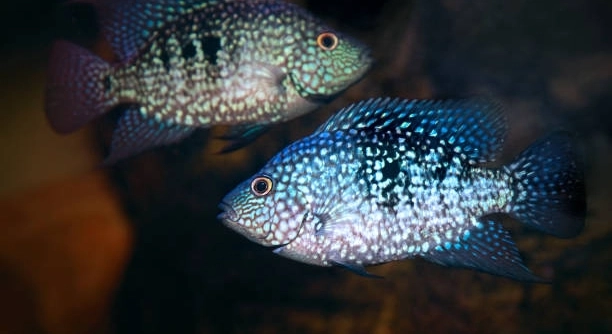
Is your Jack Dempsey fish spending long hours at the bottom of the tank, moving slowly or appearing uninterested in its surroundings? Many owners notice subtle behaviors that indicate their pet may be under-stimulated and lacking proper engagement.
Boredom in Jack Dempsey fish manifests through repetitive swimming patterns, lack of interaction with tank elements, decreased feeding enthusiasm, and minimal exploration. Recognizing these signs is essential for maintaining the fish’s mental and physical well-being in a captive environment.
Identifying these behaviors early can help improve your fish’s environment and encourage a healthier, more active lifestyle in its aquarium habitat.
Lack of Interaction with Tank Decorations
Jack Dempsey fish thrive in environments with plenty of stimulation. When a tank lacks hiding spots, plants, or decorations, they often swim in circles or hover in one area. Over time, this repetitive behavior can indicate boredom. I noticed my own fish would spend hours near the filter, seemingly watching the current, without showing curiosity elsewhere. Providing varied tank elements, like rocks, caves, or driftwood, encourages exploration. Changing the layout occasionally can also keep the environment engaging. A well-decorated tank offers mental stimulation and helps reduce stress, preventing unhealthy habits like fin-nipping or lethargy. Observing their movement patterns helps gauge interest in their surroundings. A fish that ignores decorations or avoids exploring may need more visual and physical variety. Small additions like floating plants or a new hiding cave can make a noticeable difference in their activity levels. Overall, an enriched tank supports both physical health and mental engagement.
Decorating the tank thoughtfully keeps your fish active and reduces repetitive, bored behaviors that may lead to stress.
Even minor changes to the environment can create a significant impact. Introducing new caves, rocks, or plants encourages natural behaviors like exploring, hiding, and interacting. Observing your fish’s reactions helps identify preferences, making the tank more enjoyable. Enrichment promotes movement, reduces aggression, and improves feeding responses. Avoid overcrowding, as it can increase stress and reduce engagement. Rotation of objects can maintain novelty, preventing your fish from becoming accustomed to a static setting. Regularly monitoring behavior ensures the environment meets both mental and physical needs, supporting overall well-being.
Changes in Appetite
A noticeable drop in feeding interest often signals that your Jack Dempsey is bored.
Bored fish may eat less or ignore their favorite foods. Appetite changes can also reflect environmental dissatisfaction or stress, making it crucial to observe feeding patterns consistently.
Tracking feeding habits helps pinpoint underlying issues. Gradually introducing live or varied foods can stimulate interest. Changes in appetite often coincide with inactivity or unusual swimming, reinforcing the link between engagement and overall health. By addressing boredom with environmental enrichment and dietary variation, your fish is more likely to maintain consistent feeding behavior, supporting growth and vitality. Consistency in feeding times paired with environmental stimulation helps create a predictable routine, which can reduce stress and encourage more active exploration. Observing small behavioral shifts ensures interventions are timely, preventing long-term negative effects on health. Over time, a combination of mental stimulation and proper nutrition encourages natural behaviors, improves energy levels, and reduces signs of disengagement. These steps collectively enhance the fish’s quality of life, making it more active, responsive, and visibly healthy in its aquarium.
Repetitive Swimming Patterns
Constantly swimming in circles or following the same path repeatedly is a strong sign of boredom in Jack Dempsey fish. This behavior often appears when there is nothing new or stimulating in the tank to explore.
I observed my own Jack Dempsey swimming along the same route for hours, ignoring hiding spots and decorations. This repetition usually indicates mental stagnation. Introducing new plants or rearranging the tank layout can interrupt this pattern and encourage natural exploration. Monitoring their swimming habits closely helps identify when intervention is needed to improve engagement and overall well-being.
Adding interactive elements like floating plants or small caves can redirect attention and break repetitive behavior. Over time, consistent enrichment not only reduces boredom but also promotes healthier activity levels. Changes in swimming patterns reflect their comfort and interest in the environment, providing a practical measure of engagement. Active fish are less prone to stress, show better feeding responses, and develop stronger physical conditioning, demonstrating how simple adjustments can significantly enhance mental stimulation and quality of life.
Increased Aggression
Jack Dempsey fish may become unusually aggressive when bored. They sometimes chase tank mates or display flaring and biting behaviors that are not typical for their usual personality.
In my experience, aggression often coincides with under-stimulated environments. A fish that lacks exploration or hiding options may redirect energy toward nearby fish or objects. Providing visual barriers, caves, and adequate space can reduce tension. Observing interactions with other tank inhabitants helps identify when boredom contributes to heightened aggression and prevents injury or stress-related illness.
Addressing aggression involves both environmental enrichment and careful monitoring. Increasing space, adding plants, or creating partitions reduces conflict while keeping your fish mentally engaged. Behavioral enrichment, like rearranging decorations or introducing new hiding spots, helps channel energy into exploration rather than hostility. Regularly observing interactions ensures timely adjustments, preventing prolonged stress. Combining spatial and visual variety encourages natural behaviors, lowers aggression, and promotes a calmer, more harmonious tank dynamic, allowing all inhabitants to thrive while minimizing risks associated with boredom-induced conflict.
Hiding Excessively
Some Jack Dempsey fish spend long periods hidden when they are bored. They may retreat to caves or behind decorations more than usual, avoiding interaction with the tank environment or other fish.
I noticed my own fish would hide for hours without coming out, even during feeding. This behavior signals that the tank lacks stimulation or variety. Offering more visual interest and rearranging the layout can encourage exploration and reduce excessive hiding, helping the fish stay active and engaged.
Lack of Color Vibrancy
Bored Jack Dempsey fish often show duller colors. Their normally vibrant scales may appear faded, indicating low stimulation and possible stress from an unstimulating environment.
Observing changes in color helps track mental and physical health. Environmental enrichment, including new plants, hiding spots, or rearranged tank decorations, can gradually restore vibrancy and improve overall well-being. Consistent monitoring ensures timely adjustments to maintain a healthy and visually active fish.
Reduced Interaction with Tank Mates
Bored fish may ignore other fish in the tank. They often avoid playing, chasing, or engaging, showing detachment from social dynamics.
Providing a stimulating environment encourages interaction and prevents long-term social disengagement, supporting both mental health and natural behaviors.
How can I tell if my Jack Dempsey fish is truly bored?
Boredom in Jack Dempsey fish shows through repeated behaviors like swimming in circles, hiding for long periods, ignoring decorations, and losing interest in feeding. I’ve noticed my own fish spending hours at the same spot without exploring. Changes in color vibrancy or sudden aggression toward tank mates also indicate under-stimulation. Monitoring daily behavior is key, and keeping a simple journal of activity, feeding, and interactions can help you spot patterns. Recognizing these early allows adjustments before the fish develops stress-related health issues.
What tank changes can reduce boredom?
Adding structures such as caves, rocks, or driftwood encourages natural exploration and provides hiding spots. Rearranging these objects every few weeks keeps the environment novel. Floating plants or artificial decorations can create visual barriers and interesting areas for swimming. In my experience, even small changes like moving a rock or adding a new plant can immediately increase activity. Providing areas with both open space and shelter balances exploration with security. For multi-fish tanks, adequate space is crucial to prevent aggression and ensure each fish has room to interact safely with their environment.
Does diet affect boredom?
Yes, feeding can influence mental stimulation. A varied diet including live foods, frozen treats, and pellets encourages natural foraging behaviors. I often sprinkle occasional live foods in different parts of the tank to motivate my Jack Dempsey to explore. Predictable feeding routines can become monotonous, so changing feeding locations or introducing new textures keeps meals interesting. This approach also improves activity levels, as fish move more and engage with their surroundings. Over time, a balanced diet paired with environmental enrichment reduces signs of boredom and supports both physical and mental health.
Can Jack Dempsey fish get along if they are bored?
Bored fish are more likely to display aggression toward tank mates. I’ve seen my Jack Dempsey chase other fish more when the tank lacked hiding spots or stimulating objects. Providing sufficient territory, plants, and visual barriers reduces stress and encourages peaceful coexistence. Rotating decorations or adding new hiding spots helps diffuse tension. Monitoring interactions daily ensures that conflicts don’t escalate, keeping the social dynamic stable. When each fish has room to explore and retreat, aggression decreases, and overall tank harmony improves. Environmental enrichment directly affects social behavior and reduces conflict caused by boredom.
How often should I change the tank environment?
Changing the tank layout every few weeks keeps the environment engaging. I typically move plants, rocks, and caves slightly every three to four weeks. Small adjustments maintain novelty without stressing the fish. Adding new decorations gradually allows your fish to explore at their own pace. Frequent minor changes are more effective than large, abrupt rearrangements, which can cause stress. Consistency in water parameters combined with environmental adjustments supports mental stimulation while preserving health. Regular observation helps determine if changes are necessary, ensuring the fish stays active and engaged over time.
Are there signs that boredom is affecting health?
Yes, prolonged boredom can lead to decreased appetite, dull colors, lethargy, and abnormal swimming patterns. I noticed my Jack Dempsey losing vibrancy and avoiding interaction during unstimulating periods. Stress from boredom can weaken the immune system, making fish more prone to illness. Increased aggression or repetitive behaviors are additional warning signs. Maintaining an enriched environment and monitoring behavioral shifts helps prevent long-term health issues. Observing subtle changes in daily activity, feeding, and social behavior allows early intervention, keeping your fish healthy, active, and mentally stimulated.
Can interaction with me help prevent boredom?
Yes, fish often respond to consistent human presence. I found that my Jack Dempsey becomes more active when I move around the tank or feed them in different areas. Interacting through feeding routines, introducing enrichment toys, or gently tapping near hiding spots encourages exploration. While not a replacement for a well-decorated environment, human interaction can supplement stimulation. Observing responses to movement or feeding can help tailor enrichment strategies. Combining environmental adjustments with periodic interaction creates a more engaging habitat, reducing signs of boredom and supporting natural behaviors in a controlled aquarium setting.
Is tank size important for preventing boredom?
Absolutely, space is critical. Smaller tanks limit exploration, increasing repetitive behaviors and stress. I noticed that moving my Jack Dempsey to a larger tank reduced aggression and increased swimming activity. Adequate size allows room for decorations, hiding spots, and swimming paths. Overcrowding can amplify boredom and lead to health problems or conflicts among tank mates. Balancing tank size with environmental complexity ensures both mental and physical stimulation. Observing how your fish uses the space helps determine if adjustments are needed. A well-sized tank is foundational to preventing boredom and promoting natural behavior.
Can multiple Jack Dempsey fish live together without boredom issues?
Yes, but only with careful planning. In my experience, two or more Jack Dempsey fish can coexist if the tank is spacious, with plenty of hiding spots and visual barriers. Overcrowding or lack of environmental complexity often triggers boredom-driven aggression. Rotating decorations and providing territorial boundaries reduce conflict. Regular observation is essential to ensure peaceful interactions. Ensuring that each fish has room to explore, retreat, and forage keeps them mentally engaged and less likely to display negative behaviors associated with boredom.
Final Thoughts
Jack Dempsey fish are intelligent and active creatures that require consistent mental and physical stimulation to thrive. Boredom can lead to a variety of behavioral and health issues, including repetitive swimming, hiding excessively, aggression toward tank mates, and dulling of their natural colors. In my own experience, observing these signs early allows for timely adjustments that make a significant difference. Environmental enrichment is the most effective way to prevent boredom. Providing caves, rocks, plants, and other decorations encourages natural exploration, while rearranging these elements periodically keeps the tank interesting. Even small changes, like introducing a new hiding spot or moving a rock, can immediately increase activity and curiosity. A well-structured environment not only reduces stress but also promotes healthier interactions with other fish in the tank. Boredom is not just a mental issue; it directly affects overall well-being, so addressing it is essential for maintaining a happy and healthy fish.
Diet also plays an important role in maintaining engagement. Offering a variety of foods, including pellets, frozen treats, and occasional live foods, can stimulate natural foraging behaviors and increase activity levels. Feeding routines that remain predictable for consistency can become monotonous if the fish loses interest, so changing feeding locations or introducing different textures can keep mealtime engaging. In my own tank, I have seen how subtle changes, like scattering food in new areas or occasionally adding live treats, encourage my Jack Dempsey to explore the tank more actively. A varied diet supports not only physical health but also mental stimulation, reinforcing the importance of combining nutrition with environmental enrichment. Over time, these strategies help maintain vibrant colors, reduce stress-related behaviors, and promote overall vitality.
Monitoring behavior closely is key to ensuring a balanced and stimulating environment. Observing swimming patterns, feeding habits, interaction with tank mates, and responses to decorations provides insight into how engaged the fish is. Interventions should be gradual and thoughtful to avoid causing unnecessary stress. Human interaction, when combined with environmental adjustments, can also contribute to engagement, as fish respond to movement and changes in their surroundings. Tank size and layout matter as well, offering the space necessary for exploration and territorial behavior. By consistently observing and responding to signs of boredom, it is possible to create a habitat that meets both mental and physical needs. Maintaining this balance ensures that Jack Dempsey fish remain active, healthy, and visually vibrant, highlighting the importance of attention, planning, and care in aquarium management.

Hello,
If you enjoy the content that we create, please consider saying a "Thank You!" by leaving a tip.
Every little bit helps us continue crafting quality advice that supports the health, happiness, and well-being of pets around the world, for pets of all shapes, sizes, and species.
We really appreciate the kindness and support that you show us!