
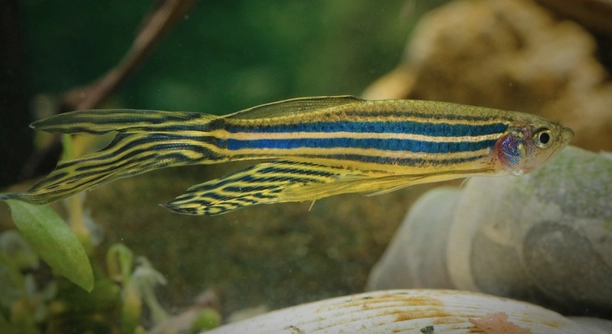
Have you ever noticed your zebra danios rushing to the top of the tank for no clear reason? It can seem confusing at first.
Zebra danios may suddenly swim to the surface due to low oxygen levels, water quality issues, or stress from sudden environmental changes. These behaviors are often signs that something in the tank environment needs adjusting.
Recognizing what causes this behavior can help keep your zebra danios healthy and relaxed in their tank environment.
Why They Swim to the Surface So Suddenly
Zebra danios might swim to the top when oxygen levels are low in the water. This usually happens when the tank is overcrowded, poorly filtered, or lacks enough surface movement. Surface water has more oxygen, so they rush there to breathe more easily. In addition, if the water quality declines—due to excess waste, uneaten food, or infrequent water changes—they may feel stressed and respond with erratic swimming. Even changes in temperature or sudden lighting shifts can trigger this behavior. These small fish are sensitive to their surroundings, so they react quickly to any imbalance. Observing your danios regularly can help you catch early signs of discomfort. If your fish are constantly swimming at the surface or gasping, it’s time to check the tank’s oxygen levels and overall setup. Keeping the tank clean and well-aerated prevents these problems from becoming serious.
Avoiding overcrowding and ensuring good surface agitation will usually stop this surface-rushing behavior.
Zebra danios are active swimmers, but unusual changes in movement often reflect a shift in tank conditions. Addressing these issues early supports long-term health.
Stress and Water Conditions
Stress is another common reason they may act differently, including rushing upwards suddenly.
When the water temperature fluctuates too quickly or falls outside their comfort range, zebra danios often become stressed. They prefer stable temperatures between 64°F and 77°F. Sudden drops can make them uncomfortable, especially when paired with bright lights or loud noises near the tank. High levels of ammonia or nitrite also affect their behavior and make them seek safer spots, often near the top. Test strips can help identify these problems before they worsen. Changes in routine—like rearranging plants or changing water too frequently—can also disrupt their sense of safety. It’s helpful to maintain a consistent routine and avoid large changes all at once. Use a reliable heater, test the water weekly, and stick to small, regular water changes. When stress is reduced, danios usually settle back into their usual swimming habits without needing to rush to the top.
Oxygen Levels and Tank Setup
Poor water circulation can lower oxygen levels and make your zebra danios rush to the surface. A lack of surface movement limits oxygen exchange, especially in tanks without an air stone, sponge filter, or powerhead.
To improve oxygen levels, increase surface agitation using an air pump or a filter that causes ripples. Live plants also help, but they need light and proper care. Avoid overstocking the tank, as too many fish consume more oxygen and add more waste. If you notice labored breathing or gasping, act quickly. Test water parameters and adjust the setup to restore balance. Consider adding floating plants for shade and stability, which can ease stress without blocking airflow. Proper circulation, fewer fish, and regular maintenance create a stable, oxygen-rich space that reduces the need for zebra danios to swim frantically to the surface.
Keeping the tank well-aerated is one of the most effective ways to prevent this issue from returning.
A clean, well-balanced tank setup supports both oxygen levels and overall health. If conditions are right, your zebra danios should swim naturally across all levels without rushing to the top or gasping for air. Small changes can make a big difference in their behavior.
Temperature Changes and Light Exposure
Rapid temperature shifts can cause zebra danios to act unpredictably. If the water becomes too warm or cold too fast, they may dart to the surface looking for comfort or escape. Use a reliable heater to keep temperatures stable.
Bright or sudden lighting can also stress them out. Turning lights on or off too quickly startles them and may cause panic swimming. Use a timer or dim the room before adjusting tank lighting to help them stay calm and avoid unnecessary stress from light exposure.
Reaction to New Additions
Adding new fish, decorations, or even plants can unsettle zebra danios. They are alert and sensitive to changes, so introducing anything unfamiliar may cause them to swim erratically or rush to the surface. New fish can change the social structure or introduce unfamiliar scents that trigger stress behaviors. Make changes gradually, and try to keep a calm environment during adjustments. Allow new items to soak or sit in the tank water beforehand to reduce any sharp chemical smells. Consistency is key. If your danios feel secure and the tank environment stays familiar, they’re less likely to react suddenly or swim erratically.
Final Note on Observing Behavior
Watching for changes in swimming patterns can help catch small problems before they grow. Subtle shifts often point to something worth checking.
FAQ
Why are my zebra danios swimming to the surface?
Zebra danios swim to the surface mainly when there is insufficient oxygen in the water. They instinctively move towards areas with more oxygen, especially in tanks with poor filtration or high fish density. Low water quality, high ammonia, or nitrite levels can also trigger this behavior. Checking oxygen levels and maintaining a consistent tank environment will help prevent this issue.
How can I improve the oxygen levels in my tank?
To improve oxygen levels, increase surface agitation. Using an air pump, sponge filter, or powerhead creates ripples at the water’s surface, allowing for better gas exchange. Adding live plants can help too, as they release oxygen during the day. Regular water changes and avoiding overcrowding will keep oxygen levels higher and the environment balanced.
How does water quality affect zebra danios?
Poor water quality, caused by excess waste, uneaten food, or infrequent water changes, leads to stress in zebra danios. Elevated ammonia or nitrite levels can irritate their gills, causing them to swim to the surface. Regularly test water parameters to maintain healthy conditions and avoid sudden changes in water chemistry.
What is the ideal water temperature for zebra danios?
Zebra danios thrive in temperatures between 64°F and 77°F (18°C to 25°C). Fluctuating or extreme temperatures cause stress and can lead to erratic behavior like swimming to the surface. Use a reliable heater to maintain a stable temperature within this range to ensure their comfort and health.
Can zebra danios be affected by light changes?
Yes, zebra danios are sensitive to sudden lighting changes. Bright lights or turning lights on and off abruptly can startle them, causing them to swim erratically. To reduce stress, consider using a timer to regulate light exposure and dim the room before adjusting tank lighting. This helps them feel more secure.
Why do zebra danios react to changes in their environment?
Zebra danios are highly sensitive to changes in their environment, such as the introduction of new fish, decorations, or even new water conditions. These changes can stress them, causing erratic swimming patterns, including rushing to the surface. Gradual changes and ensuring stability in the tank setup can help them adjust without panic.
Should I worry if my zebra danios only swim at the surface?
It’s important to observe their behavior and consider the water conditions. If they are swimming only at the surface and gasping for air, it could indicate low oxygen levels or water quality issues. Check your tank’s oxygen levels, test the water for ammonia and nitrites, and adjust filtration if needed.
How often should I change the water in my zebra danio tank?
Regular water changes are essential for maintaining water quality. It’s best to change 20-30% of the tank water every one to two weeks, depending on the tank size and fish population. This prevents the buildup of waste, keeps the water clean, and helps avoid potential health issues for your zebra danios.
Can zebra danios live with other fish?
Zebra danios are peaceful and social fish that can live with other species, provided they are not aggressive. Avoid keeping them with larger, more aggressive fish, as zebra danios are small and might get stressed. A community tank with peaceful, similarly-sized fish will provide the best environment for zebra danios.
What kind of tank setup is best for zebra danios?
Zebra danios do well in a tank with plenty of swimming space, live plants, and adequate filtration. They enjoy a well-maintained environment with a stable temperature and clean water. Ensure there is enough surface agitation to improve oxygen levels and keep the water circulating properly to prevent stagnation.
How do zebra danios behave during breeding?
During breeding, male zebra danios become more active, often chasing the females. The males may swim rapidly back and forth in an attempt to entice the females to lay eggs. It’s a fast and active process, and once the eggs are laid, they typically hatch in 2-3 days. It’s helpful to provide plenty of plants for the eggs to hide among, as adult zebra danios might eat them.
Are zebra danios hardy fish?
Yes, zebra danios are considered hardy fish. They can tolerate a range of water conditions, though they still need proper care and maintenance to thrive. Their adaptability makes them a great choice for beginners, but this doesn’t mean they can thrive in poor conditions. Regular monitoring and proper tank management are essential for their health.
Can zebra danios survive in a small tank?
Zebra danios can survive in smaller tanks, but they do better in larger spaces with enough room to swim. A minimum of a 10-gallon tank is recommended for a small group of zebra danios. Smaller tanks can quickly accumulate waste and suffer from unstable water conditions, which can stress the fish. More space helps maintain water quality and allows them to exhibit natural swimming behaviors.
Why do zebra danios swim in schools?
Zebra danios are schooling fish, meaning they feel safer and more comfortable when in groups. Swimming together helps them feel protected from potential threats. Keeping at least 5-6 zebra danios together will promote natural behavior and reduce stress. A larger school can also help reduce the likelihood of one fish becoming isolated or stressed.
What do zebra danios eat?
Zebra danios are omnivores and will eat a variety of foods, including high-quality flakes, pellets, and frozen or live food like brine shrimp and daphnia. They also enjoy algae and plant matter. Offering a balanced diet with a mix of protein and vegetables supports their health and vibrant coloration.
Final Thoughts
Zebra danios are active, playful fish that can sometimes exhibit unusual behavior, like rushing to the surface for no clear reason. Understanding the causes behind this behavior, such as low oxygen levels, poor water quality, temperature fluctuations, or sudden environmental changes, is key to maintaining a healthy tank. By observing their behavior and ensuring the right tank conditions, you can prevent these issues and help your zebra danios thrive.
Proper tank maintenance is crucial to keeping zebra danios in good health. This includes ensuring stable water temperature, good filtration, and sufficient oxygen levels. Adding plants, using air stones, or a sponge filter can significantly improve water oxygenation, allowing zebra danios to swim comfortably at all levels of the tank. Regular water changes and testing water quality are essential for keeping the environment clean and safe, as zebra danios are particularly sensitive to changes in their surroundings.
Finally, it’s important to create a peaceful environment for zebra danios by avoiding overcrowding and introducing changes gradually. Their social nature thrives in groups, so keeping several zebra danios together helps reduce stress and promotes natural behavior. When kept in the right conditions, zebra danios are hardy, easy-to-care-for fish that provide joy and activity in any aquarium. By paying attention to their needs and providing a stable, healthy environment, you can enjoy watching your zebra danios swim happily without worry.

Hello,
If you enjoy the content that we create, please consider saying a "Thank You!" by leaving a tip.
Every little bit helps us continue crafting quality advice that supports the health, happiness, and well-being of pets around the world, for pets of all shapes, sizes, and species.
We really appreciate the kindness and support that you show us!