
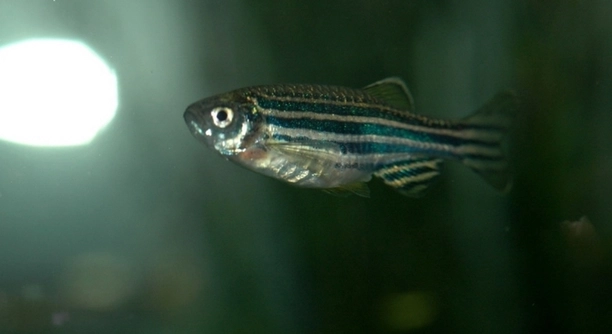
Zebra Danios are fascinating fish with unique ways of communicating. These small, active creatures use visual signals to express emotions and share information with each other. Understanding their communication can deepen your appreciation for these colorful swimmers.
Zebra Danios rely on several visual cues to communicate, including body coloration, fin movements, and eye movements. These visual signals help establish territory, attract mates, and warn of potential danger. Their use of visual cues is essential for social interactions.
Exploring these visual clues offers valuable insights into their social structure and behavior. Understanding how Zebra Danios communicate can enhance the way you care for them.
Body Coloration and Its Role in Communication
Zebra Danios use their body coloration as a primary means of communication. When they are stressed or excited, their stripes can appear darker, signaling heightened activity or alarm. In contrast, calm and relaxed Danios display a lighter, more even color pattern. This color change serves as a clear signal to other fish in the same environment, warning them of potential threats or indicating peaceful interactions. The intensity and pattern of these color shifts can also help Zebra Danios identify each other, contributing to social organization within their groups.
The color shifts are subtle but effective. For instance, a change in coloration can help Zebra Danios maintain their space and avoid unnecessary conflicts.
Understanding how their body coloration works helps create a better environment for these fish. Providing a stress-free space allows you to observe these color cues more clearly, making it easier to see how they interact with each other.
Fin Movements and Their Significance
Fin movements are another key way Zebra Danios communicate with each other. By adjusting the position of their fins, they can express a range of emotions. These movements are especially noticeable during courtship or territorial disputes. During these times, male Danios often flare their fins to attract mates or to challenge other males. A quick, sharp fin movement can also signal a warning to intruders, showing that the fish is ready to defend itself.
In addition to aggression and mating behavior, fin movements are a sign of communication in more subtle ways. For example, they may wave their fins gently to maintain social bonds with other members of their group. This use of fin movements is essential in establishing social hierarchy within their schools.
Understanding these behaviors can help maintain the well-being of your Zebra Danios. Creating an environment where they feel safe enough to display these signals can improve their social structure.
Eye Movements and Social Interaction
Zebra Danios often use their eyes to communicate with each other. Rapid eye movements or darting can indicate alertness or the presence of danger. In contrast, slower, more deliberate eye movements suggest a relaxed and calm state. These eye signals help them assess their environment and interact with their schoolmates.
The way Zebra Danios move their eyes also plays a role in establishing dominance. A more intense, focused stare can signal aggression or territorial claims, while averting their gaze might indicate submission or a peaceful attitude. These eye signals are crucial for maintaining social structure in their environment.
Keeping an eye on these eye movements can give you better insight into your Zebra Danios’ mood and social interactions. A tank that allows them to express these signals without stress will help them thrive.
Tail Movements and Their Impact on Communication
Tail movements are an important visual cue used by Zebra Danios to communicate. These movements are typically used to express excitement or agitation. When they wag or flick their tails rapidly, it usually indicates a heightened state of activity or interest. This can be especially evident when they are chasing each other or interacting with potential mates.
Tail movements also serve to maintain balance during fast swimming or sudden directional changes. The speed and intensity of tail flicks can tell other fish in the school whether they are relaxed or preparing for action. In some cases, tail movements may also help Zebra Danios signal their location to others in their school, ensuring they stay connected.
Understanding tail movement patterns can enhance how you observe Zebra Danios in your aquarium. Watching for these cues can help you identify their mood and social needs, improving their overall care and well-being.
Dorsal Fin Position and Its Role in Behavior
The position of a Zebra Danio’s dorsal fin can indicate its emotional state. A raised dorsal fin often signals alertness or aggression, while a lowered fin suggests calmness or submission. This simple adjustment in fin position plays a key role in non-verbal communication between Danios.
By observing the dorsal fin’s position, you can get a quick read on the fish’s mood. When interacting with each other, raised fins may indicate the need for space or dominance, while lowered fins signal a peaceful or non-threatening presence. These subtle cues help Zebra Danios navigate social dynamics.
Swim Speed as a Communication Tool
The speed at which Zebra Danios swim can reveal a lot about their emotional state. Faster swimming usually happens during moments of excitement or territorial defense, while slower, more deliberate movements indicate relaxation. Their swimming pace can also be a sign of their comfort level in a given environment.
Zebra Danios often adjust their swimming speed in response to changes in their surroundings. For instance, when they feel safe, they swim at a steady pace, but if they sense danger, they may quickly dart away. This behavioral shift helps them communicate potential threats to their school.
Mouth Gestures and Signaling
Zebra Danios occasionally use mouth movements to communicate, especially when interacting with other fish in their environment. These gestures are often subtle but can indicate aggression, curiosity, or readiness to mate. Opening or closing their mouths during these interactions can signify different social cues.
Mouth movements are particularly noticeable during moments of conflict or courtship. When threatened, Zebra Danios may flare their mouths slightly as a sign of defense. In contrast, when they are calm, their mouths remain more relaxed. Watching for these signals can help you understand their behavior better.
FAQ
What are the main ways Zebra Danios communicate?
Zebra Danios communicate through visual signals like body coloration, fin movements, and eye gestures. Their body colors can change depending on their emotional state, such as darkening when stressed. Fin movements, like flaring or fin wagging, are used to express aggression, dominance, or attraction. Eye movements also play a role in signaling their alertness or intentions. These cues help them navigate their social structure, communicate with schoolmates, and establish boundaries within their territory.
How can I tell if my Zebra Danios are stressed?
Stressed Zebra Danios often exhibit darker stripes or a sudden change in body coloration. They may become more erratic in their swimming or exhibit signs of aggression towards other fish. These stress signs can be triggered by poor water conditions, overcrowding, or the presence of other aggressive fish. If the tank environment doesn’t meet their needs, you may also notice less frequent social interactions, as they prefer to stay isolated when stressed.
Do Zebra Danios use their fins to show aggression?
Yes, Zebra Danios use their fins, especially the dorsal fin, to express aggression. A raised dorsal fin indicates that the fish feels threatened or is trying to establish dominance. This is often seen when males compete for territory or mates. If they feel challenged, their fins may stay raised to assert their space and deter other fish from approaching. However, once the threat passes, the dorsal fin will likely relax back to its normal position.
What does it mean when Zebra Danios are swimming quickly?
When Zebra Danios swim quickly, it typically means they are either excited or feeling threatened. Quick bursts of speed are common during territorial displays, courtship, or when they are startled by a perceived danger. It’s a natural response that allows them to either defend themselves or escape from a possible threat. If you see them swimming rapidly for no apparent reason, it might be worth checking if there are any stressors in the tank, like overcrowding or poor water quality.
Why are my Zebra Danios always at the surface of the tank?
Zebra Danios may spend a lot of time near the surface if they are looking for food, seeking oxygen, or dealing with water quality issues. If they are frequently near the surface, it could be a sign of low oxygen levels in the water, which may require more aeration or water changes. They may also stay at the surface if they are not feeling comfortable or secure in the middle of the tank. Ensure the tank conditions, such as water flow, temperature, and oxygen levels, are optimal to reduce this behavior.
Can Zebra Danios recognize each other by sight?
Yes, Zebra Danios can recognize each other by sight, especially through their unique body markings and coloration. They can distinguish between members of their group and potential threats, making visual identification an important part of their social interactions. This recognition helps them maintain the school structure, avoid conflicts, and bond with other members of their group. Changes in body color or fin movements also help them communicate with one another, strengthening their social ties.
How do Zebra Danios communicate during courtship?
During courtship, male Zebra Danios often perform specific behaviors like fin flaring and rapid swimming in front of a female to attract her attention. They may also change their body color, becoming brighter to signal their readiness to mate. Courtship behavior is typically accompanied by synchronized movements and a gentle display of aggression to outcompete other males. Once the female is interested, she will respond by allowing the male to follow her and lay eggs, after which he fertilizes them.
Are Zebra Danios territorial?
Zebra Danios are generally not highly territorial fish, but they can exhibit territorial behaviors during specific situations, especially during mating or when there’s a perceived threat. Male Danios may show aggression toward each other when competing for the attention of a female or when protecting a particular area in the tank. However, they are schooling fish and thrive in groups, so they usually avoid direct conflicts unless necessary. Providing a spacious tank with plenty of hiding spots helps reduce territorial disputes.
Why do my Zebra Danios flash their fins?
Flashing fins, often seen in Zebra Danios, usually serve as a form of communication, especially when the fish are trying to assert dominance or show excitement. In males, this behavior may occur during mating displays or when competing for territory. The quick flashing of fins is a way of signaling their presence and readiness to compete or mate. In some cases, this can also be a stress response if the fish are trying to establish boundaries with other tank mates.
Do Zebra Danios use body coloration to show social hierarchy?
Yes, body coloration can reflect a Zebra Danio’s social status within the school. Dominant or more confident fish tend to have brighter, more vibrant colors. In contrast, submissive or stressed fish may have duller hues. These changes in coloration help communicate social status within the group. Fish that display darker or more intense colors are often those asserting dominance or protecting their territory, while lighter-colored fish may be more passive and avoid confrontation.
Final Thoughts
Zebra Danios are fascinating fish with a variety of communication methods that help them navigate their social structure. Their behavior, including changes in body coloration, fin movements, and swimming patterns, serves as a clear signal to other members of their species. Understanding these visual cues can provide insight into their emotional state and interactions, whether they are displaying aggression, seeking mates, or establishing social dominance within the tank. Their ability to communicate non-verbally is crucial for their survival and their ability to thrive in a community setting.
While Zebra Danios are relatively easy to care for, keeping an eye on their behavior can help ensure they stay healthy and stress-free. Stress can lead to changes in their appearance and actions, such as darker stripes or erratic swimming. These behaviors are often signs that something in their environment, such as water quality or tank mates, may need adjusting. Keeping their tank clean, maintaining a stable temperature, and avoiding overcrowding are essential steps to reduce stress and maintain a peaceful environment for your Zebra Danios. Their natural instincts to communicate through movement and color make them more responsive to changes in their surroundings.
Overall, Zebra Danios are active and engaging fish that display a range of behaviors that make them enjoyable to observe. Their communication through visual cues, like changes in fin position or swimming speed, provides a deeper understanding of their social needs. By paying attention to these signs, you can create an environment that supports their well-being and ensures they thrive. These small but expressive fish offer a unique glimpse into the intricate ways fish interact with one another, making them an ideal species for both beginners and experienced aquarium enthusiasts.

Hello,
If you enjoy the content that we create, please consider saying a "Thank You!" by leaving a tip.
Every little bit helps us continue crafting quality advice that supports the health, happiness, and well-being of pets around the world, for pets of all shapes, sizes, and species.
We really appreciate the kindness and support that you show us!