
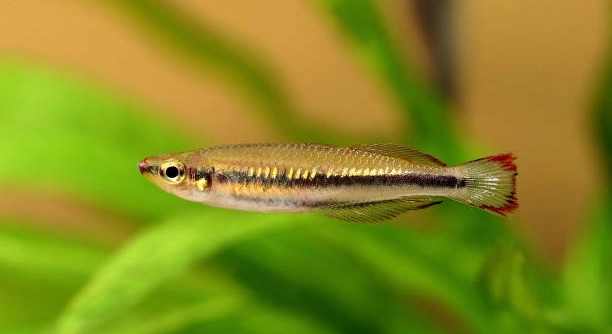
Are your rainbowfish suddenly breathing faster than usual, leaving you worried about their well-being? Rapid gill movement can be a subtle yet important sign that something in their environment may be affecting them.
The most common reasons your rainbowfish are breathing faster include low oxygen levels, poor water quality, sudden temperature changes, or illness. Addressing these issues promptly can prevent stress and ensure your fish maintain optimal health in their tank.
Monitoring their behavior and tank conditions closely is essential. Small adjustments can make a significant difference in keeping your rainbowfish comfortable and healthy.
Common Environmental Causes of Rapid Breathing
Poor water conditions are often the main reason rainbowfish breathe faster. Low oxygen levels, high ammonia, or nitrite can make them struggle to get enough air. Overcrowding also reduces oxygen and increases stress, which worsens breathing. Sudden temperature changes can shock your fish, forcing them to adapt quickly. Even minor shifts in pH or hardness can trigger faster gill movement. Regular testing of water quality helps prevent these problems and keeps your fish comfortable. Providing plants, proper filtration, and good circulation can maintain oxygen levels.
Maintaining clean water with the right temperature and pH is crucial for their well-being.
Checking water parameters daily and performing partial water changes regularly can stabilize the environment. Observing your rainbowfish in these conditions often shows immediate improvement, as they become calmer and their breathing returns to normal. Consistency in tank maintenance creates a stable habitat, reducing stress and helping rainbowfish thrive. A properly balanced aquarium ensures they remain active, colorful, and healthy.
Signs of Illness Affecting Breathing
Rapid gill movement can indicate infections or parasites in rainbowfish. These issues need attention early.
Illnesses like bacterial infections, gill flukes, or protozoan parasites can cause faster breathing and lethargy. Symptoms may include clamped fins, reduced appetite, or unusual swimming patterns. Quarantining affected fish prevents the spread of disease, while appropriate treatments restore health. Observation and timely action are key.
Diagnosing the exact illness requires careful attention to behavior and physical signs. Bacterial infections often cause cloudy gills or slight discoloration. Parasites might create small white spots or frayed fins. Treating the tank with safe medications or salt baths, depending on the condition, can relieve symptoms. Keeping the aquarium clean and avoiding sudden changes reduces stress that can worsen illnesses. Consulting a specialist or following detailed care guides ensures proper treatment. Consistent care and monitoring help rainbowfish recover faster and prevent future health problems.
Adjusting Tank Oxygen Levels
Adding aeration devices like air stones or increasing water movement can improve oxygen levels. Proper filtration and circulation help keep the water well-oxygenated, reducing stress and preventing rapid breathing in rainbowfish.
Monitoring oxygen levels regularly is important. Low oxygen can occur from overcrowding or excess waste. Ensuring the tank has enough surface area for gas exchange allows oxygen to enter naturally. Live plants can also contribute oxygen during the day, while avoiding overfeeding prevents organic buildup that consumes oxygen. Small adjustments, like rearranging decorations to improve water flow, can make a noticeable difference. Observing your rainbowfish after these changes often shows calmer breathing and more active swimming, reflecting a healthier environment.
Consistency in tank maintenance is key. Partial water changes, checking filtration, and maintaining temperature stability support stable oxygen levels. Over time, these practices reduce stress, improve overall health, and keep rainbowfish vibrant. Paying attention to both water quality and tank setup ensures your fish thrive in a balanced habitat.
Temperature and Stress Factors
Rapid breathing is often linked to sudden temperature changes or high stress. Keeping the tank stable prevents unnecessary strain on rainbowfish.
Temperature fluctuations, even a few degrees, can shock rainbowfish. Stress from frequent handling, aggressive tank mates, or overcrowding also increases breathing rates. Using a reliable heater and thermometer helps maintain consistent temperatures. Creating hiding spots and minimizing disturbances allows fish to feel secure. Stress management is just as important as water quality.
Rainbowfish are sensitive to changes, so maintaining stability is essential. Gradual acclimation to new tanks or water adjustments reduces stress. Avoiding sudden lighting changes or loud noises also helps. When fish feel safe and conditions remain consistent, breathing rates normalize. Careful observation and small environmental improvements create a calm, supportive habitat, allowing rainbowfish to swim freely and remain healthy.
Overfeeding and Waste Build-Up
Excess food can pollute the tank, increasing ammonia and reducing oxygen. This can make rainbowfish breathe faster and become stressed.
Feeding smaller amounts and removing uneaten food helps maintain water quality. Regular tank cleaning prevents waste accumulation and supports healthier breathing patterns.
Monitoring Water Parameters
Regularly testing pH, ammonia, nitrite, and nitrate levels is essential. Maintaining stable water chemistry prevents stress and breathing issues. Proper filtration and partial water changes support these parameters, creating a safe environment for rainbowfish to thrive.
Tank Size Considerations
Overcrowded tanks limit swimming space and oxygen availability. Ensuring adequate tank size reduces stress and supports normal breathing in rainbowfish.
Why is my rainbowfish breathing rapidly even though the water looks clean?
Even if the water appears clear, harmful compounds like ammonia, nitrites, or nitrates can still be present. These chemicals are invisible and stressful for fish, forcing them to breathe faster. Testing the water regularly with reliable kits ensures that these levels stay safe. Partial water changes and proper filtration are essential for keeping your rainbowfish comfortable, even in a seemingly clean tank.
Can temperature changes cause my rainbowfish to breathe faster?
Yes, rainbowfish are sensitive to temperature fluctuations. Even a few degrees up or down can stress them, increasing their breathing rate. Sudden exposure to cooler water can slow metabolism, while warmer water reduces dissolved oxygen. Using a stable heater and thermometer helps maintain a consistent temperature, reducing stress and preventing rapid gill movement. Gradual acclimation during tank maintenance or water changes is also important.
Does overfeeding affect my rainbowfish’s breathing?
Overfeeding produces leftover food that decomposes, increasing ammonia and lowering oxygen levels. This forces fish to breathe faster. Feeding small portions and removing uneaten food immediately prevents this problem. Overfeeding also contributes to obesity and other health issues, so portion control benefits both water quality and overall fish health. Regular monitoring ensures your rainbowfish remain active and healthy.
Could stress from tank mates make my rainbowfish breathe faster?
Aggressive or overly active tank mates can stress rainbowfish. Stress triggers faster breathing and can lead to health problems over time. Providing hiding spots and observing interactions between fish helps minimize tension. Separating aggressive species or keeping compatible groups ensures a calmer environment and supports normal breathing. Stress management is just as crucial as water quality.
Are low oxygen levels in the tank a common reason for rapid breathing?
Yes, low dissolved oxygen is one of the most frequent causes. Overcrowding, poor circulation, and high temperatures reduce oxygen availability. Adding aeration devices like air stones, maintaining proper filtration, and ensuring water flow improves oxygen levels. Live plants can also help during daylight hours by producing oxygen naturally. Monitoring oxygen is key to preventing long-term stress.
How can I tell if my rainbowfish has a disease causing fast breathing?
Look for other signs like clamped fins, unusual swimming patterns, discoloration, or white spots. Rapid breathing combined with these symptoms often indicates bacterial or parasitic infections. Quarantining the affected fish and treating them with appropriate medications can help. Observing behavior and physical appearance closely allows early intervention and increases recovery chances.
Will a larger tank help reduce rapid breathing?
A larger tank provides more swimming space and better oxygen distribution, which can reduce stress and breathing issues. Overcrowding limits movement and lowers water quality, contributing to faster gill movement. Ensuring enough space for each fish, combined with proper filtration and maintenance, supports healthier, calmer rainbowfish.
Can water hardness or pH affect breathing?
Yes, sudden changes in pH or hardness can stress rainbowfish, causing rapid gill movement. Stable parameters suited to their natural habitat are important. Testing regularly and adjusting gradually prevents shocks. Combining proper pH, hardness, and temperature creates an environment where rainbowfish can thrive without unnecessary stress.
Is it normal for rainbowfish to breathe faster occasionally?
Short bursts of faster breathing can occur due to activity, feeding, or minor environmental changes. However, persistent rapid breathing usually indicates stress, illness, or poor water conditions. Monitoring behavior over time helps distinguish normal activity from a problem requiring attention. Consistent observation ensures timely corrective actions.
How often should I check water quality to prevent rapid breathing?
Testing water at least once a week is recommended, with more frequent checks if issues arise. Parameters to monitor include ammonia, nitrite, nitrate, pH, and temperature. Consistent testing allows early detection of problems, ensuring your rainbowfish remain healthy and breathing comfortably. Proper maintenance and observation go hand in hand.
This FAQ section covers the main reasons rainbowfish may breathe faster and practical steps to address them, focusing on water quality, stress, temperature, tank setup, and health monitoring. Regular attention to these factors ensures calmer, healthier fish and reduces the risk of long-term problems.
Rapid breathing in rainbowfish can feel alarming, but understanding the reasons behind it helps manage the issue effectively. Most often, fast gill movement is a response to environmental stressors, such as low oxygen, poor water quality, or sudden changes in temperature. Observing your fish closely allows you to notice even small changes in behavior. Maintaining a clean tank, using a reliable filter, and ensuring proper water circulation are practical steps that immediately improve your fish’s comfort. Regular monitoring of water parameters, such as pH, ammonia, nitrites, and nitrates, is essential. Even if the water appears clear, harmful compounds can accumulate unnoticed. Paying attention to these details reduces stress on your rainbowfish and helps prevent faster breathing from becoming a chronic problem.
Proper tank setup and maintenance go hand in hand with monitoring. Overcrowding can reduce oxygen levels and create stress, so keeping a suitable number of fish in the tank is crucial. Temperature stability also plays a significant role. Rainbowfish are sensitive to sudden fluctuations, which can make them breathe faster and behave nervously. Using a heater with a thermometer, checking water temperature regularly, and avoiding rapid adjustments all help create a stable environment. Overfeeding is another factor to consider. Excess food increases waste and lowers water quality, which indirectly affects breathing. Feeding small portions and removing uneaten food keeps the tank cleaner and more comfortable. Stress from tank mates should not be overlooked. Aggressive or overly active species can intimidate rainbowfish, so arranging hiding spots and keeping compatible groups promotes a calmer atmosphere.
Finally, health monitoring is essential for preventing prolonged breathing issues. Illnesses like bacterial infections or parasites often show additional signs, such as clamped fins, discoloration, or unusual swimming patterns. Early detection and appropriate treatment make recovery easier and reduce the risk of spreading disease. Quarantining new or sick fish and maintaining a consistent care routine ensures your rainbowfish remain healthy over the long term. Paying attention to oxygen levels, water quality, temperature, tank size, and overall stress factors creates a supportive environment where rainbowfish can thrive. These practices not only improve breathing but also support their activity, coloration, and general well-being. Consistency in care is the most reliable way to keep rainbowfish comfortable and healthy in their tank.

Hello,
If you enjoy the content that we create, please consider saying a "Thank You!" by leaving a tip.
Every little bit helps us continue crafting quality advice that supports the health, happiness, and well-being of pets around the world, for pets of all shapes, sizes, and species.
We really appreciate the kindness and support that you show us!