
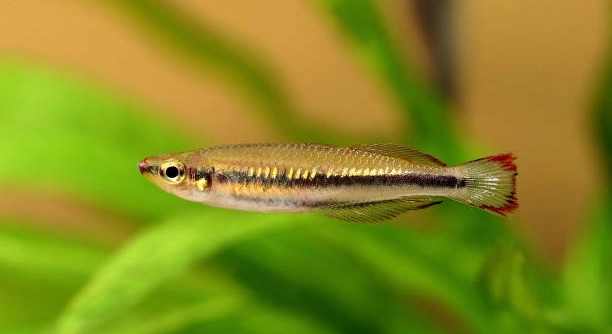
Rainbowfish are small, vibrant fish that bring life to any aquarium. Observing them swim gracefully and interact with their surroundings can be both relaxing and fascinating for any fishkeeper. Their behavior often sparks curiosity about their intelligence and habits.
Rainbowfish are capable of learning simple tank routines through repetition and environmental cues. They can associate feeding times with human presence and recognize patterns in their daily environment, demonstrating a basic form of memory and behavioral adaptation.
Learning how these fish respond to routines can improve tank management and strengthen the bond between owner and fish. Understanding their behavior leads to a more harmonious aquatic environment.
How Rainbowfish Recognize Their Tank
Rainbowfish are sensitive to their surroundings and can quickly notice changes in their tank. Over time, they learn where decorations, plants, and hiding spots are located. They use visual cues and spatial memory to navigate efficiently. Feeding times are especially significant, as these moments are consistent and repeated daily. When the same person approaches or when food is added at regular intervals, rainbowfish begin to respond predictably. They may gather near the feeding area or swim closer to the front of the tank. Lighting patterns and water movement also play a role. Rainbowfish adjust their behavior based on these environmental signals, showing they can learn patterns rather than acting randomly. Regular routines help them feel secure, reducing stress and encouraging healthy activity. Observing these small behaviors gives insight into how adaptable these fish are and how they perceive their environment. Recognizing these patterns allows tank owners to interact with them more effectively.
This pattern recognition demonstrates that rainbowfish are capable of learning from their environment. They react to cues reliably.
Tracking these responses can help improve feeding strategies, tank layout, and daily interactions. By noting their behavior during different times of day, you can identify their preferences. For example, rainbowfish may favor certain spots for resting or exploring, which can inform decoration placement and hiding areas. Adjusting feeding times slightly or introducing new objects gradually can test their adaptability while minimizing stress. Understanding their learning process also aids in detecting early signs of health issues; changes in routine response may indicate illness or discomfort. By paying attention to these details, the aquarium becomes more than just a display—it becomes a responsive ecosystem. Regular observation not only strengthens your connection to the fish but also ensures they remain active and engaged. Creating predictable yet enriching routines benefits both the fish’s well-being and the overall enjoyment of maintaining the tank.
Feeding and Routine
Rainbowfish respond best to consistent feeding times and locations. Sudden changes can make them hesitant or disoriented.
Feeding routines reinforce learning and pattern recognition. Offering food at the same time each day and using similar methods, such as dropping flakes or pellets in a specific spot, helps fish associate actions with rewards. Over weeks, rainbowfish anticipate feeding, showing signs of excitement like swimming to the feeding area. They may even distinguish between family members who feed them regularly. This predictability reduces stress and encourages natural behavior.
To maintain a balanced routine, vary food types while keeping timing consistent. Incorporate live or frozen options alongside flakes to provide nutrition and stimulate natural foraging behaviors. Observe how rainbowfish react to minor changes in feeding techniques, like different drop locations or using tongs, as it helps gauge their adaptability. Over time, they learn not only feeding patterns but also the general flow of daily tank life, from lighting changes to interactions with other fish. Structured routines foster a stable environment, making the aquarium both engaging and manageable. By respecting their learning ability, you support healthier, more confident rainbowfish that thrive in a predictable yet enriched habitat.
Signs Your Rainbowfish Have Learned a Routine
Rainbowfish often swim to the front of the tank before feeding. They may gather near familiar areas and respond quickly when they see you approaching. Subtle changes in swimming patterns indicate they are aware of daily schedules and feeding cues.
Recognizing these behaviors requires careful observation. Fish that anticipate feeding may swim in a more focused, directed manner rather than exploring randomly. They may pause near feeding spots or follow certain paths they have learned. Even small cues, like shadows or movements, can trigger their response. This shows they are not only aware of food but also the timing and location of feeding. Over time, these responses become consistent, reflecting their ability to learn simple routines. Tracking these signs helps you understand their behavior and ensures they are comfortable and well-adjusted in the tank.
Other subtle behaviors include circling specific plants or decorations before feeding. They may linger near hiding spots and gradually move closer to food sources. Recognizing these signs confirms their awareness and pattern recognition. Maintaining consistency reinforces these learned behaviors, helping rainbowfish feel secure and engaged.
Benefits of a Structured Routine
Consistent routines reduce stress and promote healthy behavior. Rainbowfish thrive when they can anticipate feeding, lighting changes, and interactions with their environment.
A structured schedule helps rainbowfish establish predictable patterns. They adapt to repeated environmental cues, which enhances their sense of safety. Predictability encourages more active swimming, natural exploration, and engagement with other tank mates. It also helps in monitoring their health, as sudden deviations from learned routines may indicate illness or discomfort. Maintaining consistent feeding times, regular cleaning, and stable lighting cycles provides a supportive environment. Over time, rainbowfish demonstrate increased confidence and responsiveness, showing that structured routines directly impact their well-being and overall behavior.
Training Techniques That Work
Repetition is key when helping rainbowfish learn their routine. Feeding at the same time and place daily helps them recognize patterns quickly. Gentle consistency reinforces these behaviors and encourages predictable responses.
Using visual cues, like hand movements or shadows, can improve learning. Rainbowfish respond well to subtle, repeated signals associated with feeding or tank maintenance. Over time, these cues become part of their routine, making them more aware of their environment and daily schedule.
Positive Effects on Behavior
Rainbowfish with a learned routine display calmer swimming and reduced stress levels. They explore their tank confidently and interact more naturally with other fish.
Monitoring Progress
Keep notes on how fish respond to feeding and environmental cues. Documenting changes helps track learning and adjust routines.
FAQ
Can rainbowfish really recognize their owner?
Rainbowfish do not recognize people in the same way dogs or cats do, but they can associate specific individuals with feeding. Over time, they may swim closer when the person who regularly feeds them approaches the tank. This behavior shows that they remember routines and can connect human presence with positive experiences.
How long does it take for rainbowfish to learn a feeding routine?
Typically, rainbowfish start showing signs of routine recognition within a week or two if feeding occurs consistently at the same time and place. Full familiarity with the schedule may take several weeks, depending on the number of fish and tank environment. Repetition and consistency are essential for them to anticipate feeding and display predictable behaviors.
Do all rainbowfish learn routines at the same pace?
No, individual fish may learn at different speeds. Factors like age, temperament, and prior experiences influence how quickly they adapt. Younger or more curious fish often grasp patterns faster, while older or shy individuals may require extra patience and gradual exposure to cues.
What signs indicate a rainbowfish has learned a routine?
Common signs include swimming to feeding spots before food is added, following familiar paths around the tank, and responding to subtle visual cues like shadows or hand movements. Reduced stress, more focused movement, and consistent reactions to daily events also indicate learning. These behaviors reflect memory and environmental awareness.
Can changing tank decorations confuse rainbowfish?
Yes, major changes in the tank layout can temporarily disrupt their learned routines. Rainbowfish rely on visual landmarks to navigate and anticipate feeding. If decorations, plants, or hiding spots are moved, fish may take time to readjust. Gradual changes help minimize stress and allow them to incorporate new cues into their routine.
Is it necessary to use special signals to teach routines?
Special signals are not necessary, but subtle, repeated cues can speed up learning. Hand movements, shadows, or consistent feeding spots create predictable triggers. Over time, rainbowfish begin to associate these cues with food or other regular activities, reinforcing their ability to follow daily patterns.
Does learning a routine benefit rainbowfish health?
Yes, structured routines reduce stress and promote natural behavior. Fish that anticipate feeding and environmental changes are calmer, more active, and less prone to illness. Predictable schedules encourage exploration, proper nutrition, and social interactions, all of which contribute to overall well-being and a stable tank environment.
Can rainbowfish forget learned routines?
Yes, if routines are disrupted for extended periods, rainbowfish may lose recognition of cues. Inconsistent feeding, sudden changes in environment, or neglect can cause confusion. Reintroducing consistent schedules gradually helps them relearn patterns and restores a sense of security and predictability in the tank.
Do rainbowfish learn other behaviors besides feeding routines?
Rainbowfish can learn simple behaviors associated with repeated stimuli, such as swimming toward a light signal or responding to gentle taps near the tank. While their learning capacity is limited compared to mammals, repeated exposure and consistent cues can lead to predictable responses beyond feeding times, reflecting memory and environmental awareness.
How can I encourage routine learning without stressing the fish?
Consistency is key, but it should be paired with patience. Avoid sudden changes in feeding times, tank layout, or handling. Use gentle, repeated cues and monitor behavior to ensure the fish remain comfortable. Gradual adjustments and observation help rainbowfish learn without increasing stress levels, supporting their long-term health.
Can a learned routine improve interactions between fish?
Yes, predictable routines can enhance social dynamics. Fish feel more secure when their environment is stable, reducing aggression and encouraging natural schooling behavior. Anticipation of feeding or environmental cues allows rainbowfish to coordinate movement, explore safely, and interact confidently with tank mates, improving overall harmony.
Are there differences in learning between male and female rainbowfish?
Male and female rainbowfish may exhibit slightly different learning tendencies. Males are often more active and visible, which can make routine recognition more noticeable. Females may be more cautious, requiring additional time to show predictable behaviors. Individual personality traits influence learning more than gender alone.
Can routine learning be applied to multiple fish at once?
Yes, but group dynamics may affect individual responses. Some fish may follow others, while shy individuals take longer to participate. Feeding multiple fish simultaneously in consistent patterns encourages group learning, but observing each fish ensures all adapt comfortably and benefit from structured routines.
How do environmental factors impact learning routines?
Stable water temperature, consistent lighting, and minimal stressors support learning. Sudden changes in these factors can delay or disrupt pattern recognition. Maintaining a calm, predictable environment allows rainbowfish to focus on cues and gradually establish a reliable daily routine.
What mistakes should be avoided when teaching routines?
Inconsistent feeding, sudden tank rearrangements, or irregular interaction can confuse rainbowfish. Overfeeding or introducing excessive stressors may also reduce responsiveness. Gradual, predictable schedules and observation help prevent mistakes, ensuring fish remain comfortable and able to learn without unnecessary disruption.
Can routine learning reduce aggressive behavior?
Yes, structured routines create a sense of security. Predictable feeding and environmental cues reduce competition and territorial disputes. Rainbowfish can focus on natural swimming and schooling behaviors rather than stress-induced aggression, improving tank harmony and the overall well-being of all fish.
Is it possible to teach rainbowfish tricks like other pets?
Rainbowfish have limited cognitive ability compared to mammals. While they can learn patterns and simple associations, complex tricks are unlikely. Focusing on routine recognition, environmental cues, and feeding anticipation is more effective and realistic than attempting advanced training behaviors.
How can I track progress in routine learning?
Keep a journal of feeding times, fish responses, and changes in behavior. Note which cues trigger consistent reactions and monitor adjustments when minor changes are introduced. Regular observation provides insight into learning, helping refine routines and ensure rainbowfish remain engaged and healthy.
Do learned routines help with tank maintenance?
Yes, predictable behavior makes tasks like feeding, cleaning, and monitoring easier. Fish that respond reliably to cues allow smoother maintenance without stress. They anticipate food and activities, reducing sudden movements or hiding, which simplifies care while supporting their comfort and well-being.
How long should I continue a routine once it’s established?
Consistency is important for long-term benefits. Maintaining daily feeding times, environmental stability, and gentle cues ensures rainbowfish remain confident and active. Occasional minor adjustments are acceptable, but overall structure should persist indefinitely to support ongoing health, behavior, and comfort in the tank.
Can rainbowfish routines adapt to changes in household schedules?
Yes, but gradual adjustments are best. Sudden shifts in feeding times or tank interaction may cause confusion. Incremental changes, combined with repeated cues, allow rainbowfish to adjust without stress. Consistency in other environmental factors helps maintain overall stability during transitions.
Does age affect learning capacity?
Younger rainbowfish generally adapt more quickly, while older fish may require patience. However, all ages can learn routines with consistent repetition. Individual temperament influences progress, making observation and gentle reinforcement key for successful pattern recognition.
How do I know if a routine is working?
Signs include fish swimming predictably to feeding areas, responding to cues, and showing reduced stress behaviors. Increased activity, calm exploration, and consistent reactions confirm that the routine is effective. Observing these behaviors regularly ensures the schedule meets the needs of all rainbowfish.
Can other fish in the tank interfere with learning?
Yes, aggressive or overly dominant tank mates may distract or stress rainbowfish, affecting routine learning. Careful monitoring of social dynamics and providing adequate space and hiding spots ensures each fish can follow patterns without interference.
Is reinforcement necessary for routine learning?
Yes, positive reinforcement like consistent feeding strengthens learned behaviors. Repetition and rewards solidify associations, making fish more responsive to cues and predictable in daily activities. Over time, this reduces stress and supports natural behaviors while enhancing environmental awareness.
Do rainbowfish remember routines if they are moved to a new tank?
They may retain some pattern recognition, but new environments require time to adapt. Gradual introduction of cues, familiar feeding techniques, and consistent schedules help them transfer learned behaviors and adjust confidently to the new tank setup.
Can learning routines improve lifespan?
Structured routines reduce stress and encourage natural behavior, both of which positively impact health. Fish that feel secure and maintain predictable patterns are less prone to disease, more active, and likely to live longer, demonstrating the benefits of routine recognition for overall well-being.
How precise should feeding times be?
Exact times are less critical than consistency. Rainbowfish respond best to regular schedules with minor flexibility. Feeding within a narrow window daily reinforces routine learning and maintains predictability, ensuring comfort and minimizing stress while supporting healthy behavior.
What is the best way to introduce new fish to an established routine?
Introduce newcomers gradually and observe their responses. Maintain existing routines for established fish, while gently encouraging new arrivals with the same cues. Over time, new fish learn patterns, adapt to schedules, and integrate into the established tank environment without causing disruption.
Can routine learning be disrupted by illness?
Yes, illness can affect responsiveness and behavior. Fish may ignore feeding cues or swim erratically. Monitoring deviations helps identify health issues early, allowing intervention. Once recovered, consistent routines support a return to normal behavior and reinforce learning.
Are there any tools to help teach routines?
Simple tools like feeding rings, timers, or consistent hand gestures can aid learning. These cues provide predictable signals and help reinforce daily patterns, making routine recognition easier for rainbowfish without adding stress.
Do environmental enrichments affect learning?
Yes, enriched tanks with plants, hiding spots, and gentle water movement stimulate exploration while maintaining routines. Visual and spatial cues improve pattern recognition and make routines more meaningful, supporting both mental stimulation and predictable behavior.
Is overfeeding a problem when establishing routines?
Yes, overfeeding can lead to poor health and disrupt learned behaviors. Stick to measured portions during consistent feeding times. Balanced nutrition ensures fish remain active and responsive, reinforcing routine learning without negative consequences.
Can learning routines help with breeding?
Predictable feeding and environmental cues support reproductive behavior. Fish that are comfortable and stress-free are more likely to engage in natural spawning behavior, making routines beneficial for breeding management.
How do stressors outside the tank affect routine learning?
Loud noises, vibrations, or sudden activity nearby can disrupt attention and routine adherence. Maintaining a calm environment around the tank supports learning and reinforces predictable behavior, helping rainbowfish remain confident and engaged despite external disturbances.
Is it possible to overtrain rainbowfish?
Overtraining is unlikely, as their learning capacity is limited. Excessive manipulation or stress from repeated cues can cause discomfort. Gentle, consistent reinforcement is sufficient to establish routines without overwhelming the fish.
Do rainbowfish show individual differences in learning?
Yes, each fish has unique temperament and adaptability. Some are quick to learn patterns, while others are cautious. Observing and accommodating these differences ensures that all fish benefit from structured routines.
Can routine learning be applied to multiple behaviors simultaneously?
Yes, fish can associate different cues with distinct activities, such as feeding versus lighting changes. Careful consistency and observation allow multiple simple patterns to develop without confusion, enhancing environmental awareness and predictability.
How does water quality influence learning?
Stable water conditions are essential. Poor water quality stresses fish and interferes with focus, reducing responsiveness to cues. Maintaining clean, stable water ensures rainbowfish can recognize routines effectively and maintain healthy behavior.
Do learned routines affect sleep or rest patterns?
Yes, consistent routines support regular rest periods. Fish anticipate environmental cues like lighting, which helps regulate activity cycles and supports proper rest, contributing to overall health and predictable behavior.
How important is tank size in routine learning?
Adequate space allows fish to navigate freely, recognize landmarks, and respond to cues. Overcrowded tanks can create stress and limit routine adherence. Proper tank size supports both learning and general well-being.
Can learned routines help with acclimating new fish species?
Yes, maintaining consistent cues and schedules helps new species adapt. They can gradually associate patterns with feeding and environment, improving confidence and integration while minimizing stress.
Are visual cues more effective than auditory ones?
Yes, rainbowfish respond primarily to visual stimuli. Subtle movements, shadows, or consistent feeding gestures are more effective than sounds, which may go unnoticed or startle them.
Can routine learning prevent boredom?
Yes, predictable schedules combined with environmental enrichment encourage exploration and engagement. Fish remain active, mentally stimulated, and less likely to exhibit stress behaviors, making routines a valuable part of tank management.
Do rainbowfish teach each other routines?
Observational learning occurs to some extent. Fish may follow others to feeding areas or mimic movement patterns. While individual learning is primary, social dynamics can reinforce predictable behavior in groups.
How can I balance routine learning with tank enrichment?
Provide a mix of predictable cues and stimulating elements like plants or decorations. This combination supports learning while encouraging exploration, keeping fish engaged without sacrificing consistency or stability.
What is the best way to start a new routine?
Begin with small, consistent steps. Feed at the same time, use the same cues, and gradually reinforce behavior. Monitor responses and adjust gently to ensure fish adapt comfortably without stress.
How do learned routines affect overall tank harmony?
Structured schedules reduce stress, minimize aggression, and encourage natural behaviors. Fish interact predictably, move confidently, and respond calmly to environmental changes, creating a balanced and harmonious aquarium environment that benefits all inhabitants.
Can routines be adapted for seasonal changes?
Yes, minor adjustments for light cycles or temperature shifts are acceptable. Gradual implementation ensures fish maintain predictability while accommodating natural seasonal variations in behavior and environment.
Do learned routines improve observation and care?
Yes, predictable behavior makes it easier to monitor health, notice changes, and manage feeding or maintenance efficiently. Learning routines enhances both fish well-being and the owner’s ability to provide effective care.
Can routine learning be used in breeding tanks?
Consistent cues and feeding schedules support reproductive readiness. Fish that feel secure and anticipate feeding or environmental changes are more likely to engage in natural breeding behaviors, improving success rates in managed tanks.
How often should routines be reviewed or adjusted?
Routines should be monitored regularly. Minor tweaks are acceptable, but overall consistency is key. Observing fish behavior ensures that routines continue to support learning, health, and environmental stability effectively.
Do rainbowfish routines differ between morning and evening?
Yes, activity levels vary with natural light and feeding schedules. Fish respond to predictable cues, so recognizing differences helps plan feeding, maintenance, and observation times effectively to match their natural patterns.
Can stress during routine learning affect long-term behavior?
Excessive stress can reduce responsiveness and lead to abnormal behavior. Maintaining calm, predictable cues and gradual changes ensures learning supports healthy, stable long-term behavior without negative effects.
Is routine learning permanent?
Learned behaviors can persist as long as consistency is maintained. Disruptions may cause temporary forgetfulness, but gradual reinforcement allows fish to regain familiarity and maintain predictable daily patterns.
Can routine learning be combined with selective feeding?
Yes, offering specific foods at predictable times reinforces pattern recognition. Alternating food types while maintaining schedules supports both learning and nutritional variety without confusion.
Do rainbowfish respond better to group or individual routines?
They respond well to group cues, often following each other to feeding spots. Individual monitoring ensures all fish adapt, especially shy or slower learners, so group routines benefit from occasional individual observation.
How does tank lighting affect routine learning?
Consistent light cycles help regulate activity and support recognition of environmental cues. Sudden changes in lighting may confuse fish, so maintaining predictable light patterns reinforces routine learning and daily behavior.
Can learned routines reduce disease risk?
Yes, reduced stress and predictable feeding improve immune response. Fish that feel secure and follow stable patterns are less prone to illness, demonstrating the indirect health benefits of established routines.
Are there risks in over-relying on routines?
Routines are beneficial but should not replace proper care. Fish still need varied enrichment, observation, and attention to water quality. Balance ensures routines enhance behavior without creating dependence or neglecting other needs.
Can routines help with tank transitions?
Yes, maintaining familiar cues during moves or tank upgrades helps fish adapt. Gradual introduction and consistent patterns reduce stress, allowing rainbowfish to retain learned behaviors and confidence in new environments.
Do rainbowfish respond to human gestures alone?
Yes, repeated gestures can trigger anticipation of feeding. Over time, fish associate specific hand movements or shadows with food, showing that visual cues alone are effective in reinforcing learned routines.
Can routines help identify health issues early?
Yes, deviations from expected behavior or feeding response often signal illness. Monitoring routine adherence allows early detection and intervention, supporting timely care and recovery.
How do tank mates influence routine learning?
Peaceful companions support routine learning, while aggressive or overly active species may cause distraction. Ensuring adequate space and hiding areas helps each fish maintain learned behaviors without stress.
Can learned routines improve tank aesthetics indirectly?
Yes, fish that follow predictable patterns create more organized swimming paths. Calm, confident movement enhances visual appeal and reduces erratic activity, contributing to a more pleasing aquarium display.
Do rainbowfish remember routines during vacations or absence of feeding?
Extended gaps may cause temporary forgetfulness. Reintroducing consistent cues gradually restores learned behavior. Short absences are usually manageable if routines are resumed consistently upon return.
Can routines help with multi-species tanks?
Yes, predictable feeding and environmental cues help coordinate interactions, reducing stress and competition. Each species may respond differently, but structured routines improve overall harmony.
Is routine learning influenced by tank size or complexity?
Yes, larger or more complex tanks require fish to navigate more space and landmarks. Adequate space and gradual introduction of cues support learning without overwhelming them.
Can routines reduce hiding behavior?
Yes, consistent feeding and cues make fish feel secure, encouraging natural swimming and exploration rather than excessive hiding. Predictable environments foster confidence.
Do rainbowfish show preference for specific cues?
Yes, they respond best to consistent visual cues and feeding gestures. Subtle, repeated signals are more effective than sounds or irregular patterns.
How long should cues be maintained after learning?
Consistency should continue indefinitely to reinforce behavior. Occasional minor variations are acceptable, but predictable cues support stability, reduce stress, and maintain learned patterns over time.
Can routine learning help with new tank acclimation?
Yes, maintaining predictable feeding times, gentle cues, and gradual environmental exposure supports confident adjustment. Fish quickly associate cues with comfort and food, easing the acclimation process.
Are there signs of boredom despite routines?
Yes, fish may become less active or ignore cues if the tank lacks enrichment. Combining routine with plants, hiding spots, and gentle stimulation prevents boredom while maintaining predictability.
Can rainbowfish routines be disrupted by water changes?
Yes, sudden water changes may temporarily alter behavior. Gradual adjustments, stable water parameters, and maintaining feeding schedules help preserve learned routines and minimize stress.
How often should feeding cues be reinforced?
Daily reinforcement is most effective. Consistent, repeated cues establish predictable responses, strengthening pattern recognition and supporting calm, confident behavior.
**Do rainbowfish routines improve observational opportunities for owners
Rainbowfish are fascinating creatures that respond well to consistent routines. Observing them as they anticipate feeding or react to familiar cues reveals a surprising level of awareness. Over time, their behaviors become predictable, showing that they can learn from repeated patterns in their environment. This ability to recognize routines is not only interesting to watch but also useful for maintaining a healthy, well-balanced tank. Fish that are familiar with daily schedules often appear calmer and more confident, which contributes to a more stable aquatic environment. The predictability of routines helps reduce stress and encourages natural swimming, exploration, and interaction with other tank mates. By understanding these patterns, owners can create a more harmonious setting that supports the well-being of all rainbowfish in the aquarium.
Maintaining consistent feeding times and environmental cues is key to helping rainbowfish learn routines. Even simple repetition, like offering food at the same time each day or using subtle visual signals, reinforces memory and behavioral patterns. Observing how they respond allows owners to adjust care practices to better meet the fish’s needs. A well-structured routine provides security and reduces erratic or stressed behaviors. When fish know what to expect, they are more likely to swim confidently, explore plants or decorations, and interact appropriately with other fish. This sense of predictability strengthens their comfort and overall health, making routine establishment a practical strategy for any fishkeeper. Consistency does not mean rigidity; minor changes can be introduced gradually without disrupting established patterns, ensuring the fish remain engaged while feeling secure.
Creating a routine also offers advantages for the owner. Predictable feeding and behavioral patterns make tank management easier, from monitoring health to performing maintenance tasks. Fish that respond consistently to cues allow for smoother care without startling or stressing them. Learning routines also provides insight into their habits and preferences, making it easier to notice deviations that may indicate health concerns. Over time, the combination of consistency, gentle reinforcement, and observation fosters a stronger understanding of how rainbowfish behave in their environment. This approach benefits both the fish and the tank keeper, creating a positive and well-structured aquatic space where rainbowfish can thrive while offering a more enjoyable and manageable experience for the owner.

Hello,
If you enjoy the content that we create, please consider saying a "Thank You!" by leaving a tip.
Every little bit helps us continue crafting quality advice that supports the health, happiness, and well-being of pets around the world, for pets of all shapes, sizes, and species.
We really appreciate the kindness and support that you show us!