
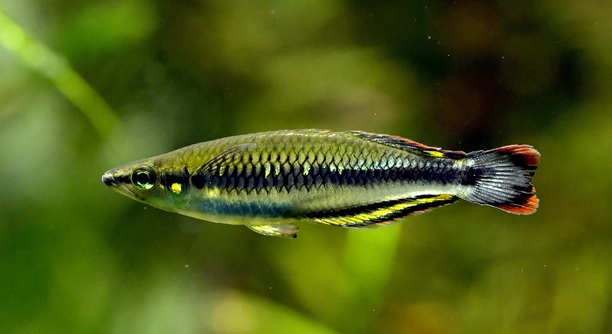
Have you ever added new rainbowfish to your aquarium and hoped for a smooth transition that keeps colors bright, stress low, and tank harmony intact while supporting healthy behavior from the very first days together.
The best practices for adding new rainbowfish involve gradual acclimation, proper quarantine, stable water parameters, adequate space, compatible tank mates, consistent feeding routines, and close observation. These measures reduce stress, limit disease introduction, and promote long-term health, social stability overall.
Clear steps and careful planning can turn a simple addition into a thriving, colorful community worth understanding fully over time.
Preparing the Tank Before Introduction
I always start by preparing the tank well before any new rainbowfish arrive. Stable water parameters are essential because rainbowfish react quickly to sudden changes. Temperature, pH, and hardness should closely match the source tank. The aquarium needs plenty of swimming space, open areas, and gentle flow. Dense plants along the edges help reduce stress and give shy fish a place to settle. Filtration must be mature and efficient to handle the added bioload without spikes. Lighting should remain moderate to prevent sudden stress responses. I also check that the tank is fully cycled and free of aggressive species. Even peaceful fish can cause issues in cramped conditions. Taking extra time at this stage creates a calmer environment. This preparation sets a strong foundation for healthy behavior, stronger coloration, and smoother group integration once the fish are introduced slowly and carefully for long term success overall with minimal setbacks later.
I keep equipment ready and avoid rushing this step. Extra testing now prevents losses later and saves stress for both fish and owner. Consistency during setup supports stability and allows me to feel confident before adding any new rainbowfish into an established aquarium system without unnecessary adjustments or sudden changes.
Quarantine is another step I never skip. A separate tank allows observation for illness and parasites without risking the main aquarium. This period also helps new rainbowfish recover from transport stress. I maintain similar water conditions to reduce shock. Feeding lightly at first prevents waste buildup. Daily checks for behavior, appetite, and appearance reveal problems early. Treatments are easier in a smaller tank. While it requires patience, quarantine protects existing fish and new arrivals. It also gives me peace of mind before introduction. Skipping this step often leads to preventable losses and prolonged stress later for responsible aquarium management practices.
Introducing New Rainbowfish Carefully
Introducing rainbowfish slowly reduces stress and aggression. I dim the lights, float bags, and gradually mix tank water. This method helps fish adjust while limiting shock and panic responses. Controlled pacing keeps the group calm and improves acceptance within the established school over the first days after introduction begins properly.
I release the fish once temperature and chemistry match closely. Feeding is delayed for several hours to let them settle. I observe interactions without interference unless serious aggression appears. Rainbowfish establish social order quickly, so mild chasing is normal. Adequate space prevents constant pressure on weaker individuals. I keep decorations arranged to break sightlines and reduce tension. Over the next days, I feed small portions and watch for signs of stress. Clamped fins, hiding, or refusal to eat signal issues. Water quality tests remain frequent during this period. Partial water changes help maintain stability. I also avoid adding other fish at the same time. This focused approach allows me to understand behavior changes and respond early. With patience and consistency, the group becomes active, colorful, and balanced. Careful observation during this stage ensures long term success and protects the health of every rainbowfish in the aquarium. I remain consistent with maintenance routines and avoid sudden changes. Stability supports immune function and reduces conflict. Over time, confidence grows, feeding improves, and natural schooling behavior becomes more visible and reliable. These final adjustments complete the introduction phase successfully for long term aquarium harmony and continued healthy group dynamics without unnecessary complications later.
Maintaining Water Quality After Adding Rainbowfish
I test water daily during the first weeks after adding rainbowfish. Ammonia and nitrite must stay at zero, while nitrate remains low. Small water changes help maintain balance. This routine keeps stress minimal and allows fish to adjust without sudden environmental shifts over time for healthier long term aquarium stability.
I avoid overfeeding during this period because excess food quickly affects water quality. Rainbowfish eat eagerly, so portion control matters. I feed small amounts twice daily and remove leftovers. Filtration is checked often to ensure proper flow and oxygenation. Sponge and mechanical media are rinsed gently in tank water. This prevents debris buildup without harming beneficial bacteria. Plants also help by absorbing waste and providing shelter. When water remains clear and stable, fish display stronger colors and calmer behavior. Consistent maintenance supports immune health and reduces the risk of disease outbreaks across multiple tanks under routine observation schedules consistently maintained.
I also pay attention to group dynamics after introduction. Rainbowfish establish hierarchy through displays and short chases. I watch closely to ensure weaker fish are not isolated. Rearranging decor can break tension if needed. Adequate swimming length allows natural schooling behavior. Stress often shows through faded color or reduced appetite. When I notice these signs, I adjust lighting, feeding, or flow. Quiet consistency helps fish settle. Over time, balanced conditions encourage confident movement, social interaction, and stable health within the aquarium. This steady approach has repeatedly improved long term outcomes for my tanks during extended observation periods at home aquariums.
Feeding and Monitoring New Rainbowfish
Feeding routines should remain simple and predictable. I offer high quality flakes, pellets, and frozen foods in rotation. Variety supports color and energy. Meals stay small to prevent waste. New rainbowfish learn quickly by following established feeders. Consistent timing reduces anxiety and competition. Observation during feeding reveals appetite changes early and helps guide adjustments before problems develop. This habit keeps the tank calm and supports stable daily behavior across all age groups over time consistently.
I monitor behavior daily, especially during the first month. Active swimming, strong coloration, and steady feeding signal comfort. I log changes mentally and act early when patterns shift. Sudden hiding or surface hovering suggests stress. Testing water confirms whether adjustments are needed. I keep hands out of the tank unless necessary to avoid disturbance. Routine maintenance follows a schedule to maintain stability. Patience matters most during this phase. Rainbowfish respond well to calm environments. When conditions stay consistent, health improves naturally. This steady observation builds confidence and allows the aquarium to settle into a balanced rhythm. I rely on familiarity with my fish to notice subtle changes before serious issues form and maintain long term stability through mindful care practices at home aquariums over time.
Choosing Compatible Tank Mates
I keep tank mates calm and compatible to reduce stress. Rainbowfish thrive with peaceful species that share similar size and activity. Avoiding fin nippers prevents constant chasing. Balanced stocking levels help everyone settle faster and maintain steady behavior throughout the aquarium without tension and support long term health overall together.
I observe interactions closely during the first weeks. Minor displays are normal, but repeated aggression needs adjustment. Adding plants or rearranging decor breaks sightlines. Sometimes removing a dominant fish briefly helps reset behavior and restores balance within the group without causing long term stress for others in shared spaces safely.
Selecting the Right Rainbowfish Species
I select rainbowfish species with similar temperaments and growth rates. Mixing sizes too widely leads to competition and stress. Schooling works best in groups of six or more. Adequate numbers spread attention evenly. I also match water preferences closely. When compatibility is respected, colors deepen, feeding becomes relaxed, and social behavior appears natural. Researching species beforehand saves time and prevents rehoming later. A well planned mix creates a stable aquarium where fish interact calmly. This approach has consistently produced healthier displays and fewer long term issues in my experience across different tanks over many years of keeping fish successfully overall.
Keeping Conditions Stable Long Term
I limit changes after stocking is complete. Stability matters more than constant adjustments. Lighting schedules stay consistent. Maintenance follows a routine. By keeping conditions predictable, rainbowfish settle fully, display confident movement, and form steady schools that thrive without unnecessary interference over time within well maintained home aquariums for lasting success.
FAQ
How many rainbowfish should I add at once?
I usually add small groups, around three to five at a time, depending on tank size. Adding too many overwhelms the existing fish and increases waste production. Small introductions let everyone adjust, reducing stress and aggression while giving me time to observe behavior closely during the first week.
How long should new rainbowfish stay in quarantine?
I keep new arrivals in quarantine for at least two weeks. This allows me to spot signs of illness, parasites, or stress before they enter the main tank. I maintain similar water parameters to the main aquarium and monitor appetite and activity daily. Quarantine prevents sudden disease outbreaks and keeps the main group healthy.
What’s the best way to acclimate new rainbowfish?
I float the bag in the tank for 15 to 20 minutes, then gradually mix small amounts of tank water. This prevents sudden changes in temperature or chemistry. After about an hour, I gently release the fish. This slow process reduces stress and encourages smoother integration into the existing school.
How often should I feed new rainbowfish?
I feed twice daily with small portions, enough that the fish can finish in a few minutes. Overfeeding causes water quality problems, especially with new fish adjusting to a new environment. I also rotate foods, giving flakes, pellets, and frozen options to promote growth and color without overwhelming the filtration system.
Can rainbowfish live with other species?
Yes, if tank mates are peaceful and similar in size. Avoid fin nippers or overly aggressive fish. I pair rainbowfish with tetras, rasboras, or peaceful gouramis. Proper selection keeps stress low and encourages schooling behavior. I also provide plenty of space and hiding spots to reduce competition for territory.
What signs show my rainbowfish are stressed?
Clamped fins, hiding constantly, faded colors, or refusing to eat are the most common indicators. I pay attention during the first weeks, adjusting water flow, lighting, or tank decor if needed. Quick intervention can prevent illness or aggression from worsening and helps maintain a calm, active aquarium environment.
Do I need special lighting for rainbowfish?
I use moderate lighting to enhance colors but avoid overly bright setups. Lighting should follow a consistent daily schedule, typically 8 to 10 hours. Plants and decorations provide shaded areas, which helps shy or new rainbowfish feel secure and reduces stress. Consistent lighting supports healthy behavior and coloration over time.
How do I prevent disease when adding new rainbowfish?
Quarantine is the most important step. I also ensure water is stable, clean, and properly filtered. Avoiding overcrowding, overfeeding, and sudden changes in temperature reduces risk. Observation is key—any abnormal behavior or appearance is addressed immediately, preventing potential outbreaks and protecting the entire aquarium community.
How can I encourage schooling behavior?
I maintain adequate group sizes and open swimming areas. Rainbowfish feel safer in groups of at least six. Rearranging decorations and avoiding aggressive species supports natural schooling. Regular feeding and consistent maintenance help fish feel secure, so they swim together confidently instead of isolating or hiding in corners.
When should I do water changes after adding new rainbowfish?
I perform small water changes frequently during the first few weeks, usually 10 to 20 percent every two to three days. This helps remove excess waste from acclimating fish and keeps water parameters stable. After the initial period, I gradually shift to a standard weekly schedule to maintain a balanced, healthy aquarium long term.
Can I mix different rainbowfish species?
Yes, but only with compatible species. I match size, temperament, and water preferences closely. Mismatched species may compete or stress one another. Proper planning and gradual introduction create harmony, vibrant coloration, and active social behavior, ensuring that all rainbowfish thrive together without aggression or long-term issues.
How do I know if my tank is large enough?
I calculate at least one gallon per inch of fish, but more space is better. Rainbowfish are active swimmers, so open water is essential. Providing plenty of space reduces aggression, allows schooling behavior, and supports healthy growth, making tank size a critical factor for long-term success and well-being.
Is it necessary to monitor water parameters daily?
In the first month after adding new rainbowfish, I test ammonia, nitrite, nitrate, and temperature daily. Daily monitoring ensures any imbalances are caught quickly before they affect the fish. Once stable, I reduce testing frequency, but I still check water regularly to maintain a safe and consistent environment for all fish in the tank.
What should I do if new rainbowfish hide constantly?
I check water quality first and ensure the tank is not overcrowded. Adding plants or decorations for shelter often helps shy fish feel secure. I avoid sudden movements near the tank and maintain regular feeding schedules. Gradual acclimation and a calm environment encourage fish to explore and integrate naturally into the group.
How long does it take for rainbowfish to fully adjust?
Adjustment usually takes two to four weeks. During this time, I watch behavior, feeding, and coloration closely. Most fish gradually explore, swim actively, and join the school. Patience is key—forcing interaction or rushing changes can increase stress and slow adaptation, so I allow them to settle at their own pace.
Can I add other fish at the same time as rainbowfish?
I avoid adding multiple species at once. Introducing one group at a time allows me to monitor behavior and water stability. This prevents stress, aggression, and disease spread. Once the first group is settled and thriving, I consider adding compatible species, ensuring harmony and a balanced aquarium environment.
Are plants important when adding new rainbowfish?
Yes, I use plants to provide hiding spots and reduce stress. Dense areas at the edges give shy fish a safe space. Plants also help maintain water quality by absorbing nitrates. Including a mix of open swimming areas and sheltered spots encourages natural behavior and keeps the aquarium calm and balanced.
How do I manage aggression in a new group?
I observe daily and separate overly aggressive individuals if necessary. Rearranging decor or adding plants can break line-of-sight conflicts. Providing enough space and consistent feeding prevents competition. Most minor chasing is normal, but intervention prevents long-term stress. Patience and careful observation are the most effective strategies for maintaining a peaceful tank.
What’s the ideal temperature for rainbowfish?
I keep water between 74 and 78°F. Stability is more important than hitting a precise number. Sudden changes can stress fish and trigger illness. Consistent temperature combined with proper filtration and gradual acclimation ensures rainbowfish remain healthy, active, and brightly colored in their new environment.
Do rainbowfish need special water chemistry?
I maintain slightly alkaline, moderately hard water. pH around 7 to 8 and stable hardness supports coloration and overall health. Sudden swings can stress fish, so gradual adjustments are preferred if changes are necessary. Monitoring regularly helps maintain conditions that support thriving, active rainbowfish in the long term.
How can I tell if a rainbowfish is healthy?
Active swimming, strong coloration, steady appetite, and normal social behavior are signs of health. I watch for clamped fins, faded colors, or erratic movements as warning signs. Quick response to any issues prevents illness from spreading and helps maintain a balanced, peaceful aquarium with all fish thriving together over time.
Final Thoughts
Adding new rainbowfish to an aquarium can be both exciting and challenging. The process requires planning, patience, and careful observation. Preparing the tank ahead of time ensures that water parameters are stable, swimming space is adequate, and hiding spots are available. I have learned that even small adjustments in temperature, pH, or tank setup can make a big difference in how quickly fish settle. Taking the time to acclimate them properly reduces stress, prevents illness, and allows the fish to display their natural behavior and vibrant colors. It also gives me a chance to monitor each new arrival closely and make corrections before problems develop. This initial effort may feel time-consuming, but it pays off with a peaceful, thriving aquarium over the long term.
Quarantine is another key step I never skip. Keeping new rainbowfish in a separate tank for at least two weeks helps prevent the spread of disease. I observe their appetite, swimming behavior, and appearance daily, looking for any signs of stress or illness. Small interventions during quarantine, such as adjusting water conditions or providing extra shelter, often resolve minor problems before they affect the main tank. Once they are introduced to the main aquarium, I continue monitoring their interactions with existing fish. Maintaining a calm and stable environment helps everyone adjust, and I make sure not to overcrowd the tank or introduce multiple groups at once. Watching the fish gradually integrate into the group and school together is rewarding and reinforces why careful preparation and observation are so important.
Feeding and ongoing maintenance play a major role in long-term success. I provide a balanced diet with variety, offering flakes, pellets, and frozen foods to support growth and coloration. I feed small portions regularly to prevent overfeeding, which can harm water quality. Testing water frequently, performing partial water changes, and maintaining filtration ensures the environment remains healthy. Observing behavior, noting subtle changes, and making small adjustments as needed keeps stress low and supports overall well-being. Over time, consistent care results in active, vibrant rainbowfish that interact naturally and thrive in their environment. Following these practices has helped me maintain successful aquariums where rainbowfish remain healthy and colorful for years, demonstrating the importance of preparation, patience, and steady care in keeping these beautiful fish.

Hello,
If you enjoy the content that we create, please consider saying a "Thank You!" by leaving a tip.
Every little bit helps us continue crafting quality advice that supports the health, happiness, and well-being of pets around the world, for pets of all shapes, sizes, and species.
We really appreciate the kindness and support that you show us!