
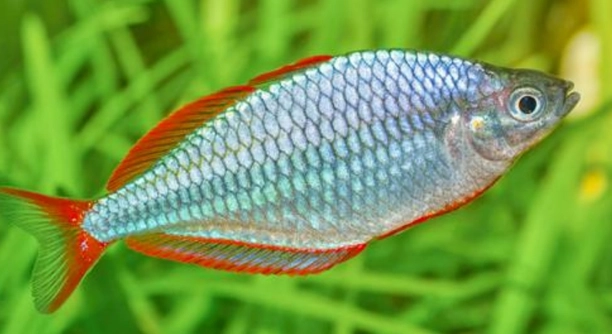
Is your rainbow fish acting distant or uninterested when new tank mates are introduced, even though everything else seems fine?
The most common reason your rainbow fish refuses companions is stress caused by environmental factors, such as tank size, water conditions, or incompatible species. These elements can trigger territorial behavior or anxiety, discouraging social interaction.
Understanding what makes your fish comfortable and secure is key to creating a peaceful environment where they can thrive alongside others.
Common Reasons Rainbow Fish Stay Away from Others
Rainbow fish are known for their vibrant colors and active swimming. But sometimes, they just don’t want company. One major reason is tank size. If the space is too small, they can feel trapped or threatened. These fish like to move around and need plenty of room to explore. A crowded tank can make them feel stressed. Another factor is water quality. If the water isn’t clean or balanced, it affects their mood and health. Poor lighting or loud surroundings can also cause anxiety. Lastly, the type of fish you add matters. Rainbow fish prefer peaceful, similarly sized tank mates. If the new fish are too aggressive or overly active, your rainbow fish may hide or become withdrawn. Always research compatibility before introducing new fish. Creating a stable and calm space is important if you want your rainbow fish to feel safe and open to new companions.
Some rainbow fish simply enjoy swimming solo, especially if they were raised without other fish from the start.
Before adding any new tank mates, watch your rainbow fish’s behavior closely. If they seem overly shy, aggressive, or inactive, check their environment. Look at water temperature, pH levels, and lighting. A few small changes might make a big difference.
How to Help Them Adjust to New Tank Mates
Rainbow fish do not always adjust right away. It can take time for them to feel secure again after a change in their tank.
When you plan to introduce new fish, begin with a proper tank setup. A larger tank with live plants, hiding spots, and open swimming areas makes a big difference. Introduce fish slowly and in small numbers to avoid overwhelming your rainbow fish. Try adding fish of a similar size and temperament, like other peaceful community species. Avoid sudden changes to the water temperature or chemistry. Keep things stable to reduce stress. Feed your rainbow fish well before introducing anyone new, as hunger can increase irritability. Watch closely for signs of aggression, like chasing or fin nipping. If that happens, it’s best to separate them quickly. Give your rainbow fish time to adjust, and don’t be discouraged if they take a while to accept others. Every fish is different, and some simply prefer more space or quiet.
Environmental Tweaks That Make a Difference
Lighting can affect how your rainbow fish behave around others. Bright or flickering lights can stress them out and make them hide. Use soft, steady lighting and make sure the tank has shaded areas too.
Changing the tank layout can also help. Adding more plants or hiding spots gives your rainbow fish places to escape when they feel overwhelmed. This helps them feel more secure, which can make them more open to having other fish nearby. Avoid rearranging the tank too often though—it can cause confusion and stress. Keep things simple and stable so your fish can get used to their space. You can also try placing decorations in ways that break up direct lines of sight, helping to reduce tension between tank mates. Even small adjustments like this can calm your rainbow fish and improve their social behavior naturally.
Temperature plays a big role too. Rainbow fish prefer warm, stable temperatures, usually between 74°F and 78°F. If the water is too cold or fluctuates a lot, they may become less active or more aggressive. Use a reliable heater and thermometer to maintain a consistent range. Stable conditions help them feel safe and allow better interaction with others.
What to Avoid When Adding New Fish
Avoid introducing fish that are too aggressive or territorial. Even if they are similar in size, behavior matters more. Rainbow fish do better with calm, non-threatening tank mates. Fast swimmers or nippy species can make them anxious.
Also, avoid adding several new fish at once. This sudden change can shock your rainbow fish and lead to hiding or defensive behavior. Introduce one or two at a time and monitor interactions closely. Skip species known for constant movement or fin-nipping, like tiger barbs. These types usually stress out rainbow fish. Quarantine new fish for at least a week to make sure they’re healthy and won’t bring in diseases. Keeping things clean is also important—dirty tanks cause stress and lower resistance to illness. Take your time, go slow, and watch how your rainbow fish reacts after each addition. This careful approach builds a safer and more peaceful tank over time.
Feeding Habits That Influence Behavior
Feeding time can affect how rainbow fish act around others. If food is limited or dropped all in one spot, it can cause competition and stress. Spread food out and feed at the same time each day.
Overfeeding can also lead to aggression. Extra waste lowers water quality, which makes fish uncomfortable. Stick to small portions they can finish in a few minutes.
Signs Your Fish Is Stressed or Unhappy
If your rainbow fish is hiding more, swimming less, or showing faded colors, it may be stressed. Aggressive chasing, fast darting, or loss of appetite are also signs something isn’t right. Watch their behavior daily, especially after adding new fish. Stress often shows in small changes first. Act early to adjust the environment or remove triggers. Balanced water, calm lighting, and the right tank mates all help reduce stress. A healthy, relaxed rainbow fish is more likely to be open to companions and stay active in its space. Don’t ignore the small signs—they often tell you everything you need to know.
When to Avoid Adding More Fish
If your rainbow fish is sick, recovering, or still adjusting to a recent change, hold off on adding more tank mates. Let them regain strength and feel safe first.
FAQ
Can rainbow fish live alone?
Yes, rainbow fish can live alone, especially if that’s how they were raised. Some do fine without others, but most are schooling fish by nature. They usually feel safer and act more naturally when kept in groups of their own kind. If you only have one, it may still stay active and healthy, but it might not show the same vibrant behavior you’d see in a group. Just make sure it has enough space, clean water, and a low-stress environment. If it seems relaxed and is eating well, it’s probably doing fine on its own.
How many rainbow fish should be kept together?
It’s best to keep at least six rainbow fish together. They feel more secure in a small group and are less likely to act stressed or aggressive. Keeping fewer than that can sometimes lead to dominance problems or nervous behavior. When they have a group, they tend to swim in unison, show brighter colors, and interact more. Make sure your tank is big enough to support a group this size—around 30 gallons or more is ideal. Also, always add them gradually to avoid sudden changes to the tank’s balance or chemistry.
Why is my rainbow fish chasing others?
Chasing is often a sign of stress, competition, or lack of space. Rainbow fish can get territorial if the tank is too small or if there are too many fish crammed together. It can also happen during feeding if the food isn’t spread out enough. In some cases, it’s just part of mild dominance behavior, especially among males. Try rearranging the tank decor, adding more hiding spots, or increasing the tank size. Also, check water quality—bad conditions make them more irritable. If the chasing turns into biting or constant aggression, you may need to separate fish.
Can rainbow fish get along with other species?
Yes, rainbow fish can get along with other peaceful species that are similar in size and temperament. Avoid keeping them with aggressive or very slow-moving fish. Good tank mates include tetras, rasboras, danios, and peaceful catfish. Always check compatibility before adding a new species. Watch how they interact for the first few days. If you notice signs of stress like hiding, darting, or nipped fins, you may need to make changes. Even peaceful fish can clash if the space is too small or if the water conditions aren’t stable. Compatibility depends on behavior, not just size.
Do rainbow fish need a lot of space?
Yes, they need plenty of room to swim. Rainbow fish are active and don’t do well in cramped tanks. A 30-gallon tank is usually the minimum for a small group. They like to move in open areas but also need places to hide when they feel overwhelmed. Without enough space, they can become aggressive or withdrawn. A larger tank helps keep the water cleaner and more stable too. Make sure to provide horizontal swimming space since they prefer that over vertical movement. The more room they have, the more comfortable and social they’ll be.
What does it mean if my rainbow fish loses its color?
Loss of color usually means stress or poor health. This can happen because of sudden changes in water temperature, bad water quality, or being bullied by other fish. It’s also common if the fish isn’t eating well or is sick. Sometimes it’s just temporary—fish can pale at night or when scared. If the color doesn’t come back within a day or two, check your tank conditions. Make sure the water parameters are stable, feed good-quality food, and reduce any loud noise or strong lighting near the tank. Color should improve as the fish feels safer.
How long does it take for rainbow fish to adjust to new tank mates?
It usually takes a few days to a couple of weeks. Every fish is different. Some settle in quickly, while others may hide or act nervous at first. Watch for normal signs like swimming near others, eating well, and exploring the tank. If your rainbow fish stays hidden or seems aggressive for more than a week, you might need to make changes—like adding more plants or removing a tank mate that’s causing stress. Patience is key. Give your fish time and keep the environment calm and consistent.
Final Thoughts
Rainbow fish are beautiful, active creatures, but they can sometimes act distant or shy when placed with other fish. This behavior is often linked to their surroundings. Things like tank size, water conditions, lighting, and the type of fish added to the tank all play a role in how comfortable they feel. If one or more of these things are off, your rainbow fish may not act social. It’s not always a big problem, but it’s something to pay attention to. Watching how your fish moves, eats, and reacts during the day can give you small signs about what might be wrong. These signs help you figure out how to adjust their space and make them feel more relaxed.
Giving your rainbow fish enough room to swim, along with proper hiding spots and calm lighting, can create a peaceful environment. This allows them to explore, rest, and interact with others when they feel safe. Adding new fish slowly and choosing calm, compatible tank mates makes a big difference too. You don’t need to rush the process—some fish take more time to adjust than others. Rainbow fish, especially if kept alone for a long time, may just need more time before they’re ready to share their space. Make changes one step at a time, and be sure to observe how your fish reacts to each one.
In the end, your rainbow fish may or may not enjoy having company. Some are more social than others, and that’s okay. The goal is to give them a clean, calm, and safe space where they can thrive. If they stay active, eat well, and seem relaxed—even on their own—they’re probably doing just fine. There’s no perfect number of fish or setup that works for every tank. What matters most is finding the balance that works for yours. Take your time, stay consistent, and pay attention to your fish’s behavior. It will guide you in the right direction. Whether they prefer swimming alone or with a group, a healthy and low-stress environment is what makes the biggest difference in their well-being.

Hello,
If you enjoy the content that we create, please consider saying a "Thank You!" by leaving a tip.
Every little bit helps us continue crafting quality advice that supports the health, happiness, and well-being of pets around the world, for pets of all shapes, sizes, and species.
We really appreciate the kindness and support that you show us!