
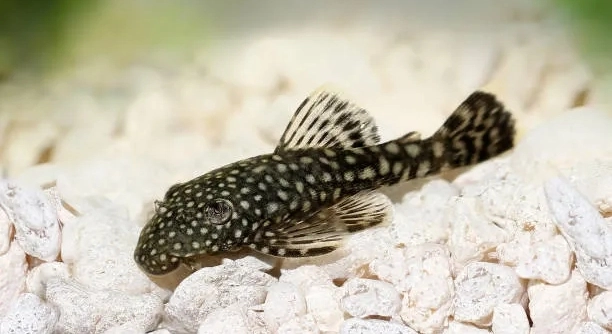
Is your pleco often gliding along the water surface instead of staying near the bottom? Observing this behavior can be concerning, especially when you expect your fish to stick to its usual hiding spots in the tank.
Plecos skim the water surface primarily due to low oxygen levels or insufficient water circulation. They may also exhibit this behavior when searching for food or experiencing stress, making it an important indicator of overall tank conditions.
Understanding why this happens can help improve your pleco’s comfort and health, ensuring a balanced environment where it can thrive and behave naturally.
Low Oxygen Levels in the Tank
When I first noticed my pleco at the surface, I realized the tank might not have enough oxygen. Fish need oxygen-rich water to breathe, and plecos are no exception. Stagnant water or overcrowded tanks reduce oxygen levels. Adding an air stone or improving water circulation often helps. Tank plants also play a role; they release oxygen during the day but consume it at night. Monitoring oxygen levels with a simple test kit can prevent your pleco from gasping at the surface. Even a small adjustment, like moving the filter to create more flow, makes a big difference. Plecos also react to sudden changes in temperature because warmer water holds less oxygen. Gradual adjustments to water temperature and ensuring proper aeration can keep oxygen at safe levels. Observing your pleco’s behavior daily can alert you early to low oxygen before it becomes serious.
Low oxygen can quickly affect your pleco’s health if left unchecked, so small improvements matter.
Regular water testing and adding aeration tools are simple steps that ensure your pleco can stay comfortably underwater, avoiding stress and health risks.
Overfeeding and Searching for Food
Overfeeding may cause plecos to skim the surface looking for uneaten food or scraps.
Too much food leads to poor water quality as uneaten pieces decay, producing ammonia that stresses fish. Plecos might float near the surface seeking easier access to food. To avoid this, feed small amounts only, spaced properly throughout the day or week. Removing leftover food quickly keeps the tank clean and reduces surface-skimming behavior. Plecos also rely on algae and driftwood in their diet, so ensuring they have enough natural food in the tank helps them stay lower in the water column. Observing their feeding patterns gives insight into whether diet adjustments are needed. Sometimes changing feeding spots or times encourages them to remain closer to the bottom. Balanced nutrition and consistent tank maintenance prevent both stress and unusual surface activity. Small changes in feeding habits can make a visible difference in your pleco’s behavior and overall tank health.
Stress and Tank Conditions
Stress can make plecos stay near the water surface more often. Changes in lighting, sudden movements, or new tank mates can make them uneasy.
When I noticed my pleco behaving differently, I checked the tank setup. Bright lights or loud noises can stress fish, causing them to skim the surface. Inadequate hiding spots or decorations leave plecos feeling exposed. Adding caves or driftwood allows them to retreat and feel secure. Temperature swings also trigger stress; keeping water stable helps them feel comfortable. Plecos respond to consistent routines, so feeding and maintenance schedules matter. Stress can weaken their immune system, making them more prone to disease. Watching behavior closely helps identify environmental triggers early. A calm, structured tank encourages plecos to stay lower in the water column and reduces surface activity caused by anxiety.
Observing and adjusting tank conditions gradually can greatly improve a pleco’s comfort and reduce stress-related surface skimming.
Even small environmental improvements, like rearranging decorations or dimming lights slightly, can make a noticeable difference in behavior. Plecos are sensitive and adapt quickly when conditions stabilize. Regular observation and minor adjustments can prevent recurring stress, ensuring they remain healthy and relaxed. Keeping water clean, maintaining proper temperature, and providing hiding spaces all contribute to reducing surface activity. Consistent routines in feeding and tank maintenance also play a role, helping plecos feel safe. By prioritizing these factors, I noticed my pleco became calmer, spending more time near the bottom, where it naturally prefers to explore and feed.
Water Quality and Filtration
Poor water quality drives plecos to the surface more frequently. Accumulated waste or high ammonia levels make breathing difficult, pushing them upward.
I learned that strong filtration and regular water changes were essential. Plecos are sensitive to nitrate, nitrite, and ammonia buildup. Even small levels can make them uncomfortable, causing unusual behaviors like surface skimming. Testing water weekly and changing about 20–30% helps maintain balance. Filters should run efficiently and be cleaned without removing beneficial bacteria. Overloaded tanks worsen water quality, so monitoring fish count is crucial. Plecos also stir up debris while feeding, which affects clarity. A combination of mechanical, chemical, and biological filtration keeps water healthy. Proper filtration and consistent maintenance reduce stress and encourage natural behavior, keeping plecos at the bottom where they feel secure.
Temperature Fluctuations
Sudden changes in water temperature can make plecos uneasy and push them toward the surface. Stable temperatures keep them comfortable and reduce erratic swimming.
I noticed my pleco lingering near the surface whenever the heater malfunctioned or room temperature dropped. Maintaining a consistent temperature within the recommended range for plecos prevents stress and supports normal behavior. Using a reliable heater and a thermometer helps monitor fluctuations. Even small changes can affect oxygen levels, making surface skimming more frequent. Gradual adjustments when needed prevent shock, while consistent temperatures encourage plecos to explore the tank naturally and remain near the bottom.
Tank Size and Space
A cramped tank limits swimming space, causing plecos to seek the surface for freedom. Providing adequate room encourages natural movement and exploration.
Disease or Infection
Illness can drive plecos to the surface as they struggle to breathe or feel weak. Observing changes in appetite, color, or activity can indicate potential health issues. Early detection allows treatment to restore comfort and normal behavior.
Why is my pleco always at the surface?
Plecos spend most of their time at the bottom, so seeing one at the surface constantly usually points to environmental stress. Low oxygen levels, high water temperature, or poor circulation are common causes. When oxygen is low, fish instinctively seek areas where it is easier to breathe, often at the water’s surface. I noticed this behavior in my own tank during summer when the heater pushed water temperatures higher than normal. Improving circulation with an air stone or adjusting the filter helped my pleco return to normal behavior. Ensuring that water parameters are stable and oxygen-rich keeps plecos comfortable near the bottom.
Can overfeeding cause plecos to skim the surface?
Yes, overfeeding is a common reason plecos explore the surface more frequently. Uneaten food decomposes and reduces water quality, producing ammonia and other harmful compounds. Plecos may also search for food scraps near the surface if their diet is inconsistent. I used to feed my pleco generously and noticed surface activity spike the next day. Cutting back to small portions and ensuring proper feeding schedules corrected the behavior. Including driftwood and algae-based foods keeps plecos satisfied and reduces the need to scavenge at the top of the tank. Maintaining clean water and moderate feeding prevents stress caused by poor nutrition or overcrowding.
Could tank size affect my pleco’s behavior?
Absolutely. Plecos need enough space to swim and hide. Smaller tanks limit movement, forcing them to explore the surface more often. When I upgraded my pleco to a larger tank, it spent more time at the bottom, exploring decorations and hiding spots naturally. Providing caves, driftwood, and sufficient room allows plecos to feel secure, reducing erratic swimming or surface-skimming behaviors. Overcrowded tanks also strain water quality, which indirectly drives plecos upward. Space and structure work together: a well-sized tank with thoughtful decoration helps plecos maintain natural patterns.
Is low oxygen the only reason plecos go to the surface?
Low oxygen is a major factor, but it’s not the only one. Stress, illness, and water temperature also play roles. I noticed that my pleco sometimes skimmed the surface even when oxygen was sufficient. Bright lights, sudden noise, or aggressive tank mates can cause anxiety. Additionally, sick plecos may surface to breathe easier. Monitoring water quality, temperature, and general behavior helps identify the root cause. Observing your pleco’s appetite, movement, and color changes often gives clues to whether the issue is environmental or health-related.
How do I know if my pleco is sick or stressed?
Signs of illness or stress include frequent surface visits, lethargy, loss of appetite, unusual color changes, or rapid gill movement. When I noticed these symptoms in my pleco, I immediately tested water and checked for injuries or parasites. Early detection is critical because plecos mask symptoms until problems become severe. Maintaining clean water, proper diet, and hiding spots reduces stress. Consulting a veterinarian familiar with fish can help if symptoms persist. Proper filtration, consistent temperature, and careful observation often prevent minor stress from escalating into illness.
Can I fix surface-skimming behavior quickly?
Yes, with proper adjustments. Identifying the reason—whether it’s low oxygen, temperature fluctuations, overfeeding, or stress—is key. I started by adding an air stone, reducing feeding, and providing more hiding spots. Within a few days, my pleco returned to the bottom. Regular water changes, monitoring oxygen, and maintaining proper tank conditions usually resolve surface-skimming behavior efficiently. Small, consistent changes often have a bigger impact than drastic alterations.
Does diet affect how often plecos go to the surface?
Diet has a direct impact. Plecos rely on algae, driftwood, and specially formulated foods. If they aren’t getting enough natural fiber or nutrients, they may search at the surface. I adjusted my pleco’s diet to include algae wafers and occasional vegetables. The change reduced surface visits noticeably. Balanced nutrition, paired with proper feeding amounts and timing, keeps plecos satisfied and less likely to show stress-related behaviors. Maintaining this diet routine also supports healthy digestion and overall tank cleanliness.
How often should I check water conditions to prevent surface-skimming?
Weekly testing is a good routine. I learned that even minor imbalances in ammonia, nitrites, nitrates, or oxygen levels could cause surface-skimming behavior. Simple test kits make it easy to track changes. Regular monitoring allows early adjustments before plecos are stressed. Checking temperature, pH, and oxygen alongside cleaning and partial water changes keeps the environment stable. Consistency in these checks ensures that plecos remain comfortable, healthy, and active at the bottom of the tank.
What equipment helps reduce pleco surface-skimming?
A good filter, air stone, and reliable heater make a big difference. I noticed that adding an air stone improved water circulation and oxygen distribution, immediately reducing surface activity. A stable heater prevents sudden temperature swings, while a proper filter keeps waste under control. Decorations like caves and driftwood offer security. Combined, these elements create an environment where plecos feel safe and can explore naturally. Simple, practical equipment upgrades often resolve surface-skimming behavior more effectively than complex interventions.
Is it normal for plecos to occasionally skim the surface?
Yes, occasional surface visits are normal. Plecos may explore the top to look for food or react to environmental changes. I observed that my pleco occasionally surfaced after feeding, which was harmless. Occasional skimming is usually brief and not a sign of stress or illness, especially if water parameters and diet are well-maintained. Tracking patterns over time helps distinguish normal behavior from problematic surface-skimming that indicates a larger issue.
Final Thoughts
Watching my pleco skim the water surface can be worrying at first, but it is usually a sign that something in the tank needs attention. Plecos are naturally bottom-dwelling fish, so surface activity often points to environmental factors like low oxygen, poor water quality, or stress. Addressing these issues early helps prevent long-term health problems. Over time, I learned that even small changes in tank maintenance, feeding, or decoration can make a noticeable difference. Regular observation is key. By paying attention to behavior patterns, water conditions, and tank setup, I was able to identify what caused the surface-skimming in my own tank. It reminded me that plecos communicate their needs through their actions, and understanding these signs is part of responsible fish care.
Maintaining a stable and healthy tank environment is the most important factor for keeping plecos comfortable. Proper water circulation, clean filtration, and consistent temperature create conditions that mimic their natural habitat. I found that adding hiding spots like driftwood and caves reduced my pleco’s stress and encouraged it to stay closer to the bottom. Feeding a balanced diet that includes algae, driftwood, and occasional vegetables keeps them nourished and less likely to search for food at the surface. Overfeeding or neglecting water changes quickly leads to unhealthy water conditions, which plecos respond to by swimming near the surface. By combining careful observation, regular maintenance, and thoughtful tank setup, plecos can thrive and display natural behaviors that are easier to enjoy and manage.
Understanding pleco behavior also helps improve the overall health of the tank ecosystem. When a pleco skims the surface, it often signals issues that may affect other fish as well. Acting promptly to adjust oxygen levels, feeding routines, or tank setup benefits all aquatic inhabitants. I realized that plecos are sensitive to changes, so small, consistent care is more effective than sudden fixes. With patience, it becomes easier to notice subtle behavioral changes and respond before problems become serious. Ultimately, providing stable water conditions, proper nutrition, and a calm environment allows plecos to thrive while giving you confidence in your ability to care for them. Observing them closely and making simple, steady improvements ensures that your pleco remains healthy, comfortable, and able to display its natural, bottom-dwelling behavior consistently.

Hello,
If you enjoy the content that we create, please consider saying a "Thank You!" by leaving a tip.
Every little bit helps us continue crafting quality advice that supports the health, happiness, and well-being of pets around the world, for pets of all shapes, sizes, and species.
We really appreciate the kindness and support that you show us!