
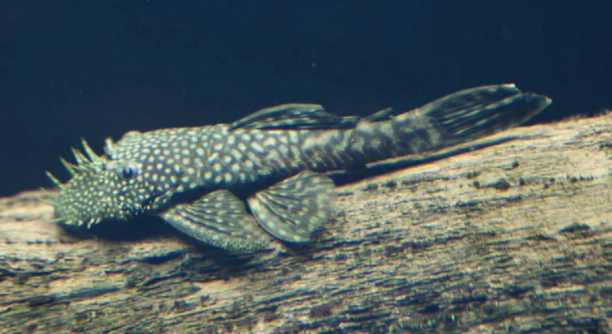
Have you ever found yourself watching your Bristlenose Pleco and wondering if it can actually form a bond with you?
Bristlenose Plecos do not bond with humans in the same way that dogs or cats do. However, they can become accustomed to their owners’ presence through routine feeding and gentle interaction, showing mild recognition and comfort in familiar environments.
Their subtle behaviors and calm demeanor reveal small signs of trust that make observing them a rewarding experience for any aquarium keeper.
Understanding Bristlenose Plecos and Their Behavior
Bristlenose Plecos are calm, bottom-dwelling fish known for their peaceful nature and helpful cleaning habits. They spend most of their time grazing on algae and exploring tank surfaces. While they are not naturally social toward humans, they can recognize patterns and routines. Over time, they may associate you with feeding and approach the glass when you come near. Their sense of familiarity is built through consistent care, a stable environment, and minimal stress. Although their behavior may seem reserved, these small actions indicate awareness and trust. They prefer quiet surroundings and gentle movements, which help them feel secure. Establishing a bond takes patience and observation rather than direct interaction. Unlike pets that crave attention, Plecos display connection through comfort and presence. Recognizing these subtle cues allows you to appreciate their unique way of showing awareness within their environment.
Their quiet yet responsive behavior is what makes them fascinating aquarium companions.
Building a comfortable habitat encourages your Pleco to show more of its natural personality. A tank with driftwood, hiding spots, and consistent water quality helps reduce stress. Once they feel safe, they explore more often, come out during the day, and respond calmly when you approach the tank.
Signs Your Pleco Recognizes You
When your Pleco becomes familiar with you, its behavior slightly changes. It may swim toward the glass or stay visible longer during feeding times. These subtle shifts show recognition rather than affection but still reflect comfort in your presence.
Plecos rely on routine and consistency. They learn to expect food around the same time each day and recognize the motion of your hand or the lid opening. Over time, this builds a mild association with safety and nourishment. While they don’t display emotion as mammals do, their patterns show awareness. Some Plecos even remain out when you’re nearby, a sign they don’t view you as a threat. Watching these behaviors grow stronger over time can feel rewarding. The key is maintaining a clean, stable tank and providing regular feeding schedules. Your gentle presence becomes part of their environment, creating a calm and predictable routine that supports both their comfort and your connection.
How to Encourage Interaction
Creating a calm environment helps your Pleco feel more at ease and less likely to hide. Sudden noises or bright lights can make them retreat, so keeping a consistent routine and gentle lighting will help them become more active and visible over time.
Feeding is one of the best ways to build trust with your Pleco. Use sinking wafers or fresh vegetables like zucchini, placing them in the same spot each time. This consistency helps your Pleco recognize your actions and associate them with feeding. Over time, it may start appearing when you approach the tank. Avoid tapping the glass or making fast movements, as these can cause stress. Patience is key to encouraging interaction without forcing it. When your Pleco feels secure, it will naturally begin to emerge more often, especially when it recognizes familiar cues tied to your presence and routine.
Observing your Pleco’s behavior will help you understand its comfort level. If it hides frequently or shows signs of stress, consider adjusting the tank’s setup or lighting. Providing additional hiding spaces can actually make them feel safer, leading them to explore more often. This balance of safety and predictability allows gradual, natural interaction with their environment and you.
Understanding Their Limits
While Plecos can recognize you through routine, they do not bond emotionally like mammals or birds. Their interactions are based on familiarity, comfort, and consistent care rather than affection. Respecting these boundaries helps maintain a healthy, stress-free relationship with your fish.
Pushing interaction beyond what your Pleco is comfortable with can create unnecessary stress. Instead, observe its reactions and allow it to approach on its own terms. A relaxed Pleco will often stay visible longer and move with ease around the tank. Maintaining proper water quality, temperature, and diet keeps them active and content. Over time, these factors help strengthen recognition. Their sense of security and routine forms the basis of connection. Understanding these limits shows respect for their nature while still letting you enjoy their quiet companionship. This mutual comfort is what defines bonding with aquatic species like Bristlenose Plecos.
Common Mistakes to Avoid
Overhandling or trying to touch your Pleco can cause unnecessary stress. These fish prefer limited physical interaction and thrive when left undisturbed. Avoid frequently rearranging their tank, as constant changes can make them feel insecure and disrupt their sense of routine and safety.
Feeding irregularly or overfeeding can also harm their health. Plecos rely on consistent feeding schedules and balanced nutrition. Excess food may lead to water contamination, affecting their comfort and activity levels. Maintaining a stable environment supports both their well-being and their ability to feel secure in your presence.
Do Bristlenose Plecos Show Affection?
Bristlenose Plecos don’t express affection like mammals, but they do display recognition and calm behavior toward familiar people. When they stay out in the open or approach the glass near feeding times, it shows trust. Their quiet actions represent comfort rather than emotional attachment. Appreciating these subtle gestures helps strengthen your connection naturally and respectfully.
Final Thoughts on Bonding
Bonding with a Pleco is about patience, consistency, and respect for their nature. Their calm presence and steady routines bring quiet beauty to any aquarium when given proper care and understanding.
FAQ
Can Bristlenose Plecos recognize their owners?
Bristlenose Plecos can recognize their owners through consistent routines and feeding habits. They learn to associate your presence with food and safety. Over time, they may appear more frequently when you approach the tank or open the lid. This behavior doesn’t stem from affection but rather familiarity and routine. The more predictable your interactions, the more confident your Pleco becomes in your presence. This recognition is based on visual cues and vibrations rather than emotional connection, yet it still creates a quiet, trusting relationship that develops naturally over time.
Do Bristlenose Plecos enjoy being watched?
Plecos are shy by nature and generally prefer low lighting and quiet environments. However, when they feel secure, they don’t mind being observed. If your Pleco often stays visible or explores during the day, it’s a sign that it feels safe. Creating a stable environment with plenty of hiding spots helps them adjust to human observation. They don’t actively enjoy attention, but they can tolerate it when trust has been built. A calm and consistent environment makes them more comfortable around you, allowing you to watch their natural behaviors more often.
Can Bristlenose Plecos be trained?
While Plecos can’t be trained like dogs or parrots, they can learn feeding cues and respond to routine actions. For example, they may come out when you open the tank lid or when you drop in food at specific times. This kind of learned response isn’t emotional but behavioral, tied to repetition and memory. Plecos rely on environmental consistency, so the more stable your care routine, the stronger these learned habits become. It’s a simple yet rewarding way to observe how intelligent and adaptable these quiet creatures can be.
Do Bristlenose Plecos prefer being alone or in groups?
Bristlenose Plecos are mostly solitary, especially males, who can become territorial if kept with others of the same gender. They prefer having their own space within the tank. A single Pleco in a properly sized aquarium will thrive without needing companions. However, in larger tanks with plenty of hiding spots, multiple Plecos can coexist peacefully if monitored carefully. Avoid crowding the tank, as this can increase stress and aggression. Providing each fish with its own space ensures comfort and reduces territorial behavior, keeping the aquarium balanced and peaceful.
How can you tell if your Pleco is stressed?
Signs of stress in Plecos include constant hiding, loss of appetite, or unusual swimming patterns. Poor water quality, sudden changes in temperature, or excessive noise often cause these reactions. Keeping water parameters stable and ensuring proper filtration are essential for preventing stress. If your Pleco becomes unusually inactive or starts clinging to the glass for long periods, it may be uncomfortable. Regular observation helps you notice subtle changes early. Addressing these issues promptly supports their health and reinforces their sense of safety in the tank.
Why does my Pleco hide all the time?
It’s completely normal for Plecos to hide frequently. They are nocturnal by nature, preferring to stay in shaded or covered areas during the day. Hiding provides them a sense of protection. If your Pleco hides excessively, check that the lighting isn’t too bright and that the tank has enough shelters like driftwood or caves. Over time, as they grow more familiar with their environment and routine, they may spend more time out in the open, especially during feeding times. Their hiding habits are natural and not a sign of dislike or fear of you.
Can Plecos show happiness?
While Plecos don’t show emotions the way mammals do, their behavior can indicate contentment. A healthy, comfortable Pleco will have clear eyes, an active appetite, and regular movement around the tank. When they freely graze on surfaces and rest calmly, it shows they feel safe. Consistent water conditions, proper diet, and minimal disturbances all contribute to their well-being. Observing these steady, relaxed patterns helps you recognize when your Pleco is comfortable and thriving in its environment. Happiness, in their case, is expressed through calm behavior rather than visible excitement.
Do Bristlenose Plecos need interaction to stay healthy?
Plecos don’t require direct interaction to stay healthy, but consistent care routines play an important role. They rely on stability, clean water, and proper nutrition rather than social engagement. Interacting with them gently during feeding or tank maintenance helps build familiarity, but forcing interaction can cause stress. Their health depends more on tank quality and diet than on human contact. By respecting their space and keeping conditions ideal, you ensure both their comfort and longevity, creating a peaceful environment where they can thrive naturally without excessive interference.
Can Plecos bond with other fish?
Plecos generally coexist well with peaceful tankmates, but their relationships are not emotional. They simply tolerate others as long as there’s enough space and food. Aggressive or fin-nipping fish can cause stress, so it’s best to pair them with calm species. They mostly keep to themselves, spending time near the bottom of the tank. Providing hiding spots for all fish helps reduce competition and tension. While Plecos don’t form bonds, maintaining a balanced tank community allows them to live comfortably alongside others without conflict or stress.
What does it mean if my Pleco comes out during the day?
If your Pleco is active during the day, it’s a positive sign of comfort. Normally nocturnal, they emerge in daylight when they feel safe and relaxed in their surroundings. This behavior often appears when the environment is stable, and the fish recognizes familiar cues like feeding times. It doesn’t indicate affection but rather trust and security. When they explore freely during the day, it’s a reflection of both good care and a comfortable habitat. Keeping their tank peaceful and predictable supports this confident behavior and strengthens their sense of safety.
Final Thoughts
Bristlenose Plecos are gentle, reserved fish that bring a quiet presence to any aquarium. Their calm behavior and steady habits make them fascinating to watch, especially as they slowly become comfortable in their environment. While they don’t form emotional attachments or show affection like mammals, they do recognize consistency and routine. Over time, they can grow familiar with the person who feeds and cares for them, responding with subtle cues like swimming closer to the glass or staying out in the open longer. These small gestures may not seem like much, but they are meaningful signs of comfort and trust in their world. Creating this sense of familiarity takes patience, care, and respect for their natural boundaries.
Bonding with a Bristlenose Pleco is less about direct interaction and more about understanding their needs. A stable environment, clean water, and a balanced diet play a bigger role in their comfort than anything else. When they feel secure, their natural behaviors begin to shine. They may come out more often, explore during the day, and even approach the glass when they sense you nearby. These subtle signs of recognition show that your presence has become a normal and safe part of their surroundings. Maintaining this trust means being gentle during tank maintenance, avoiding sudden movements, and keeping their environment consistent. Each quiet moment of recognition is a reflection of the care you’ve given them, even if it’s expressed in the smallest ways.
Understanding the limits of bonding with Plecos allows you to appreciate them for what they truly are—independent yet responsive creatures. They do not crave attention or affection, but they thrive when respected and well cared for. Their behavior is predictable, peaceful, and deeply connected to routine, making them rewarding pets for those who value patience and observation. Watching them graze, explore, and interact with their environment offers a sense of calm that few other pets can provide. The connection you form with your Pleco is built not through affection but through consistency, respect, and quiet presence. In this simple, steady bond lies the beauty of caring for such a thoughtful and reserved aquatic species. Their calm nature teaches that sometimes, trust and companionship come in the quietest forms.

Hello,
If you enjoy the content that we create, please consider saying a "Thank You!" by leaving a tip.
Every little bit helps us continue crafting quality advice that supports the health, happiness, and well-being of pets around the world, for pets of all shapes, sizes, and species.
We really appreciate the kindness and support that you show us!