
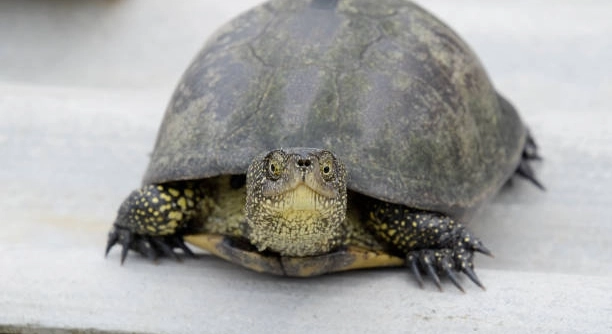
A musk turtle requires the right environment to thrive. If you notice any changes in behavior or health, it might be time to reassess its habitat. This article will guide you through the signs indicating a need for change.
Musk turtles are sensitive to habitat conditions. The most common factors causing discomfort are poor water quality, inadequate temperature, or lack of space. If these elements are not met, it can lead to stress, health issues, or a decrease in activity.
Understanding the conditions that influence your turtle’s well-being will help you take the right steps to improve its living environment. Keep reading to find out what clues to look for.
1. Poor Water Quality Can Affect Your Musk Turtle
Water quality plays a crucial role in the health of your musk turtle. If the water is not filtered properly or becomes too dirty, it can cause a variety of health problems. Turtles require clean, fresh water to thrive. If the water becomes cloudy or has an unpleasant odor, it’s a sign that it needs to be changed. Regular water changes are essential to keep harmful bacteria and toxins at bay. Inadequate filtration can also lead to stagnant water, which is not ideal for your turtle. Ensure that the tank is properly maintained to avoid these issues.
Changing the water frequently and checking the filtration system are essential steps. Make sure your turtle has access to clean, clear water, and be mindful of any changes in its behavior, such as reduced movement or a lack of appetite.
Regular water testing can help you monitor the quality. If your musk turtle seems sluggish or sickly, it could be the water quality that’s causing distress. The health of your turtle will greatly improve once the water conditions are optimal.
2. Inadequate Tank Size
Tank size is vital to your musk turtle’s comfort. A cramped tank will lead to stress, limiting their movement and causing behavioral issues. A general rule of thumb is to provide at least 10 gallons of water for each inch of your turtle’s shell length.
Ensure your turtle has enough space to move freely, with areas for swimming and basking. A larger tank can mimic its natural environment, supporting its growth and development.
3. Incorrect Temperature Levels
Temperature is a key factor for a musk turtle’s health. If the water or basking area isn’t at the right temperature, it can lead to lethargy or even illness. Use a reliable thermometer to monitor it regularly.
Musk turtles require a water temperature between 75°F and 80°F, while the basking area should be slightly warmer, around 85°F to 90°F. Too cold, and your turtle’s metabolism may slow down, affecting its digestion and immune system. Too warm, and it may avoid the water or basking area altogether. Balancing these temperatures ensures your turtle’s environment is comfortable and supportive of its natural behavior.
Investing in a quality heater and a UVB lamp is essential. These tools help maintain consistent temperatures while mimicking natural sunlight for proper calcium absorption. Regular checks and adjustments can prevent serious health issues stemming from poor temperature control.
4. Lack of Enrichment in the Habitat
Musk turtles need an engaging habitat. Without enrichment, they may become bored or stressed, leading to decreased activity and appetite. Add plants, rocks, or hiding spots to create a stimulating environment for your turtle.
A dynamic habitat allows your turtle to explore and exercise, promoting both mental and physical health. Live or artificial plants provide cover and mimic natural surroundings, while rocks and logs offer basking spots and hiding areas. Small, movable items encourage natural behaviors like foraging and digging, keeping your turtle active and entertained.
Maintaining a variety of textures and features in the tank prevents monotony. Rotate decorations or introduce new elements periodically to keep things fresh. By enhancing the habitat, you’ll notice a healthier, more active turtle thriving in its environment.
5. Insufficient UVB Light Exposure
UVB lighting is essential for your musk turtle’s health. Without it, your turtle may develop metabolic bone disease, which weakens its shell and bones. Ensure the light is placed appropriately and replaced every six to twelve months.
Providing consistent UVB light helps with calcium absorption and overall well-being. Combine it with a balanced diet to prevent health issues.
6. Presence of Aggressive Tankmates
Aggressive tankmates can stress a musk turtle, causing it to hide or eat less. Keep tank companions compatible to ensure a peaceful environment. Observe interactions and separate aggressive species immediately to avoid injuries.
Compatibility checks and monitoring behavior are key to maintaining a harmonious tank, ensuring every inhabitant thrives without stress or harm.
7. Dirty Substrate
A dirty substrate harbors harmful bacteria that can make your turtle sick. Regular cleaning or replacing the substrate will keep the tank safe and hygienic.
FAQ
What is the ideal tank size for a musk turtle?
The ideal tank size depends on the size of your musk turtle. A general guideline is to provide 10 gallons of water for every inch of shell length. For example, a turtle with a 4-inch shell requires at least a 40-gallon tank. Larger tanks are always better, as they allow for swimming, basking, and a more natural environment.
How often should I clean my musk turtle’s tank?
Cleaning frequency depends on the tank’s setup. With a strong filtration system, partial water changes every one to two weeks and a deep clean every month should suffice. For tanks without filtration, water needs to be changed every few days to prevent harmful bacteria buildup. Regular cleaning keeps your turtle healthy and prevents unpleasant odors.
Why is UVB lighting necessary for musk turtles?
UVB lighting is crucial for calcium absorption and vitamin D3 synthesis, which prevent metabolic bone disease. Without UVB light, a turtle’s bones and shell can weaken, leading to long-term health problems. Place the light 8-12 inches above the basking area and replace it every six to twelve months for optimal results.
What signs indicate my turtle is stressed?
Stress in musk turtles can manifest as reduced appetite, excessive hiding, lethargy, or unusual aggression. These behaviors often stem from issues like poor water quality, improper temperature, or lack of space. Identifying and addressing these factors promptly can help your turtle return to normal behavior.
Can musk turtles live with other species in the same tank?
Musk turtles can sometimes coexist with other species, but compatibility is key. Avoid aggressive or overly active species, as they may stress or harm your turtle. Stick to calm, similarly-sized tankmates, and monitor interactions closely to ensure a peaceful environment.
What should I feed my musk turtle?
Musk turtles thrive on a varied diet that includes commercial turtle pellets, live or frozen foods like bloodworms and brine shrimp, and occasional vegetables. Avoid overfeeding, as this can lead to obesity and water quality issues. Offer food once daily for juveniles and every other day for adults.
How do I maintain proper water quality for my turtle?
Invest in a reliable filtration system to remove waste and debris. Perform regular water changes and test the water for pH, ammonia, and nitrate levels. Keeping these parameters in check ensures a safe and healthy environment for your musk turtle.
What temperature should the water and basking area be?
Maintain water temperatures between 75°F and 80°F. The basking area should be slightly warmer, around 85°F to 90°F. Use a submersible heater for the water and a basking lamp to achieve these temperatures, and monitor them regularly with thermometers.
Why is my turtle hiding all the time?
Excessive hiding often indicates stress or discomfort. Common causes include poor water quality, aggressive tankmates, or inadequate habitat enrichment. Check for issues in the tank setup and make adjustments to create a more comfortable and engaging environment for your turtle.
How can I tell if my musk turtle is healthy?
A healthy musk turtle has a smooth, firm shell, clear eyes, and an active demeanor. Regular eating and basking are good signs. Monitor for symptoms like shell discoloration, swelling, or changes in behavior, which may indicate illness and require veterinary attention.
Final Thoughts
Caring for a musk turtle requires attention to its habitat, diet, and overall well-being. Providing a clean, spacious tank with proper lighting and water conditions ensures a healthy and stress-free life for your turtle. Regular maintenance and observation are key to preventing common issues like poor water quality or inadequate UVB exposure. Creating a balanced environment allows your musk turtle to thrive, promoting natural behaviors and a longer lifespan.
It’s important to monitor your turtle’s behavior and physical condition regularly. Unusual habits like excessive hiding or a lack of appetite can indicate underlying issues that need to be addressed quickly. Keeping a checklist of essential care needs, such as water changes, proper temperature, and a varied diet, helps maintain consistency in their care. With a little effort, you can build a habitat that mimics their natural environment and supports their health.
Every musk turtle is unique, so adjusting care practices to meet individual needs is vital. Whether it’s ensuring the right tank size or selecting compatible tankmates, these small but significant choices can make a big difference in your turtle’s quality of life. A well-cared-for musk turtle is a rewarding companion, offering years of enjoyment and a fascinating glimpse into aquatic life.

Hello,
If you enjoy the content that we create, please consider saying a "Thank You!" by leaving a tip.
Every little bit helps us continue crafting quality advice that supports the health, happiness, and well-being of pets around the world, for pets of all shapes, sizes, and species.
We really appreciate the kindness and support that you show us!