
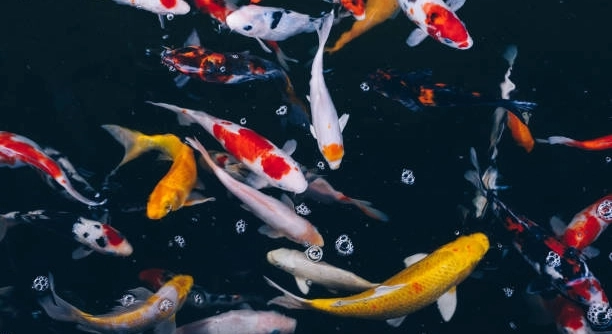
Is your koi fish spending more time resting at the bottom of the pond than swimming around like usual? This can be worrying, especially when it happens all of a sudden or lasts for days.
Koi fish often stay at the bottom due to stress, poor water quality, temperature changes, illness, or parasites. Identifying the exact cause and addressing it promptly is important to keep your fish healthy and active.
Learning the common causes and simple fixes can help bring your koi back to normal and keep your pond balanced.
Common Reasons Your Koi Fish Is Staying at the Bottom
Koi fish often stay at the bottom when something in their environment feels off. It can be due to poor water quality, like high ammonia or nitrite levels, which stress the fish. A sudden drop in temperature may also cause koi to become sluggish and sink to the bottom for warmth. Illnesses such as parasites or bacterial infections can weaken your koi, making them less active. Overfeeding or changes in diet might also cause digestive discomfort, prompting them to rest more. Even bullying from other koi or overcrowding can influence their behavior and stress levels. Some fish simply need a rest, especially after spawning. When this behavior becomes frequent or prolonged, it’s worth checking for changes in their environment or health. While a few quiet hours at the bottom are normal, a consistent pattern is usually a sign to take action and improve the conditions in the pond.
Start by observing your koi’s habits, feeding response, and the behavior of other fish around them.
If you notice your koi gasping, showing clamped fins, or losing color, these are additional signs that something may be wrong. Regular pond checks and test kits can help rule out basic issues like pH swings or ammonia spikes. Clean water is essential for koi health. Sometimes the issue might stem from parasites, which are not always visible. If things don’t improve after correcting water conditions, it’s smart to isolate the fish and consult a vet or experienced koi keeper. Treating parasites or bacterial infections early prevents them from spreading. Watch for any unusual behavior after feeding—floating, twitching, or imbalance. Skipping meals for a day or two can also help reset their digestion if food was the problem. Try to maintain steady temperatures and avoid sudden changes, especially in colder months. Reducing stress through proper pond management keeps koi more active and less likely to hide at the bottom.
Fix #1: Test the Water Immediately
When koi stay low in the pond, poor water quality is often the first reason. Testing your water can give you quick answers.
Use a reliable pond water test kit to check pH, ammonia, nitrites, nitrates, and temperature. Elevated ammonia or nitrite levels are common and harmful, especially when paired with low oxygen. Ideal pH ranges from 7.0 to 8.0, and ammonia should always be zero. Regular water changes—about 10 to 20 percent weekly—can help prevent spikes. If needed, use water conditioners or ammonia neutralizers to correct levels. Clean your pond filter regularly and remove any decaying organic matter like leaves or uneaten food, as these can build up toxins. Aerate your pond with air stones or a waterfall feature to improve oxygen levels. Always monitor the temperature, especially during seasonal changes. If it’s too cold or fluctuating, koi may become sluggish. Ensuring stable and clean water is one of the easiest ways to help your fish return to normal.
Fix #2: Check for Signs of Illness
Look for visible symptoms like white spots, red streaks, clamped fins, or frayed tails. These can point to infections or parasites. Unusual swimming, lack of appetite, or rubbing against surfaces may also suggest something’s wrong.
If you notice any of these symptoms, it’s important to separate the affected koi from the others. Move it to a quarantine tank with clean, warm, and aerated water. This helps prevent the spread of any illness. You can treat the fish using medicated pond salt or specific parasite treatments based on symptoms. Avoid using random medications without identifying the issue. Too many treatments can weaken your fish further. If you’re unsure, taking a sample to a vet or experienced fish keeper helps. Continue to monitor water quality in the main pond too, since illness can spread fast if the environment remains stressful or dirty. Early detection and action often prevent more serious problems.
After treatment begins, keep the koi in quarantine until it shows signs of recovery—like smoother swimming, normal appetite, and brighter color. Stick to a consistent feeding schedule, using high-quality food designed for koi recovery. Avoid overfeeding during this period. It’s also helpful to perform small, daily water changes in the quarantine tank to keep the environment stable. Recheck water parameters regularly. Once the koi appears fully recovered, slowly acclimate it back into the main pond. This avoids shocking the fish with a sudden change in conditions. During this whole process, keep a close eye on the other koi for early signs of illness.
Fix #3: Adjust Pond Temperature Carefully
Koi fish can become sluggish or stressed when the water temperature changes quickly. Cold water, especially below 50°F (10°C), may cause them to rest more often at the bottom of the pond.
Use a pond thermometer to monitor temperature daily, especially during seasonal changes. If the temperature has dropped suddenly, avoid feeding your koi for a while, as digestion slows down in cold water. Feeding during this time can lead to bloating or uneaten food, both of which affect water quality. A pond heater or de-icer can help maintain stable temperatures in colder months. Try to avoid sudden shifts by insulating your pond or adding windbreaks. During warmer months, ensure the pond has shaded areas or plants to help regulate the temperature. Avoid topping off with cold hose water without checking the difference in temperature. Small changes matter when keeping koi comfortable and active.
If the temperature difference between night and day is large, it’s best to stabilize it slowly. Sudden shifts can shock the fish, especially if they’ve already been stressed. If you’re heating the pond, increase the temperature gradually over several days. Keep filters running to circulate warm water throughout. Aeration is also important during these changes, as oxygen levels can drop when the temperature rises too quickly. Avoid moving koi in and out of the pond during cold spells unless absolutely necessary. Instead, focus on adjusting the environment around them. Simple steps like covering the pond with a net or tarp on cold nights can help. Always make changes slowly and steadily.
Fix #4: Improve Oxygen Levels in the Pond
Low oxygen can make koi fish sluggish and push them to the bottom. Use an air pump, fountain, or waterfall to keep the water moving. Warmer water holds less oxygen, so aeration is even more important during the summer months.
Avoid overcrowding, as too many fish in one pond can lower oxygen levels quickly. Make sure filters are clean and working properly. Adding aquatic plants can also help by producing oxygen during the day. Monitor oxygen levels using a test kit, especially after storms or heat waves when drops are more likely.
Fix #5: Inspect the Pond for Stress Triggers
Loud noises, vibrations, or predators can scare koi into hiding at the bottom. Sometimes the problem is something simple, like a nearby lawnmower, barking dog, or movement above the pond. Stress from these triggers can last for hours or even days if not addressed.
If your pond is near heavy activity, consider adding visual barriers like tall plants or fencing to block movement and noise. Herons or raccoons can also be a source of stress. A net or decoy predator can help discourage them. Avoid tapping on the glass or throwing food suddenly, as that also creates panic. Use soft lighting at night if needed, and don’t shine flashlights directly into the water. Make sure the pond has hiding spaces like caves, rocks, or deep zones where koi feel secure. Lowering stress keeps your fish active, healthy, and more visible.
Fix #6: Evaluate Feeding Habits
Feeding too much or using low-quality food can lead to poor digestion. Undigested food may settle at the bottom, drawing fish down to it. Stick to small portions and avoid overfeeding during temperature changes.
FAQ
Why is my koi fish staying at the bottom even though the water quality is fine?
Even with clean water, koi may stay near the bottom if they’re feeling stressed, cold, or unwell. Check the temperature first—cool water can slow them down. If the pond is overcrowded or lacks enough oxygen, that could be the reason. Koi also react to sudden changes in their environment, like loud noises or unfamiliar predators nearby. If you’ve recently introduced new fish, your koi might be adjusting to the change. Keep the pond calm and steady, and monitor behavior for a few days to see if they perk up.
Do koi fish naturally rest at the bottom sometimes?
Yes, koi will occasionally rest at the bottom, especially at night or during colder seasons. It’s a normal part of their daily rhythm. As long as they’re eating well, swimming normally at other times, and not showing any signs of illness, there’s usually nothing to worry about. It becomes concerning when they stay down for long stretches during the day, stop eating, or appear weak or unbalanced. At that point, it’s worth looking into potential stressors, illnesses, or environmental problems.
Can overfeeding cause koi to stay at the bottom?
Yes, overfeeding is a common cause. Excess food sinks and can cause koi to hover near the bottom to eat it. This leads to digestive issues, especially if the water is too cold for proper digestion. Uneaten food also reduces water quality, adding ammonia and dropping oxygen levels. Stick to small portions and feed only what they can finish in a few minutes. During colder months, koi need much less food, and in very cold water, they shouldn’t be fed at all.
Should I be worried if only one koi is staying at the bottom?
If just one koi is doing this while the others act normally, it may be ill or injured. Look for any visible signs like damaged fins, cloudy eyes, or unusual swimming. It might also be being bullied or overwhelmed by other fish. Separating it into a quarantine tank allows you to observe it more closely. If symptoms get worse, treating it with salt or a targeted medication can help. Acting early prevents the problem from spreading or becoming more serious.
How can I tell if my koi is stressed?
Stressed koi may act skittish, hide often, clamp their fins, or breathe quickly. Some stop eating or change color slightly. They might rub against surfaces or dart around suddenly. Stress can come from poor water quality, predators, loud sounds, overhandling, or a recent change in their environment. Keeping their surroundings stable and quiet is important. Test water regularly and provide plenty of hiding spots to make them feel secure.
Can temperature changes affect koi behavior that much?
Absolutely. Koi are cold-blooded, so their energy levels and behavior change with the water temperature. If the water drops quickly, they’ll become less active and may rest at the bottom. In cold weather, they may barely move at all. During warm spells, they swim more but also need more oxygen. Avoid sudden temperature swings by using pond heaters in winter and shade or aeration during hot days. Stability helps koi stay active and healthy.
What should I do if my koi looks fine but isn’t eating and stays still?
This could be a sign of internal issues like parasites or constipation, even if there are no visible symptoms. Try not feeding for a day or two, then offer a small amount of high-quality, easily digestible food. If there’s no change, move the koi to a separate tank and treat with pond salt. Monitor its behavior closely. Sometimes, poor water conditions in the past leave koi feeling weak, even after improvements. Time, clean water, and stress-free surroundings can help them recover.
Is a pond air pump really necessary?
Yes, especially during hot weather or if your pond is deep and stocked with multiple koi. Moving water keeps oxygen levels steady and helps prevent koi from becoming sluggish. Waterfalls and fountains help, but air pumps provide a steady oxygen boost near the bottom, which is exactly where your koi might need it. They’re easy to install and make a noticeable difference in fish health. In winter, they also prevent the pond from freezing over completely by keeping a small area open.
What’s the best way to prevent koi from sitting at the bottom long-term?
Prevention starts with stable water conditions. Test weekly, clean filters regularly, and do partial water changes when needed. Avoid overfeeding and make sure there’s enough oxygen. Add shelters for safety and keep the pond environment calm. Don’t introduce new fish without quarantining them first. Watch your koi daily—even a small change in behavior can be a helpful early sign. Keeping the pond clean, quiet, and balanced makes a big difference in how active and healthy your koi remain over time.
Final Thoughts
When koi fish stay at the bottom of the pond, it doesn’t always mean something is wrong. Sometimes, it’s just part of their normal routine, especially during colder seasons or nighttime. Koi are calm animals that react to changes around them. If they feel cold, stressed, or unsafe, they tend to settle at the bottom where they feel more secure. In most cases, if water quality is steady and there are no signs of illness, koi will return to normal behavior on their own. It’s important not to panic but to watch them closely for any new changes in how they act or look.
Caring for koi means keeping an eye on the little things. Clean water, a good diet, and a calm environment are key. Overfeeding, sudden temperature drops, and low oxygen can lead to problems—even if everything looks fine on the surface. Tools like test kits, air pumps, and pond heaters can help keep the environment stable. If a koi starts acting strangely, isolating it in a separate tank can give you a clearer view and help prevent the spread of illness. Sometimes, small adjustments make a big difference in helping your koi feel better and stay active.
Koi need steady care, but the steps aren’t hard once you build a routine. Watch them every day. Feed just the right amount. Clean filters regularly and test the water weekly. If one fish is staying at the bottom, pay attention, but don’t assume the worst right away. Look at the water, temperature, and behavior of the other fish. Most issues can be fixed early if you notice them in time. A calm, balanced pond leads to healthier fish, and even when problems come up, simple actions often bring good results. With patience and small daily efforts, your koi can stay peaceful, healthy, and active all year long.

Hello,
If you enjoy the content that we create, please consider saying a "Thank You!" by leaving a tip.
Every little bit helps us continue crafting quality advice that supports the health, happiness, and well-being of pets around the world, for pets of all shapes, sizes, and species.
We really appreciate the kindness and support that you show us!