
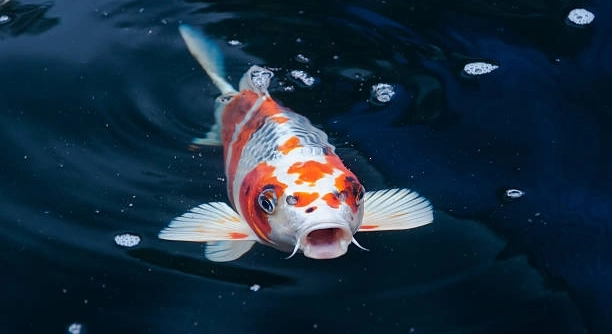
Koi fish are known for their graceful movements in ponds and water gardens. Sometimes, they swim in unusual patterns, like zigzags. These movements can catch the attention of observers and raise questions about their behavior and meaning.
When koi swim in zigzags, it often indicates alertness or a response to stimuli in their environment. This behavior can signal territorial display, searching for food, or reacting to changes in water conditions. Zigzag swimming is a natural and common part of koi activity.
Understanding why koi swim in these patterns helps deepen appreciation for their natural habits. It also provides insight into their well-being and the environment they live in. Observing these behaviors can improve how we care for them.
Why Koi Swim in Zigzags
Koi often swim in zigzag patterns as a way to explore their surroundings or react to potential threats. This movement helps them navigate obstacles and search for food efficiently. It can also be a sign that they are trying to establish territory among other fish. In some cases, koi swim in zigzags to attract attention during mating season. These movements are instinctive and serve practical purposes. The zigzag pattern also allows koi to change direction quickly, which helps them avoid predators. Their natural curiosity and alertness encourage this type of swimming. Watching koi in zigzags can reveal a lot about their environment and health, including water quality and social interactions. This behavior is one of many ways koi communicate without making noise, relying solely on body language and movement.
This zigzag swimming is a common and healthy behavior in koi fish.
Understanding this pattern can help pond owners maintain a better environment for their koi.
How Environment Influences Koi Behavior
Koi are very sensitive to their environment. Changes in water temperature, quality, and even noise can affect their swimming patterns. When koi swim in zigzags more frequently, it may indicate that they are stressed or uncomfortable. Poor water quality or the presence of unfamiliar fish can cause this behavior to increase. Keeping the pond clean and stable helps reduce unnecessary stress and keeps koi swimming calmly. Koi also react to feeding times, often swimming actively and in zigzags when they sense food is nearby. A well-maintained pond with proper filtration and oxygen levels supports healthy swimming habits. Monitoring environmental factors ensures koi remain active but not overly agitated, which is important for their long-term health and happiness. Observing changes in their swimming can provide early signs that something in their environment needs attention.
Signs of Stress in Koi
Zigzag swimming can sometimes indicate that koi are stressed. Stress may come from overcrowding, poor water quality, or sudden changes in their environment.
When koi feel stressed, they often swim erratically or hide more than usual. Stress affects their immune system, making them vulnerable to diseases. Common causes include ammonia buildup, low oxygen, or incompatible tank mates. Regular water testing and pond maintenance can reduce stress. Providing ample space and hiding spots also helps koi feel secure. Watching their swimming patterns closely can alert you to problems before they worsen.
Stress not only changes their behavior but also impacts their growth and coloration. Addressing stress early improves koi health and keeps their natural beauty intact. Consistent care is essential for a peaceful pond environment and happy fish.
Feeding and Swimming Patterns
Koi tend to swim in zigzags when they anticipate feeding time. This behavior shows their excitement and eagerness for food.
Feeding stimulates activity in koi, causing them to move actively and sometimes erratically. They may swim in zigzag patterns to compete for food or signal to others. Overfeeding, however, can lead to health issues and poor water quality, which then increase stress and change their swimming behavior negatively. It is important to feed koi balanced portions at regular intervals. Providing the right nutrition supports their energy and natural movement. Observing how koi react during feeding can give clues about their overall health and comfort. Proper feeding routines contribute to both lively swimming and pond cleanliness.
Seasonal Changes and Koi Behavior
Koi swimming patterns, including zigzags, often change with the seasons. Cooler temperatures usually slow their movements.
During warmer months, koi become more active and swim energetically. Seasonal shifts impact their metabolism and behavior.
Koi Social Interaction
Koi use swimming patterns to communicate with each other. Zigzag swimming can signal dominance or playfulness among the group. This behavior helps establish social hierarchy and strengthens bonds. Observing these interactions reveals much about their social structure and comfort level in the pond.
Common Misinterpretations
Not all zigzag swimming means stress or problems. Sometimes koi swim this way simply out of curiosity or exploration.
FAQ
Why do koi swim in zigzags suddenly?
Koi may suddenly swim in zigzags due to environmental changes or disturbances. This could be a response to a sudden noise, movement near the pond, or the presence of other animals. It is a natural reaction to stay alert and ready to move quickly. Sudden zigzag swimming can also happen if the water temperature shifts or if koi sense changes in water quality. Monitoring their environment regularly helps identify causes.
Is zigzag swimming a sign of illness in koi?
Zigzag swimming alone does not necessarily indicate illness. However, if combined with other symptoms such as lethargy, loss of appetite, or visible physical changes, it may signal health issues. Parasites, bacterial infections, or poor water conditions can cause abnormal swimming. Testing water quality and observing koi closely is important to catch problems early.
Can koi swimming patterns indicate mating behavior?
Yes, during mating season, koi often swim energetically in zigzags to attract partners. This behavior includes chasing and circling other koi. It is a natural display of courtship and readiness to spawn. Increased activity and zigzag swimming in spring or early summer usually relate to breeding.
How can I tell if my koi are stressed?
Signs of stress in koi include erratic swimming, hiding, loss of color, and reduced appetite. Zigzag swimming can be a stress indicator if it becomes constant or aggressive. Stress often results from overcrowding, poor water quality, or sudden environmental changes. Regular water testing, proper feeding, and pond maintenance reduce stress levels.
What should I do if my koi swim in zigzags frequently?
If frequent zigzag swimming occurs, check water conditions first. Test for ammonia, nitrites, pH, and oxygen levels. Ensure the pond is clean and free from sharp objects. Observe if other koi show similar behavior or if there are signs of illness. Adjust feeding routines and reduce disturbances around the pond. Sometimes, adding plants or hiding spots helps koi feel more secure.
Do all koi swim in zigzags or only certain ones?
Most koi will occasionally swim in zigzags, but some individuals may show this behavior more often. Personality, age, and health influence swimming patterns. Younger koi tend to be more active and exploratory, while older koi may swim more calmly. Dominant koi may use zigzag swimming to assert territory.
Can feeding affect koi swimming behavior?
Feeding times usually increase koi activity and cause zigzag swimming as they compete for food. Overfeeding can lead to sluggish swimming and health issues later. Balanced feeding promotes healthy movement and behavior. Feeding smaller amounts multiple times a day is preferable to one large feeding.
Is zigzag swimming harmful to koi?
Zigzag swimming itself is not harmful and is part of normal koi behavior. Problems arise if it signals stress or illness that is not addressed. Regular care and observation prevent issues related to abnormal swimming. It’s important to differentiate playful or alert swimming from signs of distress.
How does pond size affect koi swimming patterns?
Pond size influences how freely koi can swim. Smaller ponds may limit movement and increase territorial disputes, leading to more zigzag swimming. Larger ponds provide more space to roam, reducing stress and erratic swimming. Ensuring adequate space is essential for healthy koi behavior.
Can koi swimming patterns help detect water quality problems?
Yes, changes in swimming patterns often reflect water quality issues. Increased zigzag swimming may indicate poor oxygen levels or harmful chemicals. Koi may also gasp at the surface or isolate themselves. Regular water testing and maintenance are crucial to prevent these problems.
What is the best way to observe koi swimming behavior?
Spend quiet time watching koi without disturbing them. Early morning or late afternoon is ideal when koi are most active. Note any unusual swimming patterns or changes in behavior over days or weeks. Keeping a log can help track patterns and detect early signs of problems.
Can stress cause permanent changes in koi behavior?
Prolonged stress can lead to lasting changes in koi behavior, including decreased activity and changes in swimming patterns. Chronic stress weakens the immune system and can affect growth and coloration. Reducing stress through proper care and environment management is essential for koi health.
Are there other common swimming patterns in koi besides zigzags?
Koi also swim in smooth, flowing patterns when calm or resting. Circular swimming can indicate social interaction or play. Rapid darting may signal excitement or fear. Understanding these different patterns helps interpret koi mood and health more accurately.
Do koi respond to human presence with swimming changes?
Yes, koi often swim toward humans during feeding or move away if startled. Zigzag swimming can be a reaction to sudden movements near the pond. Over time, koi may learn to recognize their caretakers and show calmer behavior.
How can I encourage healthy swimming behavior in my koi?
Maintain clean water with proper filtration and aeration. Provide a balanced diet and avoid overcrowding. Adding plants and hiding spots reduces stress and encourages natural behaviors. Regular observation helps catch early signs of trouble. A stable environment promotes healthy swimming patterns.
Final Thoughts
Koi swimming in zigzags is a common behavior that can mean several things depending on the situation. Sometimes, it shows that the fish are alert and reacting to their environment, while other times it could be a sign of stress or social interaction. Understanding these patterns helps koi keepers provide better care. It is important to look at the whole picture, including water quality, feeding habits, and pond conditions, to determine why koi might swim in this way.
Paying attention to koi behavior can reveal a lot about their health and environment. When koi swim in zigzags often or suddenly, it can indicate changes that need attention. Clean water, proper feeding, and enough space in the pond reduce stress and promote calm swimming. Observing koi regularly allows owners to notice early signs of problems, which can be addressed before they become serious. Koi are sensitive to their surroundings, so maintaining a stable habitat is key to their well-being.
Keeping koi healthy involves consistent care and understanding their needs. Zigzag swimming is just one of many behaviors that koi show. It can reflect excitement, communication, or even discomfort. By watching koi closely and maintaining a balanced environment, owners can support their fish’s natural behaviors and ensure they thrive. A well-cared-for pond creates a peaceful space where koi can swim freely and gracefully for many years.

Hello,
If you enjoy the content that we create, please consider saying a "Thank You!" by leaving a tip.
Every little bit helps us continue crafting quality advice that supports the health, happiness, and well-being of pets around the world, for pets of all shapes, sizes, and species.
We really appreciate the kindness and support that you show us!