
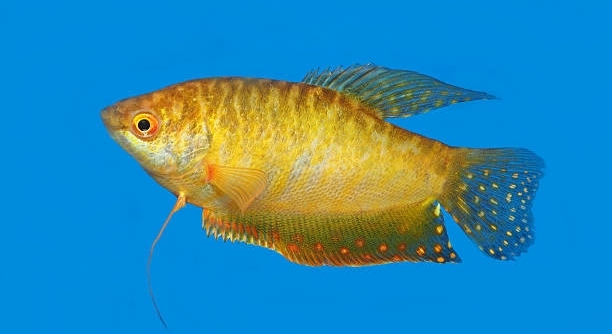
Gouramis are known for their playful behavior, especially around bubbles in the aquarium. Watching them interact with air bubbles can be entertaining and calming. However, not every gourami shows interest, leaving owners puzzled about their pet’s habits.
The main reason your gourami isn’t playing with bubbles often relates to stress, water quality, or environmental conditions. Gouramis may avoid bubbles if the tank is too small, overcrowded, or if the water parameters do not match their natural preferences.
Understanding why your fish avoids bubbles helps improve their environment and encourages natural behaviors, ensuring a healthier and more engaging aquarium for both you and your gourami.
Water Conditions Affecting Bubble Play
Gouramis are sensitive to their environment, and even small changes in water quality can affect their behavior. Temperature fluctuations, improper pH, and high ammonia or nitrate levels may make them hesitant to interact with bubbles. A stable environment helps them feel safe and encourages playful activity. Regular water testing and partial water changes can prevent stress and maintain a comfortable habitat. Some gouramis prefer slightly acidic water, while others thrive in neutral conditions, so knowing your species’ needs is essential. Decorations, hiding spots, and the placement of filters can also influence how freely they swim and explore. Bubbles may be ignored if the tank feels too exposed or crowded. Observing your fish’s overall activity, eating habits, and coloration provides clues about their comfort. A calm, well-maintained tank promotes natural behaviors, including the enjoyment of bubble streams, which can be both stimulating and entertaining for them.
Maintaining stable water conditions directly improves your gourami’s willingness to engage with bubbles, creating a livelier tank environment overall.
Proper filtration, water testing, and gentle aeration create conditions that allow gouramis to explore safely. Small adjustments can make a noticeable difference in their behavior, encouraging them to interact with bubbles more often and enhancing their daily activity levels.
Tank Setup and Environment
Tank size impacts gourami behavior, as small or overcrowded tanks can limit movement and reduce bubble interaction.
A tank with enough space for swimming, well-planted areas, and strategically placed decorations encourages gouramis to explore and interact with their environment. Filters and air stones should provide gentle currents, avoiding strong flows that might intimidate them. Open swimming areas allow them to chase and play with bubbles safely. Adding floating plants can make the surface more inviting, giving them a sense of security while observing bubbles. Regularly rearranging decorations can stimulate curiosity, preventing boredom. Lighting also plays a role, as overly bright or dim conditions may affect their activity levels. Observing how your gourami uses the tank will help identify areas that need adjustment. Small, thoughtful changes in the setup can transform a dull environment into one that promotes natural behaviors, including bubble play.
Adjusting tank layout, flow, and decor ensures gouramis feel comfortable exploring, making bubble interaction more likely and enriching their daily routine.
Stress and Social Behavior
Gouramis may avoid bubbles if they feel threatened or stressed. Aggressive tank mates, sudden movements, or loud noises can make them hesitant to explore, limiting playful behavior and bubble interaction.
Stress in gouramis often comes from both environmental and social factors. Overcrowding, incompatible fish, or constant disturbances can lead to hiding, lethargy, or refusal to interact with enrichment like bubbles. Even minor changes, such as adding new decorations or moving the tank, may trigger temporary stress. Observing their behavior helps identify stressors early. Reducing disturbances, providing hiding spots, and ensuring compatible tank mates can help them feel secure, encouraging more natural and playful actions, including bubble play.
Social dynamics also influence bubble interaction. Some gouramis are shy or lower in the hierarchy, letting more dominant fish control spaces near bubbles. Introducing multiple individuals gradually and observing interactions can help balance the tank. Ensuring each fish has access to space and resources reduces stress, promoting engagement with bubbles and overall activity.
Health and Diet
A poor diet or underlying health issues can make gouramis less active and uninterested in bubbles.
Balanced nutrition is crucial for energy and vitality. Feeding high-quality flakes, pellets, and occasional live or frozen foods supports their overall health and activity levels. Deficiencies in vitamins or proteins can lead to lethargy, reduced curiosity, and disinterest in enrichment, including bubble streams. Observing appetite and physical condition helps detect early signs of nutritional gaps or illness. Treating health problems promptly, including parasites or fin rot, ensures they regain energy and start interacting with their environment again.
Regularly monitoring your gourami’s diet, water conditions, and behavior creates a proactive approach to their health. Adjusting feeding routines, offering varied foods, and maintaining optimal water parameters prevent lethargy and encourage playful behaviors. A healthy gourami is more likely to explore, chase bubbles, and display natural swimming patterns. Keeping track of changes in appetite or energy levels allows timely interventions, ensuring your fish remain active and engaged. This focus on health and diet is key to sustaining long-term bubble interaction and overall well-being in the aquarium.
Age and Activity Level
Younger gouramis are usually more active and curious, often enjoying bubble streams. Older fish may slow down, showing less interest in playful behaviors or exploration.
Energy levels naturally decline with age, affecting swimming patterns and interaction with tank features. Observing their activity helps adjust expectations and tank enrichment to suit their stage of life.
Bubble Placement and Flow
The location and intensity of bubbles affect whether gouramis interact with them. Gentle bubbles near open swimming areas attract more attention than strong streams in crowded corners. Proper placement encourages exploration while reducing stress.
Seasonal Changes
Seasonal temperature or light fluctuations can reduce activity. Gouramis may appear less playful with bubbles during colder or darker periods.
Observation and Patience
Watching your gourami carefully over time helps identify patterns in bubble interaction and overall behavior. Patience allows adjustments to environment, diet, and tank setup for better engagement.
Why is my gourami ignoring bubbles completely?
Your gourami might be avoiding bubbles due to stress, water quality, or tank setup. Sudden changes, loud noises, or aggressive tank mates can make them feel unsafe. Additionally, water that is too warm, cold, or has poor parameters discourages playful behavior. Ensuring stable conditions and a calm environment usually restores interaction.
Can diet affect bubble play in gouramis?
Yes, nutrition directly impacts activity levels. A diet lacking essential nutrients or protein can make gouramis lethargic and uninterested in enrichment, including bubbles. Offering high-quality flakes, pellets, and occasional frozen or live foods ensures energy for exploration. Regular monitoring of appetite and physical condition helps prevent nutritional issues.
Do tank size and layout matter for bubble interaction?
Tank size is very important. Small or overcrowded tanks limit swimming space, making gouramis avoid bubbles. Open swimming areas, gentle currents, and well-placed decorations encourage exploration. Floating plants can provide security while observing bubbles. Rearranging decorations occasionally also stimulates curiosity, preventing boredom.
Could stress from other fish prevent my gourami from playing?
Gouramis are sensitive to social dynamics. Aggressive or dominant tank mates can intimidate them, reducing playful behaviors. Providing hiding spots and observing interactions ensures less dominant fish feel safe. Gradual introductions of new tank mates and balanced populations support engagement and interaction with bubbles.
Does age influence bubble play?
Younger gouramis are naturally more active and playful, often enjoying bubble streams. Older fish may slow down, losing interest in energetic activities. Adjusting tank enrichment and expectations for age ensures they remain comfortable and engaged in ways suited to their energy levels.
Can seasonal changes impact activity levels?
Seasonal shifts in temperature or light can affect swimming patterns. Cooler water or reduced daylight may lower energy levels, causing less bubble interaction. Maintaining stable water conditions and consistent lighting helps sustain activity year-round. Observation and small adjustments can support natural behaviors even during seasonal changes.
How does bubble placement affect engagement?
Bubbles placed in open swimming areas attract more attention than those near strong currents or corners. Gentle streams reduce intimidation and encourage exploration. Adjusting air stone placement, flow strength, and providing nearby hiding spots can make bubbles more inviting for gouramis.
Should I intervene if my gourami never plays with bubbles?
Intervention isn’t always necessary. Some gouramis are naturally less playful. Focus on maintaining ideal water conditions, proper diet, and a comfortable tank environment. Gentle enrichment, such as repositioning bubbles or adding plants, can encourage curiosity without forcing interaction. Patience is key for long-term engagement.
Can health issues affect bubble interaction?
Illnesses, parasites, or fin damage reduce activity. Monitoring your gourami for changes in appetite, color, or swimming behavior helps identify health concerns early. Prompt treatment restores energy and encourages playful behaviors, including exploring bubbles. Regular tank maintenance and diet support overall health and activity.
How long should I wait for my gourami to start playing?
Adjustments to environment, diet, and social dynamics take time to show results. Some gouramis may respond within days, others over weeks. Consistent observation and gradual changes create conditions that support natural curiosity, allowing your gourami to engage at its own pace.
Gouramis are unique and sensitive fish, and their behaviors often reflect how comfortable they feel in their environment. Observing them not playing with bubbles can be concerning, but it is rarely a sign of permanent problems. Often, the reasons behind this behavior are simple and manageable. Factors such as water quality, tank size, social dynamics, and diet play significant roles in whether your gourami chooses to interact with bubbles or not. Understanding these influences can make it easier to create conditions that encourage natural, playful behaviors, while also supporting their overall health and well-being. A calm, stable tank environment is essential, as sudden changes or disturbances can discourage exploration and activity. Providing gentle water flow, proper hiding spaces, and compatible tank mates allows gouramis to feel secure, giving them confidence to explore and play.
Diet and nutrition are also important in determining activity levels. Gouramis that are not receiving sufficient nutrients may appear lethargic or uninterested in their surroundings. Feeding a balanced diet of high-quality flakes, pellets, and occasional live or frozen foods ensures they have the energy needed to swim, explore, and interact with bubbles. Observing appetite and body condition can help identify whether dietary changes are needed. A healthy, well-nourished gourami is far more likely to engage with bubble streams, explore decorations, and display natural swimming behaviors. It’s important to remember that each gourami is an individual, and while some are very playful, others may be naturally calmer. Patience is key, and gradual adjustments to diet, tank setup, and enrichment often produce the best results.
Finally, patience and careful observation are essential when addressing bubble interaction. Age, health, seasonal changes, and stress levels all influence behavior, and it can take time for changes in the environment to show noticeable effects. Monitoring your gourami’s daily patterns, reactions to new setups, and overall activity provides valuable insight into what adjustments may be beneficial. Even small modifications, like repositioning bubbles, adding floating plants, or reducing aggressive interactions, can encourage more engagement. Remember that not all gouramis will play with bubbles equally, and this is normal. By focusing on stable water conditions, proper nutrition, thoughtful tank setup, and consistent observation, you can support your gourami’s natural behaviors, improve its comfort and well-being, and create a more enriching and active aquarium experience.

Hello,
If you enjoy the content that we create, please consider saying a "Thank You!" by leaving a tip.
Every little bit helps us continue crafting quality advice that supports the health, happiness, and well-being of pets around the world, for pets of all shapes, sizes, and species.
We really appreciate the kindness and support that you show us!