
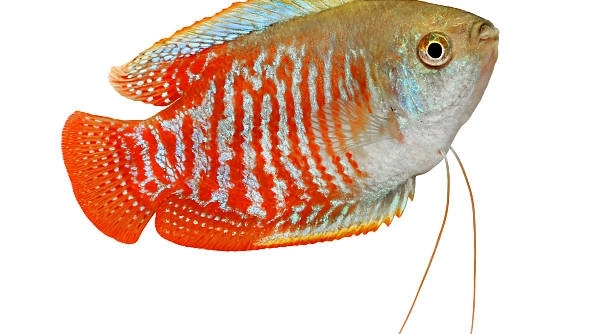
Moving gouramis to a new tank can be a stressful experience for both fish and owners. Even careful transfers can trigger changes in behavior. Many aquarists notice their gouramis becoming moody or withdrawn after relocation.
Gouramis often exhibit mood changes after a move due to stress, environmental changes, and disruptions in their established territory. Factors such as water parameters, tank layout, social interactions, and acclimation methods play a significant role in influencing their behavior.
Recognizing these reasons helps you manage your gouramis’ adjustment period and promotes a calmer, healthier environment for your fish to thrive.
Stress From Sudden Environmental Changes
Gouramis are highly sensitive to shifts in their surroundings. Even small changes in water temperature, pH, or hardness can trigger stress responses. When introduced to a new tank, they may hide, reduce feeding, or show aggressive tendencies. Stress affects both their physical health and behavior. Fish rely on consistency in their environment, and sudden changes challenge their ability to adapt. Tank decorations, lighting, and hiding spaces contribute to their comfort. Without familiar landmarks, gouramis may feel insecure and anxious. Stress can also weaken their immune system, making them more vulnerable to disease. Observing their behavior closely after a move allows owners to identify signs of discomfort. Gradual acclimation and careful monitoring can minimize stress and support a smoother transition. Patience during this adjustment period is essential to maintain the wellbeing of the fish and to prevent long-term behavioral issues.
Even minor fluctuations in water conditions can have a lasting impact on gouramis’ mood and activity levels.
Providing stable water conditions and maintaining a calm environment helps gouramis regain confidence and adjust comfortably over time.
Territorial Disruption
Gouramis establish personal territories, even in community tanks. Moving them disrupts these boundaries, which can lead to aggression or withdrawal.
When their established territory is disturbed, gouramis may explore cautiously, hide more often, or challenge other fish for space. This disruption can affect feeding patterns, social interactions, and overall activity. They rely on familiar landmarks and boundaries to feel secure. Rearranging decorations or introducing new tank mates compounds their uncertainty, making mood swings more pronounced. Some gouramis may temporarily isolate themselves until they reclaim a comfortable area, while others display defensive behavior to reestablish dominance. Patience and consistent tank management are crucial to restoring a sense of security. Gradual adjustments, including minimal changes to decor and careful observation of interactions, help gouramis adapt more quickly. Over time, they learn to navigate the new environment, reestablish territories, and return to normal behavior. Understanding the impact of territorial disruption allows owners to better anticipate and mitigate mood-related issues after a move.
Water Quality Differences
Even slight differences in water quality between tanks can unsettle gouramis. Parameters such as pH, hardness, and temperature influence their comfort and mood.
Gouramis are sensitive to chemical changes. If water in the new tank has different levels of minerals or chemicals, it can cause stress. Chlorine or heavy metals left from improper treatment can irritate their gills. Even subtle temperature shifts may reduce activity and appetite. Monitoring water parameters before and after a move helps prevent these problems. Gradual acclimation allows gouramis to adjust without sudden shock. Regular testing ensures stable conditions and reduces mood swings, helping them feel secure in the new environment.
Poor water quality can lead to long-term health issues, including weakened immunity. Keeping conditions consistent supports recovery and prevents behavioral changes.
Feeding and Dietary Adjustments
Gouramis may reject food or eat less immediately after a move due to stress or changes in feeding routines.
Stress and unfamiliar surroundings often make gouramis cautious, leading to reduced appetite. They might ignore familiar foods or explore new ones hesitantly. Shifts in feeding schedule or type of food can amplify this effect. Ensuring high-quality, easily digestible food helps maintain energy levels during adjustment. Gradual reintroduction of their preferred diet encourages normal feeding patterns and supports overall wellbeing. Feeding smaller portions more frequently can reduce stress and prevent food waste. Observing their eating behavior allows timely intervention if appetite does not return to normal.
Consistency in feeding and offering familiar food promotes stability and comfort for gouramis adapting to a new environment.
Acclimation Stress
Moving gouramis too quickly into a new tank can cause immediate stress. Sudden changes in water and environment trigger defensive or withdrawn behavior.
Gradual acclimation is essential. Floating the bag, slowly mixing tank water, and monitoring their reaction reduces shock and helps gouramis adjust more comfortably to new conditions.
Social Dynamics
Gouramis may behave differently around new tank mates. Changes in social hierarchy can cause mood swings and tension.
Lighting and Environment Changes
Bright or inconsistent lighting can make gouramis uneasy. Sudden shifts in light intensity affect their activity levels and comfort. Consistent lighting and shaded areas help them feel secure and reduce stress.
Handling and Disturbance
Excessive handling during a move increases stress in gouramis. Minimizing disturbances ensures they adjust more peacefully to their new surroundings.
FAQ
Why does my gourami hide all the time after a move?
Hiding is a natural response to stress. Gouramis feel insecure in unfamiliar surroundings and often retreat to corners or plants. Providing hiding spots and maintaining stable water conditions can help them feel safe. Over time, they will gradually explore the tank as their comfort level increases.
How long does it take for gouramis to adjust to a new tank?
Adjustment periods vary, but most gouramis begin to normalize behavior within one to two weeks. Factors like water quality, tank layout, and social interactions influence recovery. Gradual acclimation, consistent feeding, and minimal disturbance help shorten this period and reduce mood swings.
What are signs of stress in gouramis after moving?
Common stress indicators include reduced appetite, lethargy, hiding, color fading, erratic swimming, or increased aggression. Observing these signs early allows for intervention. Adjusting water parameters, providing hiding spaces, and avoiding sudden environmental changes can alleviate stress and restore normal behavior.
Can water temperature affect my gourami’s mood after relocation?
Yes, even slight fluctuations can impact their activity and appetite. Maintaining a consistent temperature suited to their species supports comfort. Sudden changes may cause moodiness or decreased feeding, so acclimating them gradually during a move is important. Consistency ensures a smoother transition.
Should I change tank decorations after moving my gouramis?
It’s best to keep familiar decorations initially. New layouts can cause disorientation and stress. Gradual changes are acceptable once they have adjusted. Maintaining some familiar objects, like plants or hiding spots, provides a sense of security and helps them reestablish territories.
Why is my gourami more aggressive after a move?
Territorial instincts often trigger aggression. New surroundings disrupt established hierarchies, and gouramis may defend perceived territory aggressively. Observing their interactions, providing enough space, and adding visual barriers can reduce conflicts and help them settle into the new environment.
How can I encourage my gourami to eat after relocating?
Offer familiar, high-quality foods in small portions. Feeding multiple times a day can stimulate appetite without overwhelming them. Avoid sudden diet changes. Providing hiding spaces near feeding areas can make them feel secure enough to eat normally. Patience is key during this adjustment period.
Is it normal for gouramis to lose color after a move?
Yes, temporary color fading is a common stress response. Stable water parameters, consistent lighting, and minimal disturbance help restore natural colors. Stress-related changes are usually short-term, and vibrant coloring returns as they become comfortable in their new tank.
Can moving affect my gourami’s health long-term?
If stress is prolonged or water conditions are poor, it can lead to weakened immunity or illness. Preventing stress through gradual acclimation, stable water conditions, and careful monitoring reduces health risks. Early intervention ensures they recover fully and maintain overall wellbeing.
What is the best way to move gouramis safely?
Transport them slowly using a secure container with water from their original tank. Gradually mix water from the new tank to acclimate them. Avoid sudden temperature changes and minimize handling. Maintaining a calm environment throughout the move supports a smoother transition and reduces moodiness.
How do I know when my gourami is fully adjusted?
Signs include regular feeding, consistent activity levels, exploration of the entire tank, and social interactions with tank mates. Their colors return to normal, and stress behaviors decrease. Observing these indicators confirms they are comfortable and have successfully adapted to the new environment.
Can adding plants help my gourami settle after a move?
Yes, plants provide hiding spots and create a familiar structure, which reduces stress. Live plants also improve water quality and oxygen levels, promoting overall wellbeing. Including both tall and low plants allows gouramis to establish territories and feel secure in their new home.
Should I separate gouramis during the adjustment period?
If aggression is extreme, temporary separation may help. Visual barriers or separate sections can prevent stress-related injuries. Once they calm down and establish territories, gradual reintroduction is safe. Monitoring interactions closely ensures peaceful coexistence in the same tank.
Is frequent water testing necessary after relocating gouramis?
Yes, water testing is critical. Small changes in pH, hardness, or ammonia levels can increase stress. Regular monitoring ensures a stable environment and supports recovery. Immediate adjustments prevent long-term health issues and help gouramis regain normal behavior more quickly.
Can stress from moving affect breeding behavior?
Stress often delays breeding. Gouramis may avoid spawning until they feel secure and comfortable. Providing stable water conditions, proper diet, and a calm environment encourages natural reproductive behavior. Patience is essential, as rushing the process can worsen stress and moodiness.
How can I reduce stress for multiple gouramis in a new tank?
Provide ample hiding spaces, maintain consistent water parameters, and introduce decorations gradually. Ensure each fish has room to establish a territory. Feeding in multiple areas prevents competition. Observing social interactions and minimizing disturbances creates a more harmonious environment for all gouramis.
Is moodiness in gouramis permanent after a move?
No, it is usually temporary. Mood changes are a response to stress and environmental disruption. With consistent care, stable water, and patience, gouramis regain normal behavior. Proper acclimation and monitoring ensure they feel secure and comfortable in their new tank.
Moving gouramis to a new tank is a process that requires patience and attention. These fish are sensitive to changes in their environment, and even small shifts in water quality, temperature, or tank layout can affect their mood. Stress from relocation often causes hiding, reduced appetite, or temporary aggression. Observing your gouramis closely after a move allows you to identify signs of discomfort early. Providing stable water conditions, familiar decorations, and appropriate hiding spots can help them adjust more comfortably. Gradual acclimation during the transfer also reduces shock and supports a smoother transition.
Territorial instincts play a significant role in how gouramis respond to a new environment. In their original tank, they establish boundaries and social hierarchies that give them a sense of security. Moving them disrupts these boundaries, which can lead to mood swings or tension with other tank mates. Some gouramis may become withdrawn, while others display defensive behavior. Reintroducing familiar objects and maintaining consistent tank conditions helps them reestablish territories and regain confidence. Over time, they learn to navigate the new space, interact normally with other fish, and resume regular feeding and activity patterns.
Stress-related behaviors are usually temporary and can be managed with careful attention to water quality, feeding routines, and environmental stability. Regular monitoring of water parameters, gradual introduction of any changes, and providing adequate hiding areas promote a sense of security. Adjusting feeding schedules and offering familiar foods supports appetite and overall health. Understanding that mood changes are a natural response to relocation helps owners respond appropriately. With consistent care and patience, gouramis gradually adapt to their new surroundings, regain normal behavior, and maintain long-term wellbeing in their tank environment.

Hello,
If you enjoy the content that we create, please consider saying a "Thank You!" by leaving a tip.
Every little bit helps us continue crafting quality advice that supports the health, happiness, and well-being of pets around the world, for pets of all shapes, sizes, and species.
We really appreciate the kindness and support that you show us!