
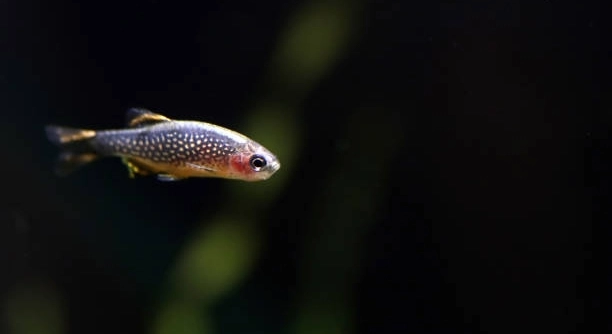
Many aquarists notice their danios looking pale in the early hours of the day. This can be surprising, especially when they appear vibrant later. Observing these subtle changes can help you understand your fish’s daily patterns.
The paleness seen in danios during the morning is primarily caused by low light levels and the fish’s natural circadian rhythm. Reduced light triggers a temporary dulling of colors, which typically brightens as the environment warms and lighting improves.
Monitoring your fish’s color changes can reveal important insights into their health, environment, and daily behavior patterns.
Morning Light and Danio Color
In the early hours, light levels in the tank are usually low. Danios rely on light to show their true colors. When the sun hasn’t fully brightened the room or the tank lights are just on, their colors appear muted. This is completely normal and not a sign of illness. As the light strengthens, the pigments in their skin activate, and their bright stripes return. Some fish are more sensitive than others, and you might notice certain danios taking longer to regain their color. Feeding time can also make a difference. A well-fed danio tends to show stronger colors once active. Temperature and water quality play minor roles here, but light is the main factor. Observing the pattern over several mornings helps you understand when your fish will look their best. Over time, you’ll notice their colors returning consistently as the day progresses.
Low morning light naturally makes danios appear paler until their environment brightens.
Watching how your fish respond to gradual lighting changes gives insight into their daily rhythms. Knowing these patterns helps you create a more comfortable habitat.
Stress and Its Effects on Color
Stress can temporarily make danios look pale.
Stress in fish can come from multiple sources, including sudden temperature changes, aggressive tank mates, or improper water conditions. When a danio feels threatened or uncomfortable, its body reacts by dulling its colors. This is a protective mechanism, making the fish less visible to potential dangers. Even minor changes, such as rearranging decorations or introducing new plants, can trigger short-term stress. Consistently stressed fish may display persistent color changes, but occasional paleness in the morning is often harmless. Monitoring water parameters like pH, ammonia, and nitrite levels is essential to reduce stress. Regular, gentle feeding and a predictable light schedule also help stabilize their appearance. Understanding these patterns ensures that you can distinguish between normal morning paleness and stress-related changes, keeping your tank a healthy and balanced environment. Proper care and observation are key to maintaining the vibrant colors you enjoy throughout the day.
Water Temperature and Color Changes
Cooler water in the morning can make danios appear less colorful.
Danios are cold-blooded, so their body temperature adjusts with the tank. In cooler water, their metabolism slows, and pigments in their skin are less active. As the water warms slightly during the day, their colors naturally return. Sudden temperature drops can exaggerate paleness, so keeping a stable temperature helps maintain their vibrancy. Using a reliable heater and monitoring fluctuations ensures the fish stay comfortable. Morning temperature differences are usually minor, but over time, consistent conditions make a noticeable difference in how bright they look throughout the day.
Even small shifts in water temperature can affect activity levels and color expression.
Maintaining a steady temperature not only preserves vibrant colors but also supports feeding habits and immune function. Danios in stable conditions become more active, feeding eagerly and showing their full stripes. Temperature changes that occur gradually, like morning warming from lights, rarely stress the fish. Sudden swings, however, can trigger temporary color loss or hiding behavior. Using a thermometer and gentle adjustments helps prevent unnecessary stress. Over weeks, stable water makes a visible improvement in both the health and brightness of your danios.
Diet and Color Vibrancy
A balanced diet influences morning color intensity.
Feeding high-quality flakes or frozen foods ensures pigments stay strong. Foods rich in carotenoids and natural color enhancers make danios appear brighter. A lack of nutrients can make them look dull, even if everything else in the tank is fine. Feeding small portions multiple times a day supports both energy and vibrant coloring. Consistency matters, and abrupt changes in diet can temporarily affect their appearance. Supplements for color enhancement are optional but can be helpful for maintaining consistent brightness.
Over time, a nutrient-rich diet produces more noticeable color patterns.
Proper feeding affects more than appearance. Well-fed danios have healthier scales, more energy, and improved immune responses. Morning paleness may still occur, but it will be shorter and less pronounced when nutrition is sufficient. Introducing fresh foods gradually, monitoring acceptance, and adjusting portion sizes all contribute to consistent vibrancy. Observing which foods make your danios’ colors pop allows you to fine-tune their diet. Over weeks, you’ll notice not only brighter mornings but also more active and confident behavior during the day. Consistent nutrition keeps their stripes sharp and their overall health strong.
Tank Lighting Schedule
Danios respond to consistent lighting schedules.
Irregular lighting can make them appear pale or stressed. A timer helps maintain a steady day-night cycle, ensuring colors develop naturally each morning. Gradual light increases mimic sunrise, reducing sudden paleness. Proper lighting also supports feeding and activity patterns, keeping the fish healthy.
Morning Activity Levels
Danios are less active immediately after waking.
Lower activity in the morning naturally dulls their colors. As they swim, forage, and interact, their stripes and body tones return. Encouraging gentle movement, like feeding or tank observation, can help speed up this color recovery.
Water Quality and Color Expression
Poor water quality affects color intensity.
Ammonia, nitrites, or fluctuating pH can stress danios, causing dull colors. Clean, well-filtered water supports both health and vibrancy. Regular testing and partial water changes maintain stability, allowing pigments to develop fully. Observing changes after maintenance helps track which parameters impact color most.
Genetics and Individual Variation
Some danios are naturally paler in the morning.
Genetic differences mean that even in perfect conditions, certain fish show less vibrant colors early in the day. These variations are normal and should not be cause for concern.
FAQ
Why do my danios look pale only in the morning?
Danios often appear paler in the morning due to low light and cooler water. Their natural circadian rhythm slows pigment activity while they are less active. As the lights brighten and water warms slightly, colors return. This morning paleness is usually temporary and not a sign of illness.
Can stress make my danios look pale?
Yes, stress can dull their colors. Changes like new tank mates, rearranged decorations, sudden temperature shifts, or poor water quality can cause temporary paleness. Stress triggers a protective response, making them less visible. Maintaining stable water conditions, regular feeding, and a consistent environment helps reduce stress-related color changes.
Does diet affect color in danios?
Absolutely. Foods rich in carotenoids or natural pigments enhance color intensity. Regular feeding with high-quality flakes, frozen foods, or specialized color-enhancing foods ensures their stripes remain bright. Poor nutrition can make them appear dull, even in perfect tank conditions. Consistent feeding routines support both color and overall health.
Will lighting make a difference in color recovery?
Yes, proper lighting is essential. A consistent day-night schedule with gradual increases in morning light helps colors return naturally. Sudden bright lights can cause stress, while too little light keeps colors muted. Using a timer for lighting helps maintain a predictable environment for your danios.
Does water temperature play a role in morning paleness?
Yes, cooler water slows metabolism, which dulls pigment activity. Even slight drops in morning temperature can make danios look pale. Stable, warm water helps colors return faster. Using a reliable heater and monitoring daily fluctuations keeps the fish comfortable and ensures their natural vibrancy.
How do I know if pale colors are a problem?
Temporary morning paleness is normal, but persistent dullness may indicate illness, stress, or poor nutrition. Watch for other signs like lethargy, clamped fins, loss of appetite, or abnormal swimming. Regular observation and proper tank care help differentiate between normal color changes and health concerns.
Can genetics affect morning color?
Yes, some danios naturally show less intense colors, especially early in the day. Even in ideal conditions, individual variation occurs. Genetics determine stripe brightness and body pigmentation, so paleness in certain fish may simply reflect their natural coloring rather than a problem.
Does activity level influence color appearance?
Morning inactivity can make danios look dull. Colors become more vivid as they swim and feed. Encouraging gentle activity, like observing them or feeding small portions, helps restore vibrancy. Active fish tend to display brighter stripes faster than those remaining still.
How often should I check water quality for color maintenance?
Frequent monitoring is important. Testing ammonia, nitrite, nitrate, and pH at least weekly helps maintain optimal conditions. Partial water changes and proper filtration support both health and color. Stable water parameters prevent stress-related paleness and keep pigments strong over time.
Are there any supplements to improve color?
Optional supplements like carotenoid-rich additives can enhance natural colors. These are not required if the fish already receive a balanced diet. Using them occasionally can help bring out brighter morning colors, especially for species prone to paleness. Consistency in diet and care is more important than frequent supplementation.
Will older danios look paler than younger ones?
Yes, age can affect coloration. Young danios often have more vibrant stripes, while older fish may show slightly duller colors, especially in the morning. This is a natural process, and proper care, diet, and environment help maintain their appearance throughout life.
Can sudden changes in the tank environment cause paleness?
Yes, moving decorations, adding new plants, or changing water parameters can temporarily dull colors. Danios adjust slowly to environmental shifts. Keeping changes gradual and consistent helps reduce stress and allows their colors to return quickly.
Does feeding timing affect morning color?
Yes, danios often regain colors faster after eating. Morning feeding encourages activity, increasing circulation and pigment visibility. Skipping meals or irregular feeding schedules may prolong morning paleness. Regular, small feedings support both energy levels and color intensity throughout the day.
Is morning paleness harmful to danios?
No, temporary paleness in the morning is normal. It reflects natural rhythms and environmental factors. As long as colors return, water quality is stable, and fish remain active, there is no cause for concern. Persistent or severe dullness may need attention.
Can tank mates influence color?
Yes, aggressive or overly active tank mates can stress danios, causing temporary dullness. Choosing compatible species and maintaining ample space reduces tension. Stress-free interactions help maintain vibrant stripes and overall well-being.
How long does morning paleness usually last?
Typically, 30 minutes to an hour after lights turn on. Colors return gradually as light and activity increase. Observing your fish over several mornings establishes a reliable pattern of normal color recovery.
Does lighting intensity affect color throughout the day?
Yes, brighter, consistent light enhances pigment visibility. Too dim or inconsistent lighting keeps colors muted. Gradual changes that mimic natural sunrise improve morning color recovery without stressing the fish.
Should I be concerned if only one fish looks pale?
Not necessarily. Individual variation and minor stress can cause one fish to appear paler than the others. Observe for other symptoms like reduced appetite or unusual behavior to rule out health issues. Often, this is just a natural difference in color expression.
Can stress from water flow affect appearance?
Yes, strong currents or uneven flow can stress danios. Mild, consistent water movement is ideal. Stress from turbulence may temporarily dull colors, especially in the morning. Adjusting pumps and filters for gentle circulation helps maintain natural vibrancy.
Is morning paleness reversible?
Yes, nearly always. As light increases, water warms, and activity resumes, pigments become active again. Proper care, stable water, and nutrition ensure that morning paleness is short-lived and does not impact long-term health.
Final Thoughts
Morning paleness in danios is a natural and common occurrence. Many fish owners notice that their danios look dull or muted when the lights first come on. This is usually caused by low light, cooler water temperatures, and the fish’s natural circadian rhythm. During this time, their body slows down, and pigments are less active, which makes colors appear less vibrant. As the day progresses, water warms slightly, lights brighten, and danios become more active, their colors naturally return. Observing this pattern over several days can help you understand what is normal for your fish and what might require attention. Morning paleness by itself is rarely a sign of a serious problem.
Several factors influence how bright danios appear, and paying attention to these can improve overall color vibrancy. Water temperature is important because cooler water slows metabolism and reduces pigment activity. Stable, slightly warmer temperatures help colors recover quickly. Lighting is another key factor. A consistent day-night cycle with gradual morning light allows their natural colors to develop gradually, avoiding stress from sudden brightness. Nutrition also plays a significant role. Feeding high-quality flakes, frozen foods, or foods rich in carotenoids and natural pigments ensures that danios have the nutrients necessary for vibrant stripes. Irregular feeding or a poor diet can dull their appearance, even if everything else in the tank is ideal. Minor stress from tank changes or aggressive tank mates can also contribute to temporary color loss, but this can usually be corrected by creating a calm, predictable environment.
It’s important to remember that individual variation is normal. Genetics affect how bright each danio appears, and some fish are naturally paler than others, especially in the morning. Temporary paleness should not cause worry as long as the fish remain active, eat well, and show no signs of illness. Keeping a stable tank environment with clean water, proper temperature, a consistent lighting schedule, and a balanced diet will support both their health and color. Observing your fish daily allows you to notice small changes and respond appropriately if issues arise. Over time, these practices help danios display their full colors more reliably, making mornings less surprising and ensuring the fish remain healthy and vibrant.

Hello,
If you enjoy the content that we create, please consider saying a "Thank You!" by leaving a tip.
Every little bit helps us continue crafting quality advice that supports the health, happiness, and well-being of pets around the world, for pets of all shapes, sizes, and species.
We really appreciate the kindness and support that you show us!