
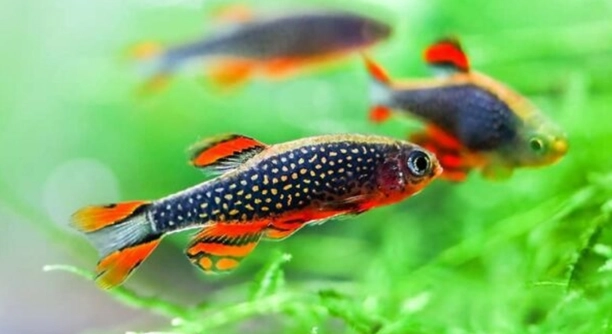
Have you ever noticed tiny scratches or unusual behavior in your Celestial Pearl Danios that make you worry about their wellbeing? These small, delicate fish can sometimes get injured in ways that are not immediately obvious.
In Celestial Pearl Danio tanks, injuries commonly arise from sharp decorations, aggressive tank mates, poor water conditions, overcrowding, improper handling, sudden temperature fluctuations, and inadequate hiding spaces. Each factor can physically or stressfully harm these delicate fish.
Understanding these causes will help you create a safer environment for your fish and maintain a peaceful, healthy aquarium atmosphere.
Sharp Decorations
Sharp decorations in a Celestial Pearl Danio tank may look pretty, but they can easily cause injuries. These fish are small and delicate, and a rough or pointed ornament can scratch their fins or scales. Even small plastic plants with jagged edges or rocks with rough surfaces can harm them during swimming. Fish often dart quickly when startled or when chasing each other, and these sudden movements increase the risk of contact with sharp objects. Regular inspection of tank decor is important. Smooth surfaces, rounded stones, and soft plants are safer alternatives. Avoid decorations with broken pieces or sharp tips. Sometimes, even a small chip in a rock can puncture a fin or leave a lasting mark. Being mindful of your tank’s setup can prevent many unnecessary injuries. Careful selection and arrangement of decorations improve safety and reduce stress for your fish while keeping the tank visually appealing.
Sharp decorations are a common reason for fin tears and scale damage in Danio tanks.
Properly checking and smoothing any rough edges can prevent injuries and maintain a calm, safe environment for all fish in your tank.
Aggressive Tank Mates
Introducing aggressive or larger fish into a Celestial Pearl Danio tank can be dangerous. Danios are small, peaceful fish that do not handle bullying well. Even moderate chasing can stress them, leaving them vulnerable to injury and disease. Aggressive fish often nip at fins, which can cause tears or infections. Over time, repeated attacks may result in permanent damage or make the fish hide constantly, affecting their behavior and feeding. Choosing compatible species is crucial for a healthy aquarium. Observe interactions closely when adding new fish, and separate any individuals showing constant aggression. Tank size also matters; a crowded space intensifies conflicts and gives fish fewer escape options. Providing plenty of hiding spots and plants allows Danios to retreat when needed. Stress from aggression can also weaken the immune system, making injuries harder to heal. Proper planning of tankmates ensures a peaceful community and reduces the risk of injury.
Aggression from tank mates can quickly lead to injury or chronic stress in Danios.
Ensuring species compatibility, monitoring interactions, and designing spaces with plenty of cover help protect your fish and support a calm, healthy tank environment.
Poor Water Conditions
Poor water conditions can quickly harm Celestial Pearl Danios. High ammonia, nitrite, or nitrate levels, as well as incorrect pH or temperature, can weaken their fins and scales, making them more prone to injury. Regular testing and maintenance are essential.
Consistently maintaining clean water is crucial for preventing injuries in Danios. Dirty or unbalanced water irritates their skin and fins, leading to tears or lesions. Sudden changes in water parameters can also shock their systems, making them more likely to injure themselves while swimming. Filtration, partial water changes, and monitoring parameters keep their environment stable and reduce stress. Stress itself increases vulnerability, as fish may swim erratically or hide in unsafe areas. A well-maintained tank minimizes the risk of infections following minor injuries, helping the fish recover faster if they do get hurt. Healthy water supports overall resilience and physical protection.
Even minor lapses in water care can escalate quickly. Uneaten food, decaying plants, or poor filtration can change water chemistry, subtly stressing fish. Over time, this stress weakens their fins, making small scrapes from plants or decorations more serious. Observing water clarity, checking test kits, and sticking to a regular cleaning routine ensures the Danios remain in peak condition. Avoiding large swings in temperature or chemical levels prevents shock and sudden behavior changes that might lead to collisions or scratches. Healthy water is the first line of defense against injury, keeping both the tank and its inhabitants safe and thriving.
Overcrowding
Overcrowding in a tank can increase injuries among Celestial Pearl Danios. Too many fish in a small space cause stress, collisions, and fin nipping. Proper stocking levels are critical.
When a tank is crowded, Danios may constantly swim around each other, leading to accidental scrapes and torn fins. Limited space forces fish to compete for hiding spots and food, raising tension. Overcrowding also increases waste buildup, worsening water conditions and further weakening fish. Each fish needs enough room to move freely, establish small territories, and escape from aggressive interactions. Dense populations reduce oxygen levels and amplify stress, leaving Danios more prone to injuries. Monitoring fish numbers and adjusting the tank size or population ensures a healthier, safer environment.
Providing enough space allows Danios to swim without constant contact and stress. Plants, decorations, and open swimming areas must balance to prevent collisions and maintain natural behavior, supporting overall wellbeing and reducing the risk of injury.
Improper Handling
Improper handling can easily injure Celestial Pearl Danios. Rough nets, sudden movements, or squeezing during transfers can tear fins or stress them severely. Always use gentle techniques and soft nets to protect their delicate bodies.
Handling fish too frequently or carelessly can lead to physical damage and long-term stress. Even a small pinch or abrupt motion can leave lasting marks. Minimizing direct contact ensures the Danios remain healthy and active.
Sudden Temperature Fluctuations
Sudden temperature changes shock Danios, making them prone to injury and stress. Rapid shifts can occur from unheated tanks, drafty locations, or unconditioned water. Maintaining a stable temperature within their preferred range prevents harm and supports proper immune function.
Inadequate Hiding Spaces
A lack of hiding spaces increases stress and risk of injury in Danios. Fish need plants, caves, or decorations to retreat when threatened. Without these options, they may panic, swim erratically, or bump into objects, leading to fin tears or bruising.
FAQ
What are the most common injuries in Celestial Pearl Danios?
The most frequent injuries include torn fins, scale scratches, and minor bruising. These typically happen from sharp decorations, aggressive tank mates, overcrowding, or sudden changes in water conditions. Even small scrapes can lead to infections if not addressed promptly, so careful observation is key.
How can I prevent fin damage in my Danios?
Fin damage is often caused by rough tank surfaces, sharp plants, or aggressive interactions. Using smooth decorations, trimming rough edges, and ensuring compatible tank mates reduces the risk. Providing ample swimming space and gentle handling also prevents unnecessary tearing of fins. Regular monitoring helps spot problems early.
What water parameters are safest for Celestial Pearl Danios?
Danios thrive in temperatures between 22–26°C (72–79°F), with pH around 6.5–7.5. Ammonia and nitrite levels should remain at 0 ppm, and nitrates should be kept under 20 ppm. Consistent water checks and partial changes maintain stability and reduce stress-related injuries.
How do I handle aggressive fish in a community tank?
Aggressive tank mates can injure Danios quickly. Observing behavior, separating aggressive fish, and providing hiding spaces minimizes conflicts. Avoiding larger or naturally aggressive species and introducing new fish gradually ensures a calmer environment. Stress from aggression often leads to accidents or fin nipping.
Can stress cause physical injuries in Danios?
Yes, stress can make Danios swim erratically, collide with objects, or hide in unsafe areas. Chronic stress weakens fins and scales, leaving fish vulnerable to infections or more serious injuries. Stable water, proper stocking levels, and hiding spots help reduce stress.
How often should I check my tank for hazards?
Inspecting the tank weekly is a good habit. Look for sharp edges, damaged decorations, and overcrowding signs. Ensuring clean water and observing fish behavior allows for early correction of potential risks before they cause serious harm.
What should I do if a Danio gets injured?
Separate the injured fish in a quarantine tank if possible. Clean the water, maintain stable temperature, and monitor for infections. Minor scratches often heal on their own, but antifungal or antibacterial treatments may be necessary for deeper wounds. Proper care reduces recovery time.
Is overcrowding a serious risk for injuries?
Yes, too many fish increase collisions, stress, and competition for food or hiding spots. Overcrowding also worsens water quality, which weakens fish physically. Maintaining an appropriate stocking level ensures adequate space and reduces the chance of accidental injuries.
Are decorations more harmful than helpful?
Decorations provide hiding spaces, but rough or sharp ones can cause cuts. Smooth, rounded ornaments, live plants, and soft substrates are safer. Proper placement minimizes accidents and supports natural behavior while still allowing fish to explore and hide when needed.
How important is diet for injury prevention?
A balanced diet strengthens fins and scales, making them more resilient to minor scrapes or bites. Malnourished fish heal slowly and are more vulnerable to infections. Regular feeding with varied, high-quality food supports overall health and reduces injury risks.
Can sudden water changes harm my Danios?
Rapid changes in temperature, pH, or chemical levels can shock Danios, causing erratic swimming or panic. Sudden stress may lead to collisions, fin tears, or bruising. Gradual adjustments and careful water conditioning are necessary for their safety.
How do I create safe hiding spaces?
Use dense plants, caves, or smooth decorations to give Danios places to retreat. Even small territories within the tank reduce panic and aggressive encounters. Rotating or adding new hiding spots occasionally keeps the environment engaging without increasing injury risk.
What signs indicate a fish is stressed or injured?
Look for clamped fins, erratic swimming, hiding excessively, or visible scratches and torn fins. Loss of appetite, color fading, and lethargy can also indicate underlying injuries or stress. Early detection allows for prompt care and minimizes long-term damage.
Can tank mates heal injuries or make them worse?
Most tank mates cannot actively heal injuries. Incompatible or aggressive fish may worsen damage through fin nipping or chasing. Ensuring peaceful species and giving injured fish temporary separation promotes healing and prevents repeated injury.
Is it normal for Danios to bump into decorations sometimes?
Occasional gentle contact is normal, but frequent collisions or scrapes often indicate overcrowding, stress, or poor tank layout. Adjusting space, removing sharp objects, and monitoring fish behavior can prevent minor accidents from becoming serious injuries.
How long does it take for minor injuries to heal?
Small fin tears or scratches may heal within a week or two under stable, clean conditions. More severe wounds require careful monitoring, optimal water quality, and sometimes treatment. Stress-free environments speed recovery and reduce the risk of secondary infections.
Can temperature swings cause long-term injury?
Repeated exposure to temperature extremes can weaken fins and scales over time. Even if fish survive initial shocks, chronic stress leaves them more susceptible to scratches, infections, and slower healing. Consistent heating or cooling systems prevent these problems and support long-term health.
What role does observation play in injury prevention?
Regularly watching fish helps detect early signs of aggression, stress, or injury. Observing swimming patterns, color, and behavior allows adjustments to tank setup, water quality, and stocking levels before injuries occur. Prevention through observation is always easier than treatment.
Are live plants safer than plastic ones?
Live plants are generally softer and safer than rigid plastic ones, which may have sharp edges. They also provide natural hiding spots and improve water quality. However, even live plants should be monitored for broken stems or rough surfaces that could harm delicate fins.
How do I safely introduce new fish to prevent injuries?
Acclimate new fish slowly using drip methods or floating bags to equalize temperature and chemistry. Introduce them during calm periods, observe interactions closely, and provide extra hiding spots. Gradual integration reduces stress and decreases the likelihood of accidental fin nipping or collisions.
Can minor injuries lead to infection?
Yes, even small scratches can become infected in poor water conditions. Bacteria or fungi can enter through damaged fins or scales, causing more serious health issues. Clean, stable water and proper care minimize this risk, and early treatment prevents complications.
How important is quarantine for new or injured fish?
Quarantine prevents spreading disease and allows injured fish to recover safely. Isolating them in a small, clean tank reduces stress, avoids repeated injury, and provides control over feeding and treatment. Quarantine is a simple but effective way to protect all tank inhabitants.
How often should I monitor water quality for injury prevention?
Weekly testing of ammonia, nitrite, nitrate, pH, and temperature is recommended. Sudden spikes or imbalances stress fish and make them more prone to injuries. Maintaining consistent conditions is a key step in keeping Danios healthy and preventing unnecessary harm.
Can hiding spaces reduce aggression-related injuries?
Yes, sufficient hiding spots allow stressed or weaker fish to avoid aggressive encounters. Plants, caves, and decor create micro-territories and escape routes, reducing chasing, fin nipping, and collisions. A well-structured tank decreases stress and supports natural behavior without increasing injury risk.
What is the most effective overall strategy to prevent injuries?
Maintain stable water conditions, provide smooth decorations, limit overcrowding, offer hiding spaces, monitor aggression, handle fish gently, and ensure a balanced diet. Regular observation and early intervention prevent small issues from becoming serious injuries, keeping Celestial Pearl Danios safe and healthy.
Celestial Pearl Danios are small, delicate fish that require careful attention to stay healthy. Their size and peaceful nature make them vulnerable to injuries from their environment, tank mates, or handling. Even minor scratches or torn fins can lead to stress or infections if not addressed promptly. By understanding the common causes of injuries, you can take steps to reduce risks and create a safer habitat. Factors like sharp decorations, poor water quality, overcrowding, aggressive tank mates, and sudden temperature changes are all major contributors to physical harm. Paying attention to these elements and making thoughtful adjustments ensures that your Danios remain active, healthy, and stress-free in their aquarium.
Maintaining a clean, stable environment is one of the most effective ways to prevent injuries. Regular water testing, partial water changes, and careful monitoring of pH, temperature, and ammonia levels keep your tank conditions consistent. Avoiding sudden changes in water chemistry or temperature helps prevent shock, erratic swimming, and accidental collisions. Choosing smooth decorations and rounded ornaments reduces the risk of cuts or scrapes, while providing plenty of hiding spaces allows the fish to escape from potential threats. Controlling population density and selecting peaceful, compatible tank mates further minimizes stress and aggression. Even careful handling is essential; rough nets or sudden movements can easily damage fins and scales. These proactive measures create a stable, safe environment where your Danios can swim freely and interact naturally without the risk of injury.
Observing your fish regularly is just as important as preparing the tank. Watching for changes in behavior, such as clamped fins, hiding more than usual, or erratic swimming, can help you spot early signs of stress or injury. Minor injuries often heal on their own if water conditions are optimal and stress is minimized, but more severe wounds may require quarantine or treatment. A balanced diet strengthens fins and scales, supporting overall resilience and faster recovery. Taking these precautions not only reduces the risk of injury but also enhances the well-being and longevity of your Celestial Pearl Danios. By combining proper tank setup, careful handling, and attentive observation, you can create a safe, peaceful environment where your fish thrive and injuries are minimized.

Hello,
If you enjoy the content that we create, please consider saying a "Thank You!" by leaving a tip.
Every little bit helps us continue crafting quality advice that supports the health, happiness, and well-being of pets around the world, for pets of all shapes, sizes, and species.
We really appreciate the kindness and support that you show us!