
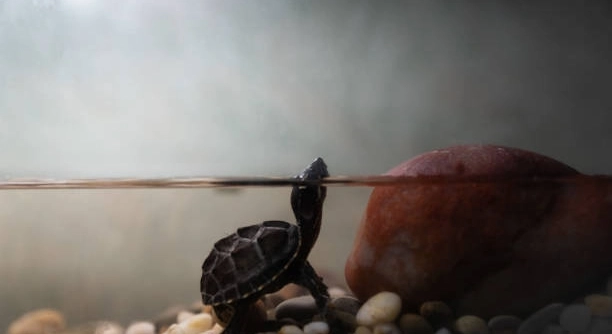
Musk turtles are unique, but sometimes they may not seem interested in mating. Many owners find themselves wondering why their turtles won’t mate despite offering the right environment and care. Understanding the reasons behind this can be crucial.
The main reason why your musk turtles may not be mating could be due to factors such as improper tank conditions, incorrect lighting, or insufficient seasonal cues. It’s important to replicate their natural environment to encourage mating behaviors.
There are several ways to improve your turtles’ chances of mating. Exploring the right habitat conditions and behaviors will give you a better understanding of how to resolve the issue and help your turtles thrive.
Tank Conditions
Musk turtles require a specific environment to feel comfortable and safe. If the tank is too small, overcrowded, or lacks proper hiding spots, they may become stressed and unwilling to mate. The water should be clean and well-maintained, with proper filtration to ensure your turtles feel secure. A suitable basking spot is also important, as turtles need access to heat and UV light to stay healthy. Without these factors, your turtles may not feel relaxed enough to engage in mating behavior.
The tank should also have the correct water temperature and depth for your turtles. Musk turtles are naturally found in shallow waters, so a tank that mimics this habitat will help them feel more at ease.
If your tank setup isn’t right, it may discourage mating. Ensuring your turtles have a well-maintained environment, with enough space and proper conditions, will improve their chances of mating. You may notice changes in their behavior once their habitat is more suitable for them.
Seasonal Cues
Musk turtles breed in response to seasonal changes, so it’s crucial to provide the right cues. Temperature fluctuations and longer daylight hours signal to them that it’s time to mate. If your turtles are kept in a controlled environment, you can adjust the lighting and heating to mimic these changes.
Proper lighting will simulate the natural cycle they experience in the wild. Using a timer to replicate day and night cycles is essential, especially if you live in an area with constant weather conditions. Over time, your turtles will begin to recognize these environmental changes and may start mating when the time is right.
Water Quality
Musk turtles need clean water to thrive, and poor water quality can lead to stress or health issues. The water should be regularly filtered and changed, as buildup of waste can make them uncomfortable. Proper water temperature is also essential; it should stay between 75°F and 80°F.
If the water quality is not up to standard, your turtles might not feel healthy enough to mate. Testing the water regularly for ammonia, nitrites, and nitrates will help ensure the proper levels are maintained. Avoid using harsh chemicals in the tank, as these can be toxic to your turtles.
Maintaining good water quality isn’t just important for mating—it also supports your turtles’ overall well-being. The cleaner and healthier their environment, the more likely they are to engage in natural behaviors like mating. You can improve water quality by adding plants, using a good filtration system, and performing regular water changes. This will reduce stress and promote better breeding chances.
Turtle Behavior
Mating behavior can be quite specific with musk turtles. Male turtles often display courtship behaviors, such as chasing the female, nipping, or offering her food. If you notice your male turtle not displaying these behaviors, it could be due to stress or lack of stimulation.
Sometimes, female turtles might not be ready to mate even if the male shows interest. Age and health status play a role in their readiness. If the female is too young, unhealthy, or stressed, she might not engage in mating behaviors despite the male’s advances.
A key factor in promoting mating is to allow your turtles to interact without interference. However, if they are showing signs of stress or aggression towards each other, separating them temporarily can reduce tension. Once calm, reintroduce them to see if mating behavior resumes.
Temperature Regulation
Musk turtles rely on proper temperature regulation to breed. The water temperature should be consistent and around 75°F to 80°F. If the water is too cold, it can stress them out, making them less likely to mate. Similarly, the basking area should be between 85°F and 90°F.
In addition to water and basking temperatures, ambient room temperature can impact their behavior. If your room is too cold or fluctuates too much, your turtles may not feel secure enough to breed. Consider adjusting heaters or using thermostats to maintain stable temperatures.
Proper temperature control helps promote healthy metabolism, which is crucial for mating success. Without stable temperatures, your turtles may struggle to feel comfortable or reach sexual maturity. Make sure to provide consistent warmth in both water and basking areas, and monitor the conditions regularly to keep them ideal.
Male and Female Balance
Having the right ratio of males to females can make a big difference in mating success. If you have multiple males but only one female, it could lead to stress and competition, which might discourage mating.
A balanced setup gives each turtle enough space and allows for more natural behavior. Too many males can create tension, while an imbalance of females might make them feel overwhelmed. Try to avoid overcrowding your tank, as this can also lead to aggression and disrupt the mating process.
Feeding Schedule
A stable feeding routine can encourage healthy mating behaviors. Turtles should be well-fed but not overfed. Proper nutrition supports reproductive health, and feeding them at regular intervals can help reduce stress.
A diet rich in protein and calcium can encourage your turtles to be healthier and more active. A well-balanced diet can improve their overall condition, and healthy turtles are more likely to engage in mating behaviors.
FAQ
Why won’t my musk turtles mate in a tank?
Musk turtles may refuse to mate in a tank if the environment isn’t suitable. Factors like inadequate space, improper water quality, or incorrect temperature can cause stress and discourage mating. Ensure the tank has clean water, a proper basking area, and temperatures between 75°F-80°F for water and 85°F-90°F for basking. Also, make sure the tank has enough space and hiding spots for the turtles to feel comfortable.
How can I tell if my musk turtles are ready to mate?
When musk turtles are ready to mate, the male usually starts to display courtship behavior. This includes chasing the female, nipping at her, or even waving his front claws in front of her face. If your turtles are of the appropriate age (around 3-5 years), these behaviors may indicate readiness. However, if the female is stressed, too young, or not in the mood, she may ignore the male’s advances.
What should I do if my turtles seem stressed?
Stress in musk turtles can come from overcrowding, poor tank conditions, or aggressive behavior from tankmates. If your turtles seem stressed, you should check the water quality and make sure the tank is appropriately sized for their needs. Providing separate spaces or hiding spots may help reduce tension. If aggressive behavior continues, separate the turtles for a while and reintroduce them later when they are calmer.
Can temperature affect my musk turtles’ mating habits?
Yes, temperature plays a critical role in the mating behavior of musk turtles. If the water temperature is too cold, it can stress your turtles, making them less likely to mate. Aim for a water temperature of 75°F-80°F and a basking temperature of 85°F-90°F. Ensure your room temperature stays stable and within a comfortable range for them to feel secure.
Do I need to provide a nesting area for my musk turtles?
Yes, having a proper nesting area is important for female musk turtles. They need a place to lay eggs once mating occurs. A suitable nesting spot should be dry, safe, and spacious enough for the turtle to dig and lay her eggs. Make sure to provide a substrate like soil or sand that allows her to dig and bury the eggs. If no nesting area is available, she may become stressed and not lay eggs.
How often should I feed my musk turtles to help them mate?
Feeding your musk turtles properly is important for overall health, but overfeeding or underfeeding can interfere with their mating behavior. Feed them at least two to three times a week, offering a mix of protein-rich food (like worms, fish, or insects) and calcium supplements for shell health. A balanced diet helps your turtles stay healthy and ensures they have the energy to mate.
Can my musk turtles mate if they’re kept alone?
While it’s possible for a lone turtle to mate if introduced to a mate, it is generally better to have at least one male and one female for successful breeding. However, the presence of only one turtle won’t guarantee mating, as they need to be healthy, comfortable, and ready to breed. Proper tank conditions, temperature regulation, and seasonal cues all contribute to creating the right environment for mating.
Do musk turtles need specific lighting to breed?
Yes, appropriate lighting is essential for musk turtles, especially for breeding. UVB light is necessary for their health, as it helps them metabolize calcium, which is vital for egg production in females. In addition, using a light timer to simulate natural day-night cycles can help mimic seasonal changes and trigger mating behaviors. Aim for 12-14 hours of light during the day and around 10 hours of darkness at night.
Is it necessary to separate male and female turtles if they don’t mate?
If your turtles aren’t mating, it might help to separate the male and female temporarily. This gives the female a break if she’s feeling stressed or overwhelmed. Male turtles may become persistent and overly aggressive if they are not mating. By separating them, you can give them some space and reintroduce them when they seem calmer. However, avoid keeping them apart for too long, as this could discourage them from mating later.
How can I encourage my musk turtles to mate naturally?
To encourage natural mating, focus on providing the right environment. Ensure the water is clean, at the correct temperature, and has proper filtration. Set up a basking area with appropriate heat and UVB light, and ensure the tank is large enough to give the turtles enough space. Offering a healthy diet, seasonal cues (like lighting), and time for the turtles to interact will also help foster natural mating behaviors.
Are there any health problems that could prevent my musk turtles from mating?
Yes, various health issues can affect your musk turtles’ ability to mate. Infections, parasites, and malnutrition can make them too weak or stressed to breed. Always monitor their overall health, watch for signs of illness (like lack of appetite, abnormal behavior, or shell problems), and make sure they are in a stress-free environment. Regular vet check-ups will help ensure that your turtles are in good health and ready to mate.
Final Thoughts
Getting musk turtles to mate can sometimes be tricky, but understanding their needs is key. The environment plays a big role in whether they feel comfortable enough to breed. A clean, spacious tank with proper lighting, water quality, and temperature is essential for encouraging mating. If your turtles are stressed due to overcrowding or poor conditions, they might not show interest in mating. Providing the right space and care can make a big difference.
Musk turtles are creatures of habit, and sometimes it takes time to see mating behaviors. Male turtles often need to feel secure and relaxed in their environment before they start courtship. The female, on the other hand, might take longer to show interest. It’s also important to ensure they are at the right age and health to breed. A balanced diet, the correct water temperature, and seasonal cues like appropriate light cycles can also trigger mating behavior.
If you’re struggling with mating issues, don’t get discouraged. It may take some trial and error to get everything right. Be patient and adjust the environment as needed. Watch their behavior closely to make sure they are comfortable and healthy. With the right conditions, your musk turtles will likely start to show signs of mating when they’re ready. By paying attention to their needs and maintaining a stable, comfortable environment, you increase the chances of successful mating.

Hello,
If you enjoy the content that we create, please consider saying a "Thank You!" by leaving a tip.
Every little bit helps us continue crafting quality advice that supports the health, happiness, and well-being of pets around the world, for pets of all shapes, sizes, and species.
We really appreciate the kindness and support that you show us!