
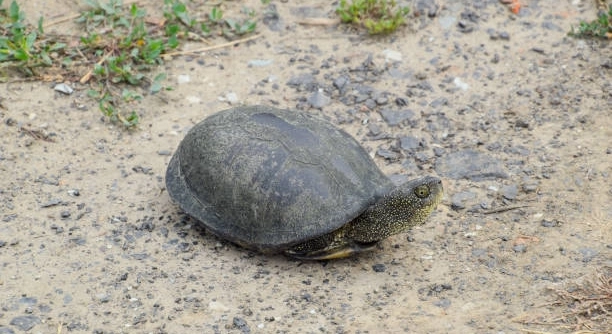
Musk turtles are small, yet fascinating creatures with an important role in the ecosystems they inhabit. Their unique characteristics and behaviors often spark curiosity. However, their conservation is not always widely understood.
Musk turtle conservation focuses on protecting these small aquatic turtles from habitat loss, pollution, and the illegal pet trade. Efforts include preserving wetland environments, enhancing breeding programs, and enforcing regulations to ensure their long-term survival.
As these turtles continue to face challenges, it’s essential to understand how we can help protect them. By exploring the history of musk turtle conservation, we can uncover the key factors that have contributed to their survival efforts.
The Role of Wetland Habitats in Musk Turtle Conservation
Musk turtles rely heavily on wetland habitats for survival. These ecosystems provide them with shelter, food, and the right environment for reproduction. Wetlands are home to aquatic plants, insects, and small fish that make up the musk turtle’s diet. Without these areas, the turtles face difficulty finding adequate resources. Wetlands also offer the turtles a safe space to hide from predators and bask in the sun. As human development continues to encroach on these habitats, wetland destruction becomes a major concern for musk turtle populations. Loss of wetland areas leads to a decline in turtle numbers, making conservation efforts more urgent.
Conserving wetland habitats is essential for musk turtles to thrive. It is necessary to safeguard these areas from further degradation to ensure the species’ survival.
By taking action to protect wetlands, conservationists can provide a safer environment for musk turtles. Restoration projects and policies that prioritize wetland health have been pivotal in reducing habitat loss. In many regions, these efforts are showing positive results, helping stabilize local populations. However, challenges remain. Pollution, invasive species, and climate change continue to threaten these vital ecosystems. Long-term success relies on constant monitoring and the involvement of local communities, who can play a significant role in maintaining wetland health. With proper conservation measures, musk turtles can continue to flourish in their natural habitats.
Efforts to Prevent Illegal Pet Trade
The illegal pet trade poses a significant threat to musk turtle populations. Many of these turtles are captured from the wild and sold in pet stores, which diminishes their numbers in nature.
Efforts to curb this illegal activity have become crucial in protecting musk turtles. Laws have been put in place to regulate the trade of wildlife, and enforcement has increased in many regions. For example, stricter penalties for illegal capture and transport of these turtles are now common. Wildlife protection groups have also been working with local authorities to raise awareness about the harmful effects of capturing wild turtles. Through education, they aim to reduce the demand for wild-caught turtles as pets.
In some areas, initiatives to breed musk turtles in captivity are becoming more successful. These programs ensure that turtles raised in controlled environments are not taken from their natural habitat. By reducing the impact of the pet trade, conservationists can maintain wild populations. While this issue remains a challenge, growing awareness and stricter regulations continue to help limit the illegal trade of musk turtles.
Breeding Programs for Musk Turtles
Breeding programs are key to boosting musk turtle numbers. In captivity, turtles are carefully bred to maintain genetic diversity and strengthen their population.
These programs aim to release healthy, genetically diverse turtles back into the wild. Captive breeding is closely monitored to ensure the turtles are not exposed to diseases or harmful conditions. Additionally, some programs focus on teaching turtles vital survival skills before they are released. These efforts help bolster populations in areas where musk turtles are struggling to thrive in their natural environments.
Successful breeding programs have seen an increase in population numbers. However, releasing captive-bred turtles requires careful planning. Conservationists study the habitats before introducing turtles to ensure the environment is suitable. Releasing too many turtles at once or in unsuitable locations could lead to high mortality rates. The ultimate goal is to have healthy, sustainable populations living in the wild. With continued dedication to these programs, musk turtles can find a more secure place in nature.
Protecting Musk Turtle Hatchlings
Hatchlings face many challenges after emerging from their eggs. Protection during this vulnerable stage is crucial for their survival.
Conservationists focus on protecting nests from predators, pollution, and human interference. In some cases, hatchlings are relocated to safer environments after hatching. Monitoring nests for any disturbances allows experts to ensure the best possible conditions for the young turtles. Reducing human impact during the nesting season is a key part of these protective measures.
Protecting hatchlings from predators like raccoons and birds is vital for keeping them alive long enough to grow into adult turtles. To do this, wildlife teams use fencing or nest covers to prevent predators from reaching the eggs. Many hatchlings don’t make it past their first year, so focused efforts are essential. Through careful monitoring, these young turtles have a better chance of survival, leading to stronger future generations.
The Impact of Pollution on Musk Turtles
Pollution significantly harms musk turtles, especially water pollution. Contaminants such as chemicals, plastics, and sewage negatively affect their health.
Chemicals in the water disrupt the turtles’ ability to breathe and digest food properly. Pollution can also reduce the availability of clean water, which is essential for their survival. Cleaning up water sources is vital for the health of these turtles. Without cleaner water, they face increased risks of disease and malnutrition.
Invasive Species and Their Threats
Invasive species threaten the musk turtle’s natural habitat by outcompeting them for food and space.
Non-native species, such as aggressive fish or predatory animals, can disturb the delicate balance of the ecosystem. This competition makes it difficult for musk turtles to find enough food or safe places to live. In some areas, invasive species may even pose a direct threat to the turtles by preying on their eggs or hatchlings. Conservation efforts focus on managing these invasive species to help protect native wildlife.
FAQ
What is the primary diet of a musk turtle?
Musk turtles are omnivores, which means they eat both plants and animals. Their diet includes aquatic insects, small fish, crustaceans, and various plants. They are known to feed on algae, aquatic vegetation, and even decaying matter. This diet helps keep them healthy and supports their energy needs, especially since they are primarily bottom-dwelling creatures. Their foraging behavior plays a role in maintaining the ecosystem by controlling insect and plant populations in the wetlands they inhabit.
How do musk turtles survive in cold climates?
Musk turtles are capable of surviving in colder environments by hibernating during the winter months. As ectotherms, their body temperature fluctuates with the surrounding environment. When the weather gets cold, they enter a state of brumation, similar to hibernation, where their metabolic rate slows down, and they become inactive. They typically bury themselves in mud or find shelter under rocks, where they can stay protected from the cold. This behavior ensures they conserve energy and survive until the warmer months.
Why are musk turtles sometimes called “stinkpots”?
Musk turtles are often referred to as “stinkpots” because they release a strong, musky odor when threatened. This odor comes from glands near their tail and serves as a defense mechanism to deter predators. The smell is unpleasant to most animals, including humans, making the turtles less appealing to potential threats. This unique trait is where the common name “stinkpot” originates, although it’s just one of the many interesting characteristics of these small turtles.
How long do musk turtles live?
Musk turtles have relatively long lifespans compared to other turtle species. On average, they live between 20 to 30 years in the wild, although some individuals have been known to live even longer in captivity. The longevity of musk turtles is largely due to their slow metabolism and ability to avoid many predators. However, their life expectancy is often impacted by factors like habitat destruction, pollution, and illegal pet trade.
Are musk turtles endangered?
Musk turtles are not currently classified as endangered, but some species are considered vulnerable. The most common species, the Eastern musk turtle (Sternotherus odoratus), is relatively abundant, but populations in certain regions have declined due to habitat destruction and pollution. Conservation efforts are crucial to ensure these turtles continue to thrive, particularly in areas where their habitats are being compromised. Local regulations and active conservation projects are helping protect musk turtle populations.
How can we help conserve musk turtles?
Conserving musk turtles requires a multi-faceted approach. The most important action is protecting their natural habitats, particularly wetlands, from degradation. Supporting local initiatives that clean up water sources and combat pollution can significantly improve the environment for musk turtles. Additionally, advocating against the illegal pet trade helps reduce the capture and sale of wild turtles. Educating the public about the importance of wetlands and the role musk turtles play in maintaining ecological balance is also vital for their conservation.
Do musk turtles make good pets?
While musk turtles can be kept as pets, they require a specific type of care and environment. Their habitat should include both water and land, and they need access to UV light for proper shell development. They are relatively low-maintenance compared to other reptiles but still require attention to water quality and temperature. It’s important to note that taking musk turtles from the wild can harm local populations, so it’s best to adopt one from a reputable breeder. Even as pets, they should be treated with respect and care.
What role do musk turtles play in their ecosystem?
Musk turtles are important to the ecosystems they inhabit. As bottom-dwellers, they help keep the ecosystem balanced by eating algae, aquatic plants, and small invertebrates. This feeding behavior prevents overgrowth of plants and helps maintain the water quality in their habitats. By controlling insect populations, musk turtles indirectly support the health of plant life. Additionally, their presence in the food chain benefits other wildlife, as their eggs and young are a food source for some predators.
How do musk turtles reproduce?
Musk turtles reproduce by laying eggs, typically in the spring or early summer. Female turtles will leave the water to find a suitable nesting site, usually in sandy or loose soil. After laying the eggs, the female will cover them and leave the nest, as the eggs hatch on their own. The incubation period is around 60 to 90 days, depending on environmental conditions. Once the hatchlings emerge, they make their way to the water to begin their lives, although only a small percentage of hatchlings survive to adulthood due to predation and environmental factors.
What threats do musk turtles face in the wild?
Musk turtles face several threats in the wild, with the primary concerns being habitat loss, water pollution, and the illegal pet trade. Wetland destruction due to urban development, agriculture, and climate change makes it difficult for these turtles to find suitable living spaces. Pollution, including chemical runoff and plastic waste, affects their health and food sources. Additionally, the illegal capture of musk turtles for the pet trade further reduces their populations. Conservation efforts must address these threats to ensure the survival of musk turtles.
Final Thoughts
Musk turtles are unique creatures that play an important role in their ecosystems. They contribute to maintaining the balance of aquatic environments by controlling the growth of plants and insect populations. These small turtles are quite resilient, adapting to various challenges in the wild. However, they face increasing threats due to human activities, such as habitat destruction, pollution, and illegal trade. Without proper conservation efforts, their populations could continue to decline. Protecting musk turtles requires a combination of preserving their habitats, enforcing laws against illegal pet trade, and educating the public about their importance.
Conservation efforts for musk turtles have made progress, but there is still much work to be done. Breeding programs, habitat restoration, and anti-poaching laws are essential components of these efforts. By taking steps to protect their wetland habitats and reduce pollution, we can help ensure that musk turtles have the resources they need to thrive. It is also crucial to manage invasive species that may compete with or prey on them. Protecting these turtles requires a long-term commitment to preserving their natural environment and addressing the challenges they face. Local communities, conservationists, and governments must work together to secure the future of musk turtles.
Ultimately, the survival of musk turtles depends on our actions. Small changes, like supporting wildlife conservation programs, advocating for cleaner environments, and making informed choices as pet owners, can make a big difference. By raising awareness about the challenges musk turtles face, we can inspire others to take action as well. Their continued existence is a reminder of the delicate balance in nature and our responsibility to protect the creatures that share our planet. With continued efforts, we can ensure that musk turtles remain a part of our natural world for generations to come.

Hello,
If you enjoy the content that we create, please consider saying a "Thank You!" by leaving a tip.
Every little bit helps us continue crafting quality advice that supports the health, happiness, and well-being of pets around the world, for pets of all shapes, sizes, and species.
We really appreciate the kindness and support that you show us!