
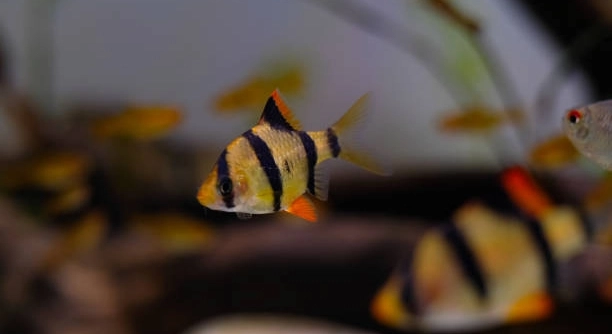
Tiger barbs are popular freshwater fish known for their lively behavior and striking stripes. Observing them swim in tight circles is a common sight among aquarium enthusiasts. This behavior often draws curiosity about what causes such patterns.
Tiger barbs swim in tight circles mainly due to social interactions, territorial disputes, or environmental stressors. These behaviors are natural responses to their habitat, signaling dominance, establishing group hierarchy, or reacting to changes in tank conditions.
Understanding why tiger barbs behave this way helps create a healthier and more balanced environment for them to thrive in. The article explores the reasons behind their unique swimming habits and how to support their well-being.
Why Tiger Barbs Swim in Tight Circles
Tiger barbs often swim in tight circles as part of their natural social behavior. These fish are active and territorial, especially in groups. Circling can signal dominance or be a way to establish hierarchy within the tank. It also helps reduce stress by creating familiar patterns in their environment. Sometimes, tight circling happens when the tank size is too small or when there are too many fish competing for space. This behavior can also occur during feeding time or when they feel threatened. Watching this behavior closely can help identify if the fish are comfortable or if adjustments to the tank are needed to improve their health and wellbeing.
Tight circling is a common behavior caused by social structure and space limitations in the tank.
Making sure your tank provides enough room and hiding spots can reduce circling and create a calmer environment. This helps tiger barbs stay healthier and behave more naturally over time.
Tank Conditions Affecting Tiger Barbs’ Behavior
Tank size and setup have a major impact on how tiger barbs behave. A small or overcrowded tank limits swimming space, leading to increased circling and stress. Proper filtration and clean water reduce discomfort that might cause repetitive swimming. Plants, rocks, and decorations offer hiding places, which lessen territorial disputes. Without enough cover, tiger barbs may swim in tight groups as a defense mechanism. Lighting also plays a role; bright or inconsistent light can make fish nervous and trigger circling. Regular water changes and monitoring water quality keep the environment stable. These conditions together influence how often and how intensely tiger barbs swim in circles, affecting their overall health.
Adjusting tank size, decorations, and water quality helps control unwanted circling.
By creating a well-balanced habitat, you provide tiger barbs with space to explore and reduce stressful behaviors that come from overcrowding or poor conditions.
Social Behavior and Group Dynamics
Tiger barbs are schooling fish that rely on group interactions for safety and comfort. Circling often reflects their social behavior.
In groups, tiger barbs establish a pecking order, which helps maintain peace among them. Swimming in circles is a way to communicate dominance or submission without direct aggression. This behavior keeps the group stable and prevents constant fighting. When the group is too small or unevenly matched in size, circling may increase as they try to establish hierarchy more actively.
The presence of enough tiger barbs is important. Keeping at least six or more reduces stress and the need for constant circling, since they spread out social tension more evenly. This natural rhythm helps them feel secure and behave normally.
Signs of Stress in Tiger Barbs
Circling can also be a sign of stress or discomfort. Changes in water temperature, poor water quality, or sudden loud noises might cause this behavior. Stress affects their health and can lead to illness if not addressed quickly.
If tiger barbs circle tightly and repeatedly, it is important to check water parameters like pH, ammonia, nitrites, and temperature. Maintaining stable and clean water conditions will reduce their stress. Additionally, overcrowding and aggressive tank mates increase anxiety, which also causes circling.
Reducing stress improves their well-being and makes their behavior more natural. Paying close attention to their environment can help you notice problems early and keep your fish happy and healthy.
Feeding Time and Swimming Patterns
Feeding time can trigger tight circling as tiger barbs compete for food. This behavior is natural but may look frantic. It usually settles once all fish are fed.
To reduce stress during feeding, spread food evenly across the tank. This prevents crowding and aggressive chasing that leads to excessive circling.
Impact of Tank Mates on Tiger Barbs
Tank mates influence how tiger barbs behave. Aggressive or slow-moving fish can cause stress, increasing circling. Peaceful, similarly active fish help maintain balance and reduce tension. Compatibility plays a key role in their social behavior and overall comfort.
Creating a Calm Environment
Providing hiding spots and open swimming areas reduces circling. Balanced tank design helps tiger barbs feel secure and less likely to swim in tight groups.
FAQ
Why do tiger barbs swim in circles all the time?
Tiger barbs swim in circles mainly because of their social nature and territorial instincts. Circling helps them communicate dominance or submission within the group. It also occurs when they feel stressed, crowded, or threatened. This behavior can become repetitive if the tank environment is not ideal or if there are too few fish to spread social tension.
Is tight circling harmful to tiger barbs?
Tight circling itself is not harmful, but if it happens excessively, it may indicate stress or poor tank conditions. Constant stress can weaken their immune system, making them prone to illness. Monitoring their behavior and tank setup is important to ensure they remain healthy.
How many tiger barbs should be kept together to avoid circling?
It’s best to keep tiger barbs in groups of six or more. Larger groups help balance social interactions and reduce aggressive circling. When there are too few fish, dominance struggles increase, leading to more frequent and intense circling.
Can tight circling be caused by poor water quality?
Yes, poor water quality is a common cause of stress in tiger barbs, which can lead to tight circling. High ammonia, nitrite, or nitrate levels, incorrect pH, or fluctuating temperatures all contribute to discomfort. Regular water testing and maintenance are key to preventing stress-related behaviors.
Does the size of the tank affect circling behavior?
Tank size plays a big role in tiger barbs’ behavior. Smaller tanks limit swimming space, causing fish to circle tightly as they try to establish territory or escape overcrowding. A tank of at least 30 gallons is recommended for a small group, allowing enough space for natural movement.
Will adding plants or decorations help reduce circling?
Adding plants and decorations provides hiding spots and visual barriers. This helps reduce territorial disputes and stress, which can lower the amount of circling. A well-decorated tank allows tiger barbs to explore and rest away from aggressive peers.
Do tank mates influence tiger barb circling behavior?
Yes, tank mates can increase or decrease circling. Aggressive or slow-moving fish can stress tiger barbs, causing more circling. Compatible, active species create a more peaceful environment that reduces tension and repetitive swimming.
What can I do to calm tiger barbs that swim in circles too much?
To calm tiger barbs, improve water quality, increase tank size if needed, and add plants or hiding spots. Ensure you keep a proper group size to balance social dynamics. Avoid sudden changes in lighting or noise, which can stress the fish further.
Is circling behavior more common during feeding times?
Circling often intensifies during feeding because tiger barbs compete for food. Spreading food evenly across the tank reduces chasing and crowding, helping to calm their behavior. Feeding smaller amounts multiple times a day can also prevent frantic circling.
Can tight circling indicate illness?
Tight circling is usually related to behavior or stress, but in rare cases, it can signal neurological issues or parasites. If circling is accompanied by other symptoms like loss of appetite, lethargy, or unusual swimming patterns, a health check or consultation with an aquatic specialist is advised.
How do I know if tight circling is normal or a problem?
Normal circling is occasional and part of social behavior. If circling becomes constant, intense, or is paired with other signs of stress or illness, it’s a problem. Observing changes in behavior over time and checking tank conditions will help determine if intervention is needed.
Can changing lighting reduce circling behavior?
Yes, consistent and moderate lighting helps keep tiger barbs calm. Sudden changes or overly bright light can cause stress and increase circling. Using a timer to simulate natural day and night cycles creates a stable environment that supports normal behavior.
Does the age or size of tiger barbs affect their circling?
Younger or smaller tiger barbs may circle more as they establish social standing or adjust to their environment. Older, more established fish often show less circling once hierarchy is settled. Group size and tank conditions remain important regardless of age.
Are there specific signs to watch for when circling signals a bigger issue?
Signs like constant frantic swimming, rubbing against objects, pale color, or hiding more than usual can indicate problems. If circling is part of aggressive chasing or leads to injury, it’s a sign the tank setup or group composition needs adjustment.
How often should I monitor my tank to prevent circling issues?
Regular observation is key. Daily quick checks for behavior and weekly water tests help catch problems early. Keeping a routine helps maintain a stable environment, which reduces stress and unwanted circling.
Can diet affect tiger barbs’ behavior?
A balanced diet supports overall health and reduces stress. Poor nutrition can weaken fish and make them more prone to nervous behaviors like excessive circling. Providing varied, high-quality food promotes calmness and vitality.
Tiger barbs swimming in tight circles is a behavior rooted in their natural instincts and social needs. These fish use circling to communicate with one another, establish group order, and cope with their surroundings. While it might seem unusual at first, this behavior is often a sign of how they interact and adjust within their environment. Understanding why tiger barbs swim in tight circles can help you provide better care and create a tank setup that supports their natural habits. Observing their patterns carefully gives insight into their well-being and the overall health of the aquarium.
Several factors influence this circling behavior, including tank size, water quality, social group size, and tank mates. Overcrowding or a small tank restricts their space and increases stress, causing more circling as the fish compete for territory or escape. Water conditions also play a big role. Poor water quality or sudden changes can make tiger barbs feel uncomfortable and lead to repetitive swimming. Keeping the water clean and stable is essential. Additionally, the number of tiger barbs matters. A group of six or more spreads social tension evenly, reducing the need for aggressive circling. Proper tank mates that are calm and compatible also help maintain a peaceful environment.
Creating the right environment for tiger barbs reduces excessive circling and keeps them healthy. Adding plants and hiding spots offers places to rest and reduces conflict. Feeding practices matter too — spreading food evenly and feeding smaller amounts multiple times helps prevent frantic circling during meals. Paying attention to these details improves their comfort and behavior. If circling becomes extreme or is paired with signs of illness, it’s important to check water conditions and tank setup, and consider consulting a specialist. Overall, understanding tiger barbs’ behavior and their needs will help you keep them happy and thriving in your aquarium.

Hello,
If you enjoy the content that we create, please consider saying a "Thank You!" by leaving a tip.
Every little bit helps us continue crafting quality advice that supports the health, happiness, and well-being of pets around the world, for pets of all shapes, sizes, and species.
We really appreciate the kindness and support that you show us!