
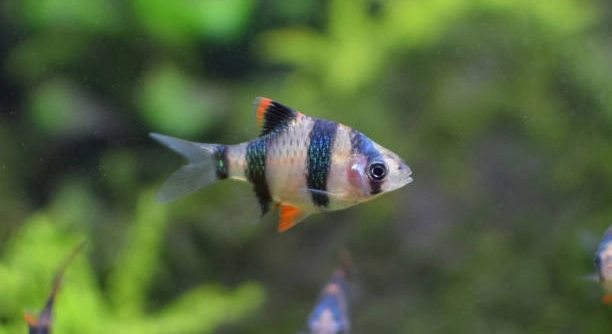
Tiger Barbs are popular aquarium fish known for their vibrant colors and lively behavior. However, many fishkeepers face challenges when trying to breed them successfully. Understanding the reasons behind breeding refusal can help create a better environment for these fish.
Tiger Barbs might refuse to breed due to factors such as poor water quality, incorrect tank conditions, stress from overcrowding or aggression, and lack of proper nutrition. These environmental and biological issues disrupt their natural breeding behaviors and reduce spawning success.
Knowing the common causes of breeding refusal will help you adjust care practices and increase your chances of successfully breeding Tiger Barbs in your home aquarium.
Water Quality and Tank Conditions
Water quality plays a crucial role in the breeding behavior of Tiger Barbs. If the water is not clean or parameters like pH, temperature, and hardness are off, the fish will feel stressed and may refuse to spawn. These fish thrive in slightly acidic to neutral water with temperatures between 75 and 80 degrees Fahrenheit. A stable environment helps reduce stress and encourages natural breeding behaviors. Tank size also matters; overcrowded tanks can increase aggression and reduce breeding chances. Regular water changes and monitoring water parameters can create a healthy habitat that supports spawning. It’s important to avoid sudden changes in water conditions, as Tiger Barbs are sensitive to fluctuations, which can halt their reproductive processes. Keeping the tank well-planted with hiding spots helps reduce stress and mimic their natural environment, further supporting breeding.
Maintaining ideal water quality and stable tank conditions is essential for encouraging Tiger Barbs to breed successfully.
When water quality is poor, ammonia or nitrite levels rise, harming fish health and reproductive ability. Sudden temperature changes disrupt hormone cycles required for spawning. Overcrowding leads to aggression, preventing mating pairs from forming. Providing a spacious, clean tank with stable water parameters creates an environment where Tiger Barbs feel secure enough to breed. Adding plants and smooth decorations offers shelter and surfaces for egg laying. Consistent water changes remove toxins and maintain oxygen levels. Monitoring pH and temperature closely ensures conditions remain suitable. These combined factors increase the likelihood of successful spawning and fry survival.
Stress and Social Behavior
Aggression and stress are common issues affecting Tiger Barb breeding.
Tiger Barbs are naturally active and sometimes aggressive fish, especially males during breeding periods. High stress from fighting or harassment can stop spawning. Aggression often comes from overcrowding or incompatible tank mates. Separating aggressive fish or increasing tank size can help reduce stress levels. Stress weakens the immune system and inhibits breeding behavior. Proper social groupings with a balanced male-to-female ratio also improve breeding success.
Managing social dynamics and minimizing stress is critical for Tiger Barbs to reproduce. Stress caused by aggressive tank mates or competition reduces mating behaviors and overall health. Ensuring enough space and hiding spots allows fish to escape conflicts and rest. Keeping a group of at least six with more females than males balances aggression and supports natural behavior. Observing fish regularly for signs of bullying and acting quickly to remove overly aggressive individuals helps maintain peace. Providing a calm, stable environment encourages the fish to focus energy on reproduction instead of survival. This improves the chances of successful spawning and healthy fry development.
Nutrition and Diet
Proper nutrition is vital for Tiger Barbs to breed. A poor diet weakens their health and reduces spawning interest. Feeding a variety of high-quality foods, including live, frozen, and flakes, provides necessary nutrients.
A diet rich in protein supports egg development and increases energy levels needed for breeding activities. Including foods like brine shrimp, daphnia, and bloodworms mimics their natural feeding habits. Avoid overfeeding, which can pollute the tank and cause health problems. Balanced nutrition helps maintain vibrant colors and overall vitality, both important during courtship displays.
Fish with consistent access to nutritious food show stronger reproductive behaviors. They are more likely to pair up and successfully spawn. Vitamins and minerals also improve egg quality and fry survival rates. Monitoring feeding habits and adjusting diet during breeding periods gives the best chance for Tiger Barbs to reproduce.
Tank Setup and Environment
The tank setup influences breeding success beyond water quality. Plants, substrate, and decorations all affect spawning.
Dense plants provide shelter and safe spots for eggs and fry. Smooth surfaces like broad leaves or flat stones offer ideal places for egg attachment. Avoid sharp or rough decorations that can damage delicate eggs. A calm, quiet environment reduces stress and encourages natural behavior.
Lighting also plays a role. Moderate lighting replicates daylight without stressing the fish. Using a timer to maintain consistent day-night cycles helps regulate breeding patterns. Good filtration with gentle flow keeps water clean but avoids strong currents that could disturb eggs or fry. Thoughtful tank arrangement creates a comfortable space that supports breeding activity.
Spawning Triggers
Certain environmental changes can trigger Tiger Barbs to spawn. These include slight temperature increases and water changes that simulate rainy seasons.
Mimicking natural conditions helps stimulate breeding hormones. Consistent water quality during these changes is essential to avoid stress.
Pair Selection
Successful breeding depends on choosing healthy, compatible pairs. Selecting vibrant, active fish with no signs of illness improves chances.
Pairs showing courtship behavior, such as chasing and fin display, are more likely to spawn. Avoid keeping too many males together to reduce aggression and encourage pairing.
Egg and Fry Care
After spawning, eggs require gentle care. Removing adults from the breeding tank prevents egg predation.
Providing calm water and hiding places helps fry survive. Regular monitoring and feeding appropriate food supports healthy growth.
FAQ
Why are my Tiger Barbs not spawning even though they look healthy?
Sometimes, healthy Tiger Barbs still refuse to breed because their environment isn’t quite right. Factors like subtle water parameter imbalances, lack of proper hiding spots, or stress from tank mates can inhibit spawning. Even if they appear active, these hidden issues can prevent breeding.
How can I improve water conditions to encourage breeding?
Regular water changes and testing for ammonia, nitrites, nitrates, pH, and temperature help maintain ideal conditions. Use a water conditioner to remove chlorine and chloramine. Aim for a stable temperature between 75-80°F and a pH around 6.5 to 7. Keep the tank clean but avoid drastic changes that could stress the fish.
What is the ideal tank size for breeding Tiger Barbs?
A tank of at least 20 gallons is recommended for breeding pairs or small groups. This size reduces aggression and gives space for spawning behaviors. Larger tanks also help maintain stable water quality and allow for proper territory establishment.
How many males and females should be kept together?
A ratio of one male to two or three females helps reduce aggression and competition. Too many males cause stress and fighting, which stops breeding. Having more females balances social dynamics and encourages mating behavior.
What should I feed Tiger Barbs to prepare them for breeding?
Feed a varied diet rich in protein, such as live or frozen bloodworms, brine shrimp, and high-quality flakes or pellets. Avoid overfeeding but ensure they get enough nutrition to build energy for spawning. Supplementing with vitamin-enriched foods can improve egg quality.
Can breeding be triggered artificially?
Yes, mimicking seasonal changes by slightly raising water temperature and performing partial water changes can encourage spawning. Adjusting lighting cycles to simulate longer daylight hours also helps stimulate reproductive hormones.
How do I know if Tiger Barbs have spawned?
Spawning is usually marked by increased chasing and fin displays between males and females. Eggs are often scattered among plants or on flat surfaces. Eggs appear small, translucent, and sticky, often clinging to leaves or substrate.
What do I do with the adults after spawning?
It’s best to remove adults immediately after spawning to prevent them from eating the eggs. Keep the eggs in a separate, calm tank with similar water conditions until they hatch.
How long do Tiger Barb eggs take to hatch?
Eggs typically hatch within 24 to 36 hours. After hatching, fry stay near the bottom or plants while absorbing their yolk sacs for a few days before free swimming.
What is the best way to care for Tiger Barb fry?
Feed fry small, frequent meals of infusoria or specially prepared liquid fry food until they can eat finely crushed flakes or baby brine shrimp. Maintain clean water with gentle filtration to support healthy growth.
Why do Tiger Barbs sometimes eat their eggs?
Egg predation happens when adults are stressed or hungry. It can also occur if there is no separate breeding tank. Removing adults and providing plenty of hiding places for eggs reduces this behavior.
Are Tiger Barbs easy to breed for beginners?
Breeding Tiger Barbs requires attention to detail and patience. While not the hardest species to breed, they do need stable water conditions, proper diet, and reduced stress. Beginners may need to make adjustments based on observation.
What common mistakes prevent successful breeding?
Common issues include overcrowding, poor water quality, aggressive tank mates, inadequate nutrition, and sudden environmental changes. Avoiding these helps create an ideal setting for breeding.
How can aggression affect breeding success?
High aggression causes stress, injury, and prevents courtship behaviors. Keeping a balanced group and providing enough space and hiding spots lowers aggression, allowing breeding behaviors to emerge.
Is it necessary to use a breeding mop or special substrate?
Breeding mops or fine-leaved plants provide secure places for eggs to attach, making it easier to protect and care for them. Using them increases the survival rate of eggs and fry.
Can I breed Tiger Barbs in a community tank?
Breeding in a community tank is difficult because other fish may eat eggs or fry. It’s better to set up a separate breeding tank for better control and higher survival rates.
How often do Tiger Barbs breed?
Under ideal conditions, Tiger Barbs can spawn every few weeks. However, overbreeding can stress the fish, so allowing rest periods between spawning is recommended.
What signs show that Tiger Barb fry are healthy?
Healthy fry are active, have clear eyes, and steadily grow in size. They respond well to feeding and show no signs of deformities or lethargy. Clean water and proper nutrition promote good health.
This FAQ covers common concerns and practical advice to help improve Tiger Barb breeding success. Adjusting care and environment based on these tips can make a significant difference in achieving successful spawning and raising healthy fry.
Breeding Tiger Barbs can be challenging, but understanding the key factors that influence their willingness to spawn makes the process more manageable. The most important elements include maintaining stable water quality, managing stress and social behavior, and providing proper nutrition. Each of these areas plays a crucial role in creating an environment where Tiger Barbs feel comfortable enough to breed. Paying attention to details like tank size, water parameters, and tank mates helps reduce stress and encourages natural reproductive behaviors.
It is also essential to prepare the tank properly with plants, hiding places, and suitable surfaces for egg laying. Small environmental changes, such as adjusting temperature or performing partial water changes, can help simulate natural breeding triggers. Removing adults after spawning protects the eggs and improves fry survival rates. Consistent care and observation allow you to identify and address any issues quickly. While it may take some trial and error, creating the right conditions greatly increases the chances of successful breeding and raising healthy fry.
Remember that patience is key when breeding Tiger Barbs. These fish need a calm and stable environment to feel secure enough to reproduce. By focusing on their basic needs and providing proper care, you can support their natural instincts and enjoy the process of watching new life develop in your aquarium. Taking the time to understand their behavior and requirements will lead to a more rewarding experience as you nurture your Tiger Barbs through their breeding cycle.

Hello,
If you enjoy the content that we create, please consider saying a "Thank You!" by leaving a tip.
Every little bit helps us continue crafting quality advice that supports the health, happiness, and well-being of pets around the world, for pets of all shapes, sizes, and species.
We really appreciate the kindness and support that you show us!