
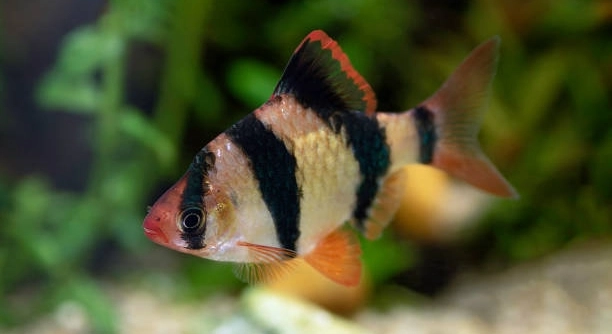
Do your tiger barbs often gather in one corner of the tank, leaving the rest of the space almost untouched and empty?
Tiger barbs may stay in one corner due to stress, poor water conditions, lack of stimulation, or social aggression. These environmental and social factors can affect their movement, comfort, and overall health within the aquarium.
Understanding these behavior patterns can help you make better choices for your tiger barbs’ care, tank setup, and long-term wellbeing.
Common Reasons Behind Corner-Hugging Behavior
Tiger barbs are known for being active and social fish, but sometimes they may isolate themselves in a corner. This behavior often points to discomfort in their environment. Poor water quality, such as high ammonia or low oxygen levels, can make them seek a quieter space. Stress is another factor—whether it’s from overcrowding, tank mates, or sudden changes in temperature. They may also stay still when they’re unwell or feeling threatened. These fish thrive in groups, but aggressive interactions within the school can lead to one or more staying away from the others. Tank setup also matters. A tank without enough hiding spots or open swimming space may cause nervous behavior. If your tiger barbs are staying in a corner, it’s likely they’re reacting to something in their environment. Observing them closely and checking the tank conditions can help you identify what might be wrong and how to fix it.
Lack of stimulation can also affect their behavior. A plain tank with little movement or variety often makes fish less active.
Keeping the tank lively with decorations, plants, and a consistent routine can help encourage better movement and interaction among your fish. Small changes may have a noticeable impact.
Fixes That Help Tiger Barbs Feel Safer
A well-planned tank setup can help tiger barbs feel more secure. Starting with a group of at least six is important because they are schooling fish. A larger group helps spread out aggression and makes them feel more comfortable. Avoid keeping them with slow or long-finned tank mates, as tiger barbs can become nippy. Water quality should be stable—check pH, ammonia, nitrite, and nitrate levels regularly. The temperature should stay between 74°F and 79°F. A planted tank with both open swimming areas and hiding spots is ideal. Add caves, driftwood, or tall plants to provide shelter. Also, make sure there’s some current in the tank, as these fish enjoy a bit of water movement. Feeding a balanced diet and sticking to a schedule helps keep stress low. Avoid sudden changes in lighting or loud noise around the tank. All of these small steps can make your tiger barbs more active and social again.
Other Signs of Stress to Watch For
Besides corner-hugging, stressed tiger barbs may show faded colors, torn fins, or loss of appetite. Erratic swimming, hiding more often, or chasing other fish can also be signs that something isn’t right in their environment or social group.
Paying attention to how your tiger barbs interact with each other can reveal a lot. If one fish is constantly picked on or chased, it could be a target of bullying within the group. On the other hand, a fish that’s too quiet and stays alone might be sick or stressed from water conditions. Frequent hiding, clamped fins, and low energy levels are also signs of discomfort. Make sure to check water parameters often and look for sudden behavior changes. Regular observation helps you catch small problems early, before they grow into bigger ones that affect the whole tank.
Sometimes, stress isn’t obvious at first. A fish might eat and swim normally but still avoid the group or show dull coloring. This kind of low-level stress can build up over time, especially if the tank setup isn’t meeting their needs. Small things like low oxygen or poor lighting can add up. Watching for these subtle changes and staying consistent with care makes a difference.
Creating the Right Group Dynamic
Keeping tiger barbs in the right group size helps reduce stress. A group of six or more spreads out aggressive behavior. If there are too few, the fish may fight more or become shy and withdrawn, leading to odd swimming patterns.
When tiger barbs are kept in small numbers, one or two might take control of the group and bully the others. This can cause ongoing tension, injuries, or make some fish hide constantly. A larger group helps balance the energy and keeps everyone active. If possible, try to add new tiger barbs in even numbers to avoid pairing off. Avoid mixing them with overly calm or slow-moving fish, as tiger barbs may chase them. Watching the group for a few days after adding new members helps you catch any signs of fighting early. A strong group dynamic builds confidence in each fish and leads to healthier, more relaxed behavior overall.
Environmental Tweaks That Make a Difference
Adding tall plants, driftwood, or caves gives tiger barbs a place to retreat when they feel overwhelmed. This helps lower stress and keeps them from isolating themselves in one corner all the time.
Using a darker substrate and a calm background can also help them feel more secure. Bright surroundings may make them nervous.
What to Avoid in Their Tank
Avoid pairing tiger barbs with slow or long-finned fish like bettas or angelfish. Tiger barbs are fast swimmers and may nip at fins, creating tension in the tank. Also avoid tanks that are too small—anything under 20 gallons can make them feel crowded and stressed. Overcrowding leads to aggressive behavior and reduced water quality. Avoid sudden water changes or temperature drops, as these shifts can make tiger barbs uneasy and disrupt their behavior. Strong, flickering lights should be avoided too. Keeping their environment steady and suitable for their needs will help them stay active and relaxed.
Final Thought Before Troubleshooting Further
If changes don’t help and the behavior continues, it might be time to rule out illness or internal parasites. A vet or aquatic specialist can help.
FAQ
Why do tiger barbs stay in one corner of the tank?
Tiger barbs often stay in one corner when they feel stressed, scared, or uncomfortable. Poor water quality, overcrowding, or aggressive tank mates can cause this behavior. Sometimes they hide in corners to avoid conflict or because the tank lacks enough hiding spots and plants for them to feel safe.
Can poor water conditions cause tiger barbs to isolate themselves?
Yes, poor water conditions like high ammonia, nitrite, or nitrate levels can cause stress and sickness in tiger barbs. When water quality is bad, fish become less active and seek quiet spots to rest. Regular water testing and proper tank maintenance are essential to prevent this.
How many tiger barbs should I keep together?
It’s best to keep tiger barbs in groups of at least six. This helps reduce aggression because the fish spread out their energy and bullying is less likely. Smaller groups can lead to fights and stressed fish isolating themselves in the tank.
What tank size is suitable for tiger barbs?
A tank of at least 20 gallons is recommended for tiger barbs. They are active swimmers and need space to move freely. Smaller tanks can cause overcrowding and stress, leading to odd behavior like staying in corners.
Can tank mates affect tiger barb behavior?
Yes, tank mates play a big role in their behavior. Tiger barbs may nip at slow or long-finned fish, which causes tension. Keeping them with fast, robust fish of similar size helps reduce stress. Avoid aggressive or very passive species that may upset the balance.
How can I improve my tank environment for tiger barbs?
Adding plants, caves, and driftwood creates hiding spots and breaks up the tank space. This lets tiger barbs feel safer and less likely to stay isolated. Using a dark substrate and dim lighting also helps reduce stress.
Is aggressive behavior normal in tiger barbs?
Tiger barbs naturally show some aggression, especially when kept in small groups. This is normal but can become harmful if the group is too small or the tank is overcrowded. Keeping enough fish and providing a proper environment lowers aggression.
What signs show that a tiger barb is sick?
Signs of illness include faded colors, torn fins, loss of appetite, clamped fins, and lethargy. Sick fish may isolate themselves and stop swimming actively. Early detection is important to treat health issues before they worsen.
Can changing the water temperature affect their behavior?
Sudden changes in water temperature can stress tiger barbs and cause unusual behavior like hiding or staying still. Keep the temperature stable between 74°F and 79°F for best results. Use a reliable heater and monitor regularly.
Should I feed tiger barbs differently if they stay in one corner?
Feeding should remain consistent even if they are less active. Sometimes stressed fish eat less, but it’s important not to overfeed or underfeed. Provide a balanced diet with quality flakes, pellets, and occasional live or frozen foods.
When should I consult a vet or specialist?
If your tiger barbs continue to hide despite good tank conditions and proper care, or if you notice signs of illness, it’s time to get expert help. A vet or aquatic specialist can diagnose and treat diseases or parasites that might cause this behavior.
Can tank lighting affect tiger barb activity?
Bright or flickering lights can make tiger barbs nervous, causing them to hide. Using moderate, stable lighting with periods of darkness helps mimic their natural environment and encourages normal swimming and social behavior.
Is it normal for tiger barbs to sometimes stay still?
Yes, tiger barbs do rest and sometimes stay still. However, if this behavior happens frequently or in a corner for long periods, it can indicate stress or illness. Regular observation helps distinguish normal rest from concerning behavior.
What is the role of plants in reducing stress for tiger barbs?
Plants provide shelter and reduce open spaces that may feel unsafe. They break line of sight, lowering aggression among fish. Live plants also improve water quality by absorbing nitrates, making the tank healthier for everyone.
How often should I test my tank water?
Testing water weekly is ideal. This helps catch issues like ammonia spikes or pH changes early, which can stress fish. Keeping water parameters stable is one of the easiest ways to ensure your tiger barbs stay happy and active.
Tiger barbs staying in one corner of the tank is usually a sign that something in their environment is not quite right. It could be stress, poor water quality, or social issues within their group. Understanding why they behave this way helps in making better choices for their care. Watching your fish regularly gives you clues about what they might need, whether it is more space, better water, or a more balanced group. Keeping the tank clean and stable goes a long way in keeping them comfortable and active.
Making sure tiger barbs have enough room and the right company is very important. These fish are social and do best in groups of six or more. Too few fish or wrong tank mates can cause stress and aggression, leading some fish to hide in corners. Adding plants, caves, and other decorations gives them places to feel safe. A well-planned tank setup not only reduces stress but also encourages natural behavior, such as swimming freely and interacting with other fish. Small adjustments to the tank environment often bring big improvements.
If your tiger barbs still spend a lot of time in one corner after you improve their tank conditions, it might mean they are unwell. Signs like loss of appetite, faded color, or torn fins could mean illness or parasites. In that case, consulting an aquatic specialist or vet is the best step. Regular care, attention, and a stable environment will help your tiger barbs thrive. Keeping an eye on their behavior and making changes as needed ensures they stay happy and healthy in your aquarium.

Hello,
If you enjoy the content that we create, please consider saying a "Thank You!" by leaving a tip.
Every little bit helps us continue crafting quality advice that supports the health, happiness, and well-being of pets around the world, for pets of all shapes, sizes, and species.
We really appreciate the kindness and support that you show us!