
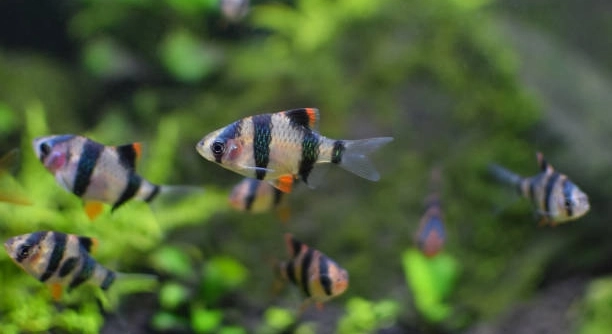
Barbs are popular freshwater fish known for their active nature and bright colors. Many aquarium owners enjoy watching their barbs interact with their environment. However, sometimes barbs may react differently to tank decorations or equipment.
When a barb dislikes the filter, it may show signs such as avoiding the area near the filter, displaying increased stress behaviors, hiding frequently, or appearing restless. These behaviors indicate discomfort caused by water flow, noise, or changes in the tank environment.
Recognizing these signs early can help maintain a healthy and comfortable habitat for your barb. Understanding your fish’s behavior leads to better care and a more enjoyable aquarium experience.
Signs Your Barb Avoids the Filter Area
Barbs often avoid the area near the filter if they find it uncomfortable. You might notice your fish swimming quickly away when passing by the filter or rarely spending time there. Some barbs hide more often behind plants or decorations close to the filter instead of exploring the tank freely. This behavior can be due to strong water currents or loud noises produced by the filter. Barbs prefer moderate water flow, so a strong or inconsistent current can make them anxious. If the filter creates too much disturbance, it disrupts their natural swimming patterns. Paying attention to where your barb spends most of its time can reveal if the filter is causing stress. This helps you adjust the tank setup to improve your fish’s comfort and overall health.
Avoidance of the filter area is a clear indication of discomfort in barbs.
Carefully observing your barb’s behavior around the filter is important. Reducing water flow or changing filter placement can make a big difference. Adjusting filter output to a gentler flow helps barbs feel safe and reduces stress. Adding plants or decorations around the filter can also buffer the current, giving your fish places to rest. If noise is a problem, cleaning or maintaining the filter can lower sound levels. By making these small changes, your barb will likely become more relaxed and active throughout the tank. This leads to a healthier, happier fish that enjoys its environment without constant stress. Monitoring behavior regularly ensures you catch problems early and maintain a balanced aquarium.
Increased Stress and Restlessness
Barbs show increased stress when they constantly dart around or act restless near the filter. This behavior often means they are uncomfortable with the water movement or noise created by the filter. Stress in fish can weaken their immune system and make them more prone to disease. You might also notice your barb losing its bright colors or refusing to eat properly. Restlessness includes swimming erratically or frequently changing locations without settling. These signs suggest the filter environment is not ideal for your fish. Making the tank more suitable by adjusting water flow or adding hiding spots can reduce stress levels. Ensuring the filter is quiet and gentle improves the overall well-being of your barb. These adjustments help create a calm space where your fish can thrive.
When barbs feel stressed by the filter, their behavior and health suffer noticeably.
Stress responses often come from too strong a water current or constant noise near the filter. Barbs are naturally active but need areas of calm water to rest. If the filter flow is too powerful, fish expend more energy fighting the current, leading to exhaustion. Stress can cause loss of appetite, making recovery difficult. To help, try using a sponge or diffuser to soften the water flow. You can also place decorations that block direct currents without restricting movement. Quieting the filter through maintenance reduces noise that startles the fish. Observing these changes carefully will let you know if your adjustments are effective. Maintaining a stable environment promotes your barb’s long-term health and keeps their behavior normal. A calm fish is more likely to eat well and grow strong, which benefits the whole aquarium system.
Hiding More Than Usual
When a barb hides frequently, especially near the filter, it often shows discomfort. Excessive hiding suggests the fish is stressed by the filter’s flow or noise.
Barbs need safe spaces but should still explore the tank. If your fish spends most of its time hidden, the filter may be too strong or noisy. This constant stress affects their behavior and health, reducing activity and appetite. Adjusting the filter output or adding plants can create calmer zones. These changes encourage your barb to swim more openly and reduce hiding. Regularly checking hiding patterns helps you respond before stress worsens.
Plants and decorations placed around the filter help soften water movement, providing your barb with secure spots. These buffers create calm pockets where the fish can rest. When hiding decreases, your barb’s confidence and activity improve. A balanced environment means less stress and healthier fish, so managing hiding behavior is important for their wellbeing.
Changes in Breathing and Movement
Rapid or heavy breathing near the filter can indicate stress from water flow or poor oxygen circulation. This affects the barb’s comfort and health.
Barbs showing abnormal breathing often struggle with water conditions influenced by the filter. Strong currents or turbulence can cause exhaustion and difficulty maintaining steady movement. Poorly adjusted filters may reduce oxygen levels in some areas, forcing fish to work harder to breathe. Observing breathing patterns can reveal if the filter setup needs improvement. To help, reduce flow strength or increase aeration to maintain healthy oxygen levels.
Slow, erratic, or frantic swimming near the filter signals discomfort. Your barb might be trying to escape strong currents or avoid noisy areas. These behaviors affect feeding and increase stress risks. By making the filter environment gentler and quieter, you improve your fish’s movement and breathing. Proper filter care supports natural swimming patterns and reduces signs of distress, leading to a more stable aquarium.
Loss of Appetite
A barb that avoids the filter may stop eating well. Stress from strong currents or noise often causes this.
Reduced appetite weakens the fish and slows growth. Adjusting the filter to a gentler flow helps restore normal feeding habits.
Frequent Flashing or Scratching
Flashing, or rubbing against tank surfaces, often indicates irritation caused by poor water flow near the filter. This behavior may also signal parasites or discomfort from turbulence.
Careful observation and filter adjustments can reduce these issues and improve your barb’s comfort.
Color Fading
A barb that dislikes its filter may lose some of its vibrant colors. Stress and discomfort cause duller appearance and lower energy levels.
Bright colors usually mean healthy, relaxed fish. Maintaining proper water flow and reducing filter noise helps your barb regain its natural look.
FAQ
How can I tell if my barb really dislikes the filter or if it’s just normal behavior?
Barbs naturally explore their tank, but if you notice repeated avoidance of the filter area, increased hiding, restlessness, or changes in breathing, it usually means the filter is causing discomfort. Normal behavior includes occasional passing near the filter without signs of stress or fleeing quickly. Watch for consistent patterns over several days to decide if the filter is an issue.
What adjustments can I make to reduce stress caused by the filter?
Start by lowering the filter’s flow rate to create gentler water movement. If your filter has adjustable settings, use them to slow the current. Adding plants or decorations around the filter helps break up the flow, giving your barb calm places to rest. Regular cleaning and maintenance reduce noise that can stress fish. Placing a sponge or diffuser on the filter output can also soften strong currents.
Is filter noise a common reason barbs avoid the filter?
Yes, barbs can be sensitive to loud or vibrating noises from a poorly maintained or powerful filter. The noise can cause stress, leading the fish to stay away. Ensuring your filter is clean and running smoothly will help reduce noise levels. If the noise continues, consider upgrading to a quieter model or relocating the filter output.
Can a strong filter current physically harm my barb?
Strong currents do not usually cause physical injury but can exhaust the fish by forcing it to swim harder constantly. Over time, this stress weakens their immune system and increases the risk of illness. Creating a balanced flow is essential to keep barbs active but not overexerted.
How do I know if my barb’s health is affected by the filter?
Look for signs like loss of appetite, faded colors, frequent hiding, rapid breathing, or unusual swimming patterns near the filter. These symptoms often show stress or discomfort related to the tank environment. Regularly monitoring your fish’s behavior and physical condition helps catch problems early.
Should I move the filter if my barb dislikes it?
Moving the filter can help if it reduces strong currents or noise in critical areas where your barb spends time. Try different locations in the tank to find a spot where the flow is gentler and less disruptive. Be careful not to place the filter where water circulation is too weak, as proper filtration is necessary for tank health.
Are there filter types better suited for barbs?
Filters that offer adjustable flow rates or gentle sponge filters are usually better for barbs. These provide sufficient filtration while minimizing strong currents and noise. Power filters with strong outputs may be too harsh unless modified with diffusers or flow restrictors. Choosing a filter designed for smaller or delicate fish helps create a comfortable environment.
Can water quality issues caused by the filter affect my barb’s behavior?
Yes, if the filter is not functioning properly or is clogged, water quality can decline. Poor water conditions cause stress, affecting behavior and health. Regular cleaning and proper filter maintenance are necessary to maintain clear, oxygen-rich water. Healthy water encourages natural barb activity and reduces signs of discomfort.
What immediate steps can I take if I notice my barb is stressed near the filter?
Reduce the filter flow or turn it off temporarily while observing your fish’s behavior. Add hiding places or plants near the filter to offer shelter. Check the filter for blockages or damage that may increase noise or flow. Small adjustments often help quickly improve your barb’s comfort.
How long does it take for a barb to adjust after filter changes?
Adjustment time varies, but most barbs start showing signs of comfort within a few days of improved conditions. Increased activity, reduced hiding, and normal feeding usually return within one week. Continue monitoring to ensure lasting improvement and make further changes if needed.
Final Thoughts
Understanding your barb’s behavior around the filter is important for maintaining a healthy aquarium. Barbs may show signs of discomfort like avoiding the filter area, hiding frequently, or acting restless. These behaviors usually mean the filter’s water flow or noise is causing stress. Paying close attention to these signs helps you identify problems early and make changes that improve your fish’s environment. Creating a calm and balanced tank supports your barb’s well-being and encourages natural behavior.
Adjusting the filter is often the simplest solution to help your barb feel more comfortable. Lowering the water flow, adding decorations to soften currents, and maintaining the filter regularly can reduce noise and turbulence. These small changes make a big difference in reducing stress and improving your fish’s health. A well-functioning filter provides clean water without disturbing your barb. It is important to find the right balance between effective filtration and a gentle environment. Monitoring your barb’s reaction after adjustments will guide you in maintaining this balance.
Remember, every fish and tank setup is different. What works for one barb may need some tweaking for another. Regular observation and care ensure your fish stays healthy and happy. Keeping the filter environment suitable is part of responsible fishkeeping. When barbs feel safe and relaxed, they show their best colors and behaviors. Taking time to adjust and monitor the filter will make your aquarium more enjoyable for both you and your fish.

Hello,
If you enjoy the content that we create, please consider saying a "Thank You!" by leaving a tip.
Every little bit helps us continue crafting quality advice that supports the health, happiness, and well-being of pets around the world, for pets of all shapes, sizes, and species.
We really appreciate the kindness and support that you show us!