
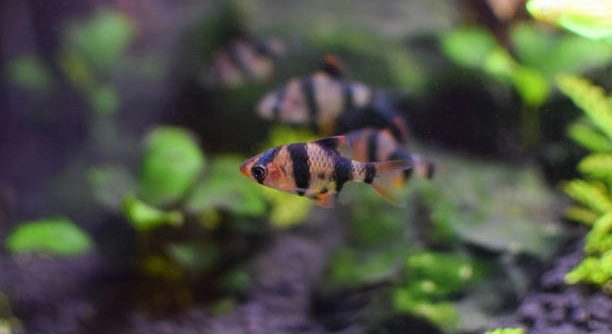
Do your tiger barbs sometimes race toward the glass like they’re in a hurry to get somewhere? It can look sudden and even a little alarming, especially when it keeps happening over and over again.
Tiger barbs may ram into the glass due to stress, territorial behavior, or distorted reflections. These actions can be triggered by poor tank conditions, overcrowding, or a lack of environmental enrichment, all of which affect the fish’s behavior.
Learning what’s behind this habit can help you create a safer, calmer space for your tiger barbs—and improve their overall quality of life.
Why Your Tiger Barb Might Be Acting This Way
Glass ramming in tiger barbs can be caused by a mix of stress, confusion, and environmental factors. These fish are naturally active and territorial, so when their surroundings aren’t right, their behavior changes. A common reason is seeing their own reflection. The glass can act like a mirror, and the barb may mistake its reflection for another fish, triggering aggression. Poor water quality, sudden lighting changes, and a lack of cover or hiding spots can also make them feel uneasy. Overcrowded tanks increase stress and tension, especially if the fish don’t have enough room to establish their space. These behaviors are not always harmful at first, but over time they can affect the barb’s health. Rammed snouts, exhaustion, and constant anxiety can lead to other problems. Paying close attention to their environment can help stop this behavior early and keep your fish calm and healthy.
Avoiding these situations takes small adjustments and some awareness.
If you notice repeated glass-rushing behavior, the first step is checking for anything that might be causing confusion or stress. Keep lighting gentle and natural, and make sure the tank has enough plants, driftwood, or décor to break up open spaces. This reduces reflections and gives the fish a sense of security. Test your water regularly to make sure all the parameters are within safe ranges for tiger barbs. They do best in clean, slightly acidic water with consistent temperatures. If your tank is too full, consider moving some fish to a different space. Tiger barbs need room to swim and form stable groups. A minimum of six tiger barbs is ideal to keep their social structure balanced. When they don’t have enough company, they may become aggressive or act out. With a few changes, you’ll likely see less glass charging and more relaxed swimming from your fish.
How to Help Prevent Glass Ramming
Creating a calm space is the first way to lower stress in tiger barbs.
Use a dark background on the tank to reduce reflections and help your barbs feel more comfortable. Reflections often confuse them, leading to unwanted behaviors. Plants and decorations help break up those reflections and offer hiding spots.
Also, pay attention to the tank’s placement in your home. If it’s near constant motion, like hallways or TVs, that might make your barbs uneasy. Choose a quieter spot away from high foot traffic. Keeping a stable light schedule helps, too—sudden shifts from bright to dark can startle them. When adding new tank mates, make sure they’re peaceful and not too large or aggressive. Tiger barbs do best with fish that match their energy. Monitor their behavior after any change, whether it’s decor, lighting, or fish. If glass ramming continues even after adjustments, consider moving the tank slightly or blocking parts of the glass with décor or paper temporarily to reduce visual stress.
Other Common Triggers to Watch For
Changes in water temperature can stress tiger barbs and lead to glass ramming. Even a few degrees too high or too low can affect their comfort. Always aim for a stable range between 74°F and 79°F to keep them calm and active.
Another factor is boredom. Tiger barbs are energetic and need mental stimulation. A plain tank with little variety can lead to pacing, ramming, or chasing other fish. Adding different types of plants, tunnels, and safe objects can keep their attention and reduce stress. Rearranging tank décor once in a while can also help. Avoid loud noises or tapping on the glass, which can startle them and make them feel unsafe. If the room is too busy, use a background or partial tank cover to give them a break. Observing them closely after any change helps spot problems early.
Diet can play a role, too. Tiger barbs need a balanced, varied diet to stay healthy. If they don’t get enough nutrients, it may affect their energy or make them more irritable. Offer a mix of high-quality flakes or pellets along with frozen or live treats like brine shrimp or bloodworms. Feeding the same thing every day can bore them or lead to deficiencies. Uneaten food should be removed quickly to avoid poor water quality. Feeding them in small amounts two to three times a day is better than one big feeding. A healthy fish is more likely to behave normally and respond better to changes around them.
Signs the Behavior Is Getting Worse
Increased aggression toward tank mates can be a sign that glass ramming is becoming a bigger issue. If your tiger barb starts nipping more or chasing constantly, it may be stressed and overstimulated.
Another warning sign is physical damage. A tiger barb that continues to ram the glass might develop injuries on its mouth or snout. You may also notice a drop in appetite, increased hiding, or erratic swimming patterns. These behaviors often point to ongoing stress, which could affect their immune system. If left unchecked, constant stress may lead to illness or even early death. Checking on your fish daily and watching for new behaviors helps you catch problems sooner. Always make small changes one at a time, and give your fish time to adjust. If things don’t improve, you may want to consult with a vet who specializes in fish or ask for advice at a trusted aquarium shop.
When to Step In and Make Changes
If your tiger barb is ramming the glass multiple times a day, it’s time to act. Even if there are no injuries yet, repeated behavior means something in their environment needs adjustment before it leads to health issues.
Watch for other signs like rapid breathing, darting, or sudden aggression. These usually mean the fish is uncomfortable or overstimulated. The sooner you make changes, the better the chance your fish will settle down and return to normal behavior.
How to Create a Safer Tank Setup
Start by checking the tank’s layout and lighting. Use plants and decorations to break up open spaces and reduce reflections. A background can also help cut down on visual stress. Make sure the tank isn’t placed where there’s constant movement or sudden light changes. Stick to a soft, consistent light schedule. Avoid overcrowding and keep at least six tiger barbs together so they feel secure. Always monitor water quality and temperature. Even small changes in those areas can trigger stress. A stable, enriching setup helps your tiger barb feel safe, reduces unwanted behavior, and supports long-term health.
A Calm Tank Means a Calm Fish
Once your tank setup feels more balanced, your tiger barb is likely to calm down. Keep observing them and make small changes only when needed.
FAQ
Why do tiger barbs ram into the glass?
Tiger barbs may ram into the glass because they see their reflection and mistake it for another fish. This triggers territorial or aggressive behavior. Stress from overcrowding, poor water quality, or a lack of hiding spots can also make them act this way. Environmental confusion and sudden changes increase this behavior.
Is glass ramming harmful to tiger barbs?
Repeated glass ramming can cause physical injuries like bruises or damage to their mouths and snouts. It can also stress the fish, weakening their immune system and making them more prone to illness. Early intervention helps prevent these problems.
How can I reduce reflections in my tank?
Adding plants, decorations, and a dark or solid background helps reduce reflections. Placing objects inside the tank that break up open spaces lowers the chance your tiger barbs will see their reflection and feel threatened.
Can lighting affect tiger barb behavior?
Yes. Sudden changes in lighting or very bright lights can stress tiger barbs. Use soft, consistent lighting and avoid turning lights on and off abruptly. A regular light schedule mimics their natural environment and keeps them calm.
How many tiger barbs should I keep together?
It’s best to keep at least six tiger barbs together. They are social fish that need company to feel secure. A proper group size helps spread out aggression and reduces stress, leading to fewer glass-ramming incidents.
What water conditions do tiger barbs prefer?
Tiger barbs thrive in clean water with a temperature between 74°F and 79°F. The water should be slightly acidic to neutral, with a pH around 6.5 to 7.0. Regular water changes and testing keep conditions stable, which lowers stress.
Can diet affect glass ramming behavior?
Yes. A balanced, varied diet helps keep tiger barbs healthy and less irritable. Feeding a mix of quality flakes, pellets, and occasional live or frozen foods supports their energy levels and mood. Poor nutrition can make them restless and more aggressive.
What should I do if my tank is overcrowded?
Overcrowding raises stress and aggression. If you have too many fish, consider moving some to another tank or finding new homes for them. Make sure each fish has enough space to swim and establish territory.
Are there tank mates that cause more stress?
Yes. Aggressive or very large fish can stress tiger barbs, increasing glass ramming. Choose peaceful, similarly sized tank mates that match the energy of tiger barbs to keep the environment balanced.
How long does it take for tiger barbs to stop ramming after changes?
It can take a few days to a couple of weeks for behavior to improve after changes. Be patient and observe your fish closely. Avoid making many changes at once to see what really helps.
Can boredom cause glass ramming?
Boredom can contribute to this behavior. Tiger barbs are active and need stimulation. Adding plants, hiding spots, and decorations provides mental engagement, which reduces pacing and ramming.
Is it normal for tiger barbs to be aggressive?
Some aggression is normal since tiger barbs are territorial. However, excessive aggression, especially toward the glass or other fish, usually signals stress or an unbalanced environment.
What should I do if injuries appear from ramming?
If you notice injuries, improve tank conditions immediately. Isolate the injured fish if necessary and keep the water clean to prevent infections. Consult a vet specializing in fish if injuries worsen.
Can tapping on the glass cause ramming?
Yes. Tapping or banging on the tank stresses fish and can make them ram the glass more. Avoid disturbing your fish with loud noises or sudden movements near the tank.
Are there ways to distract tiger barbs from the glass?
Introducing floating plants, gentle water flow, or rearranging tank décor can distract tiger barbs. These changes create new points of interest and reduce focus on their reflections.
How important is tank maintenance in preventing glass ramming?
Very important. Clean, stable water conditions reduce stress and aggressive behavior. Regular testing and water changes keep the environment healthy and your fish comfortable.
Tiger barbs are lively and beautiful fish, but their tendency to ram into the glass can be worrying. This behavior usually points to some kind of stress or confusion in their environment. It can be caused by reflections in the glass, overcrowding, poor water quality, or not enough hiding spots. Understanding these triggers helps in making the tank a better place for your fish. When their environment feels safe and comfortable, tiger barbs tend to calm down and show more natural, peaceful behaviors.
Making changes to the tank setup doesn’t have to be difficult. Adding plants, decorations, and a dark background reduces reflections and gives your fish places to hide. Keeping the water clean and the temperature steady is also very important. Tiger barbs prefer a stable environment with water that stays between 74°F and 79°F and a balanced pH level. Feeding them a good diet and keeping them in groups of six or more also helps lower stress. When these basics are covered, your fish will be healthier and less likely to act out by ramming the glass.
It’s important to watch your tiger barbs regularly. Behavior can change quickly if something in the tank isn’t right. Look for signs like constant glass ramming, aggression toward other fish, or physical injuries. If you notice these, try making small adjustments one at a time, and give your fish time to adapt. Sometimes it takes days or weeks for behavior to improve. Patience and careful observation are key. Creating a calm and enriching environment is the best way to keep your tiger barbs happy and healthy over time.

Hello,
If you enjoy the content that we create, please consider saying a "Thank You!" by leaving a tip.
Every little bit helps us continue crafting quality advice that supports the health, happiness, and well-being of pets around the world, for pets of all shapes, sizes, and species.
We really appreciate the kindness and support that you show us!